Science vocabulary expansion Worksheets for Ages 7-9
3 filtered results
-
From - To
Unlock your child’s potential with our Science Vocabulary Expansion Worksheets for Ages 7-9! These engaging, expertly crafted worksheets help young learners grasp essential science terms, making complex concepts easy and fun. Each worksheet features interactive activities designed to enhance understanding and retention of key vocabulary. Boost your child’s confidence in science with a variety of exercises that encourage critical thinking and curiosity. Perfect for both classroom and at-home learning, our worksheets are an invaluable resource for every budding scientist. Explore now and watch your child’s scientific vocabulary grow and thrive!
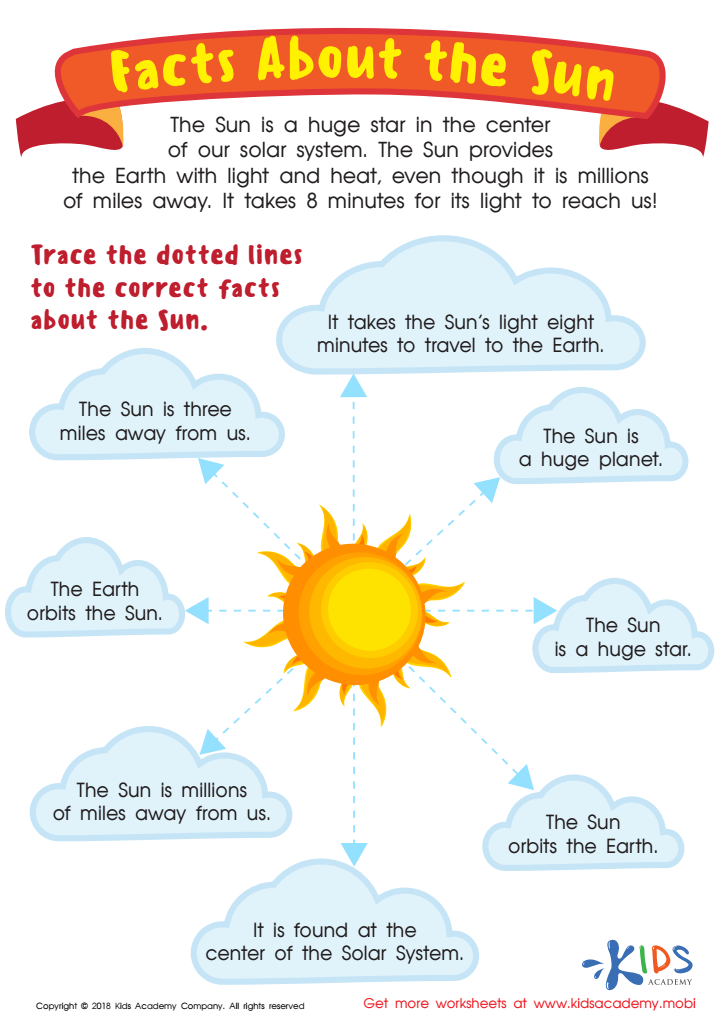
Facts About the Sun Worksheet
 Assign to My Students
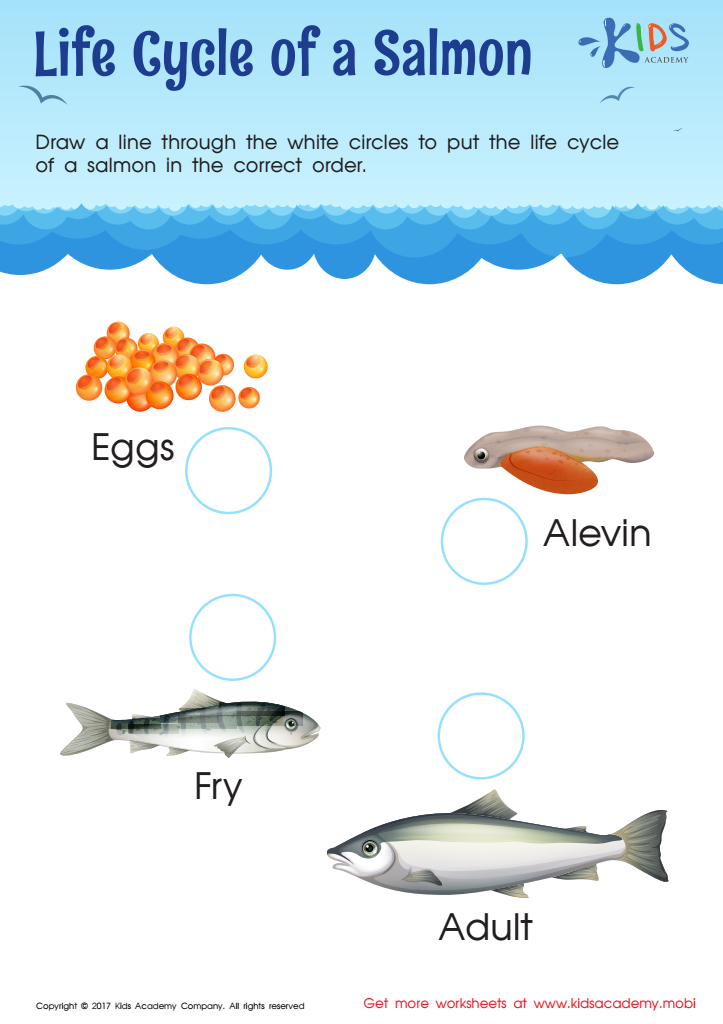
Cycle Of Salmon Worksheet
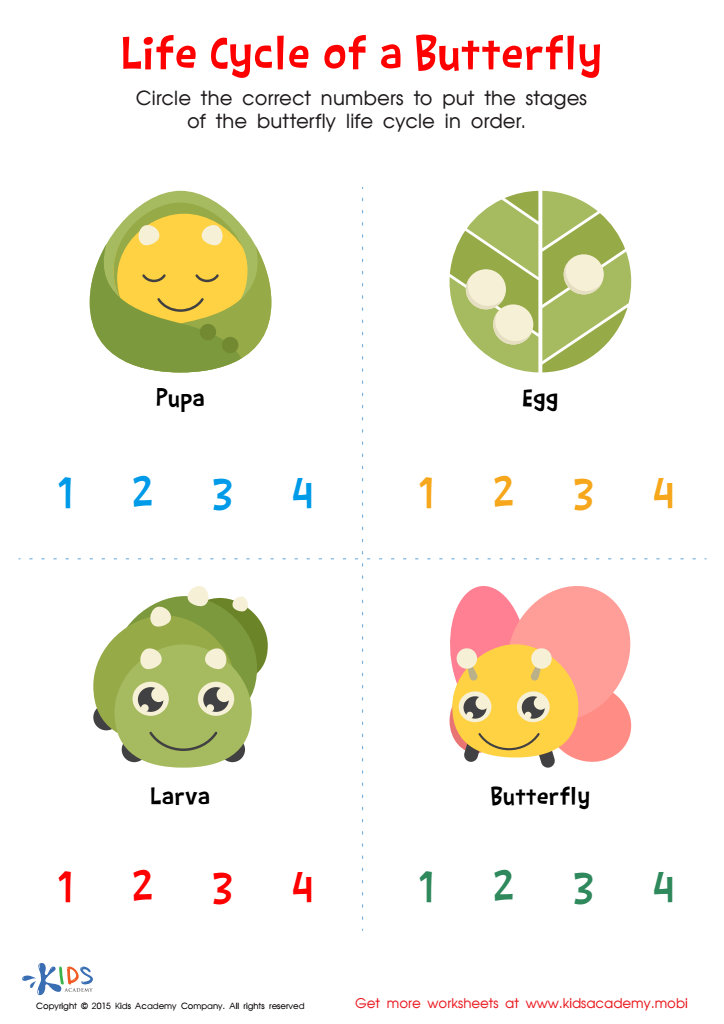
Life Cycle of Butterfly Printable




.jpg)


Expanding science vocabulary for children aged 7-9 is essential as it lays a strong foundation for future learning. At this developmental stage, children are highly curious and open to absorbing new concepts. Introducing them to science terms such as "habitat," "evaporation," or "photosynthesis" helps scaffold their understanding of complex topics they will encounter in later studies.
Vocabulary is a key component of literacy, and proficiency in science terms enhances comprehension and enables kids to better express their observations and hypotheses. It's not just about memorizing words, but about grasping concepts that explain how the world works. For instance, understanding the term "gravity" helps them explain why objects fall, thus turning abstract ideas into tangible knowledge.
Moreover, early exposure to science vocabulary fosters critical thinking and promotes a sense of inquiry. Children learn to formulate questions, seek answers, and build confidence in tackling scientific problems. This early engagement can spark a lifelong interest in science, which is increasingly vital in our technology-driven world.
For parents and teachers, facilitating this vocabulary expansion helps in nurturing well-rounded, informed, and curious learners equipped with the language skills necessary for future academic success. A rich science vocabulary enhances overall literacy and paves the way for future explorations and achievements in various scientific fields.








