Tracing practice Worksheets for Ages 7-9
3 filtered results
-
From - To
Discover our engaging tracing practice worksheets designed specifically for children aged 7-9! These worksheets help reinforce fine motor skills and hand-eye coordination, essential for writing development. With diverse content, your child will enjoy tracing letters, numbers, and various shapes, enhancing their penmanship while fostering creativity. Our printable worksheets are perfect for classroom or home use, catering to different learning styles. Watch as your child gains confidence in their writing abilities through fun and interactive activities. Start their journey to writing excellence today with our comprehensive tracing resources, ensuring a solid foundation for future learning! Explore more and print your favorites now!
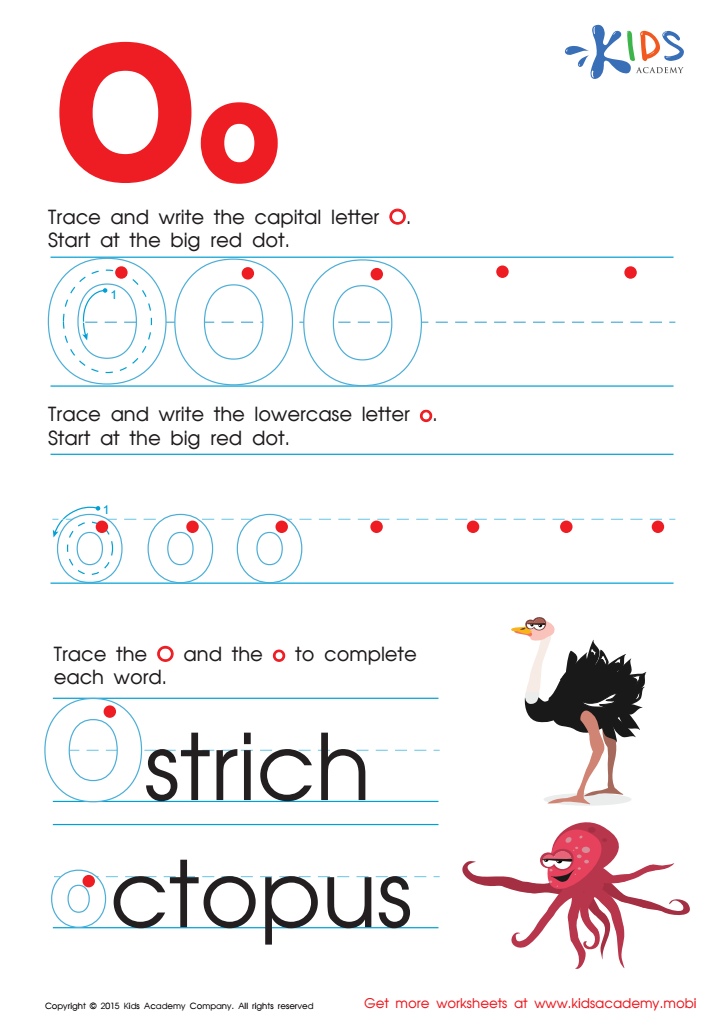
Letter O Tracing Page
 Assign to My Students
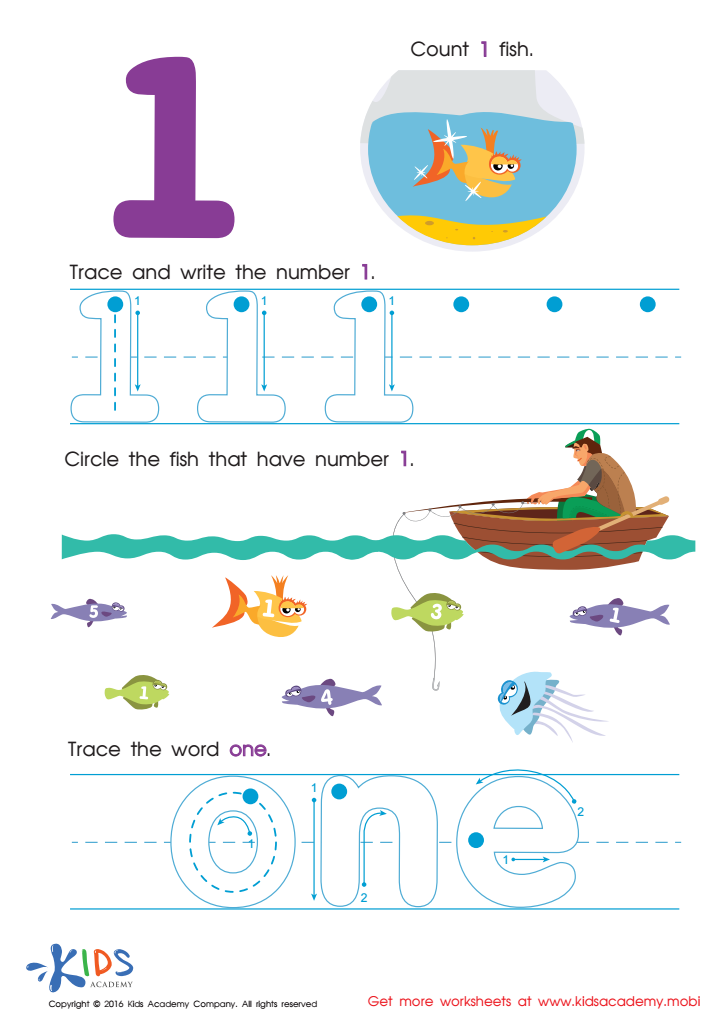
Learning to Write 1 Worksheet
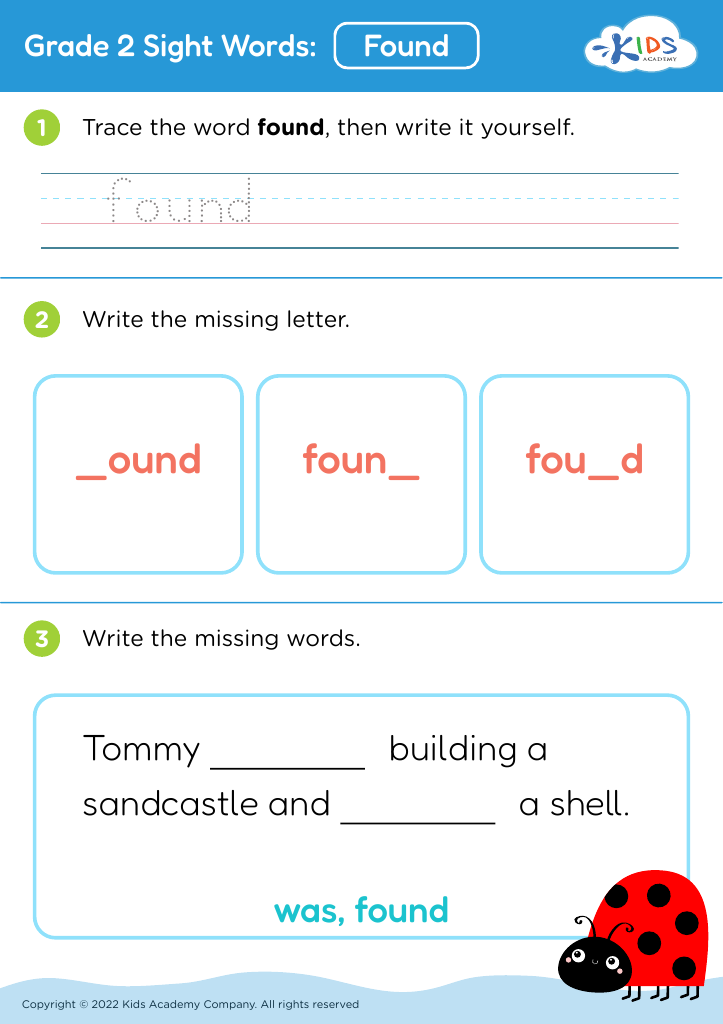








Tracing practice for children aged 7-9 is crucial for developing fine motor skills, enhancing handwriting, and fostering cognitive development. During these formative years, kids are refining their hand-eye coordination, and tracing can serve as a fun yet structured way to improve this ability. As they trace letters, numbers, or shapes, children gain muscle memory that contributes to better control and dexterity of their fingers and hands, essential for writing and other tasks.
Moreover, tracing helps reinforce the knowledge of letter formation, which lays the foundation for neat and legible handwriting. Effective handwriting not only supports academic achievement but also boosts children's confidence in their writing abilities, encouraging them to express their thoughts more freely.
Additionally, tracing activities can stimulate cognitive development by incorporating visual and kinesthetic learning. This engagement with letters and shapes enhances pattern recognition, attention to detail, and memory skills. For parents and teachers, focusing on tracing can be an enjoyable activity that blends learning with creativity. By promoting tracing practice, they contribute to well-rounded developmental growth, ensuring that children are better prepared for the increasing academic demands in later grades. By nurturing these foundational skills, adults play an instrumental role in their children's educational journey.








