Understand sequences Worksheets for Ages 7-9
5 filtered results
-
From - To
Discover our "Understand Sequences Worksheets for Ages 7-9" designed to make learning fun and engaging! Tailored for young learners, these worksheets help kids recognize and create patterns, enhancing critical thinking and problem-solving skills. With colorful visuals and interactive activities, your child will easily grasp sequencing concepts, from simple number patterns to more complex series. Perfect for both classroom and home use, the worksheets align with core educational standards, making them a reliable resource for teachers and parents. Equip your child with the skills to excel in math and beyond with our expertly crafted sequence worksheets!
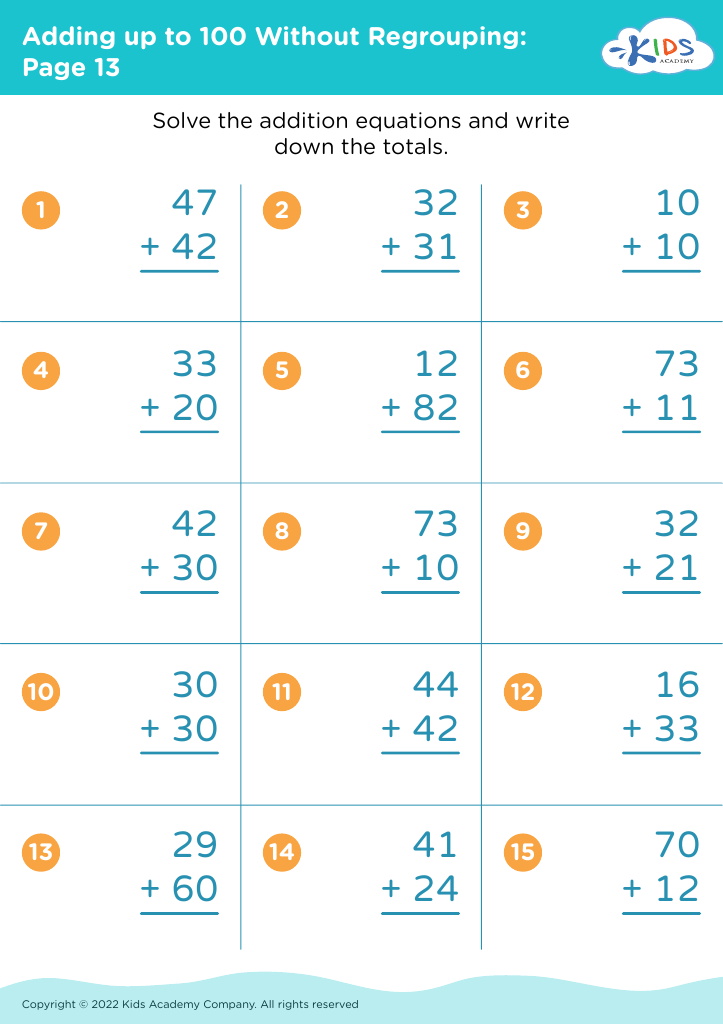
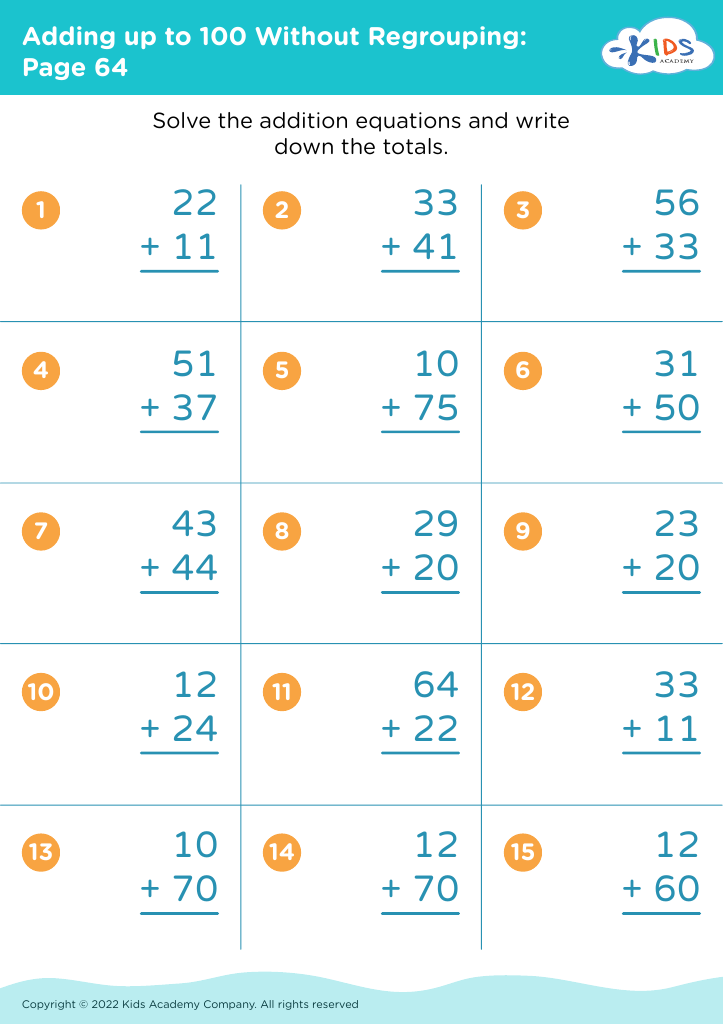
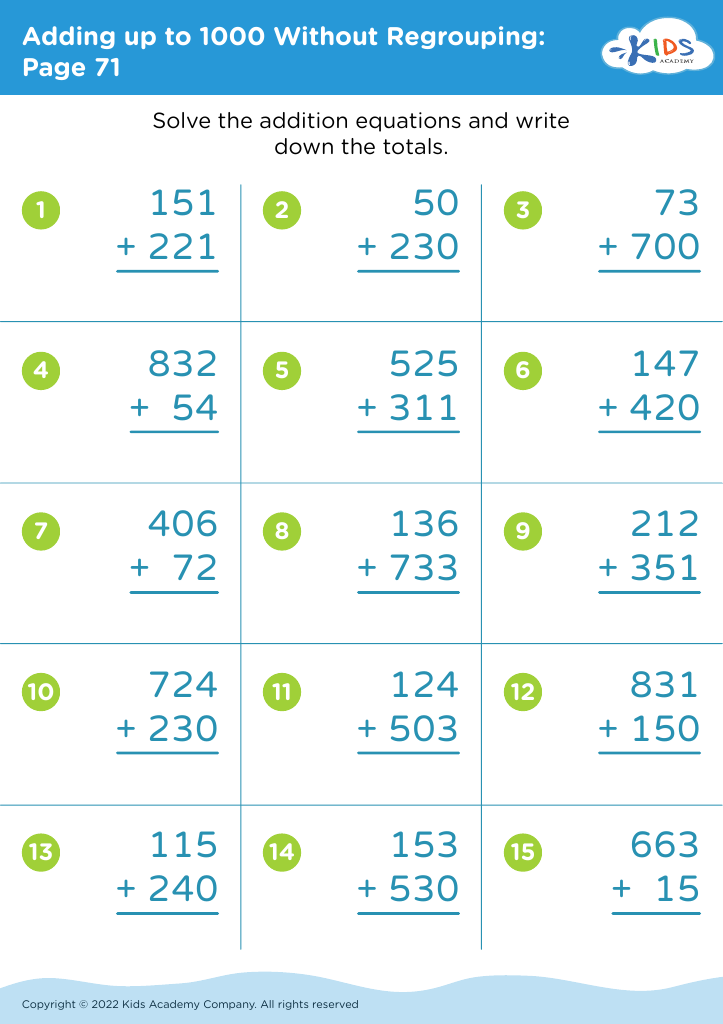
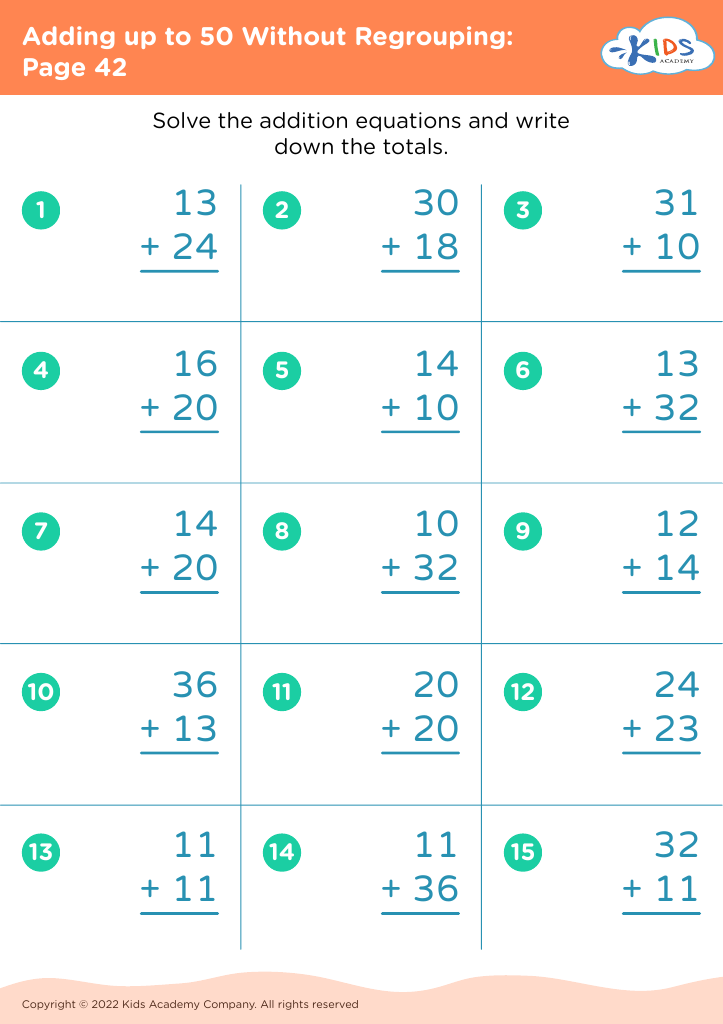







Understanding sequences is a fundamental skill for children aged 7-9 that parents and teachers should prioritize. Recognizing and working with sequences helps children develop critical thinking and problem-solving skills. This is important not only in math but also in many aspects of daily life.
For instance, in mathematics, sequences lay the groundwork for understanding more complex concepts such as patterns, arithmetic, and algebra. Being able to recognize and predict patterns is crucial for mastering multiplication, division, and eventually, more intricate calculations. When children comprehend sequences, they also improve their ability to organize information logically, which is a cross-disciplinary skill beneficial in reading, writing, and even following instructions.
Beyond academic applications, the ability to understand and predict sequences is essential for planning and organizing tasks. It helps children grasp the concept of time, order of operations, and even basic routines. For example, they learn that before lunchtime, they must first complete their morning activities, thereby fostering a sense of structure and independence.
Encouraging proficiency in understanding sequences also instills persistence and attention to detail. As children practice and master these skills, they develop confidence in their problem-solving abilities, setting a strong foundation for future educational milestones and daily life challenges.








