Understanding context Worksheets for Ages 7-9
8 filtered results
-
From - To
Discover our "Understanding Context Worksheets" designed specifically for ages 7-9. These engaging worksheets help young learners enhance their comprehension skills by encouraging them to interpret and analyze textual clues. By working through various exercises and scenarios, children will practice making inferences and drawing conclusions based on context. Our resources cater to different learning styles, making comprehension fun and interactive. Perfect for classroom settings or at-home learning, these worksheets foster critical thinking and improve reading proficiency. Get ready to empower your child's literacy skills—explore our printable resources now and watch them thrive in understanding context!
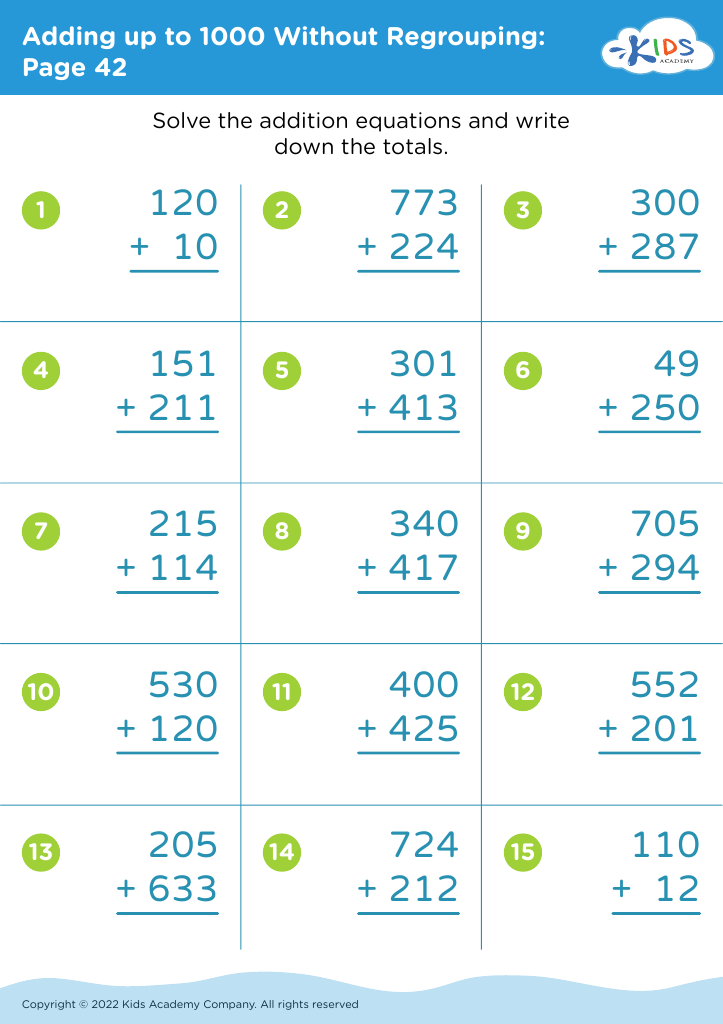
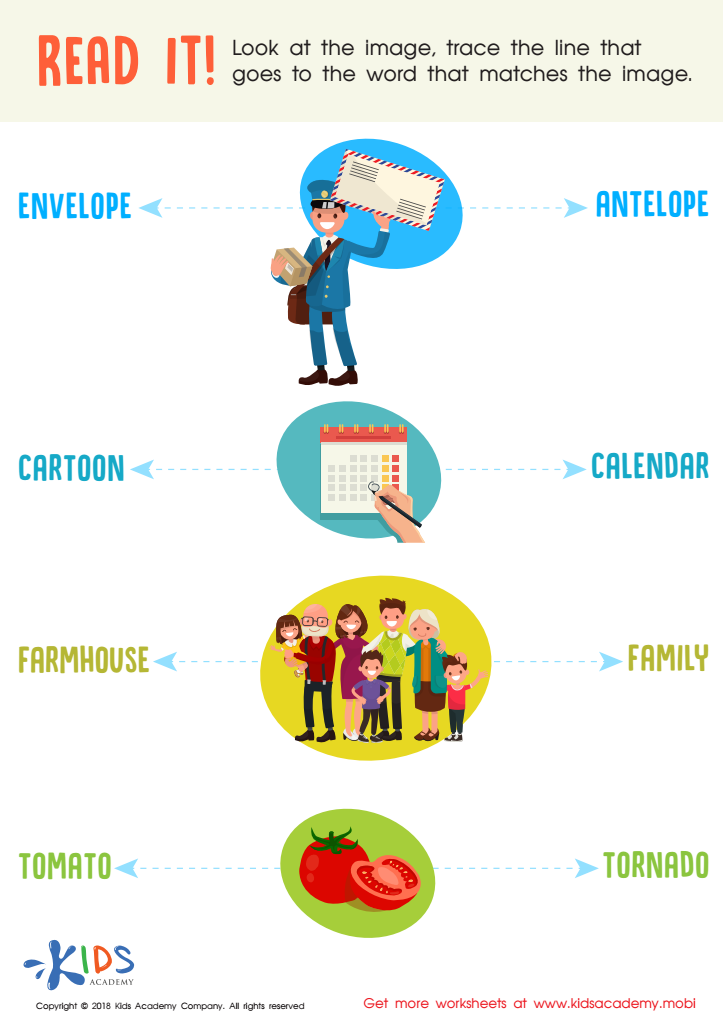
Read It! Worksheet
 Assign to My Students

The Big Surprise Worksheet
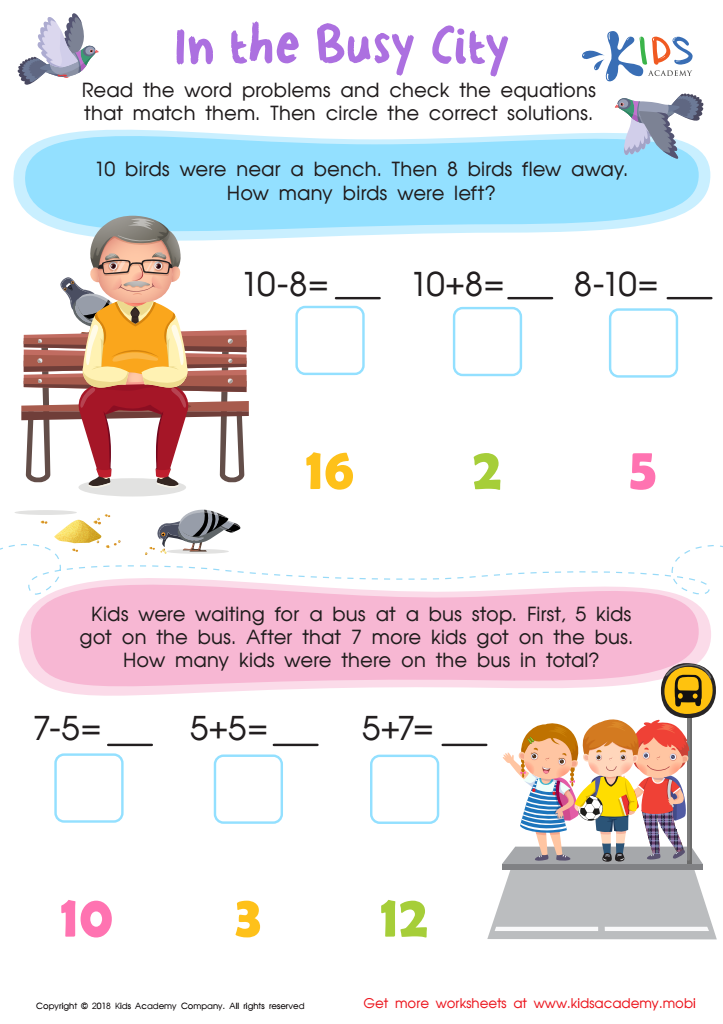
In the Busy City Word Problems Worksheet
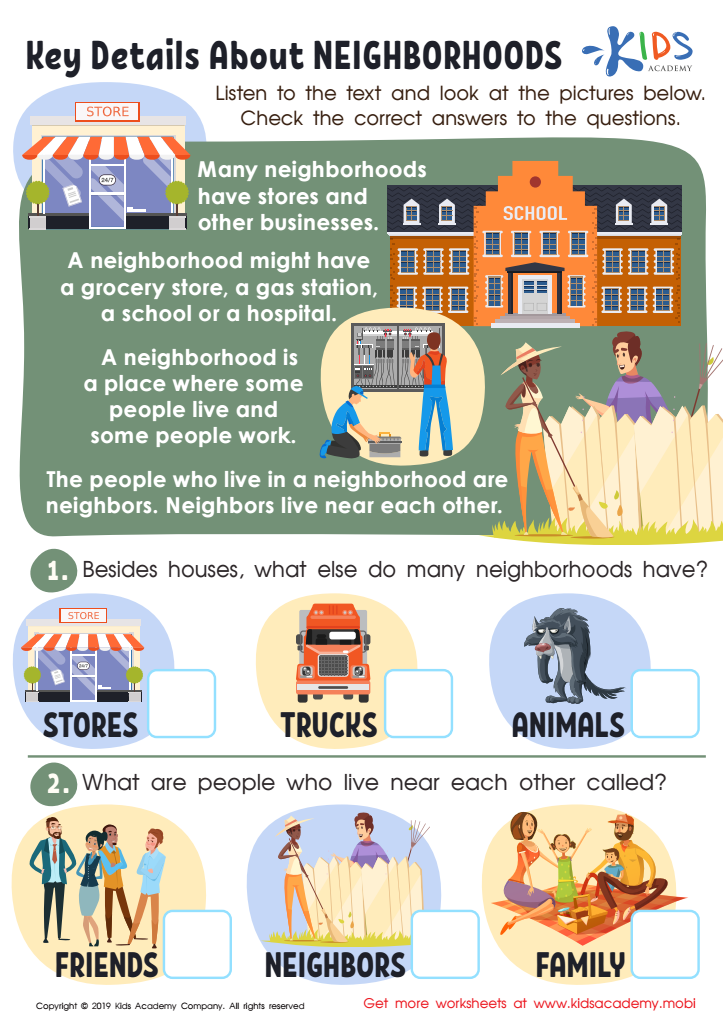
Key Details Neighborhoods Worksheet
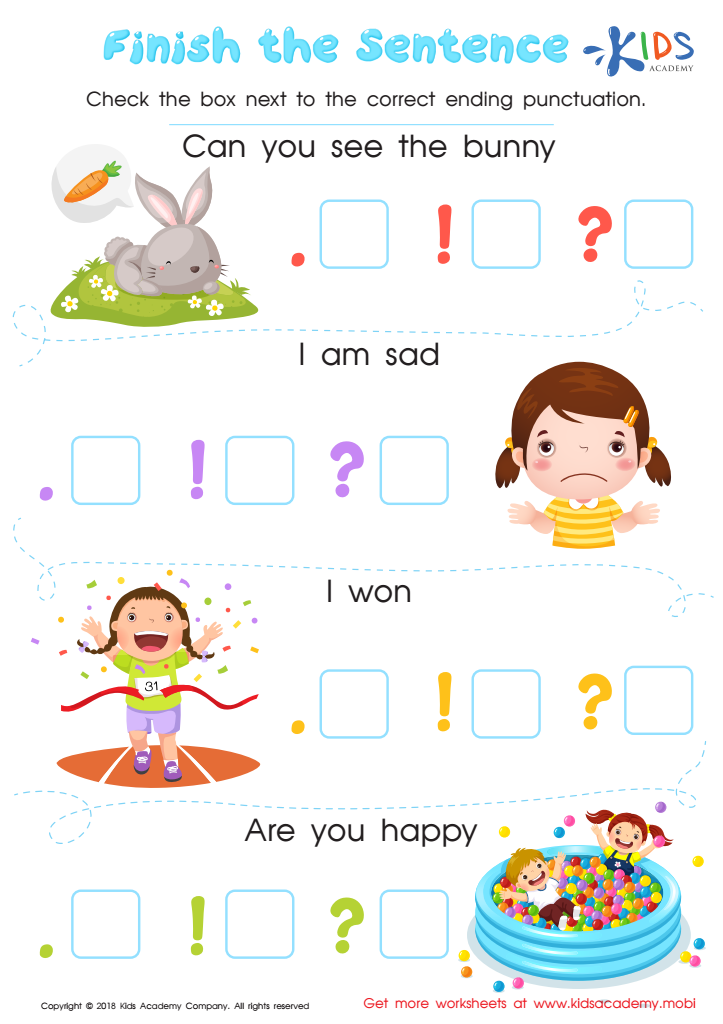
Finish the Sentence Worksheet




.jpg)


Understanding context is crucial for children aged 7-9 as it significantly enhances their learning and social skills. At this developmental stage, children are beginning to comprehend complex ideas and realities beyond their immediate experiences. When parents and teachers emphasize context in learning, they help children make sense of the world around them, allowing for deeper understanding of new concepts.
Contextual learning helps children connect what they are learning to real-life situations, making academic concepts feel relevant and engaging. This is particularly important in subjects like literacy, where understanding the setting, characters, and circumstances in a story enriches comprehension and encourages emotional connections.
Moreover, understanding context aids in social interactions. Children learn how to read cues and understand situations, which is vital for developing empathy and collaboration skills. When they grasp the context of particular behaviors or communications, they can respond appropriately and build stronger relationships.
Ultimately, fostering a strong sense of context supports critical thinking and problem-solving skills, laying the groundwork for lifelong learning. For parents and teachers, prioritizing context means nurturing well-rounded, empathetic individuals equipped to navigate the complexities of their social and academic environments.








