Understanding measurement Worksheets for Ages 7-9
3 filtered results
-
From - To
Unlock the world of measurement for children aged 7-9 with our comprehensive Understanding Measurement Worksheets. Each printable worksheet is carefully crafted to make measuring fun and engaging. Your students will explore key concepts such as length, weight, and volume through a variety of activities and real-world scenarios. These age-appropriate exercises develop a solid foundation in measurement, enhancing critical thinking and problem-solving skills. With visually appealing and interactive content, these worksheets keep young learners motivated and interested. Perfect for classroom or home use, they are an essential resource for bolstering your child's mathematics journey.
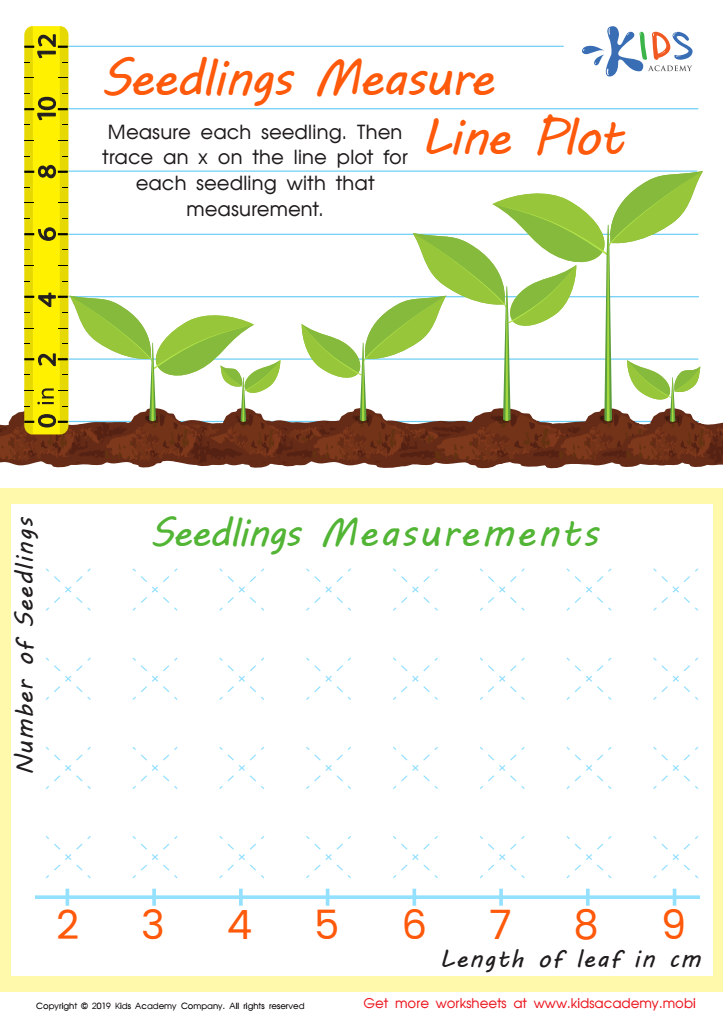
Seedling Measure Line Plot Worksheet
 Assign to My Students
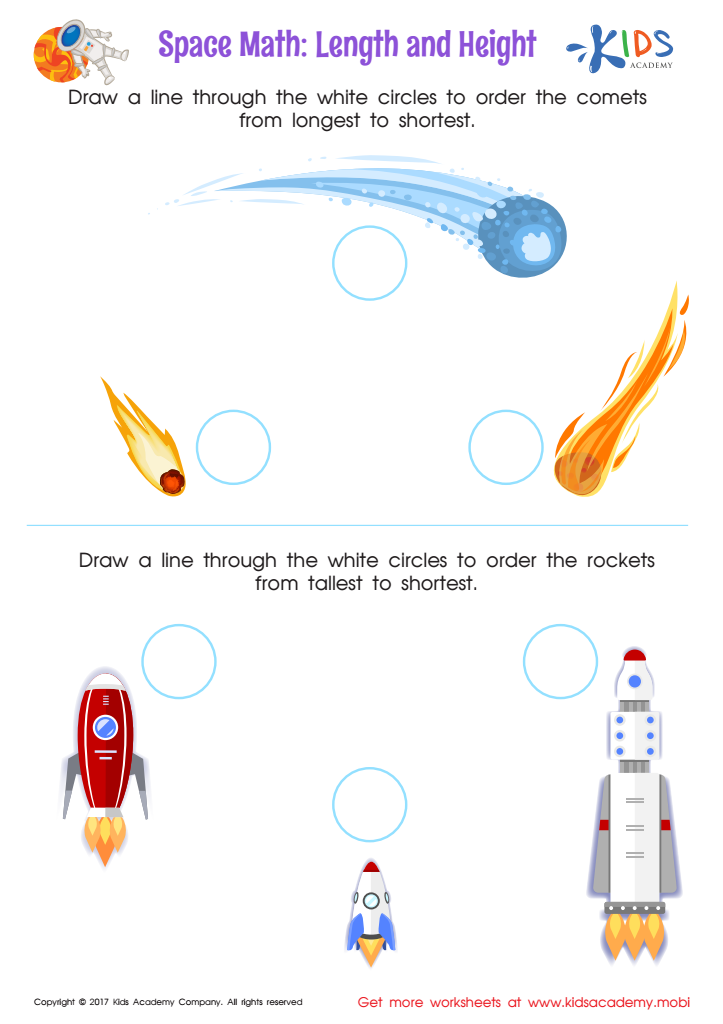
Space Math Worksheet
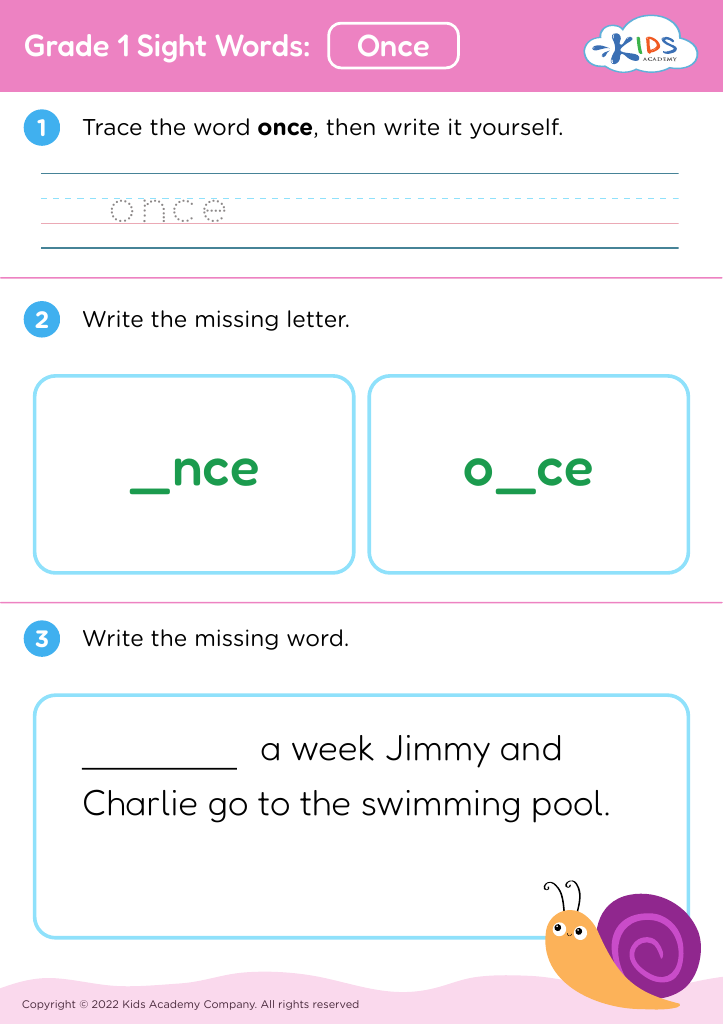


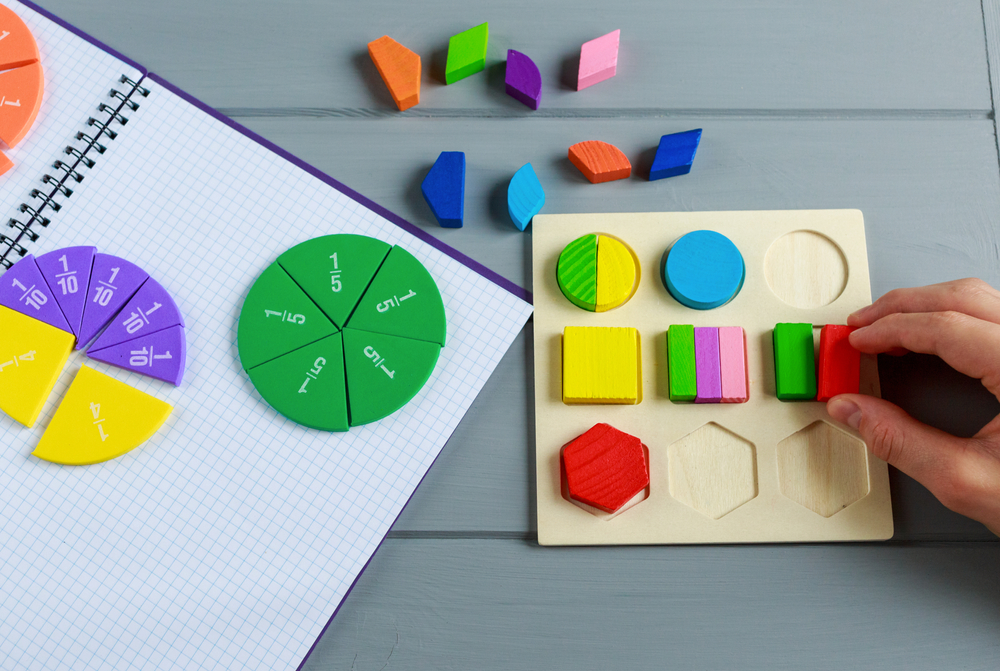
.jpg)




Understanding measurement is integral for children ages 7-9 as it bridges to numerous areas of learning and everyday life. Children in this age range are developing cognitive skills that allow them to grasp more abstract concepts, and measurement provides a tangible way to understand these ideas. For parents and teachers, emphasizing measurement helps link math to real-world scenarios, enhancing practical learning and critical thinking.
Learning measurement assists kids in understanding dimensions, volume, weight, and time, which are essential skills in daily activities, such as cooking, crafting, or playing sports. It also builds the foundation for advanced math topics like geometry and algebra, preparing them for future academic success. By engaging children in activities that involve measuring objects, they cultivate problem-solving skills, reasoning, and spatial awareness.
Furthermore, when teachers and parents focus on measurement, they encourage hands-on, experiential learning, which fosters curiosity and motivation. It provides kids opportunities to practice estimating, comparing, and using tools like rulers and scales, aligning with common educational standards and curricula. Engaging young minds with measurement projects and games not only solidifies mathematical concepts but also integrates learning into their natural exploration and play, creating a well-rounded educational experience.








