
Drawing skills Addition & Subtraction Worksheets for Ages 7-9
6 filtered results
Difficulty Level
Grade
Age
-
From - To
Subject
Activity
Standards
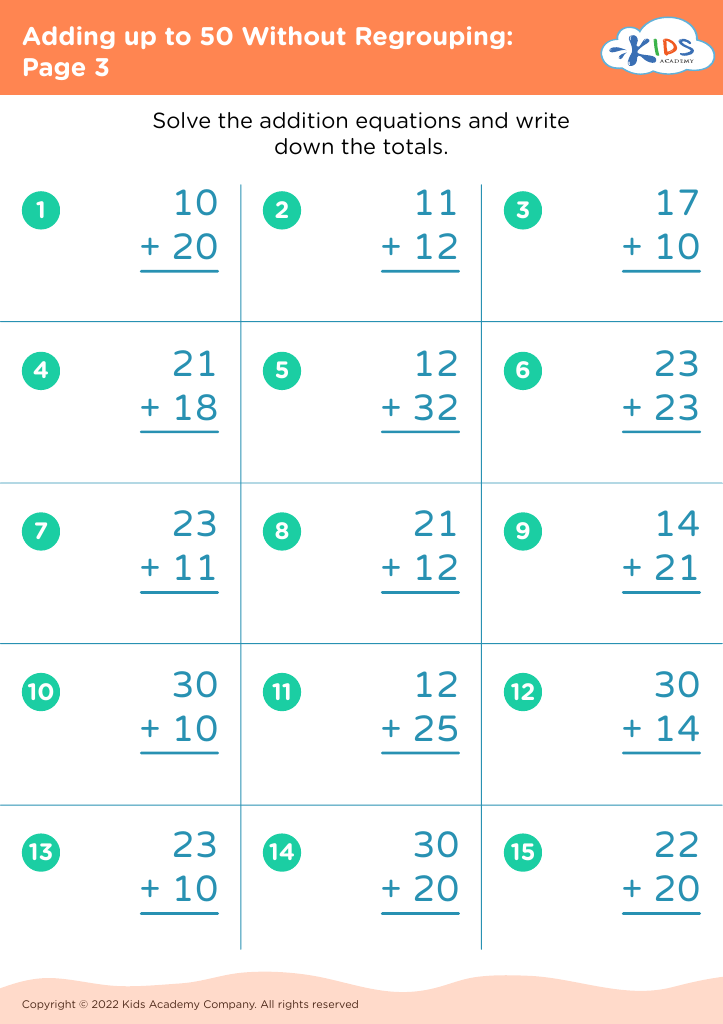
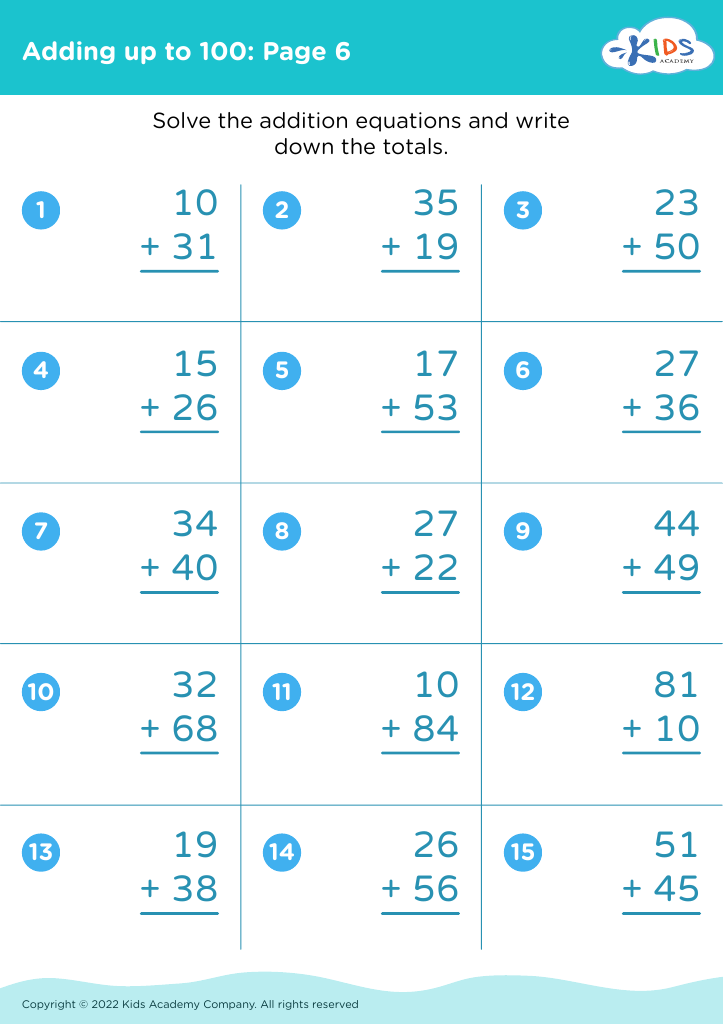
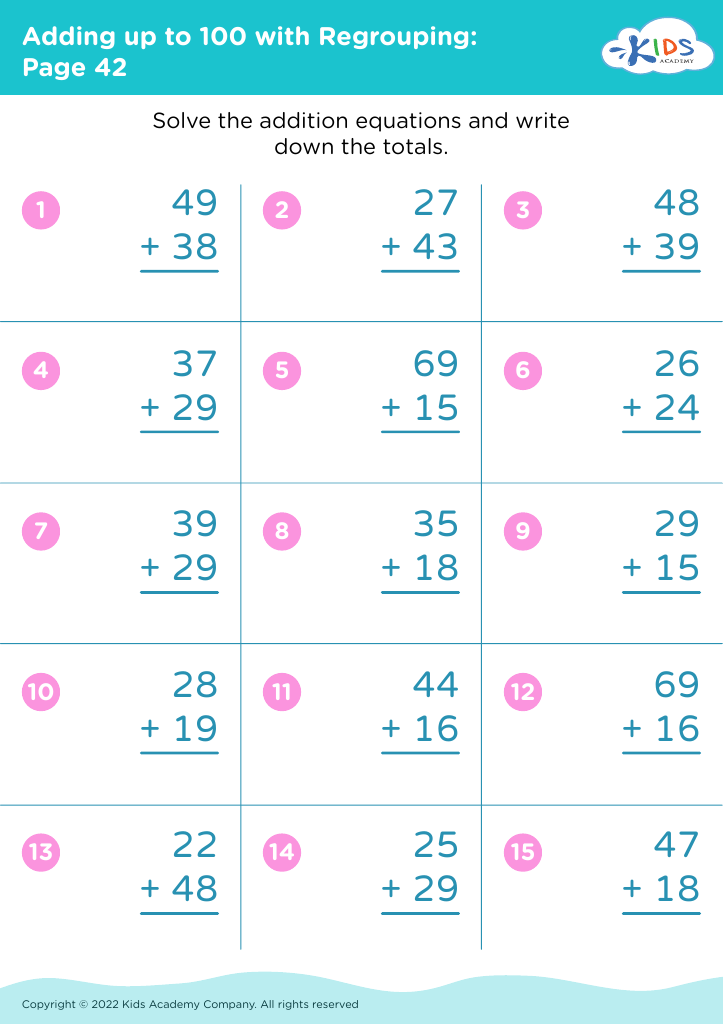
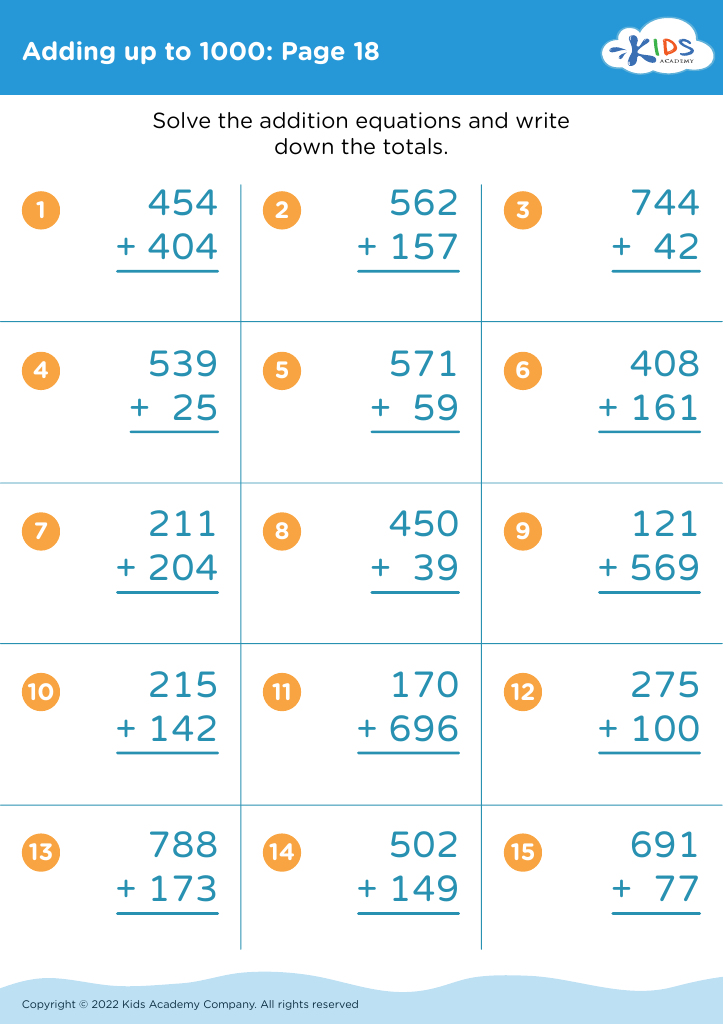
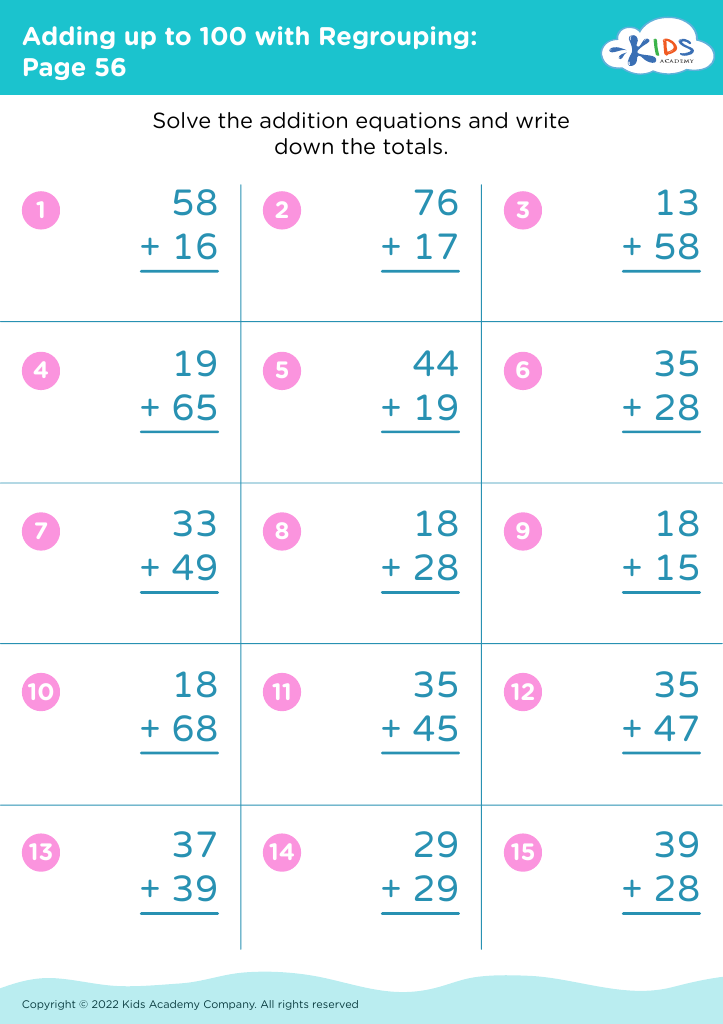
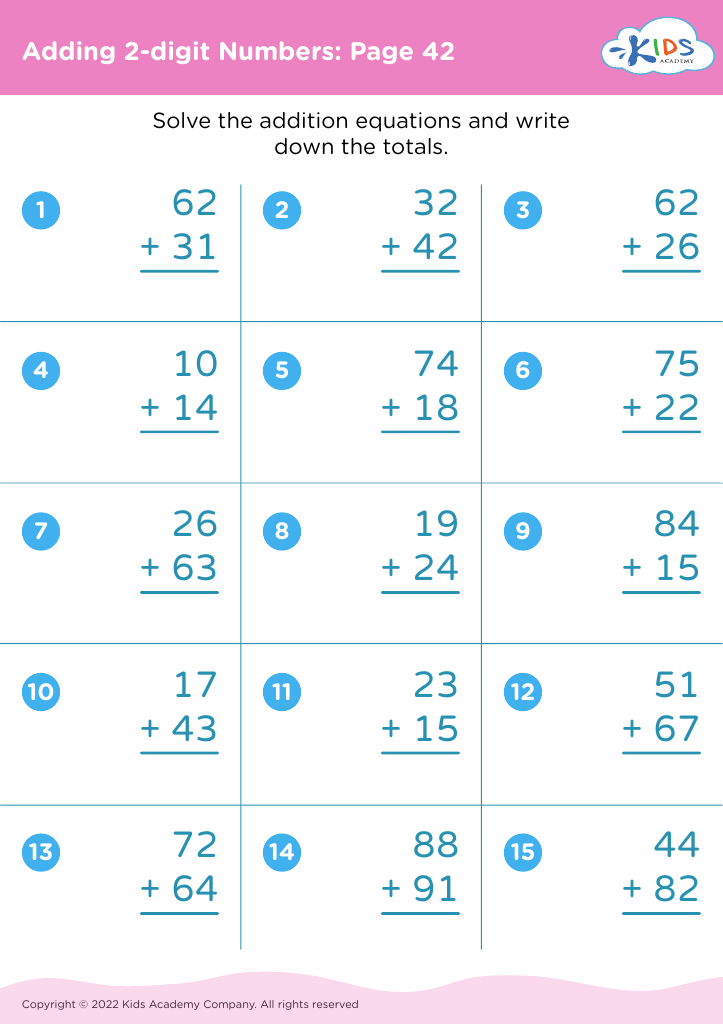
Enhance your child’s math skills with our engaging Drawing Skills Addition & Subtraction Worksheets designed for ages 7-9! These interactive worksheets combine creativity with essential math concepts, making learning fun and effective. Kids will practice solving addition and subtraction problems while illustrating their answers, reinforcing their understanding through drawing. This innovative approach not only helps improve math comprehension but also fosters artistic expression and fine motor skills. Perfect for parents and teachers seeking to enrich their students' math journey, these worksheets are printable and easy to use at home or in the classroom. Keep learning exciting and interactive with our unique resources!
Favorites
With answer key
Interactive
Join Kids Academy for Free
Who is primarily going to use this learning content?








Drawing skills in the context of addition and subtraction are crucial for children aged 7-9, as they enhance both mathematical understanding and cognitive development. At this age, children are transitioning from simple arithmetic to more complex problem-solving. Engaging them in drawing can help solidify their comprehension of mathematical concepts by allowing them to visualize numerical relationships and manipulate numbers through visual representation.
When children draw to solve addition and subtraction problems, they can illustrate concepts like grouping and evenness, which deepens their understanding. For example, drawing images of groups of objects can help students grasp the notion of combining sets or separating them more tangibly. This multisensory approach caters to various learning styles, making mathematics more accessible and enjoyable.
Furthermore, encouraging drawing enhances fine motor skills, creativity, and critical thinking. It fosters a positive attitude toward mathematics, reducing anxiety commonly associated with the subject. By investing time in developing these skills, parents and teachers help children build a foundational understanding of math that is not only necessary for future academic success but also for everyday problem-solving. Ultimately, integrating drawing into math education enriches children's overall learning experience and lays the groundwork for a lifelong love of learning.








