Fraction conversion Addition & Subtraction Worksheets for Ages 7-9
3 filtered results
-
From - To
Enhance your child's math skills with our engaging Fraction Conversion Addition & Subtraction Worksheets designed specifically for ages 7-9. These worksheets focus on teaching young learners how to convert fractions while seamlessly adding and subtracting them. By combining clear instructions with fun exercises, children will develop a strong foundation in fraction concepts. Our resources not only foster essential math skills but also boost confidence through interactive learning. Perfect for home or classroom use, these printable worksheets make mastering fraction conversions enjoyable and effective. Join us in making math an exciting adventure for your child today!
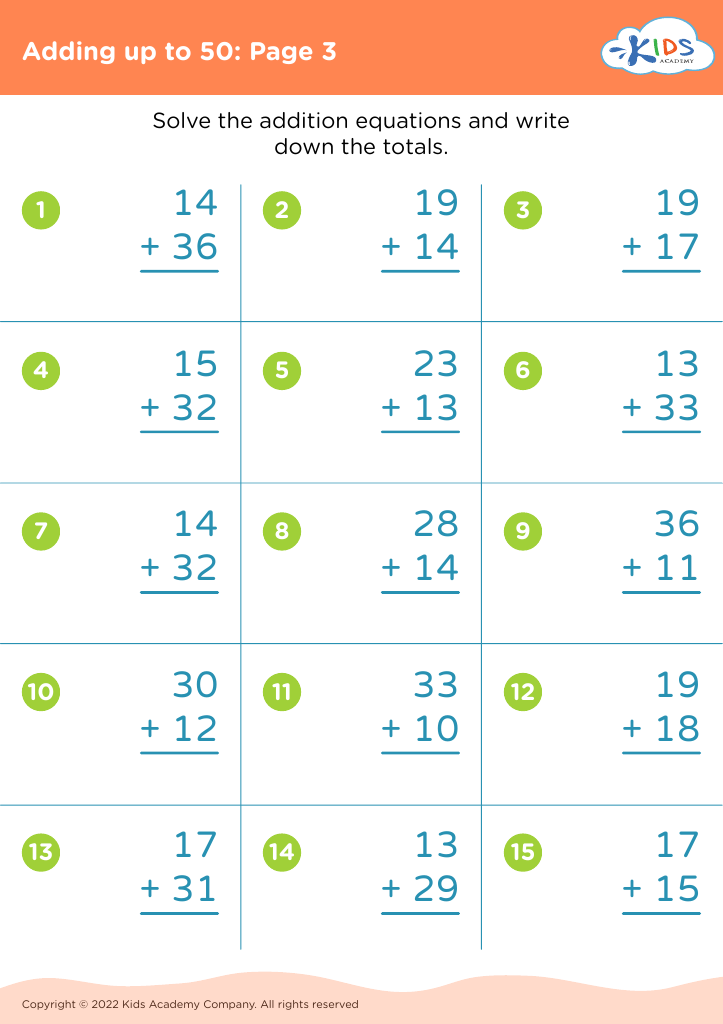
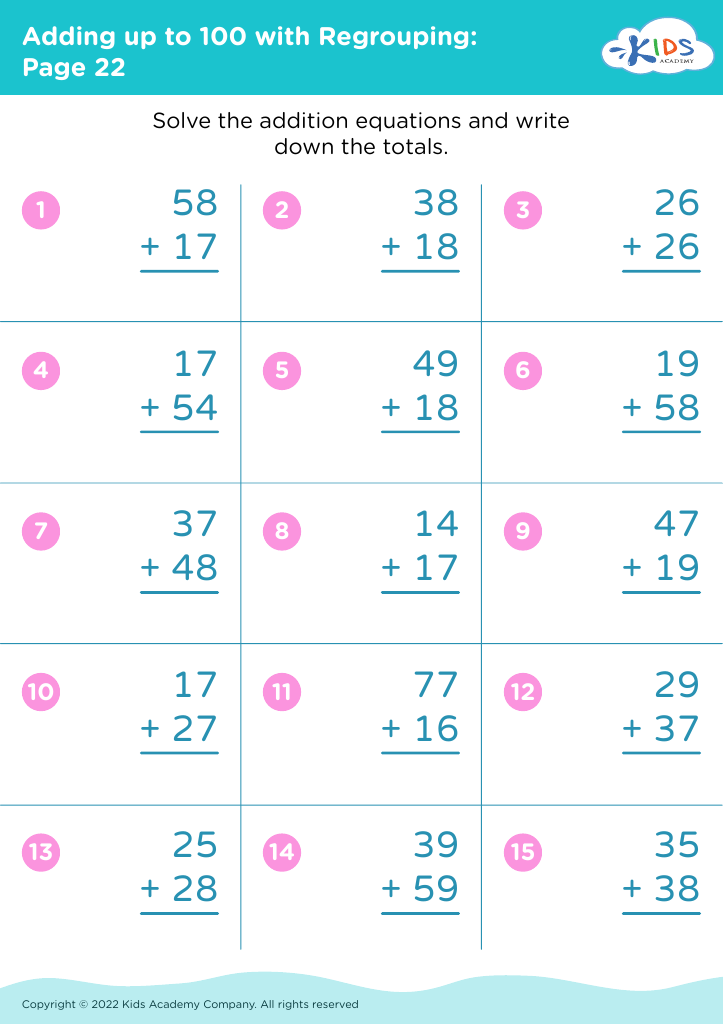
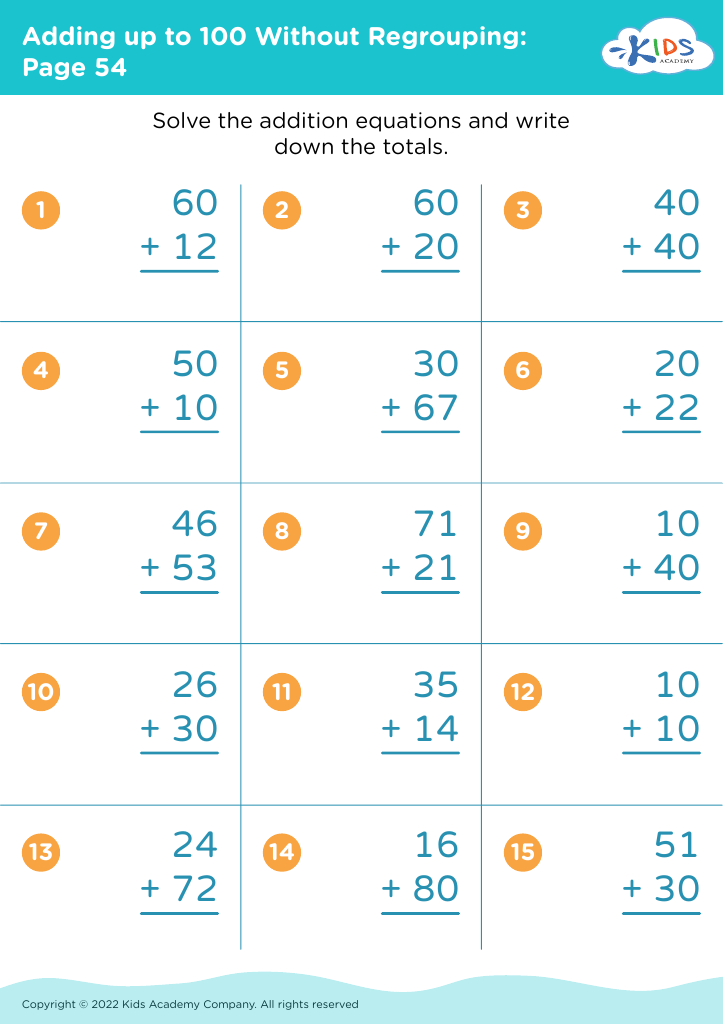








Understanding fraction conversion, addition, and subtraction is crucial for children aged 7-9, as it forms the basis for their mathematical literacy and problem-solving skills. During this developmental stage, children flourish in learning foundational concepts that will support their future education.
First, grasping fractions helps children comprehend division and sharing, concepts vital at this age. Fraction addition and subtraction build on this by enhancing their ability to combine and compare parts of a whole, a skill transferable to real-life situations like cooking or allocating resources.
Moreover, mastering these skills enhances cognitive development. Children learn to think critically, identify patterns, and approach problems methodically. The process of converting fractions prepares them for more complex mathematical concepts they'll encounter in the future, such as mixed numbers or decimals.
Encouraging a strong understanding of fractions fosters confidence and positive attitudes towards math. When children manage these concepts, they are less likely to experience anxiety around math tasks in higher grades.
Furthermore, parents and teachers modeling a positive attitude towards math encourages children to see it as an exciting challenge rather than a chore. In short, establishing a solid foundation in fraction operations is essential for academic achievement and lifelong learning.








