Improving numeracy skills Addition & Subtraction Worksheets for Ages 7-9
4 filtered results
-
From - To
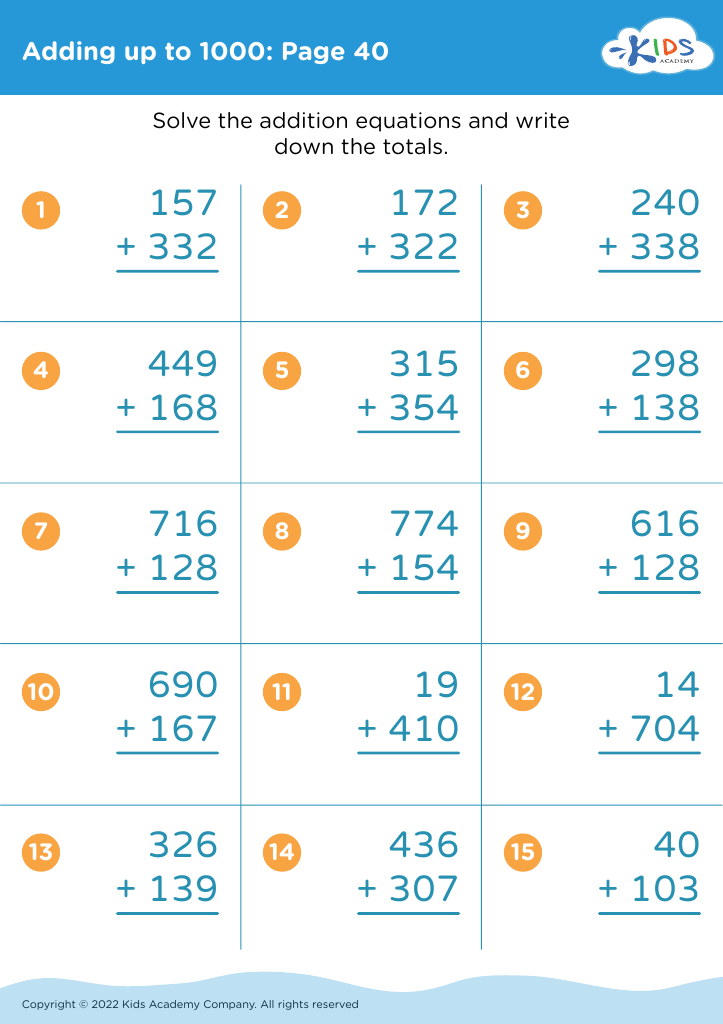
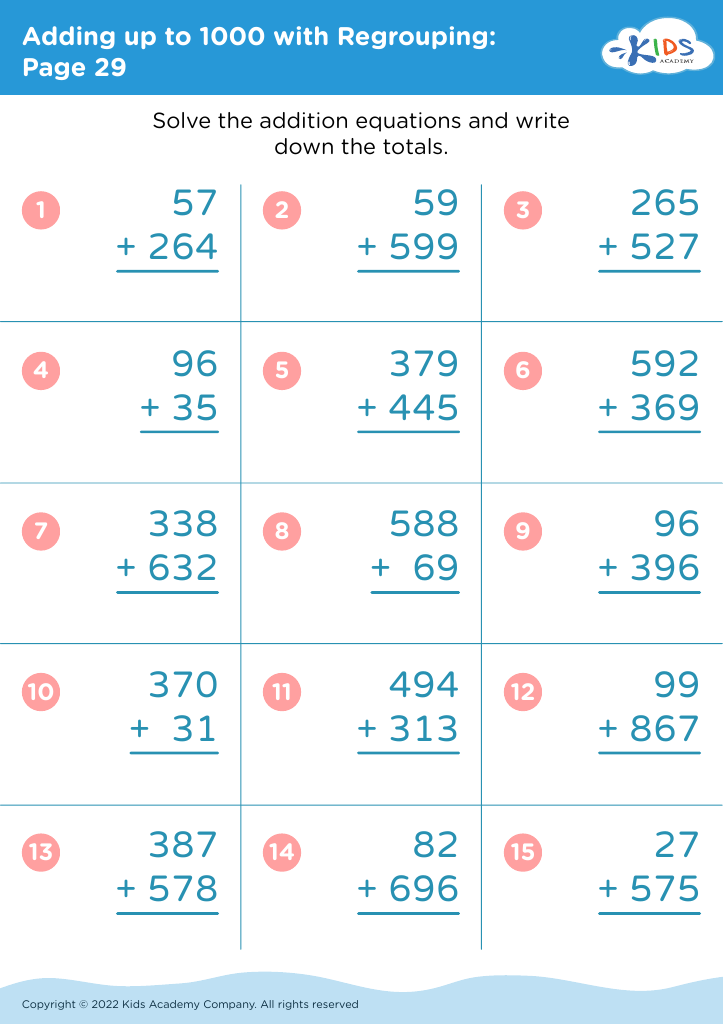
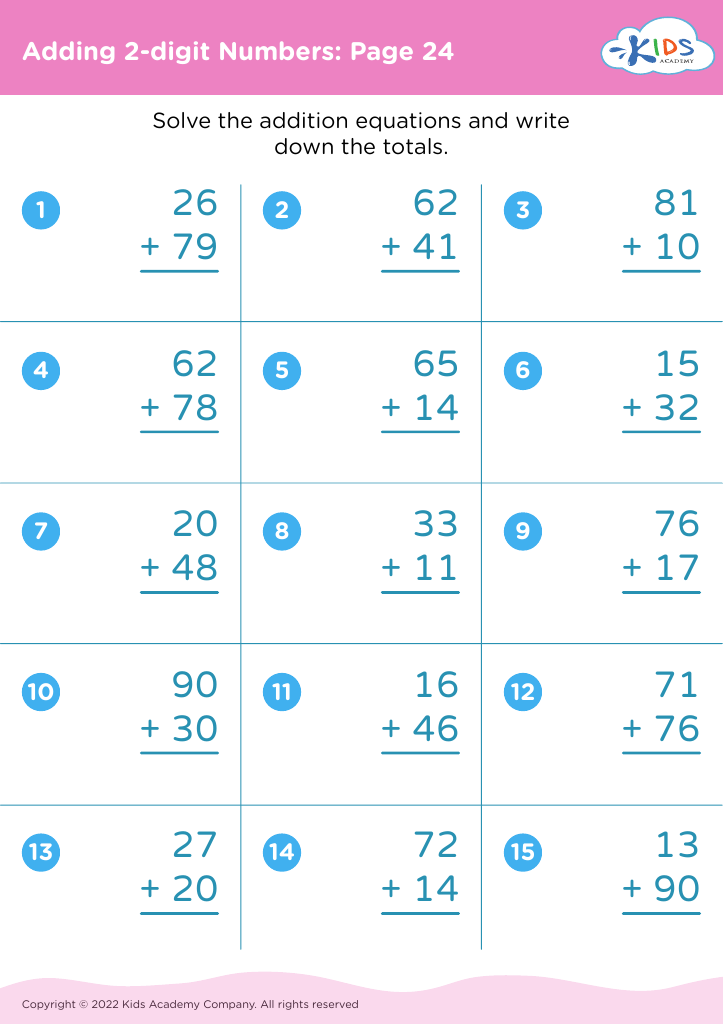
Enhance your child's numeracy skills with our expertly designed Addition and Subtraction worksheets, tailored specifically for ages 7-9. These engaging resources provide an enjoyable way for young learners to practice fundamental math concepts. Each worksheet features a variety of exercises that promote problem-solving strategies and reinforce understanding of numbers, ensuring that children build a solid foundation in arithmetic. Ideal for home or classroom use, our printable worksheets make learning math fun and accessible. Help your child develop confidence in their abilities and improve their overall numeracy skills while enjoying a range of colorful and interactive activities. Start exploring now!
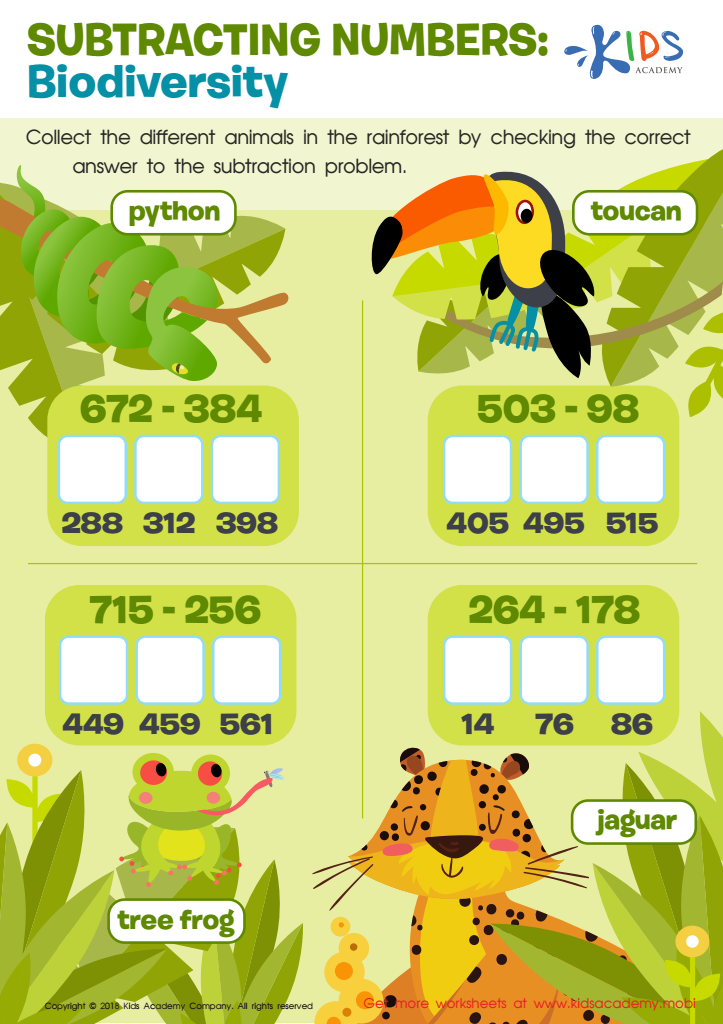
Subtracting Numbers: Biodiversity Worksheet
 Assign to My Students








Improving numeracy skills, particularly in addition and subtraction, for children aged 7-9 is vital for their academic and life success. At this age, children are transitioning from concrete understanding to abstract thinking, making it a critical period for developing foundational math skills. Strong proficiency in addition and subtraction allows students to tackle more complex mathematical concepts in the future, including multiplication, division, and problem-solving.
Teachers and parents play an essential role in nurturing these skills, as early positive experiences with math can foster a child's confidence and motivation, leading to a lifelong appreciation for the subject. Moreover, numeracy skills are not only applicable in academic settings but also in everyday life—whether budgeting, shopping, or cooking, children will benefit from being comfortable with numbers.
Additionally, enhancing addition and subtraction skills supports cognitive development, influences overall academic achievement, and helps children develop logical reasoning abilities. It also prepares them for standardized testing and curriculum advancements, setting a solid groundwork for their education. Engaging in fun, interactive activities focused on these skills can further strengthen parent-child or teacher-student relationships, making learning enjoyable. Ultimately, prioritizing numeracy in early education lays the foundation for future success in all areas of life.








