
Matching skills Addition & Subtraction Worksheets for Ages 7-9
3 filtered results
Difficulty Level
Grade
Age
-
From - To
Subject
Activity
Standards
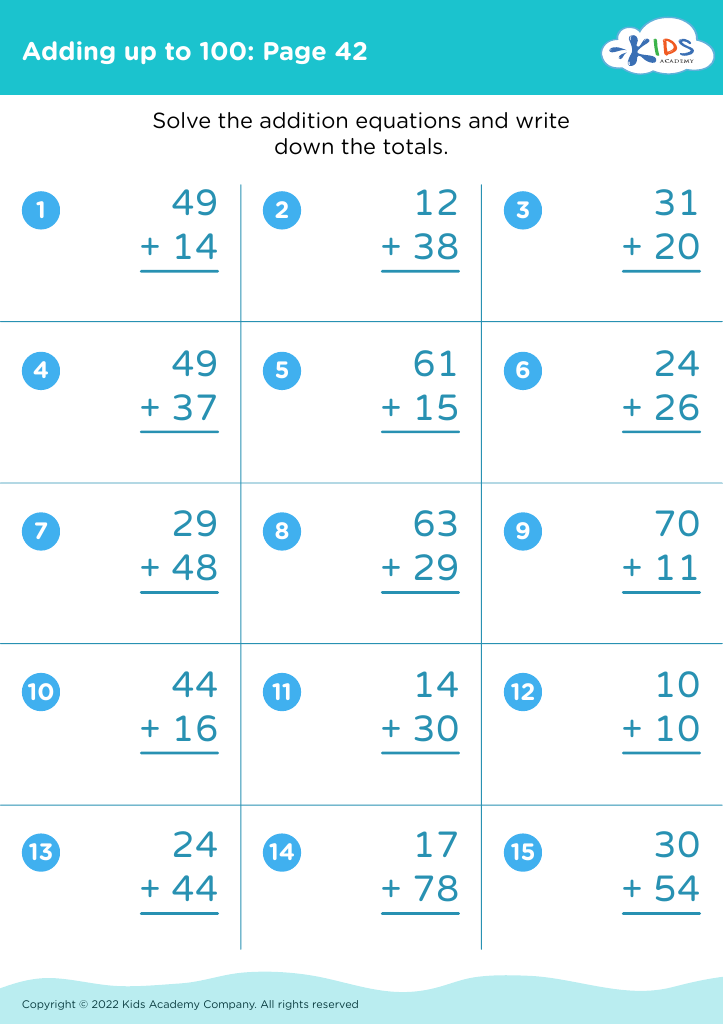
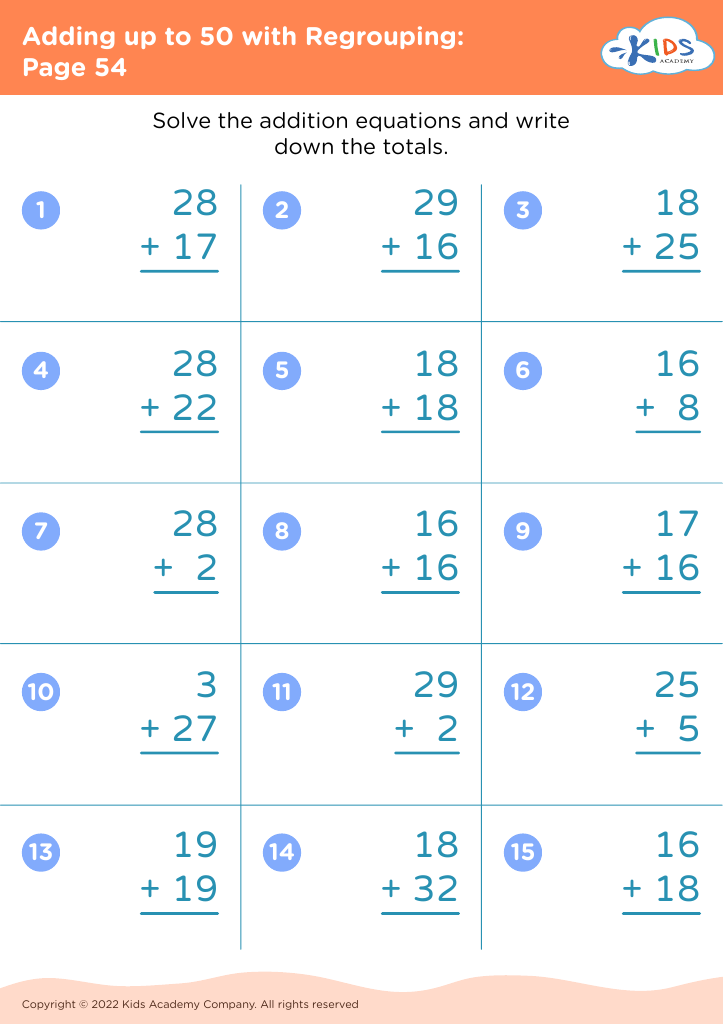
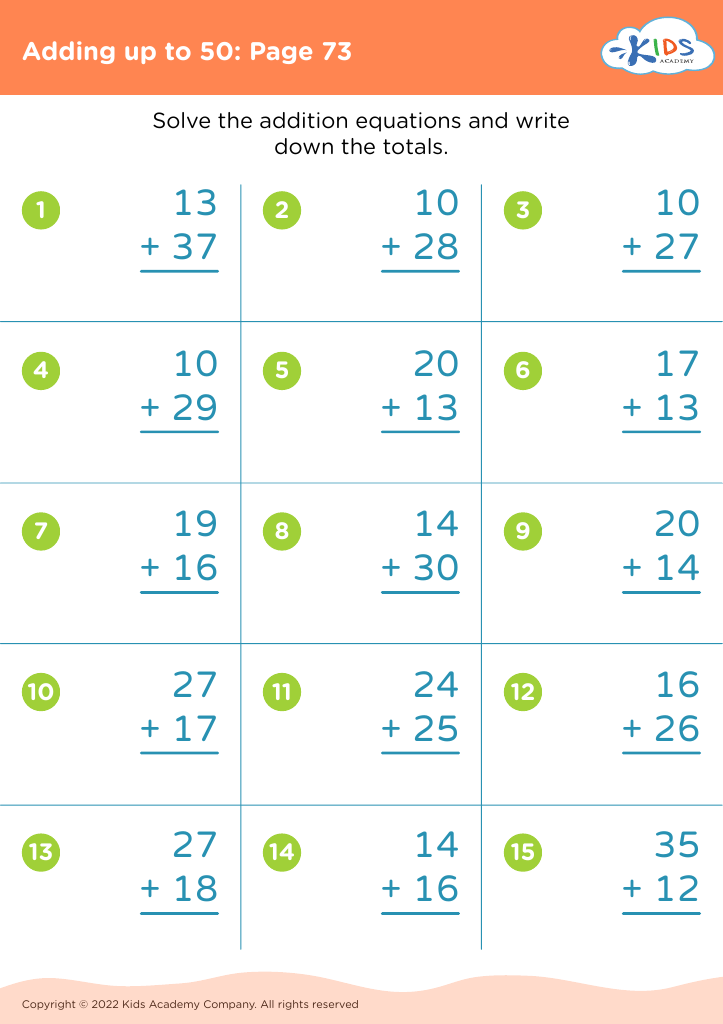
Enhance your child's math skills with our engaging Matching Skills Addition and Subtraction Worksheets, specifically designed for children aged 7-9. These worksheets creatively combine essential arithmetic practice with interactive matching exercises, making learning fun and effective. By associating numbers with corresponding answers, students develop their understanding of addition and subtraction concepts in an enjoyable way. Our thoughtfully crafted exercises help reinforce problem-solving abilities, boost confidence, and prepare students for more advanced math challenges. Explore our collection to provide your child with the tools they need to succeed in math while fostering a love for learning. Start matching today!
Favorites
With answer key
Interactive
Join Kids Academy for Free
Who is primarily going to use this learning content?








Matching skills in addition and subtraction for children aged 7-9 is crucial for their cognitive development and academic success. At this age, children are forming foundational math concepts that will support more complex problem-solving and critical thinking abilities in future learning. Mastery of these basic arithmetic operations is not just about memorization; it enhances numerical fluency, allowing children to approach math with confidence.
Additionally, understanding the relationships between addition and subtraction fosters a comprehensive grasp of math as intertwined processes. This understanding helps them recognize patterns and make connections across different mathematical concepts, such as word problems and equations. It also supports their overall cognitive development, enhancing skills such as logical reasoning and analytical thinking.
Moreover, proficiency in these fundamental skills can lead to better performance in standardized testing, laying a strong academic foundation that influences future learning trajectories. For parents and teachers, nurturing these skills means providing children with the tools they need to succeed in school and beyond. Encouraging practice and application in real-life situations—like budgeting or cooking—makes math relevant, engaging, and fun, which ultimately instills a positive attitude towards Learning. Supporting children's development in matching addition and subtraction skills is investing in their future success.








