Reading analog clocks Addition & Subtraction Worksheets for Ages 7-9
4 filtered results
-
From - To
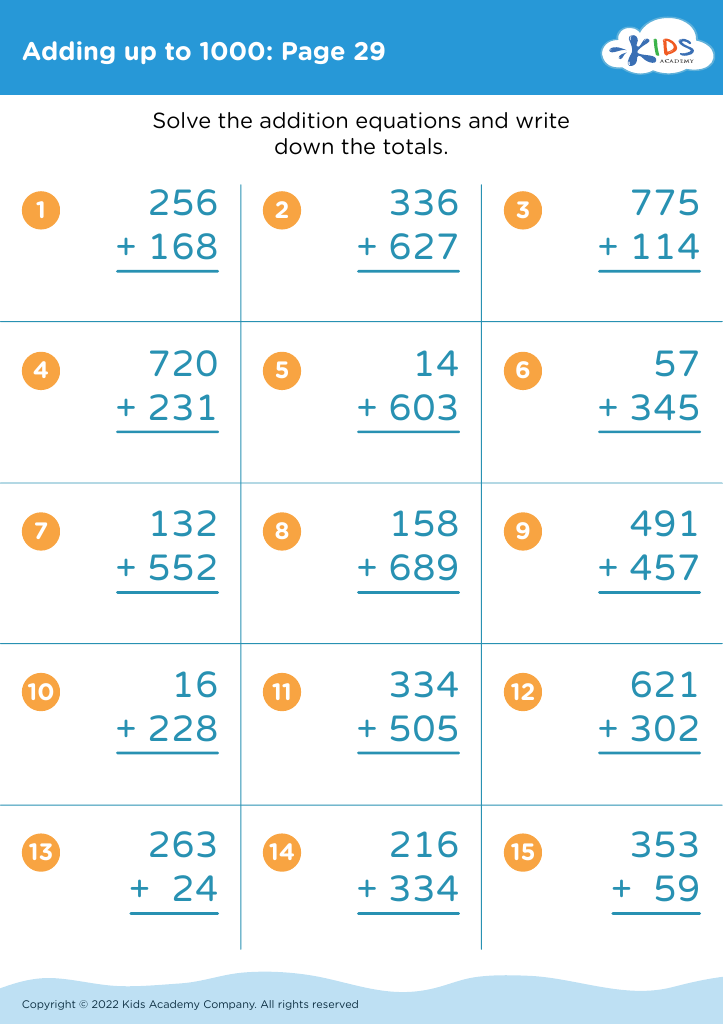
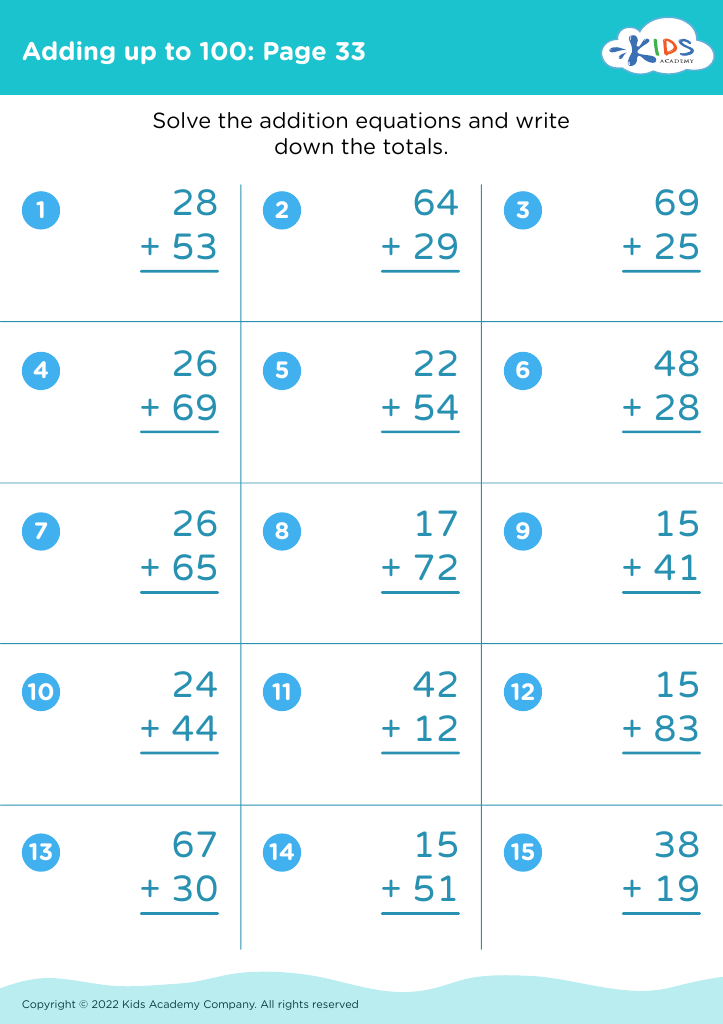
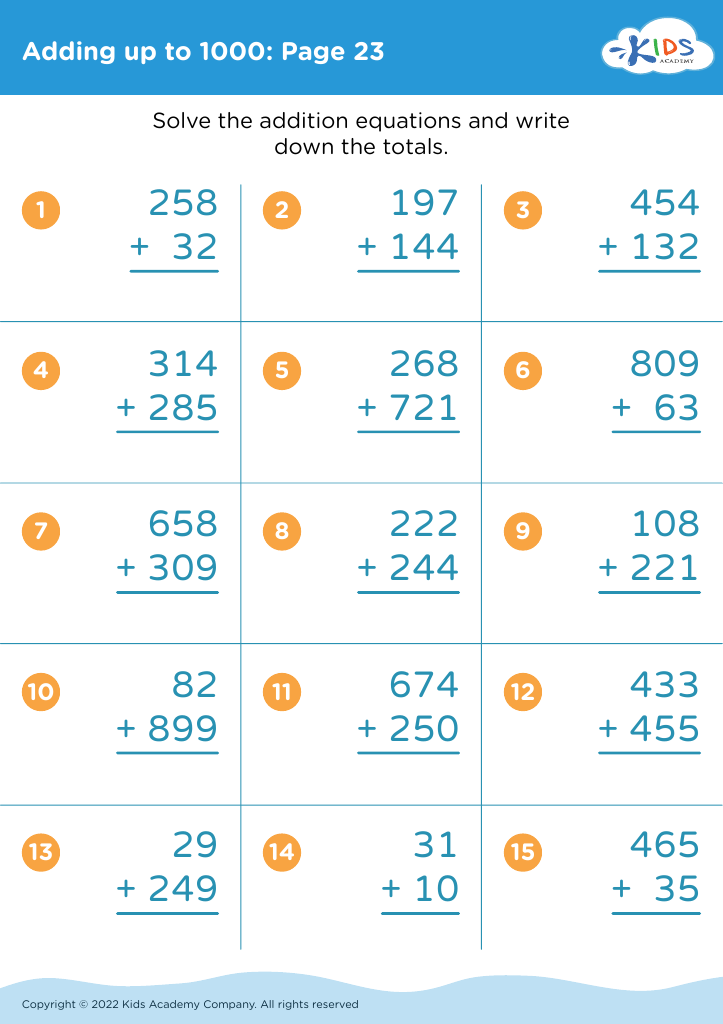
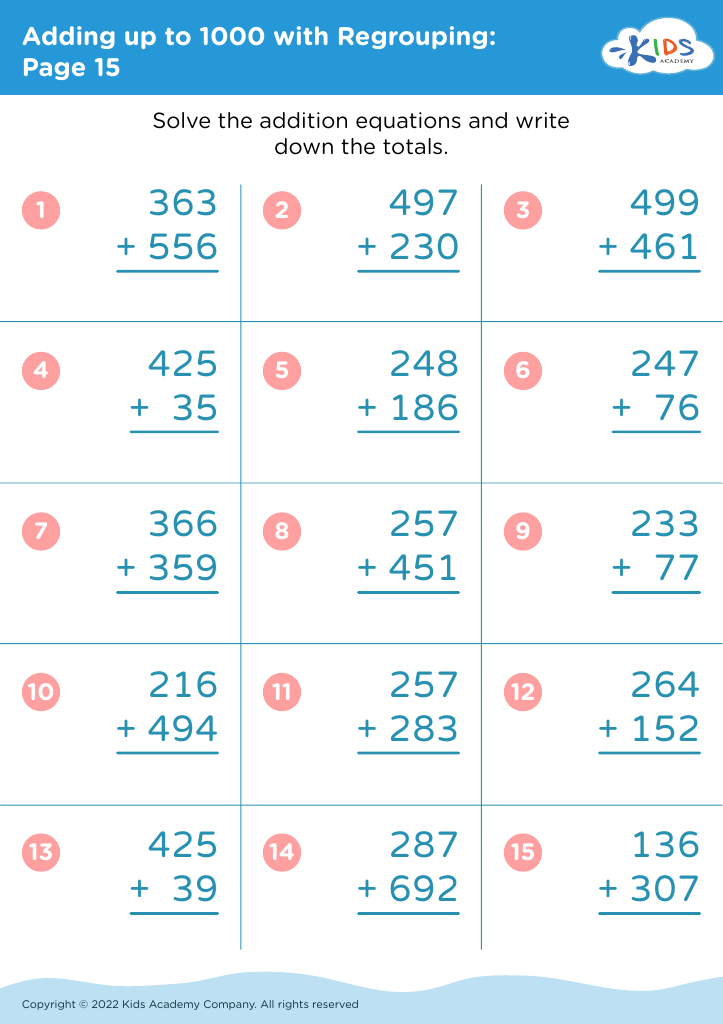
Enhance your child's mathematical skills with our engaging Reading Analog Clocks Addition & Subtraction Worksheets, designed specifically for ages 7-9. These worksheets not only help young learners practice fundamental addition and subtraction concepts but also improve their ability to read analog clocks. Featuring colorful illustrations and interactive exercises, each activity promotes critical thinking and boosts confidence in math. Your child will enjoy solving problems related to time while reinforcing their arithmetic skills in a fun, hands-on way. Whether at home or in the classroom, these worksheets are an excellent resource to turn learning into an enjoyable experience!








Reading analog clocks and mastering addition and subtraction are foundational skills for children ages 7-9, enriching their cognitive development and everyday functionality. Understanding analog clocks fosters temporal awareness, enabling kids to grasp the concept of time in a practical context. This skill promotes punctuality, responsibility, and independence, as children learn to manage their schedules effectively.
Simultaneously, addition and subtraction are crucial for developing mathematical proficiency. At this age, children begin to move from concrete arithmetic to more abstract concepts, and a solid grasp of these operations underpins future learning in mathematics and problem-solving.
Integrating clock reading with addition and subtraction also reinforces critical thinking and relational understanding. For example, children can solve problems by calculating durations or time intervals, reinforcing their numeracy skills through real-life scenarios. This holistic approach cultivates not only academic skills but also a sense of agency and confidence in navigating daily tasks.
Parents and teachers play a vital role in supporting this learning. By incorporating activities that blend these concepts, they can create engaging, meaningful challenges that inspire curiosity and a love for learning, ensuring well-rounded development and a strong foundation for future academic success.








