Shape identification Addition & Subtraction Worksheets for Ages 7-9
13 filtered results
-
From - To
Discover our "Shape Identification Addition & Subtraction Worksheets" designed for ages 7-9 to blend math proficiency with fun geometry activities. These engaging worksheets help children master addition and subtraction while learning to identify and classify shapes. Ideal for reinforcing key math concepts, our printable worksheets provide a variety of tasks that stimulate critical thinking. Teachers and parents can effortlessly integrate these resources into their lesson plans, ensuring kids build a strong mathematical foundation while enjoying interactive and educationally rich activities. Explore now to boost your child's spatial awareness and numerical skills simultaneously!
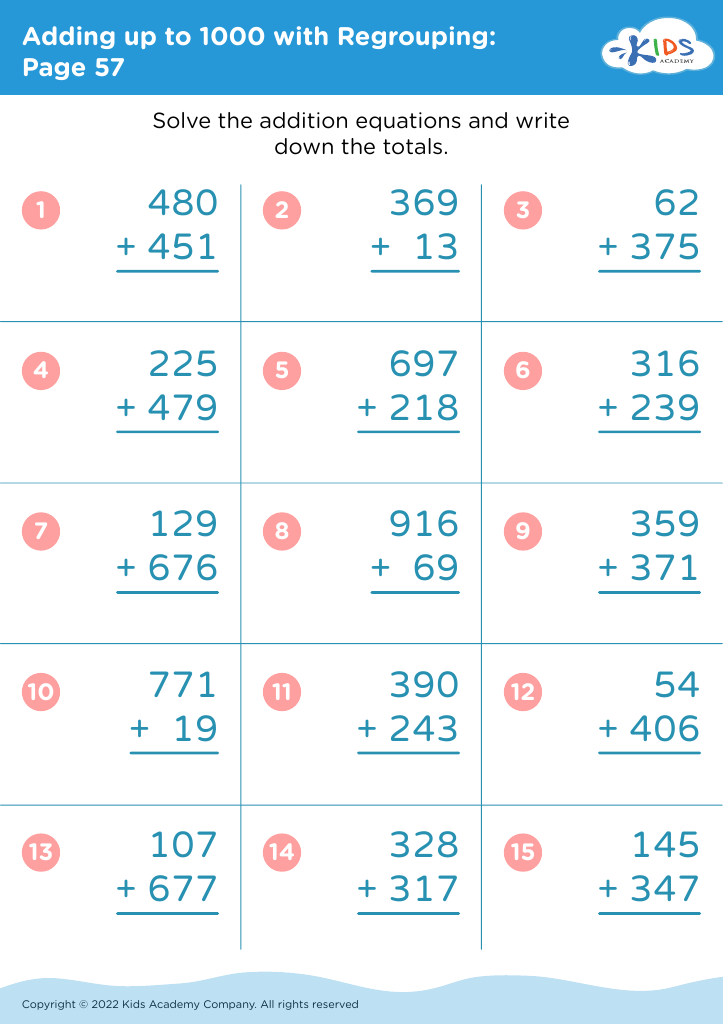
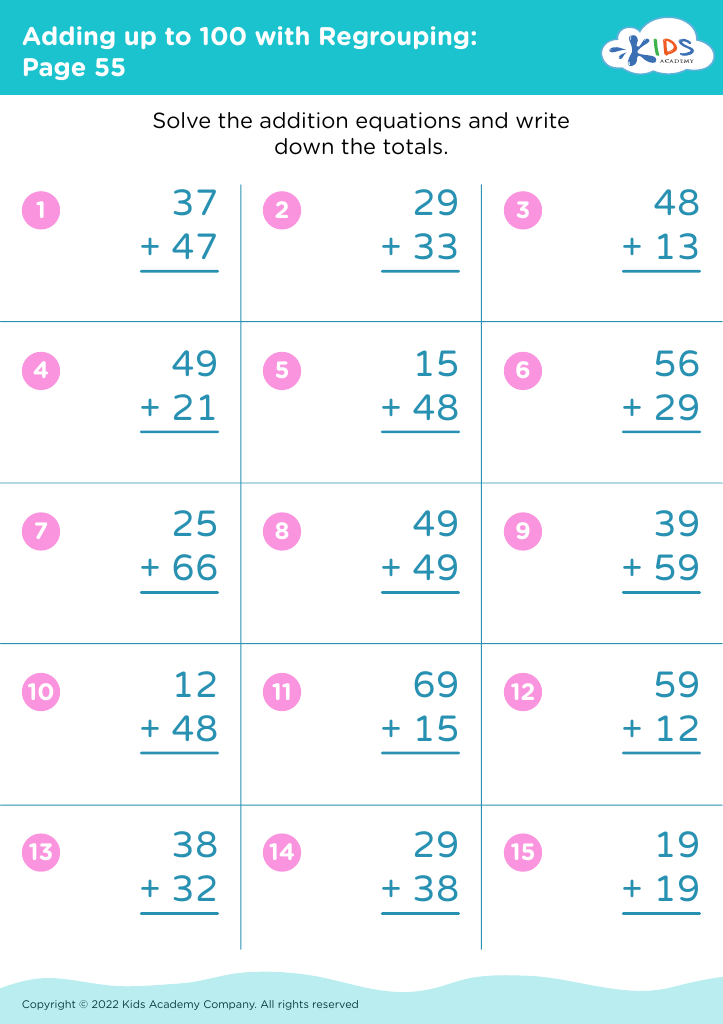
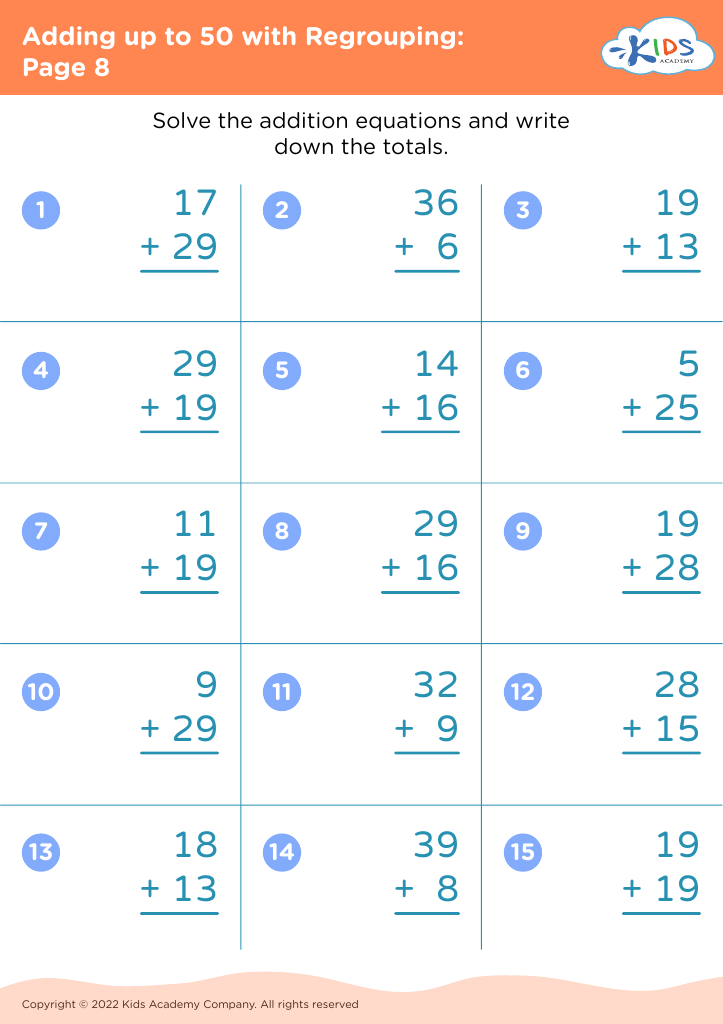
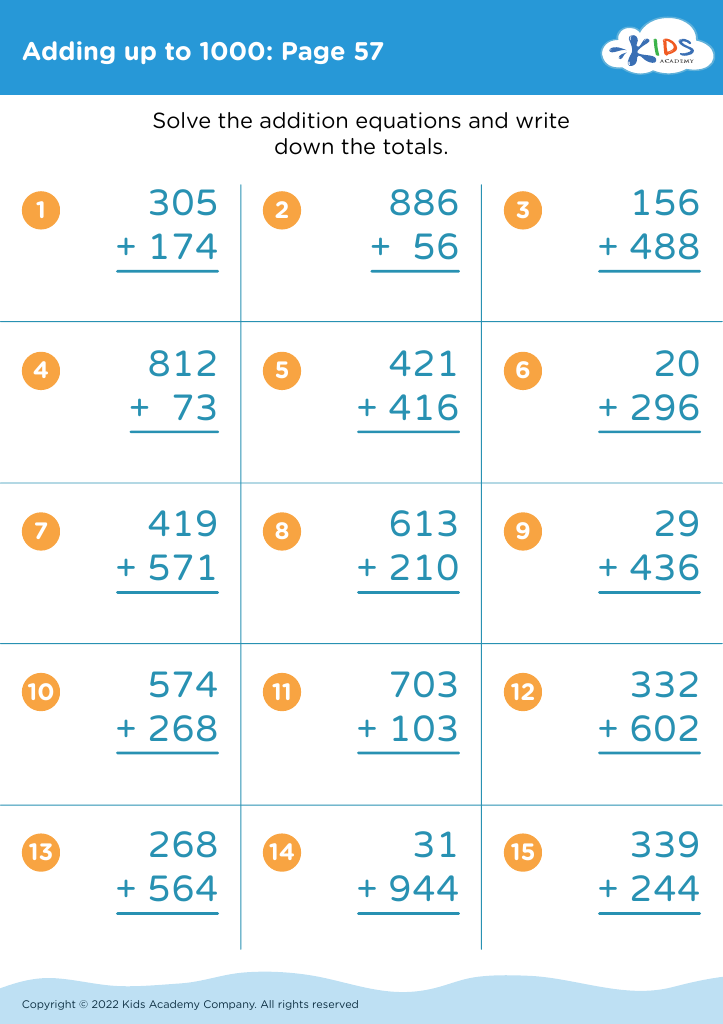
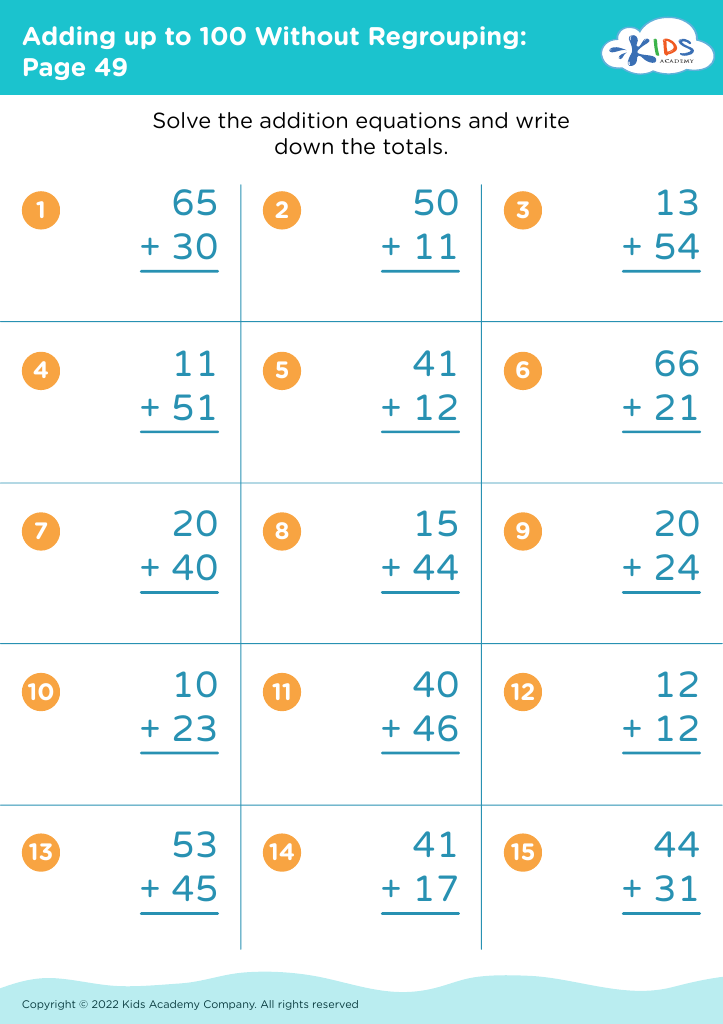
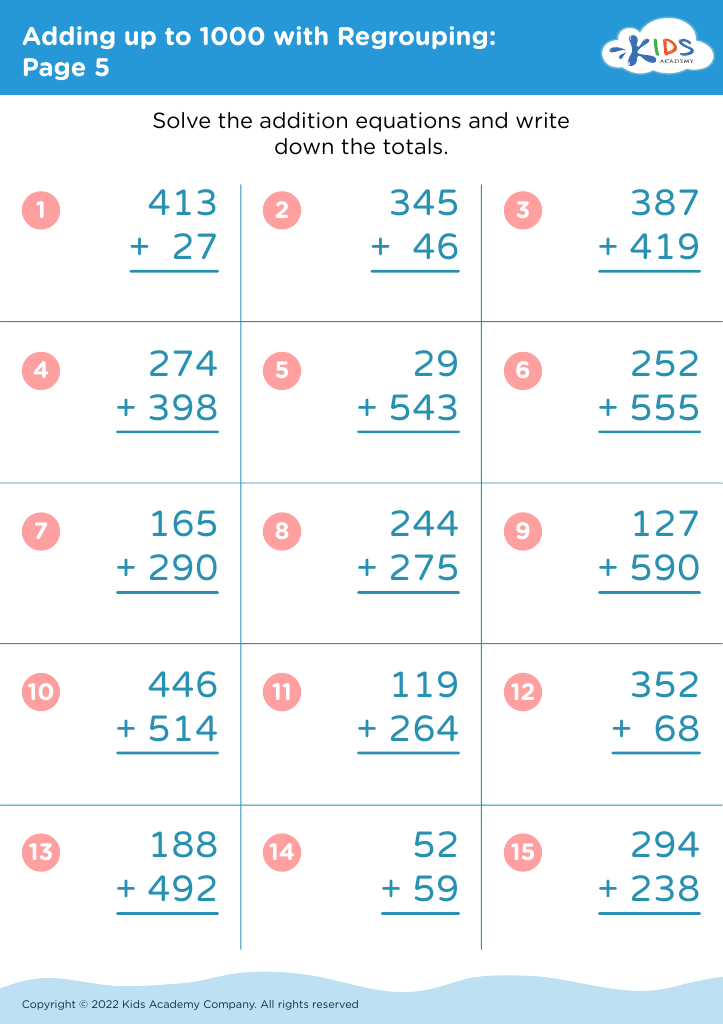
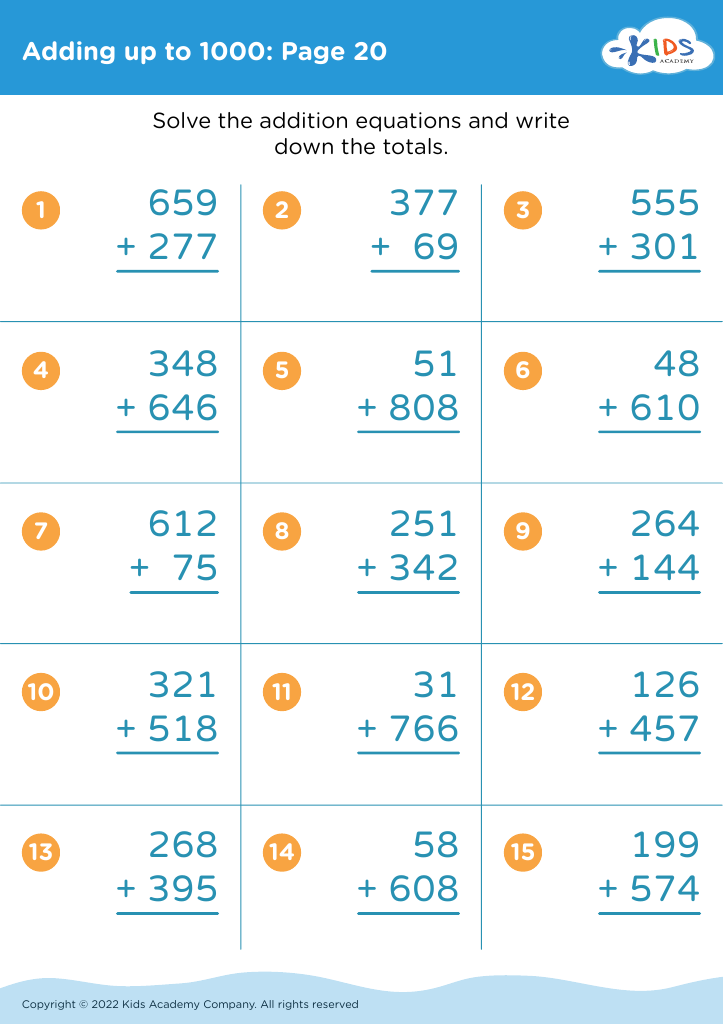
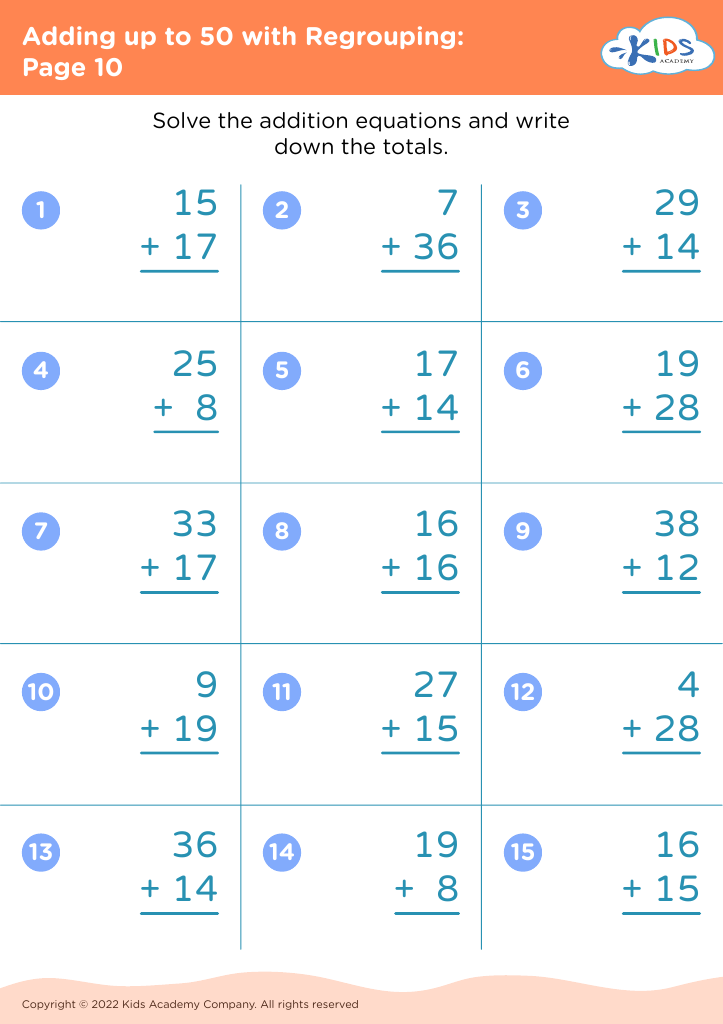
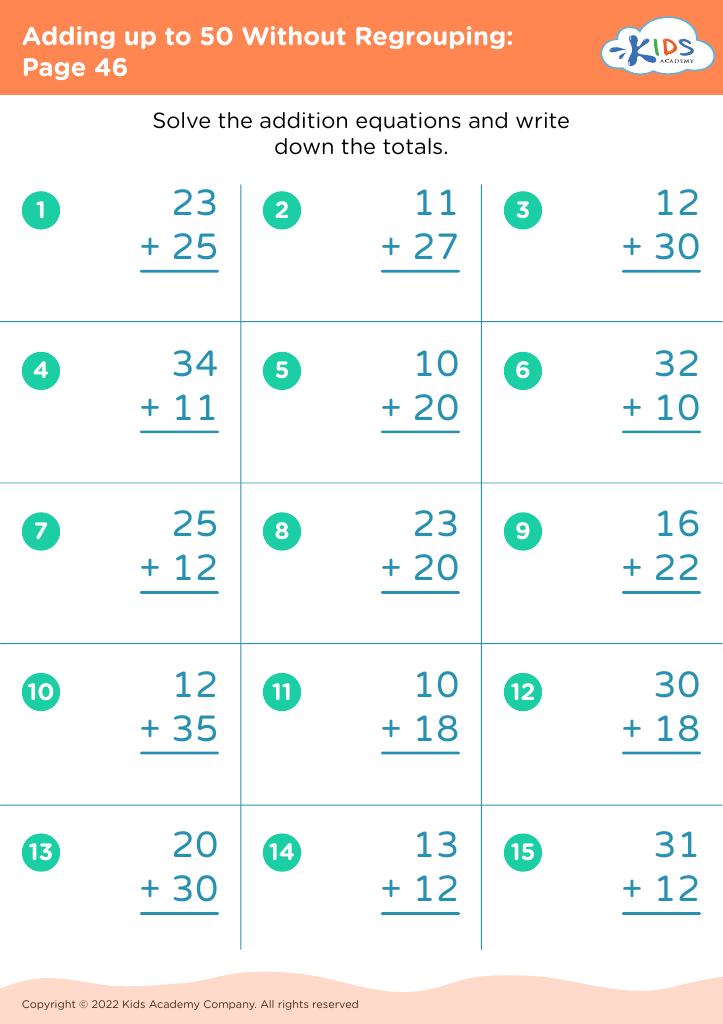
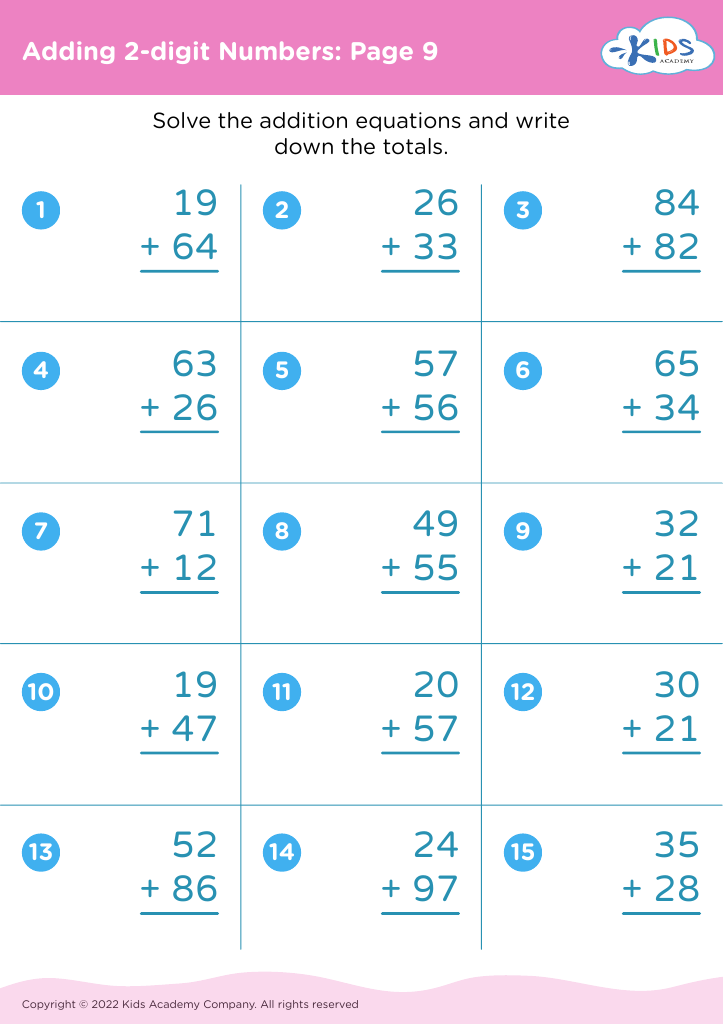
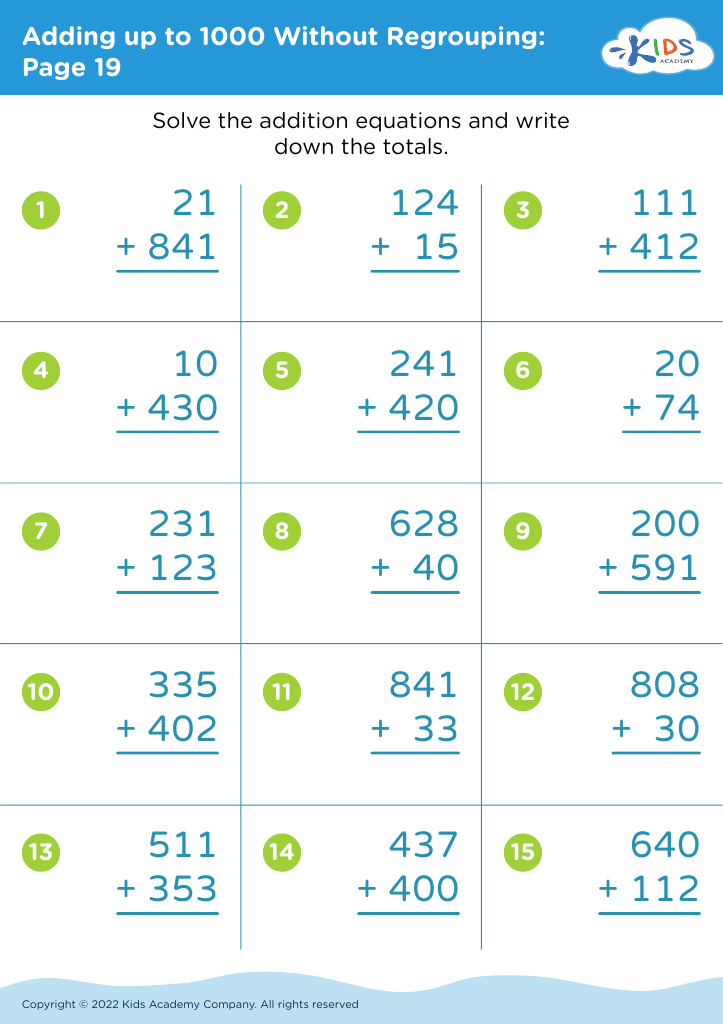
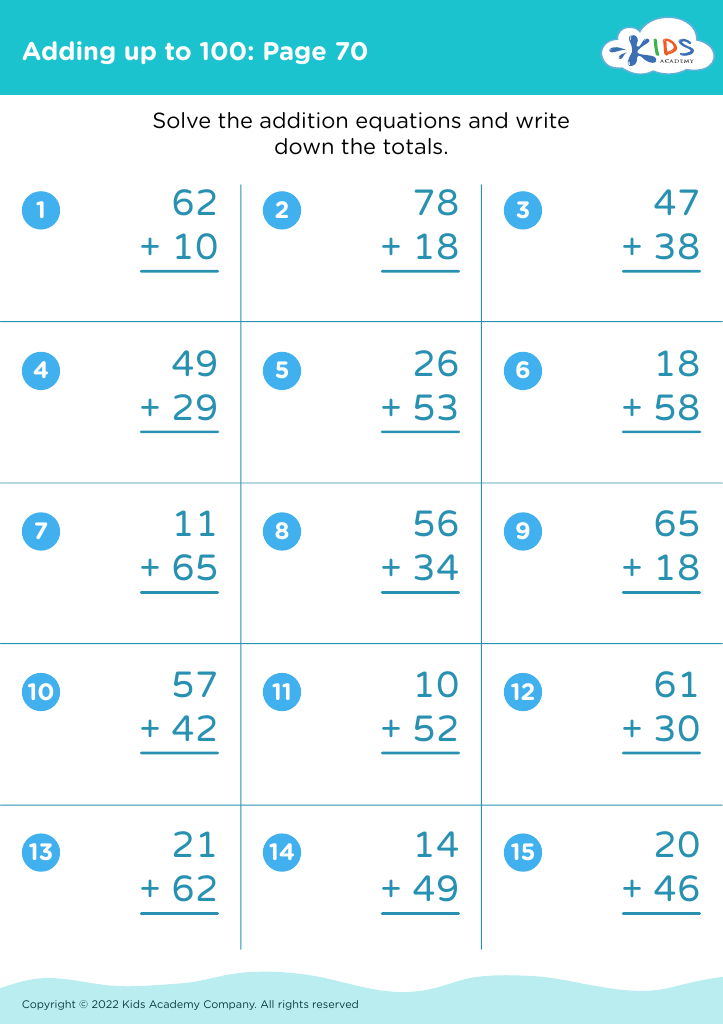
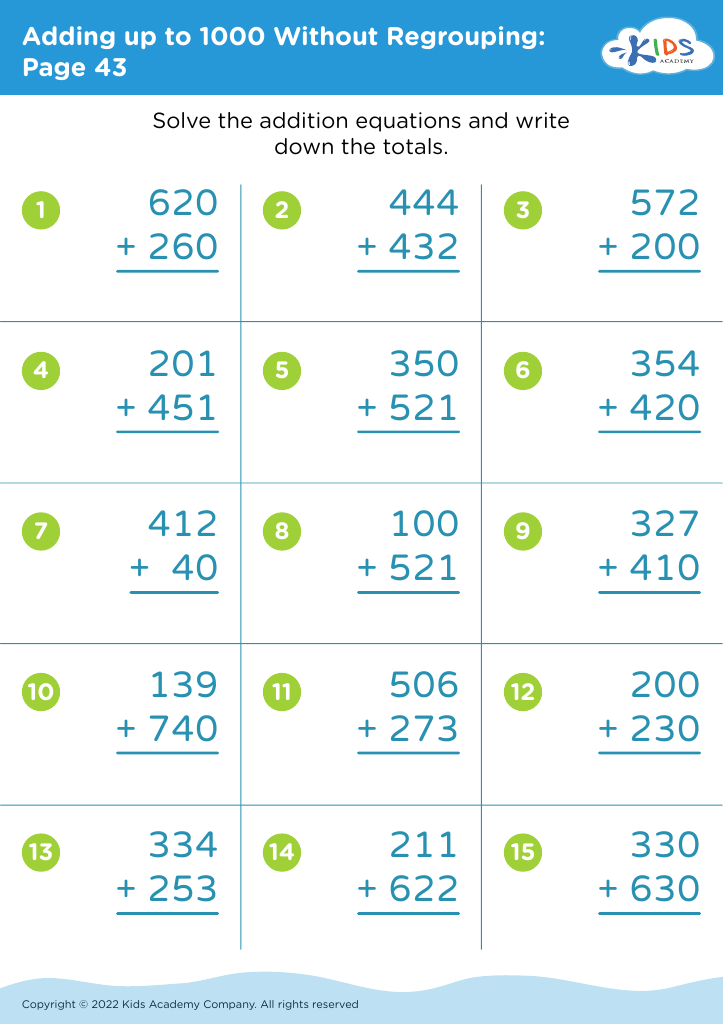








Parents and teachers should prioritize shape identification and basic arithmetic skills such as addition and subtraction for children between the ages of 7 and 9 because these foundational concepts are critical for their overall cognitive development and academic success.
Understanding shapes helps children to develop spatial awareness and geometry skills. Knowing shapes allows them to recognize patterns, comprehend spatial relationships, and differentiate objects in their environment, which is essential for advanced mathematical concepts they will encounter later. Shapes are also building blocks for visual literacy; they help improve fine motor skills and hand-eye coordination when children engage in drawing or constructing objects.
Addition and subtraction are equally vital, serving as the cornerstones of arithmetic. These basic math operations teach children problem-solving skills and logical thinking, which are applicable to everyday situations, from calculating change to budgeting their allowance. At this developmental stage, mastering these skills builds their confidence and prepares them for more complex mathematical concepts, such as multiplication and division.
Neglecting these areas could result in gaps in a child’s education that can be challenging to overcome later. Both shape identification and arithmetic provide an essential framework for learning that supports not just mathematical proficiency but also critical thinking and analytical skills across various subjects. For these reasons, parents and teachers should give focused attention and targeted instruction in these areas.








