Enhance fine motor skills Addition Worksheets for Ages 7-9
3 filtered results
-
From - To
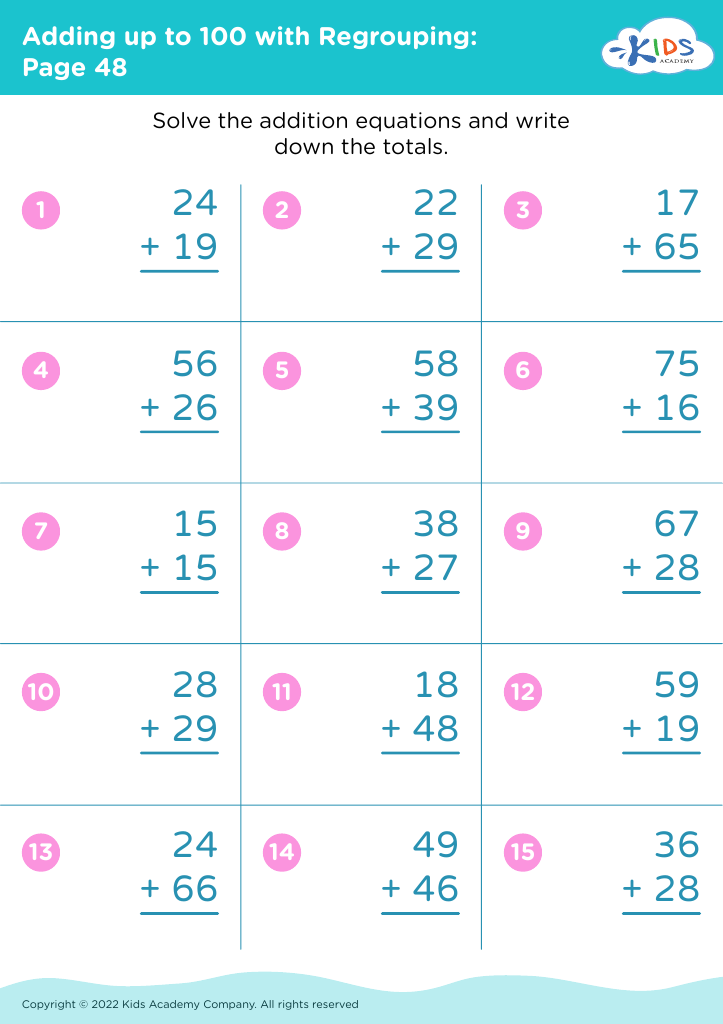
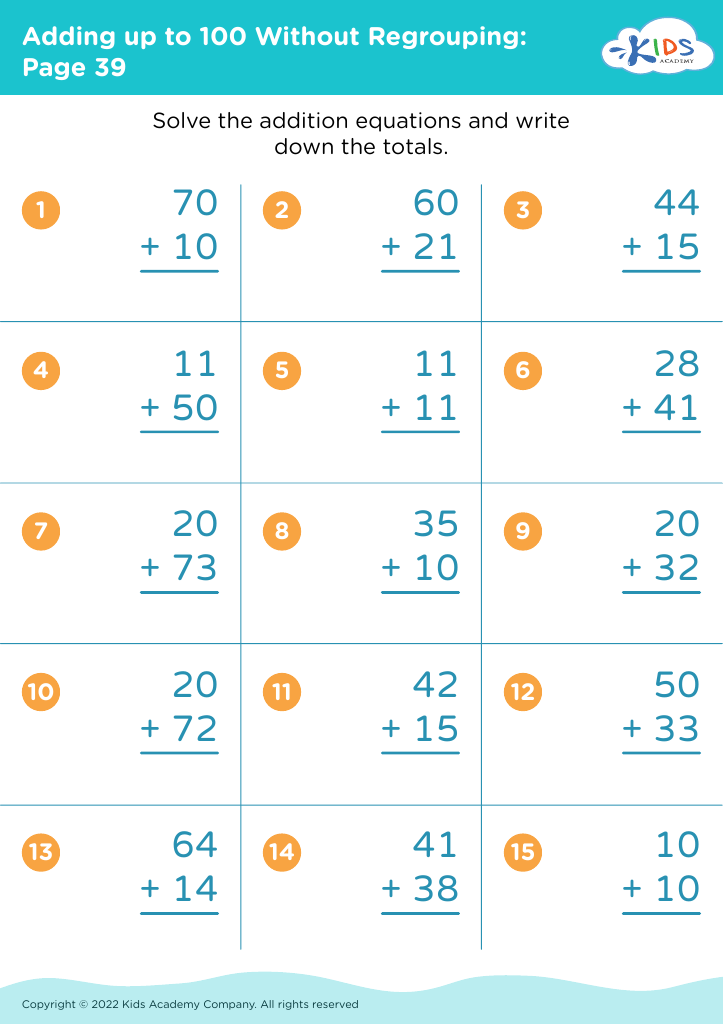
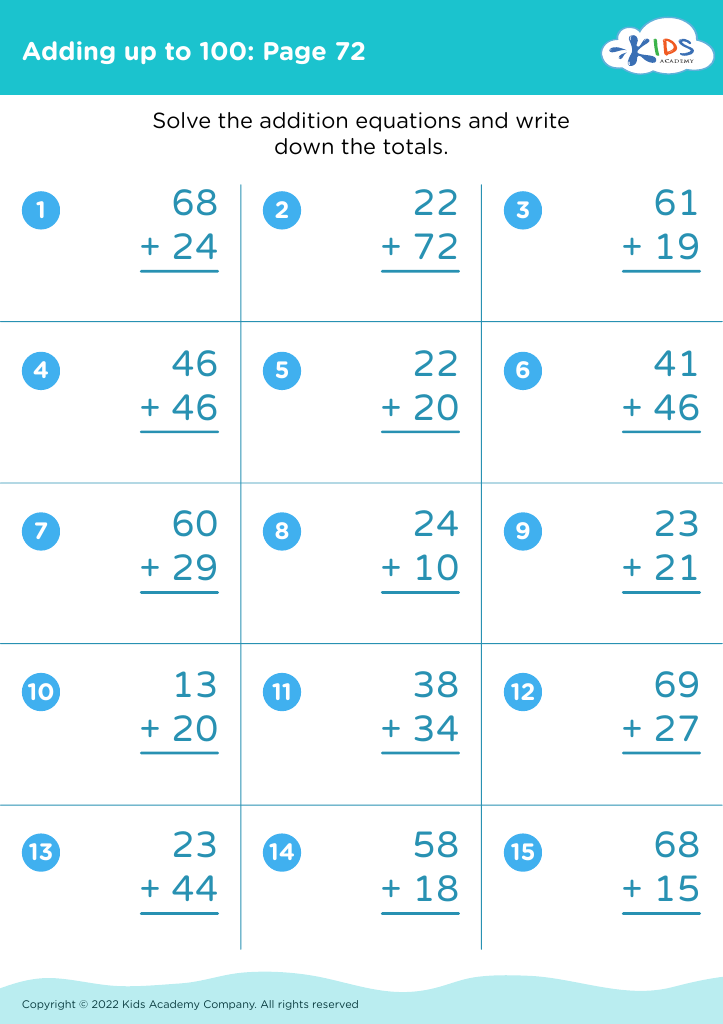
Discover our engaging Enhancing Fine Motor Skills Addition Worksheets designed for children ages 7-9! These fun and educational worksheets blend essential math practice with activities that help refine fine motor skills. Perfect for improving pen grip, hand-eye coordination, and pencil control, our addition worksheets encourage young learners to build confidence in their math abilities while developing crucial motor skills. With a variety of exercises, your child will solve addition problems, trace numbers, and complete fun puzzles, all while enjoying the learning process. Equip your student with the tools for success—download these free worksheets today and support their growth in both math and motor skills!








Enhancing fine motor skills in children ages 7 to 9 is crucial for their overall development and success in academic and everyday tasks. At this age, children are engaging in more complex activities that require precision and control, such as writing, drawing, and manipulating small objects. Strong fine motor skills contribute to better handwriting, improved coordination, and increased confidence in completing tasks independently.
Moreover, fine motor development is linked to cognitive skills. Activities that strengthen these skills can enhance problem-solving abilities, focus, and creativity. For example, tasks that involve crafting, building with blocks, or even learning how to use scissors require children to practice hand-eye coordination and precision, which in turn reinforces their learning capacities.
Parents and teachers play a pivotal role in providing opportunities for children to strengthen these skills. By incorporating engaging, hands-on activities into their daily routines—such as cooking, gardening, or arts and crafts—they can foster an environment that encourages growth and development. Ultimately, by prioritizing fine motor skill enhancement, caregivers will equip children with essential tools for lifelong learning and independence, paving the way for future academic success and personal confidence.








