
Spelling practice Addition Worksheets for Ages 7-9
4 filtered results
Difficulty Level
Grade
Age
-
From - To
Subject
Activity
Standards
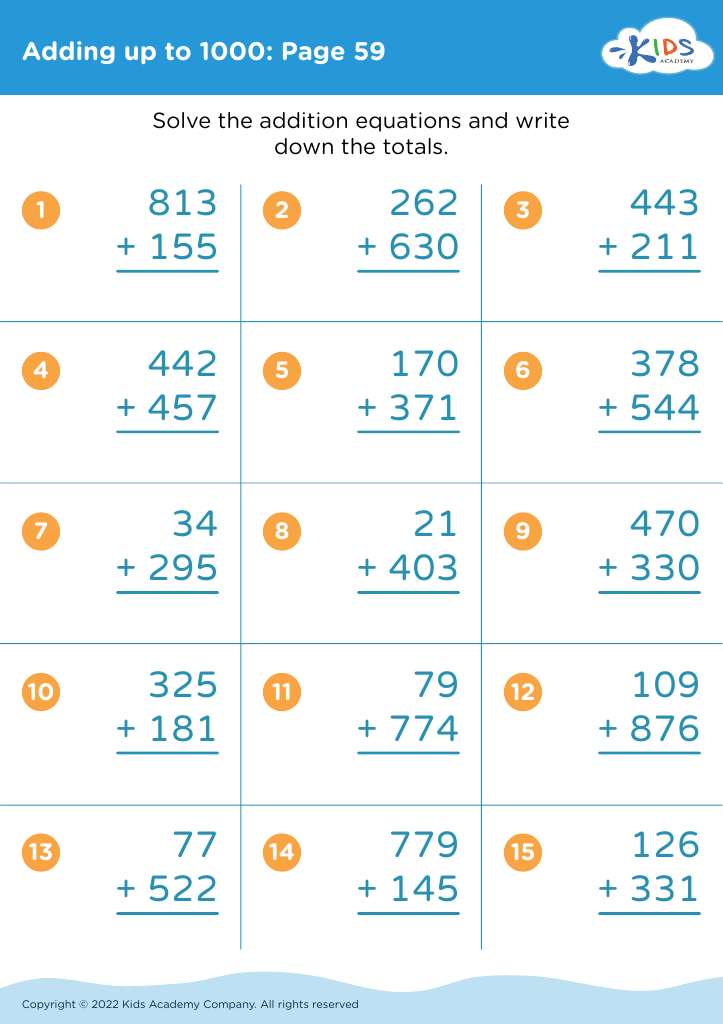
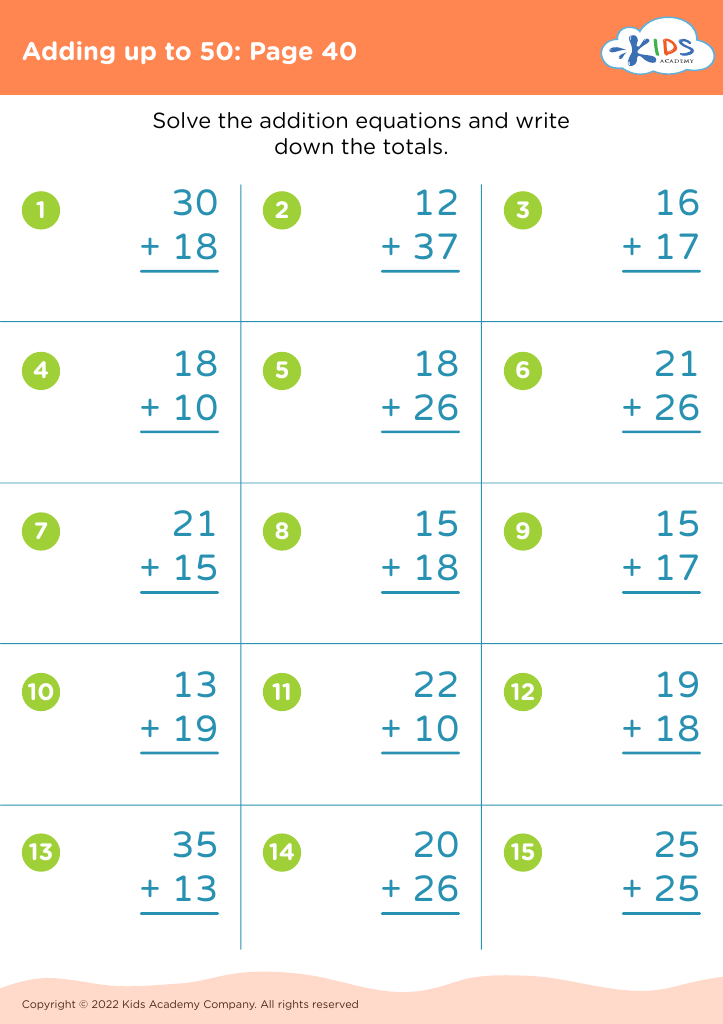
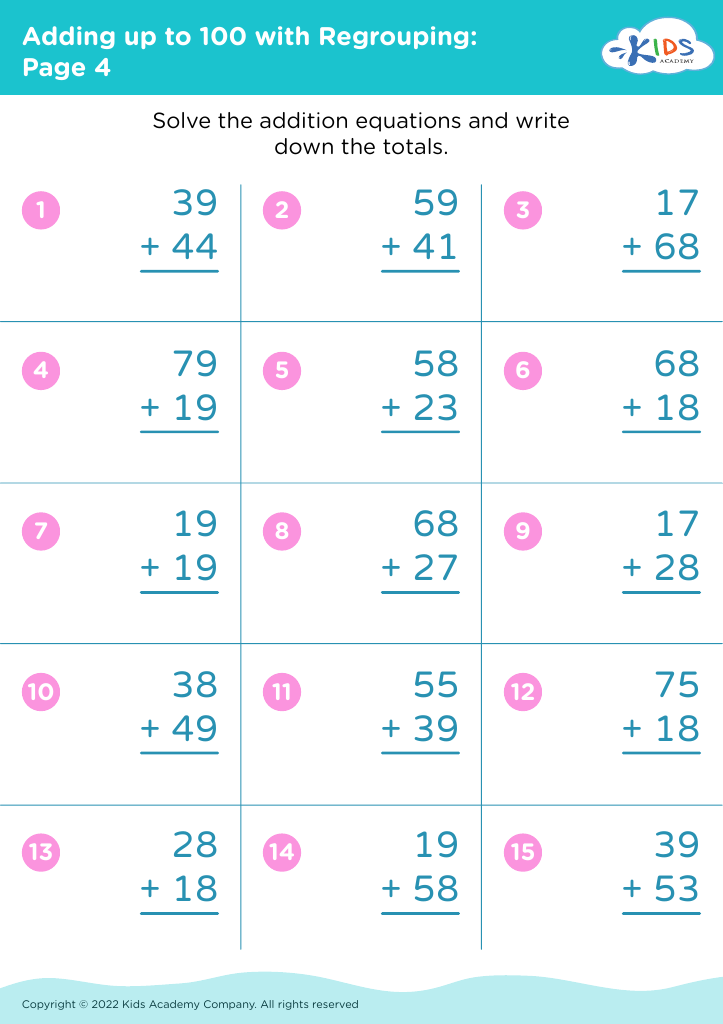
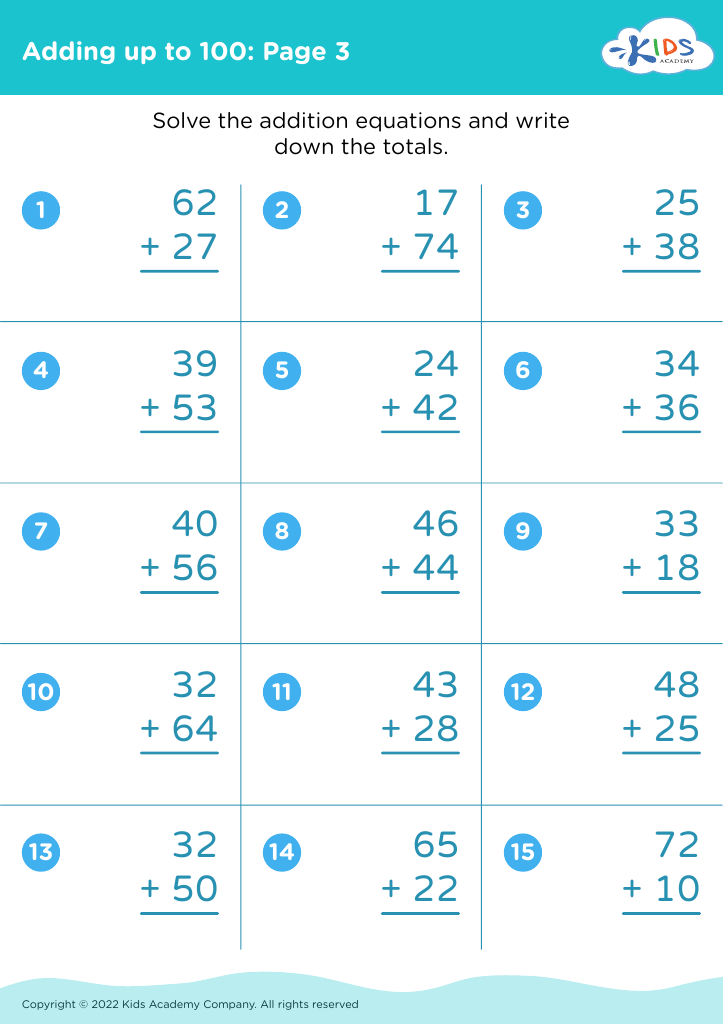
Enhance your child's learning experience with our Spelling Practice Addition Worksheets designed for ages 7-9. These engaging worksheets combine essential spelling skills with fun addition exercises, keeping your young learners motivated and excited. Each worksheet features age-appropriate vocabulary, interactive math problems, and creative activities that promote critical thinking. Perfect for use at home or in the classroom, our resources help reinforce fundamental concepts while making learning enjoyable. With clear instructions and vibrant illustrations, your child will master both spelling and math skills in no time. Visit our website to explore a variety of worksheets tailored to boost your child’s confidence and academic success!
Favorites
With answer key
Interactive
Join Kids Academy for Free
Who is primarily going to use this learning content?








Spelling practice is crucial for children aged 7-9 as it lays the foundation for their literacy skills, communication, and overall academic success. At this age, children are transitioning from learning to read to reading to learn. Mastery of spelling enhances their reading comprehension and writing abilities, enabling them to express their ideas clearly and confidently.
Incorporating spelling practice helps reinforce phonemic awareness and vocabulary development, aiding in better pronunciation and understanding of words. As children learn to spell, they become more aware of word structures and patterns, which enhances their ability to decode and comprehend text.
Spelling also fosters discipline and responsibility. By regularly practicing spelling, children develop strong study habits and a growth mindset, learning that persistence leads to improvement. Teachers and parents should prioritize spelling practice, as it supports literacy development while also promoting cognitive skills like memory and attention to detail.
Moreover, effective spelling skills are essential for success beyond the classroom, impacting areas such as standardized testing and future written communication in the workforce. Therefore, nurturing spelling practice in children not only contributes to their immediate academic achievements but also prepares them for long-term success in life.








