Develop analytical thinking Math Worksheets for Ages 7-9
3 filtered results
-
From - To
Enhance your child's analytical thinking skills with our engaging math worksheets designed for ages 7-9! Our collection offers a variety of purposeful activities that promote critical reasoning and problem-solving abilities. Each worksheet includes fun math challenges that encourage students to analyze patterns, decipher data, and develop logical thinking. Complementing core mathematical concepts, these resources aim to make learning enjoyable while building essential analytical skills needed for academic success. Perfect for both classroom instruction and at-home practice, our worksheets will inspire creativity and cognitive development. Explore our thoughtfully crafted materials today and watch your child's confidence in math soar!
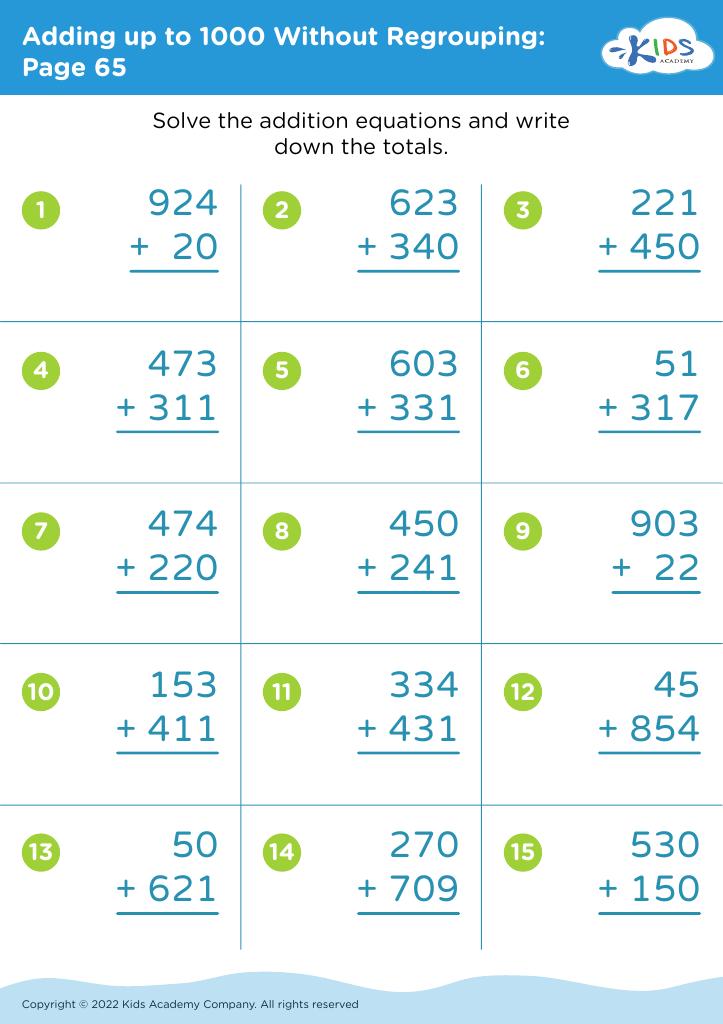
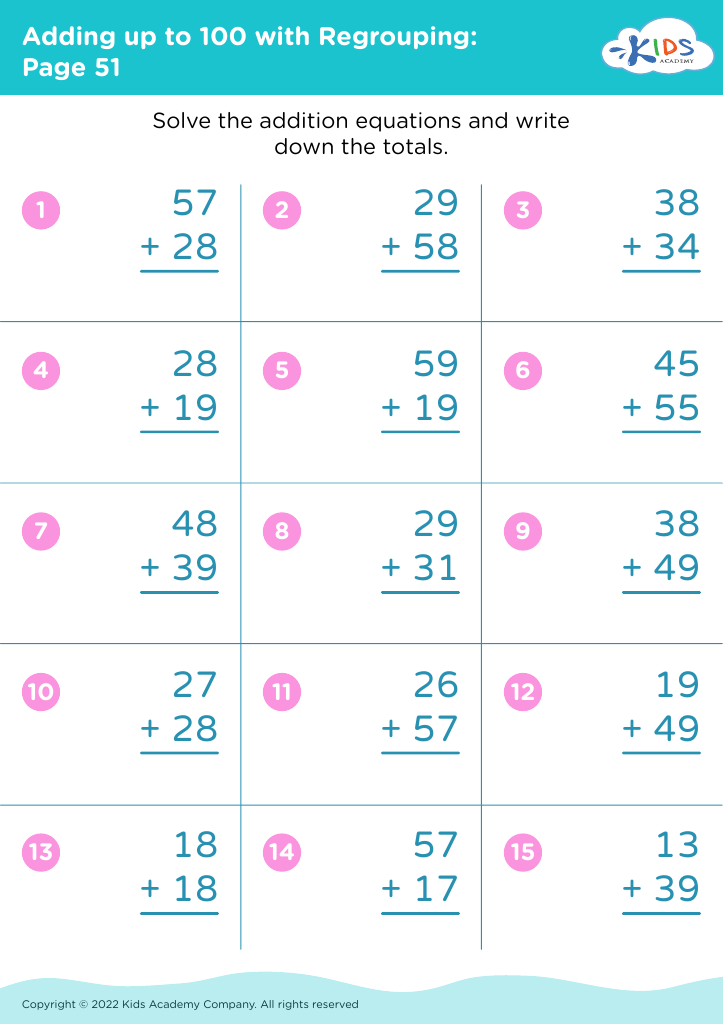
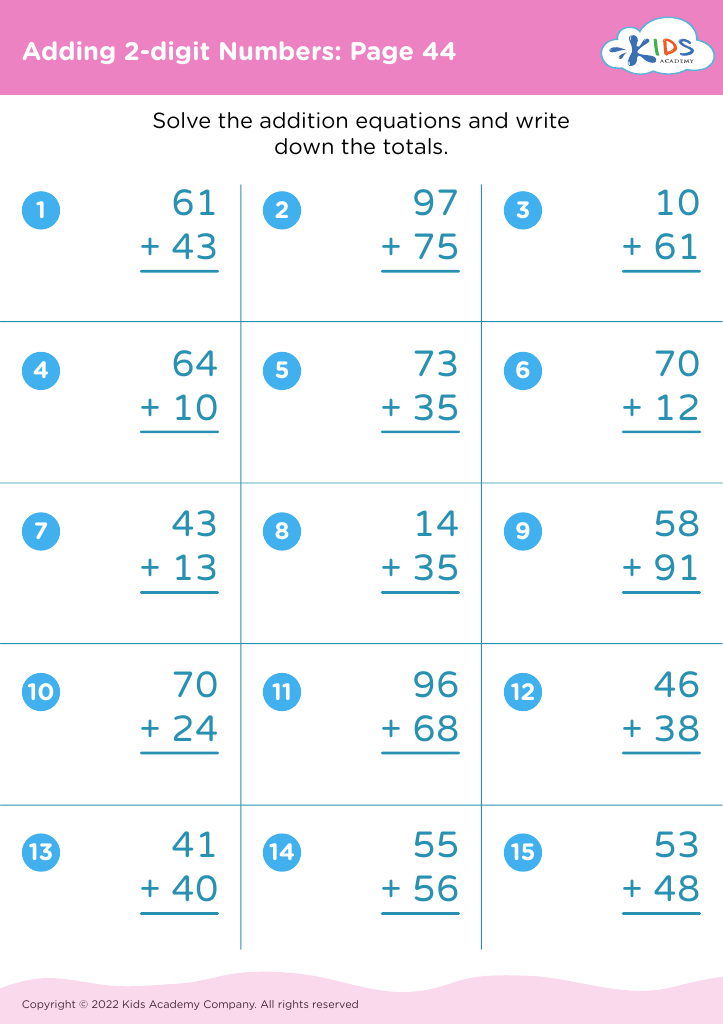








Analytical thinking in mathematics is crucial for children aged 7-9 as it lays the foundational skills they need for problem-solving and critical thinking. At this stage, kids are transitioning from basic operations to more complex mathematical concepts, and fostering analytical skills helps them understand relationships between numbers, patterns, and shapes.
When parents and teachers prioritize the development of these skills, children learn to approach problems systematically, allowing them to deconstruct complex tasks into manageable parts. This not only empowers them in math but also equips them with a toolkit applicable in everyday life, from making decisions to pursuing future educational opportunities.
Moreover, cultivating analytical thinking promotes a growth mindset. Children become more resilient, viewing challenges as opportunities to learn rather than obstacles. Engaging in activities that enhance these skills—like puzzles, games, and real-life math applications—encourages curiosity and exploration.
Investing time and resources in developing analytical thinking during this transformative period develops a strong mathematical foundation. Early proficiency can lead to increased confidence which often translates into greater academic success later on. Therefore, both parents and teachers must work together to make analytical thinking in math a priority for children.








