Enhance Vocabulary Math Worksheets for Ages 7-9
4 filtered results
-
From - To
Discover our "Enhance Vocabulary Math Worksheets" designed for children ages 7-9! These engaging worksheets blend math and language skills, helping young learners expand their vocabulary while mastering essential math concepts. Each activity is crafted to promote critical thinking and improve word recognition in mathematical contexts, making learning enjoyable and effective. Perfect for at-home practice or classroom use, our resources encourage students to explore new vocabulary while solving relevant math problems. Empower your child's learning journey with fun, educational worksheets that foster both literacy and numeracy skills. Start building a strong foundation for future academic success today!
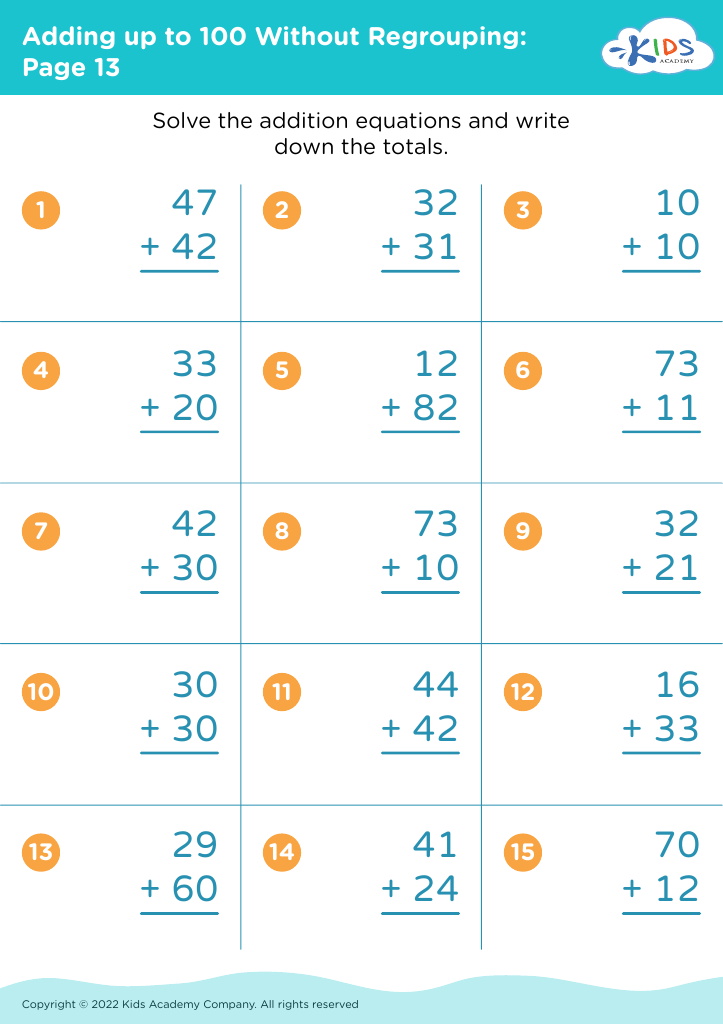
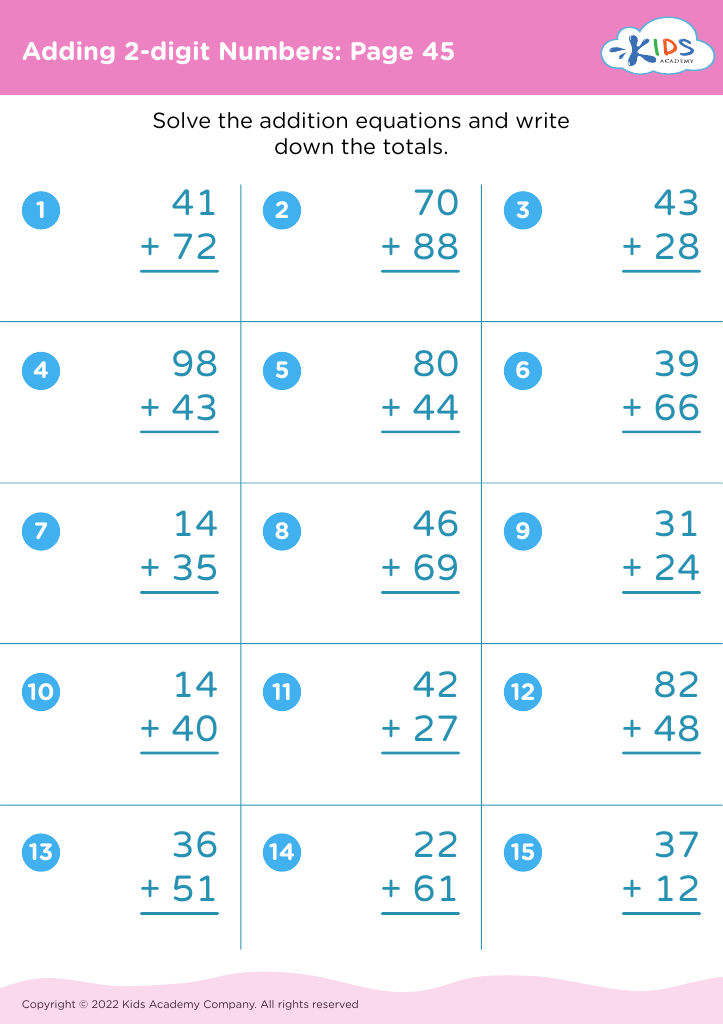
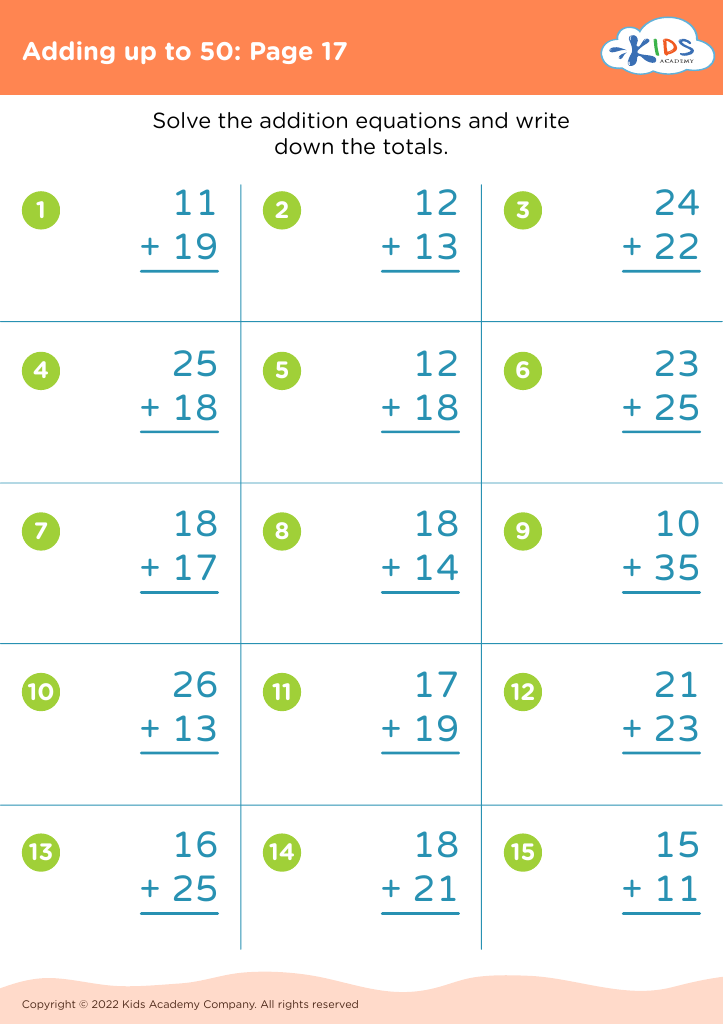
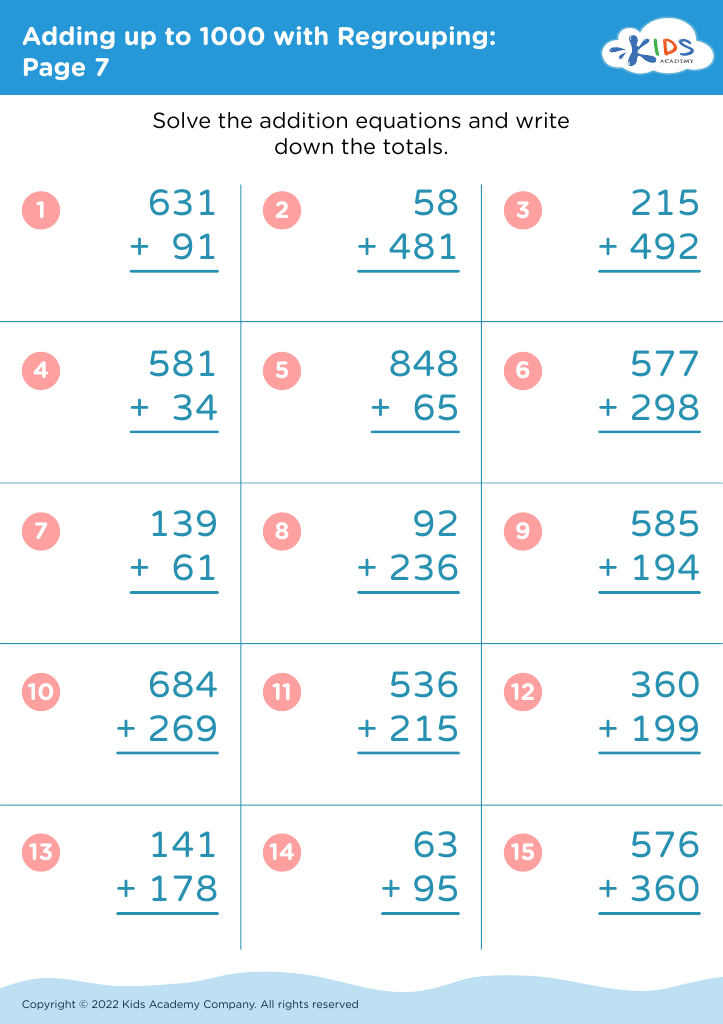







Enhancing vocabulary in math for children aged 7-9 is crucial for their overall educational development. At this age, students are often introduced to more complex mathematical concepts, which require not only computational skills but also a strong understanding of the terminology associated with these concepts. Parents and teachers should care about improving vocabulary in this area because it directly impacts a child’s ability to comprehend mathematical instructions, solve problems effectively, and engage in discussions related to math.
A robust math vocabulary allows students to confidently express their understanding and reasoning, facilitating better engagement during lessons and encouraging collaboration with peers. By integrating math terminology into everyday conversation and classroom activities, educators can help students make meaningful connections and retain information more effectively.
Furthermore, a solid foundation in math vocabulary promotes critical thinking skills, as children learn to interpret and analyze problems more deeply. Encouraging this vocabulary enhancement also reduces math anxiety by building confidence in using mathematical language. Ultimately, fostering strong math vocabulary skills paves the way for academic success not just in math but across all subjects, as language skills are central to learning. By prioritizing this aspect of education, parents and teachers significantly contribute to a student's long-term academic journey.








