Improve reading skills Math Worksheets for Ages 7-9 - Page 2
31 filtered results
-
From - To
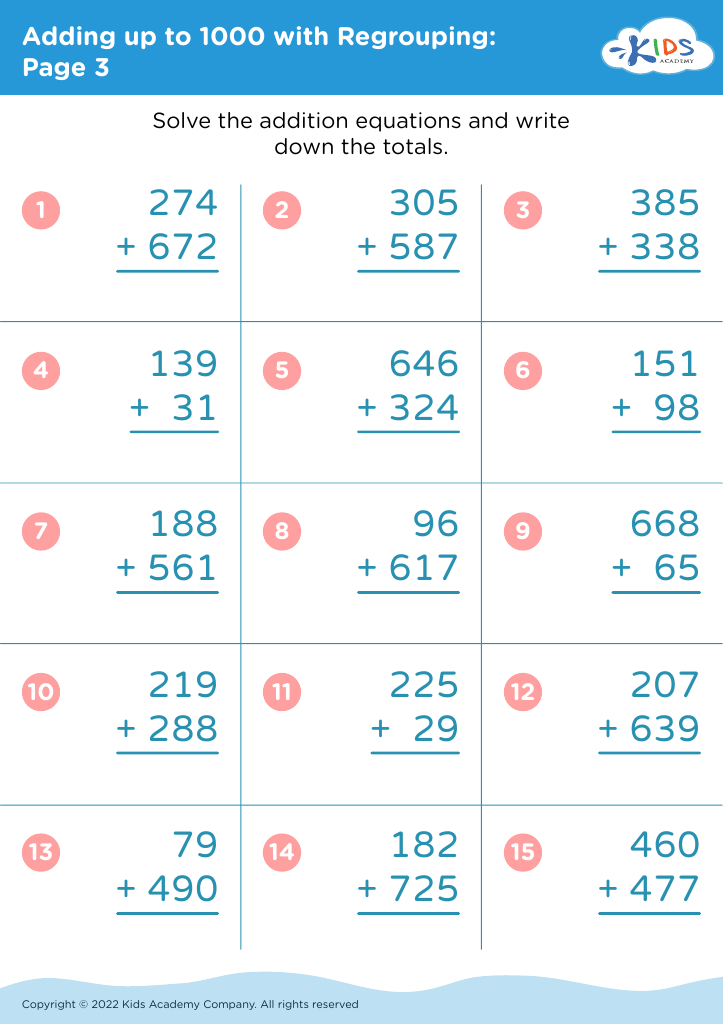
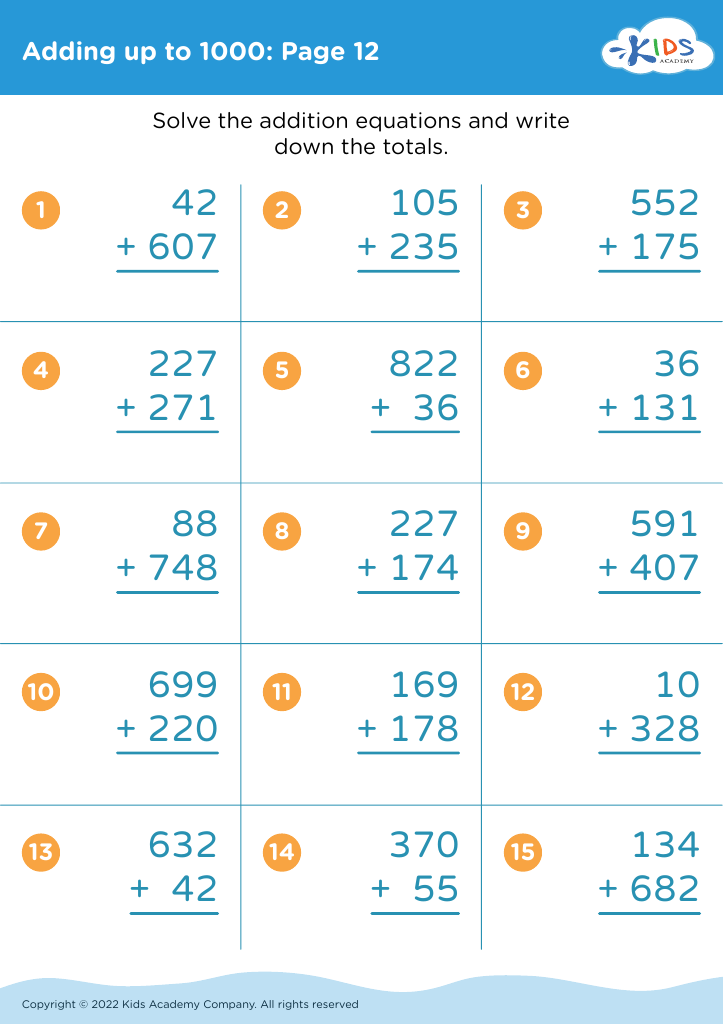
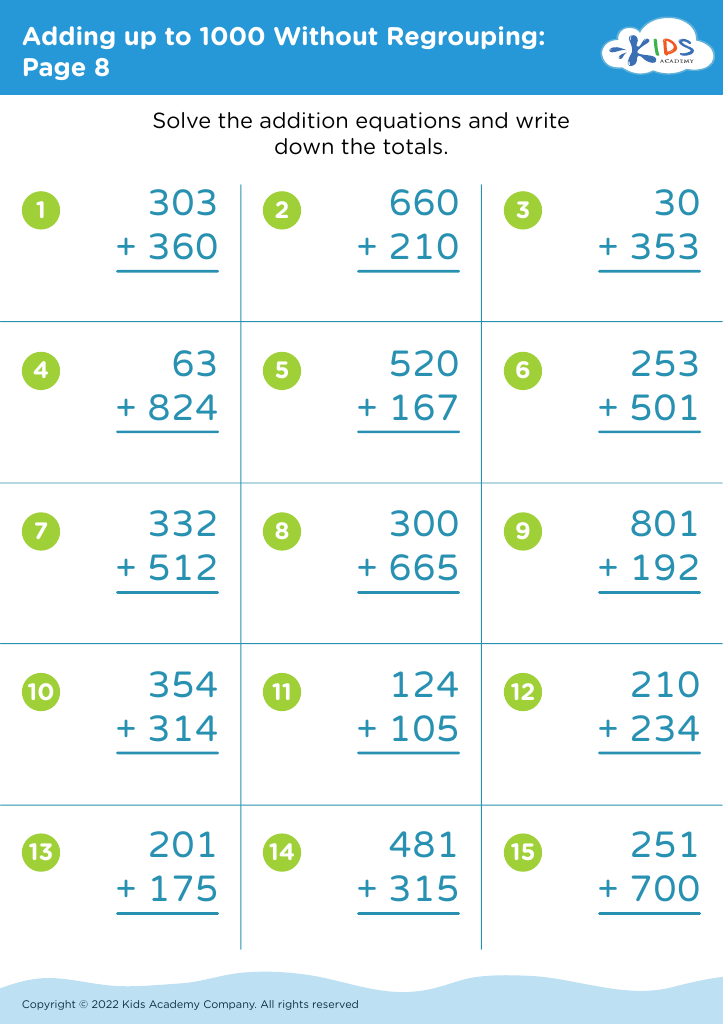
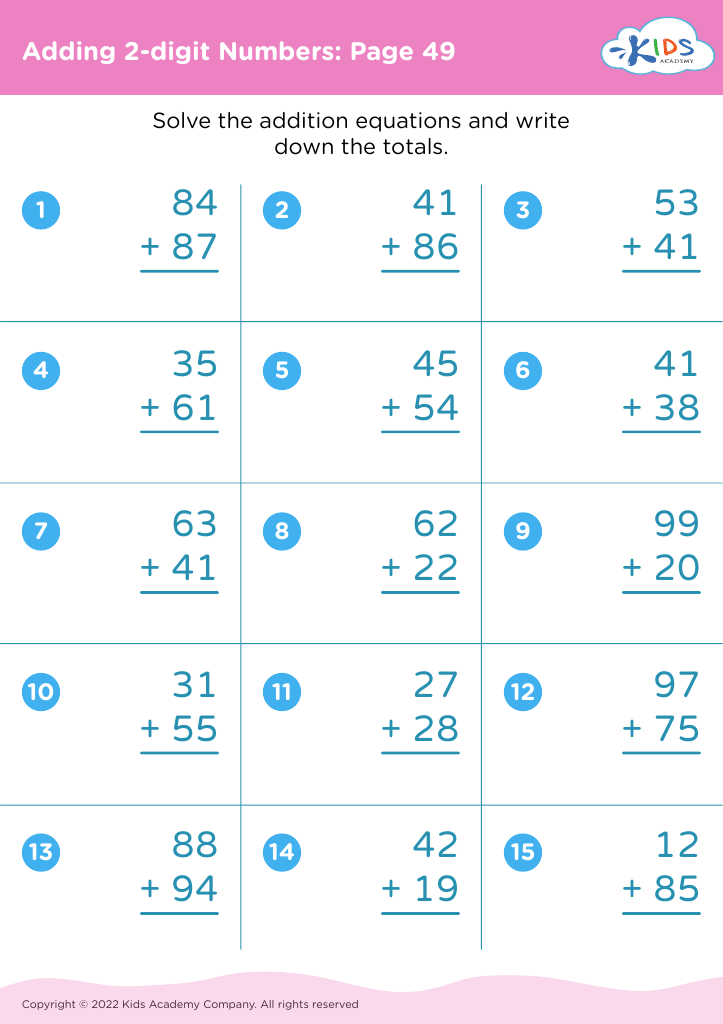
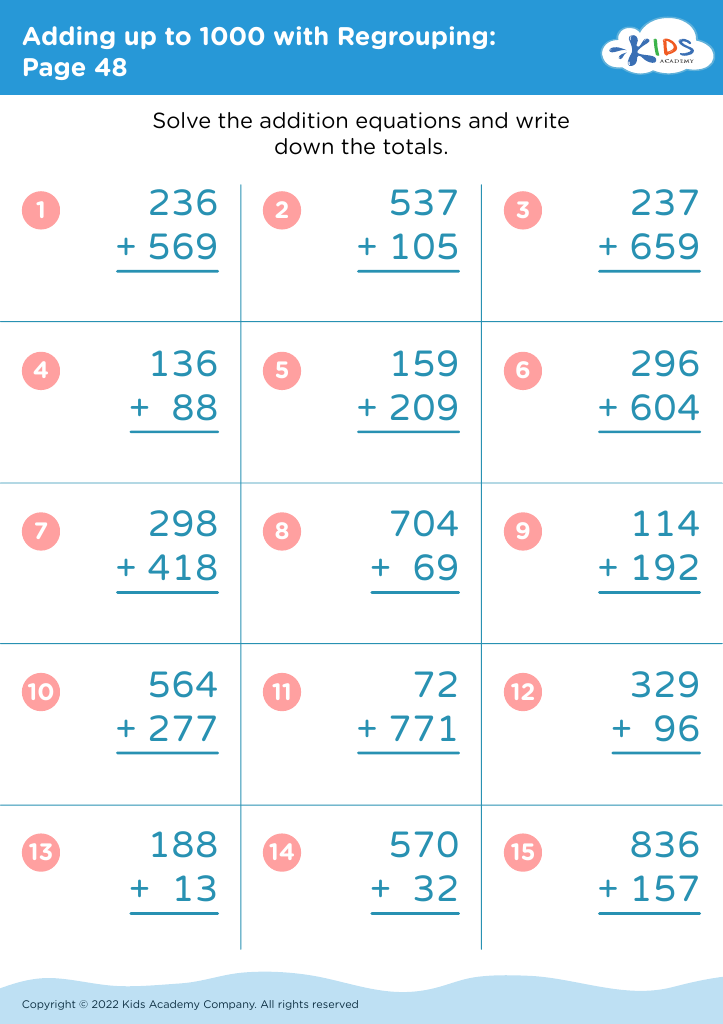
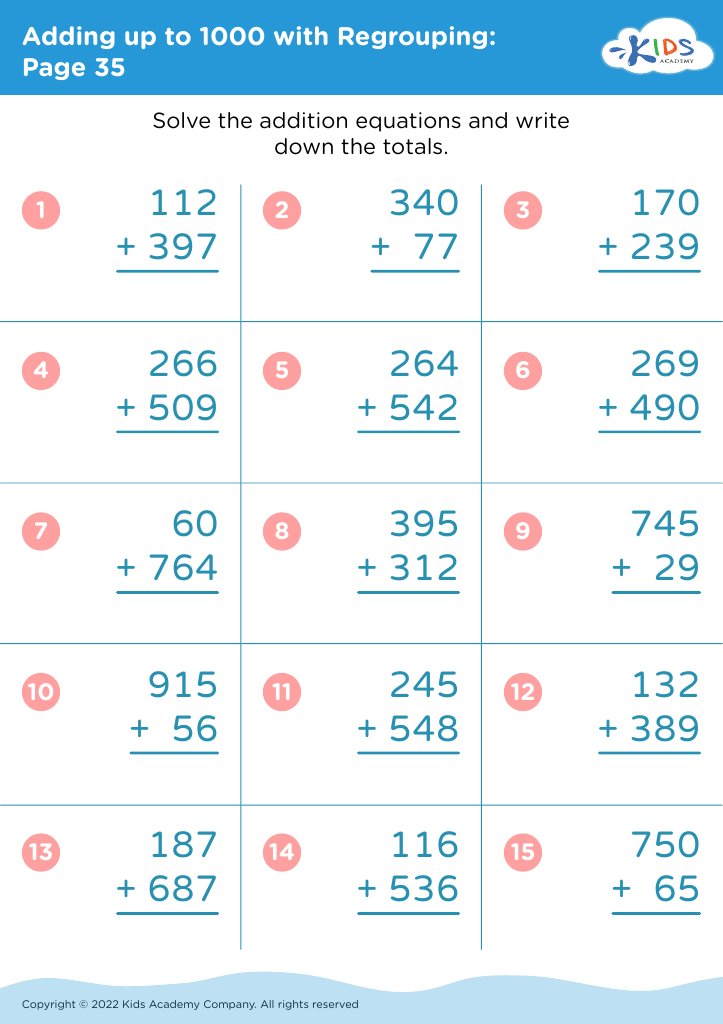
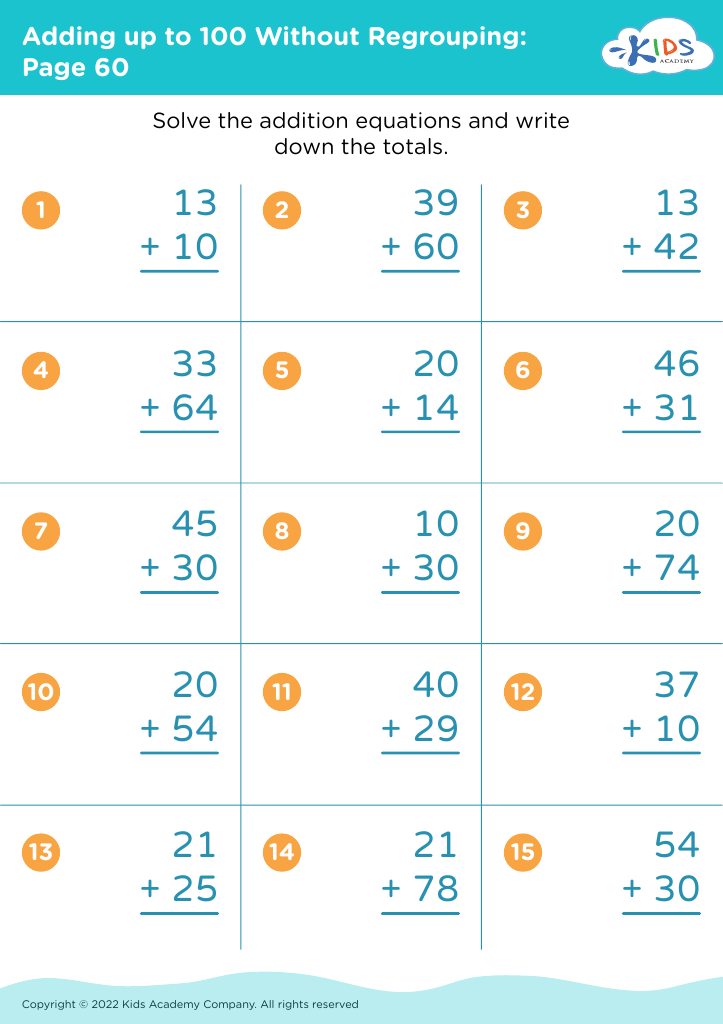








Parents and teachers should prioritize improving reading and math skills for children between the ages of 7 and 9 because these foundational abilities are crucial for their overall academic success and lifelong learning. At this age, children transition from "learning to read" to "reading to learn," which means proficiency in reading enables them to understand and absorb new information across all subjects. Likewise, math skills cultivated during these early years form the basis for more complex problem-solving and critical thinking tasks in higher education and daily life.
Enhanced reading skills contribute to better vocabulary, comprehension, and communication abilities, fostering a love for learning and increasing self-confidence. Concurrently, developing strong math skills at an early age helps children grasp essential concepts such as addition, subtraction, multiplication, and division, which are integral to both academic and real-world situations. Achieving competency in these areas early on reduces the risk of future learning gaps and ensures students are well-prepared for more challenging material in later grades.
Moreover, early mastery of reading and math can mitigate academic anxiety, leading to positive attitudes toward school. In essence, a solid foundation in these key areas equips children with the tools they need to succeed not only academically but also in their personal and future professional lives.








