
Practice problem-solving Math Worksheets for Ages 7-9
4 filtered results
Difficulty Level
Grade
Age
-
From - To
Subject
Activity
Standards
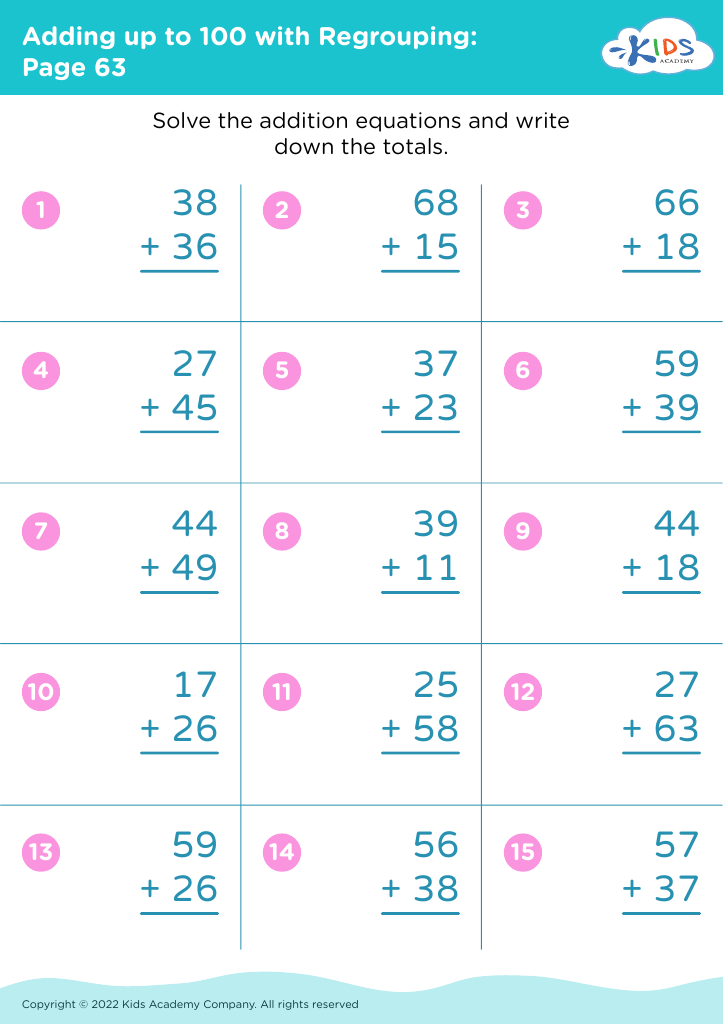
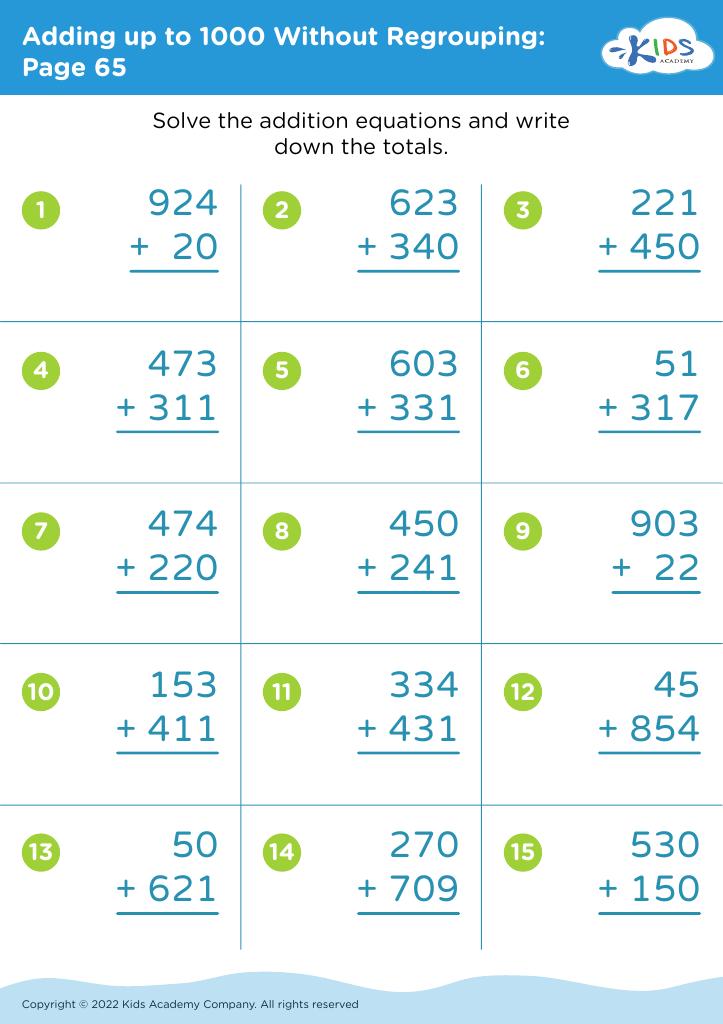
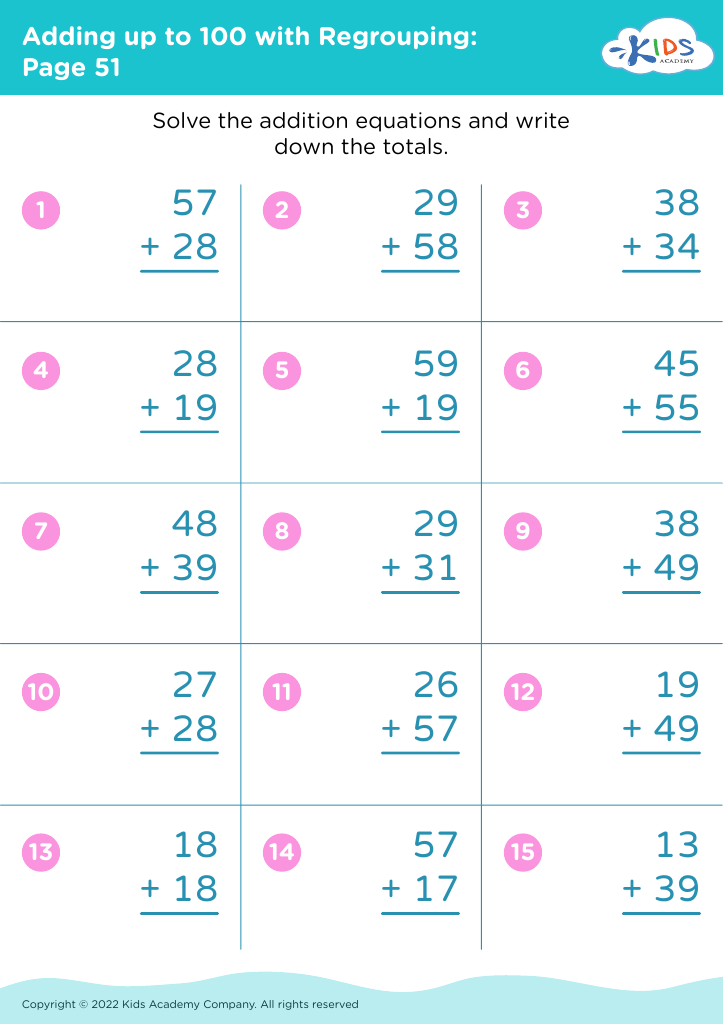
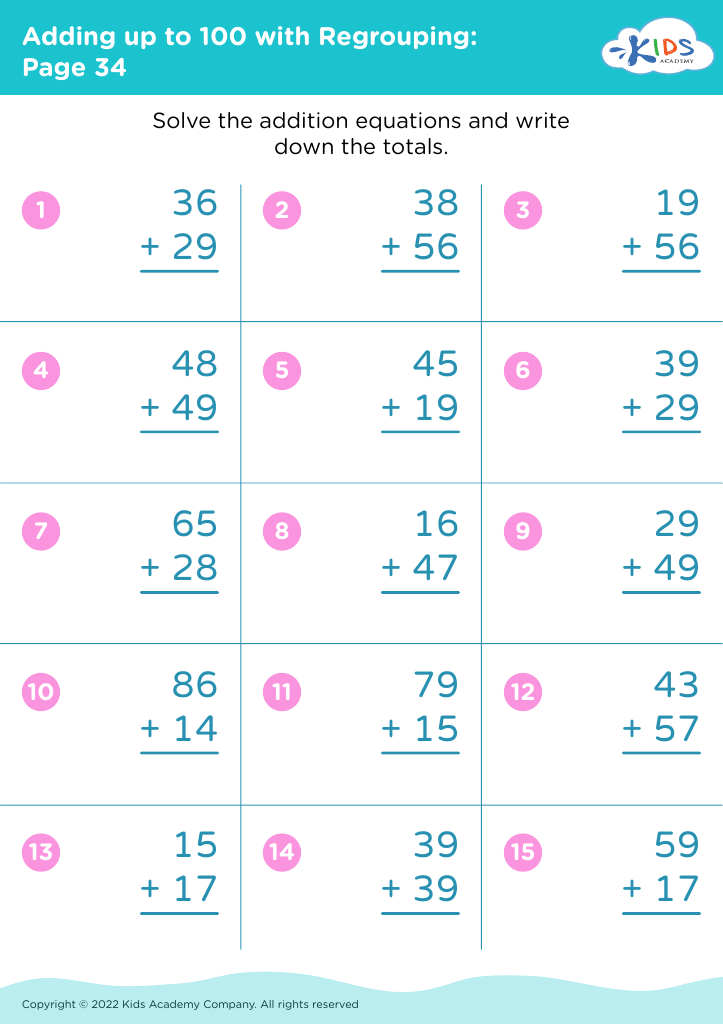
Explore our engaging Practice Problem-Solving Math Worksheets designed specifically for children ages 7-9. These worksheets focus on enhancing critical thinking skills and fostering a love for math through fun, interactive problems. Each worksheet features a variety of scenarios that challenge students to apply their mathematical knowledge in real-life situations, promoting both analytical skills and creativity. With colorful illustrations and age-appropriate tasks, learning becomes an enjoyable adventure. Perfect for homeschooling or supplementing classroom education, these resources help build confidence and proficiency in math. Download now to give your child the opportunity to excel in problem-solving and numerical reasoning!
Favorites
With answer key
Interactive
Join Kids Academy for Free
Who is primarily going to use this learning content?








Parents and teachers should prioritize problem-solving math for children aged 7-9 because it plays a critical role in developing essential cognitive and analytical skills. At this age, children transition from concrete manipulatives to more abstract reasoning, which fosters their ability to think critically and independently. Engaging with problem-solving tasks enhances their logical thinking and strengthens their capability to approach challenges methodically.
Moreover, mathematical problem-solving promotes perseverance and resilience, important life skills that benefit children both academically and socially. As they encounter and work through complex problems, they learn to explore multiple strategies, recognize patterns, and draw connections between concepts—all vital for robust cognitive development.
This foundational stage in math fosters a positive attitude toward learning and boosts confidence. When children successfully navigate challenges, their self-esteem increases, instilling a love for mathematics that can last a lifetime. Furthermore, problem-solving engages creativity and imagination, allowing children to see math not just as numbers, but as a useful tool for real-world applications.
Encouraging problem-solving in math not only equips children with necessary life skills but also cultivates a mindset that embraces lifelong learning and adaptability.








