Problem-solving abilities Math Worksheets for Ages 7-9 - Page 2
38 filtered results
-
From - To
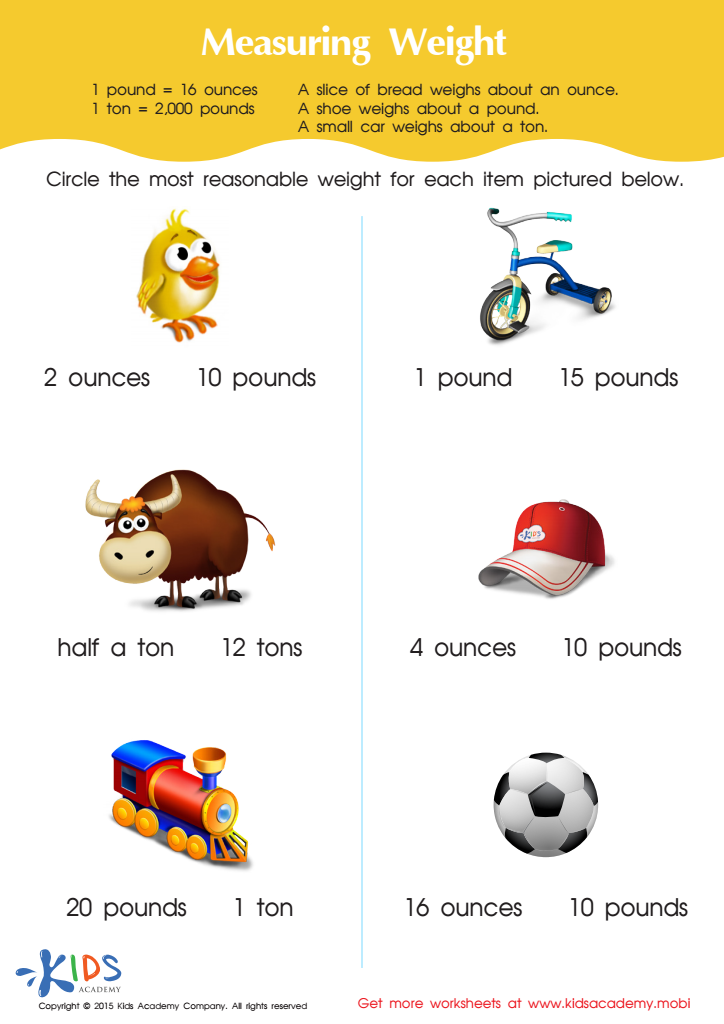
Measuring Weight in Ounces, Pounds and Tons (Part 2) Worksheet
 Assign to My Students
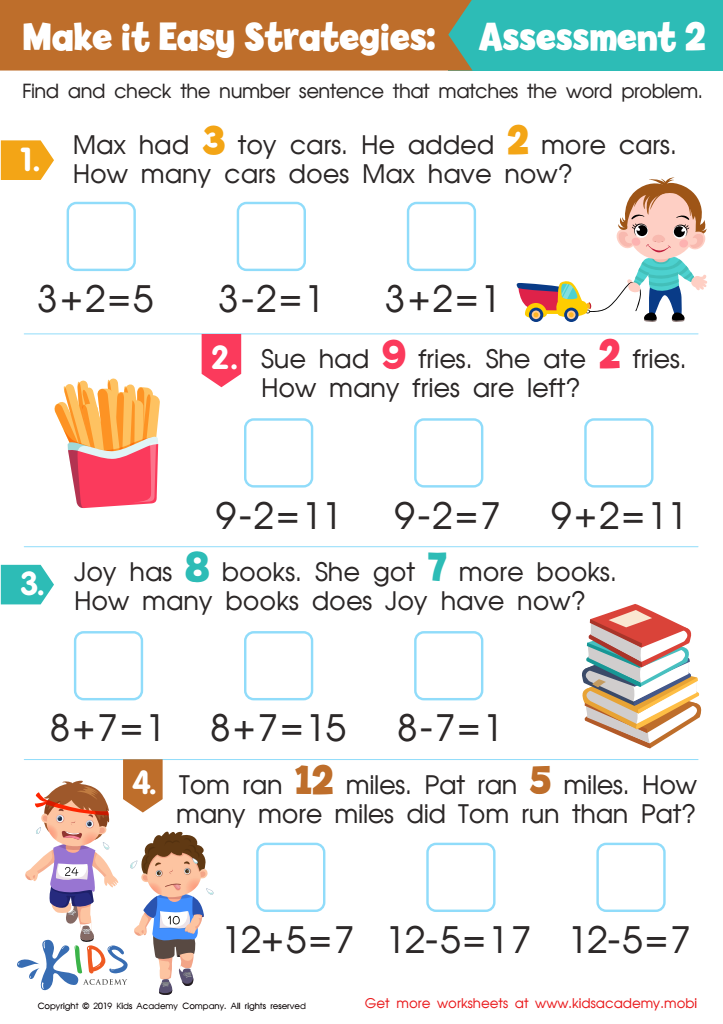
Make it Easy Strategies: Assessment 2 Worksheet
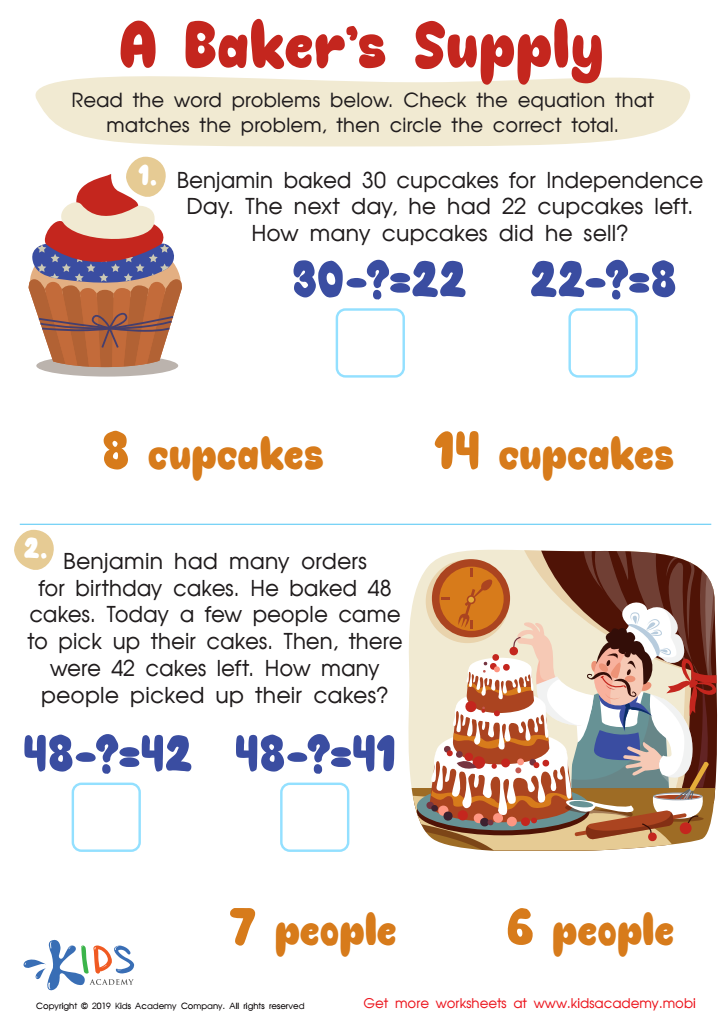
A Baker's Supply Worksheet
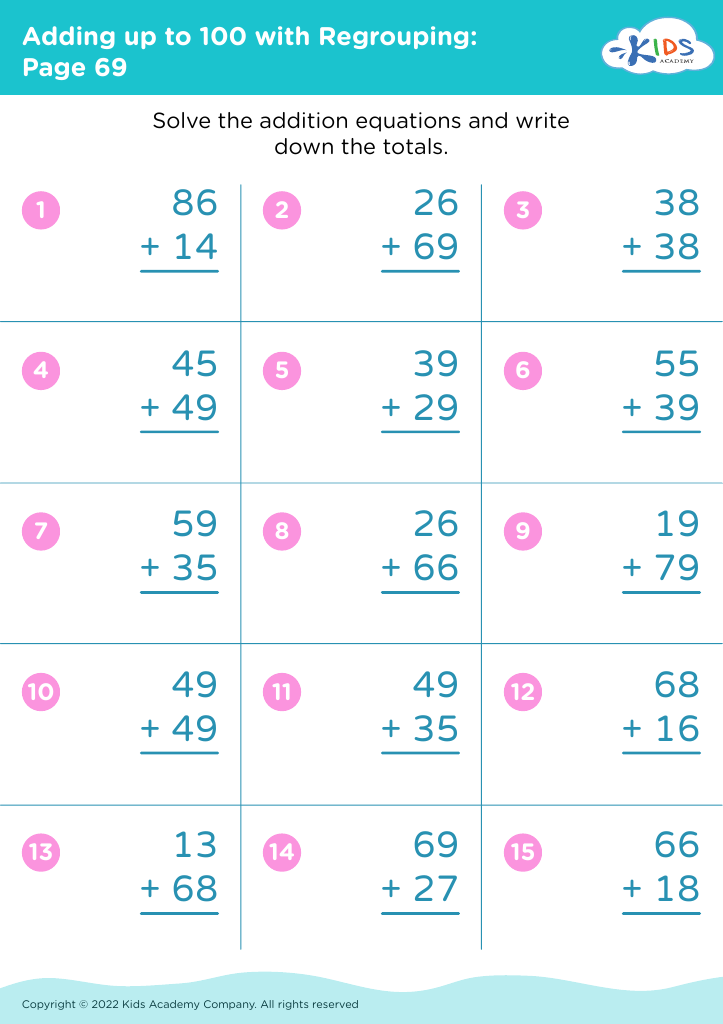
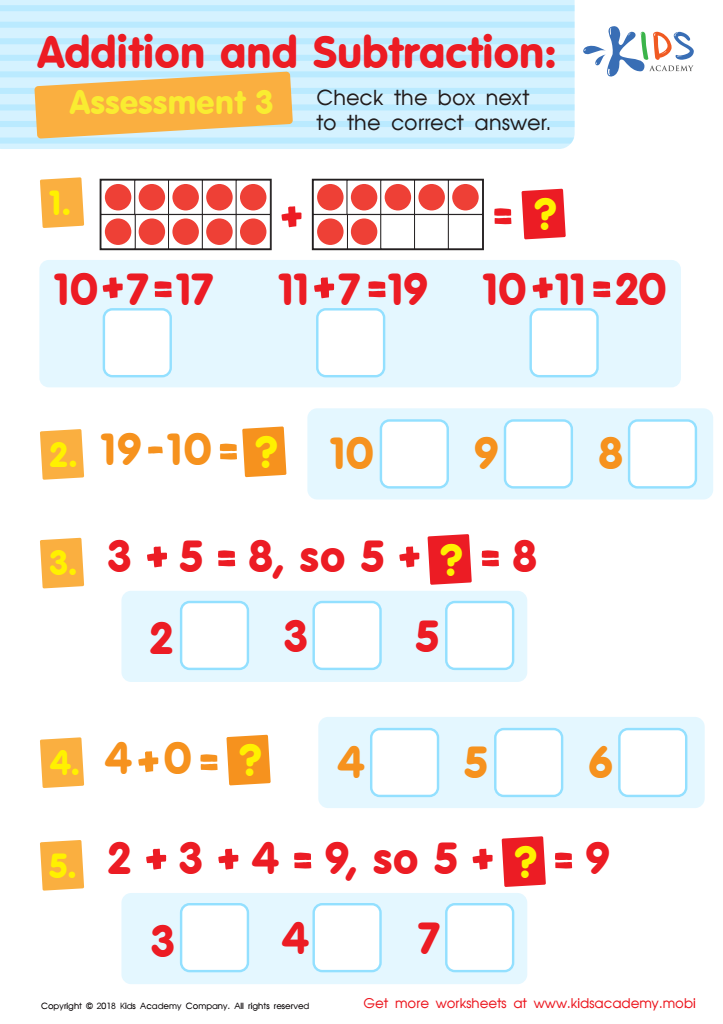
Addition and Subtraction Assessment 3 Worksheet

Sweet Shop – Counting Coins Worksheet
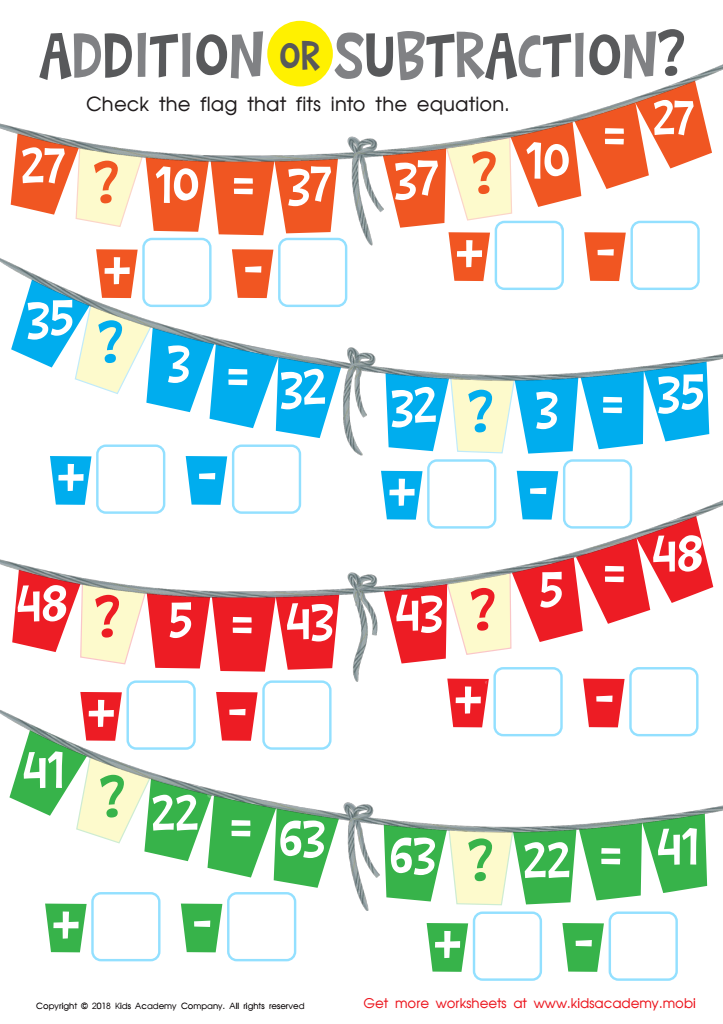
Addition or Subtraction? Worksheet
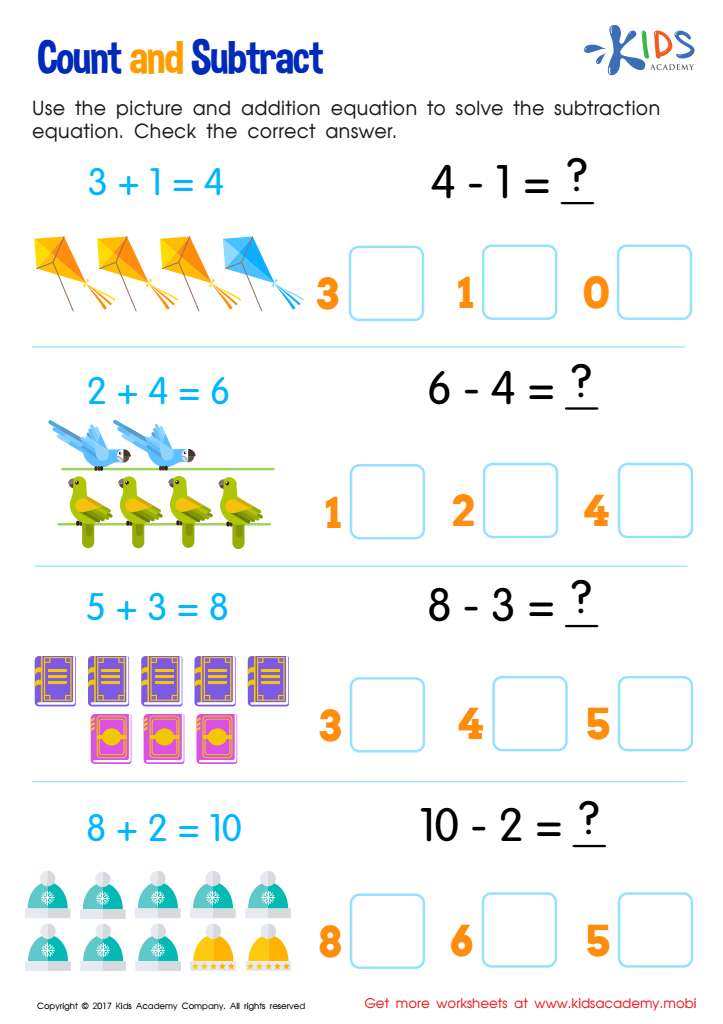
Count and Subtract Worksheet
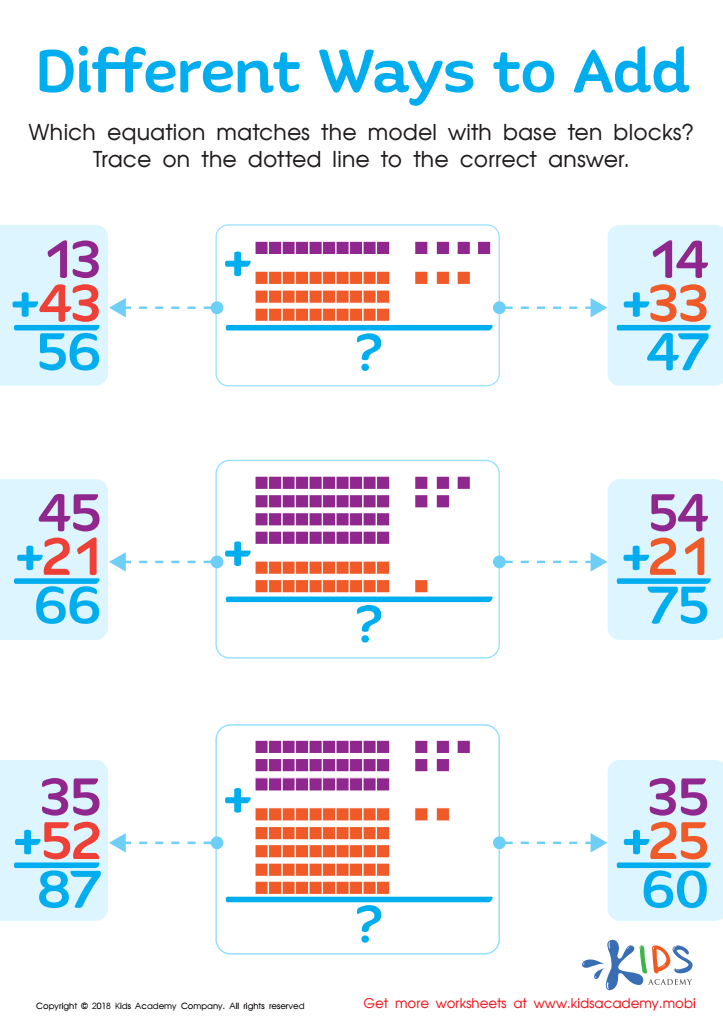
Different Ways to Add Worksheet
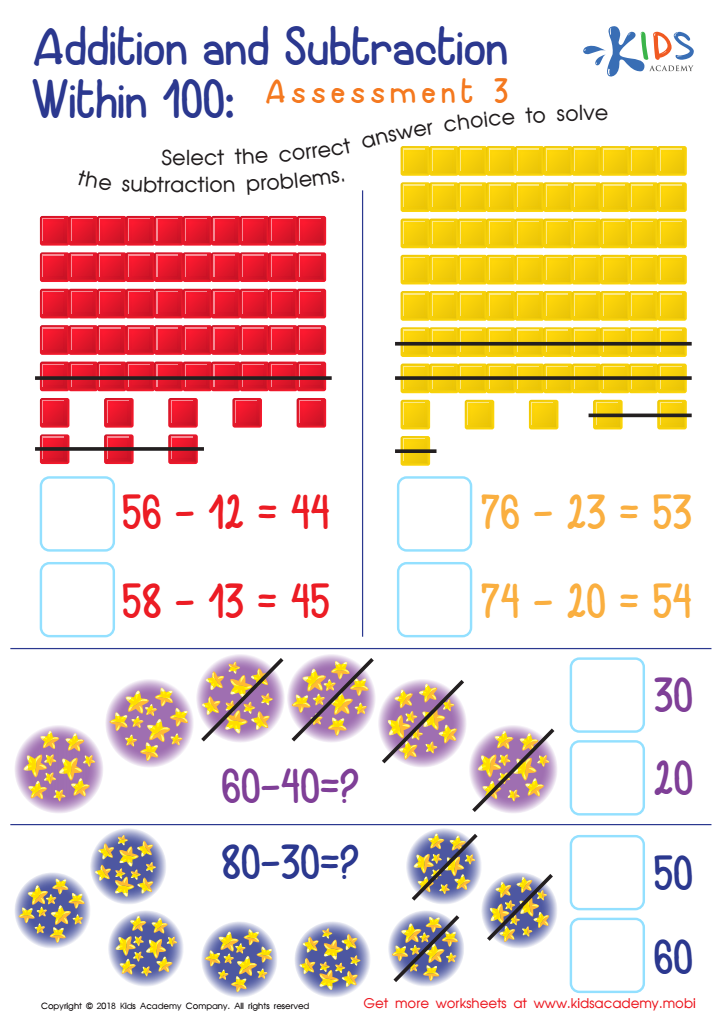
Addition and Subtraction Within 1: Assessment 3 Worksheet








Problem-solving abilities in math for children ages 7-9 are crucial for several reasons. Firstly, this stage marks a significant transition where students begin to grasp abstract concepts and apply them to real-life situations. Developing strong problem-solving skills fosters critical thinking, allowing children to analyze situations, identify patterns, and come up with effective solutions independently.
Parents and teachers should care about these abilities because they lay the foundation for future academic success. Proficient problem solvers are more likely to excel in higher-level math and science courses, which are sought-after skills in today’s job market. Moreover, these skills enhance children’s confidence and resilience. When they tackle and overcome challenging problems, they learn to persevere, which is applicable beyond the math classroom.
Additionally, problem-solving in math promotes collaboration and communication skills, as children often work in groups to solve complex problems. It encourages them to articulate their thought processes and learn from their peers. Ultimately, nurturing problem-solving abilities not only contributes to better academic outcomes but also equips children with essential life skills such as adaptability, creativity, and a growth mindset essential for success in a rapidly changing world.








