Check out this FREE Trial Lesson on Math for age 7-9!

Cut Rectangles: Thirds and Fourths

Favorites
With answer key
Interactive
  • 7-9
  • Recognizing shapes
  • Math
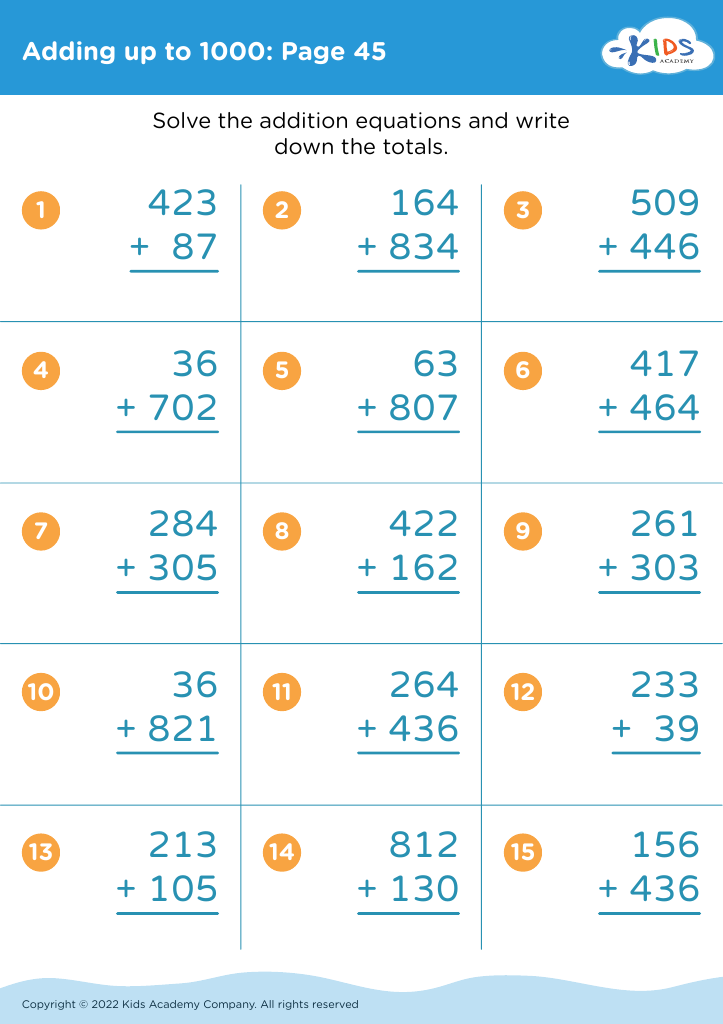
Adding up to 1000: Page 45

Adding up to 1000: Page 45

Adding up to 1000: Page 45
Worksheet
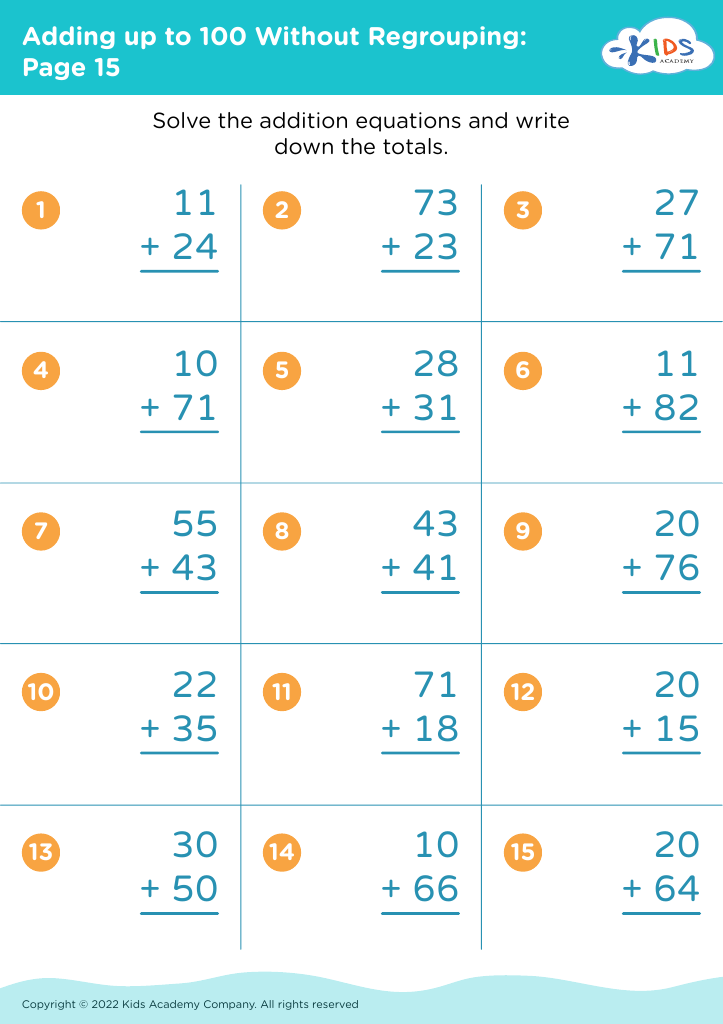
Adding up to 100 Without Regrouping: Page 15
Worksheet
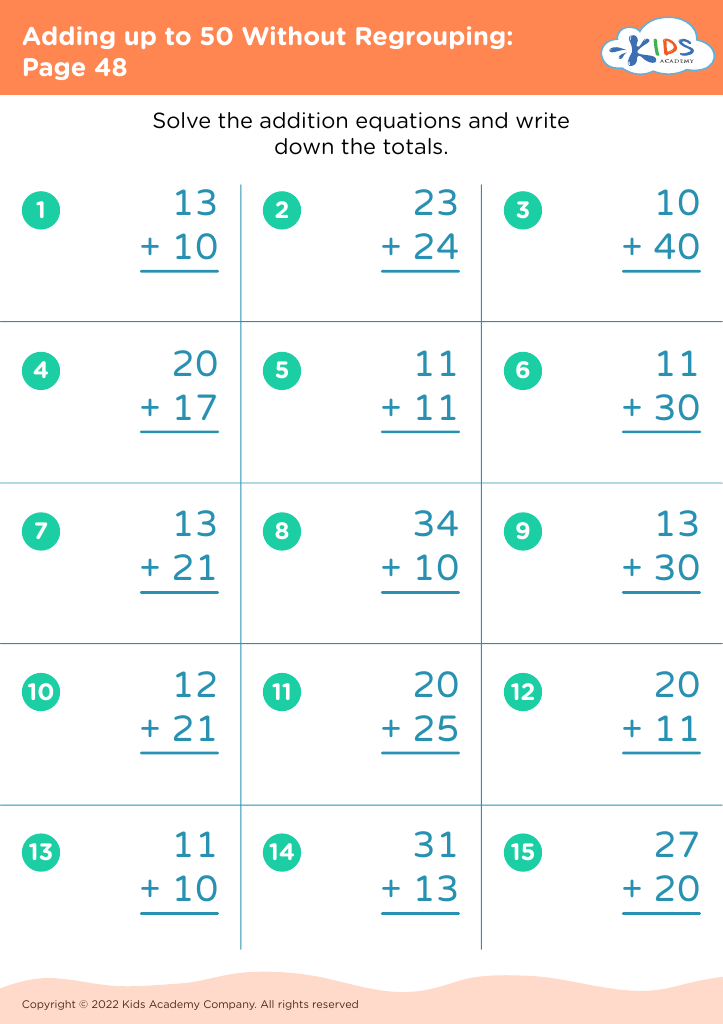
Adding up to 50 Without Regrouping: Page 48
Worksheet
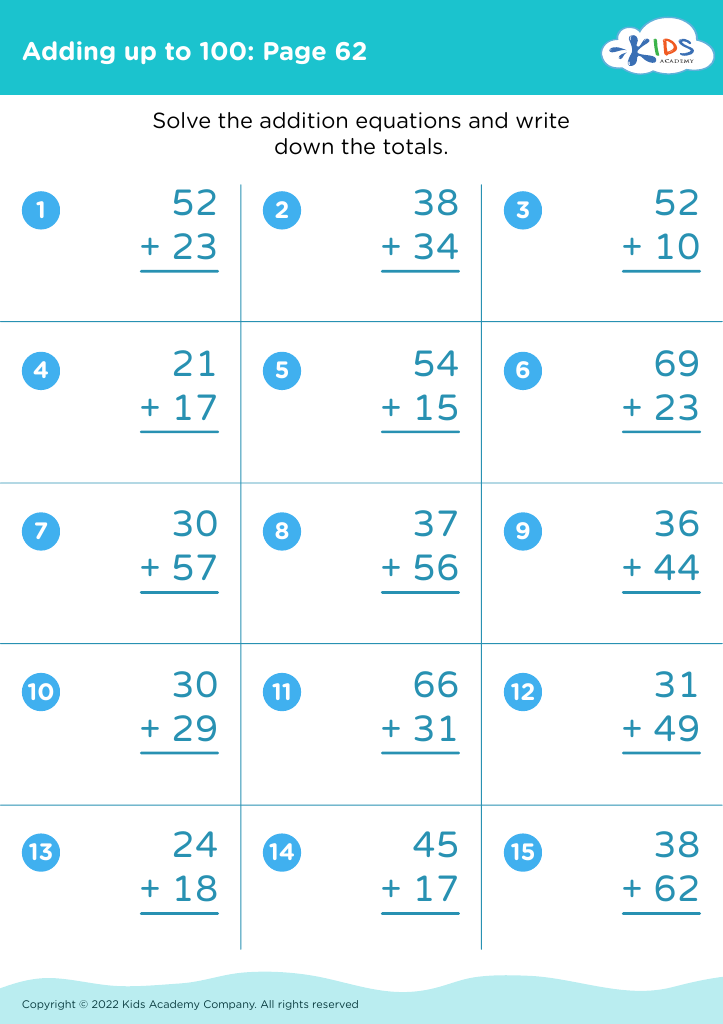
Adding up to 100: Page 62

Adding up to 100: Page 62

Adding up to 100: Page 62
Worksheet
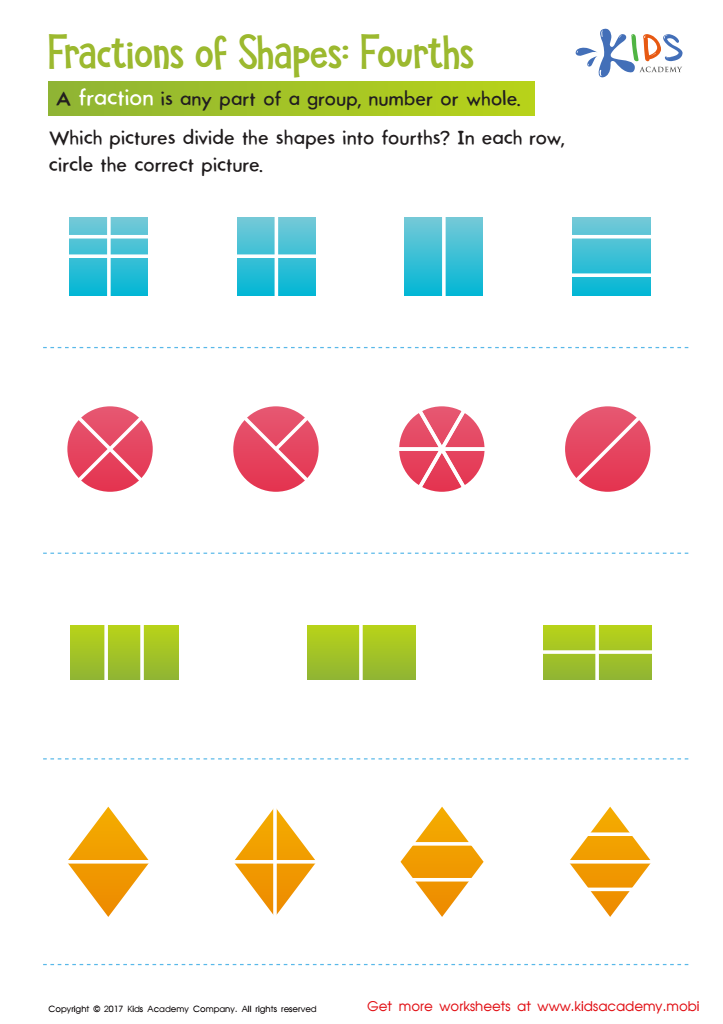
Fractions of Shapes Printable Worksheet

Fractions of Shapes Worksheet

It will also show them how fractions are represented in everyday shapes.
Fractions of Shapes Worksheet
Worksheet
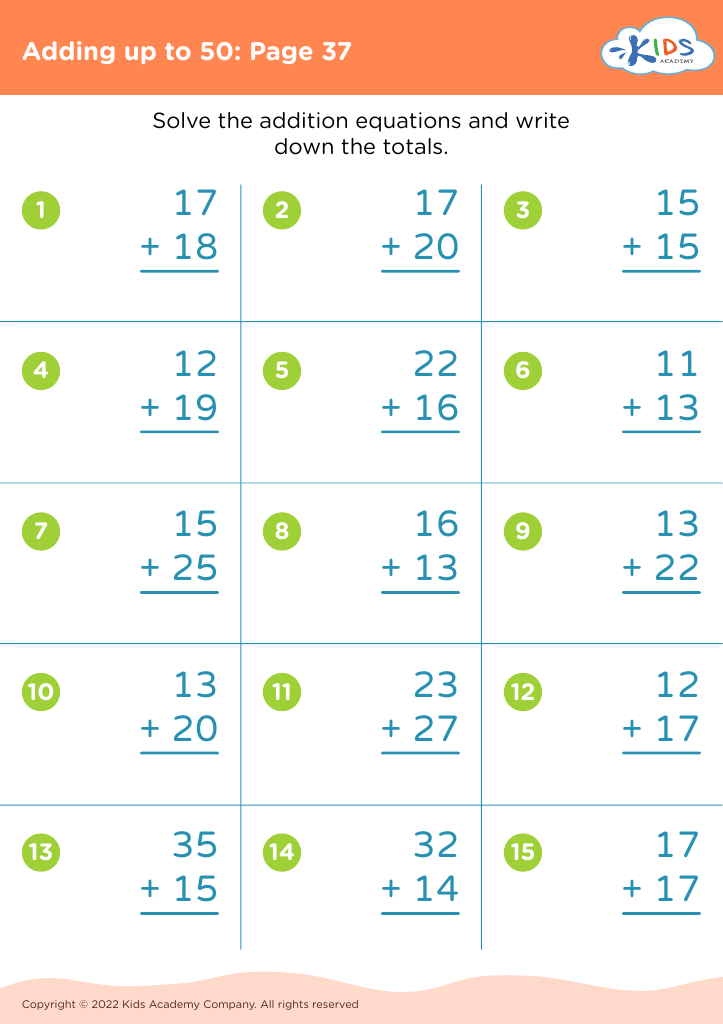
Adding up to 50: Page 37

Adding up to 50: Page 37

Adding up to 50: Page 37
Worksheet
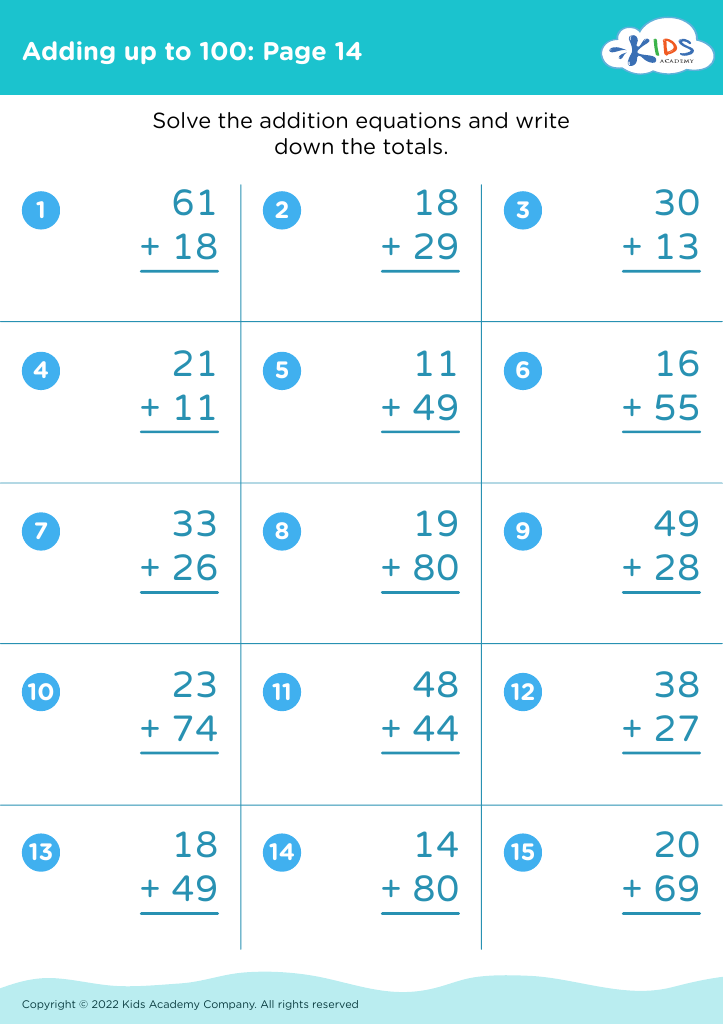
Adding up to 100: Page 14

Adding up to 100: Page 14

Adding up to 100: Page 14
Worksheet
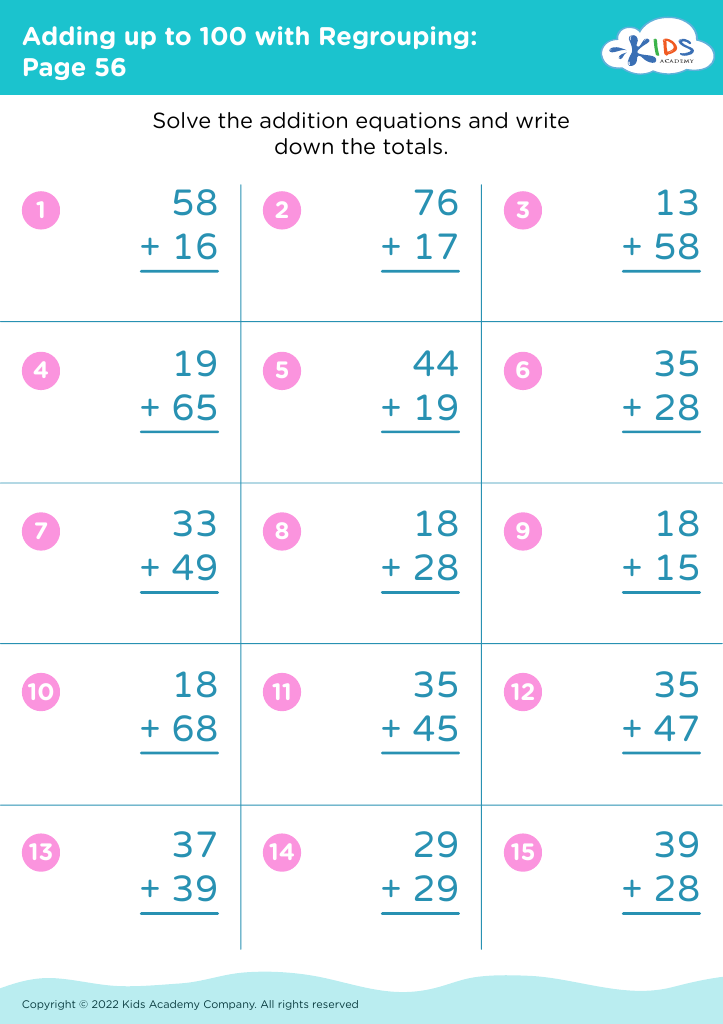
Adding up to 100 with Regrouping: Page 56
Worksheet
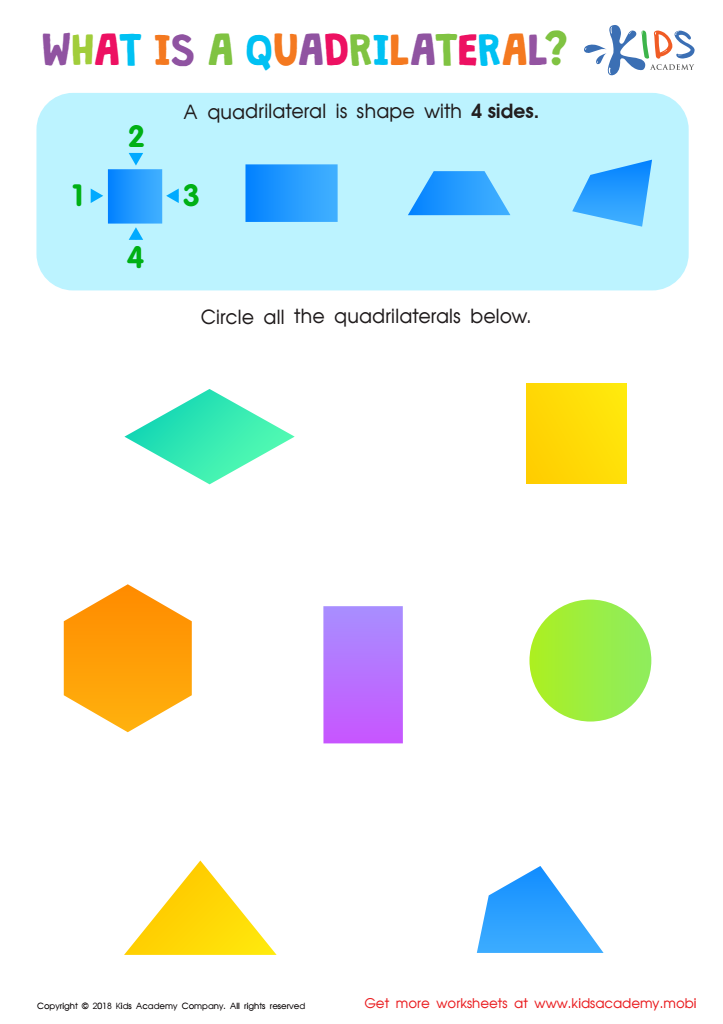
What Is a Quadrilateral? Worksheet

What Is a Quadrilateral? Worksheet

Does your kid know what a quadrilateral is? If not, this worksheet can help teach them. Explain that a quadrilateral is a shape with four sides and give examples, like a square or a rectangle. Then ask them to circle the quadrilaterals in the pictures. If they already know what a quadrilateral is, this task might be too easy.
What Is a Quadrilateral? Worksheet

Worksheet
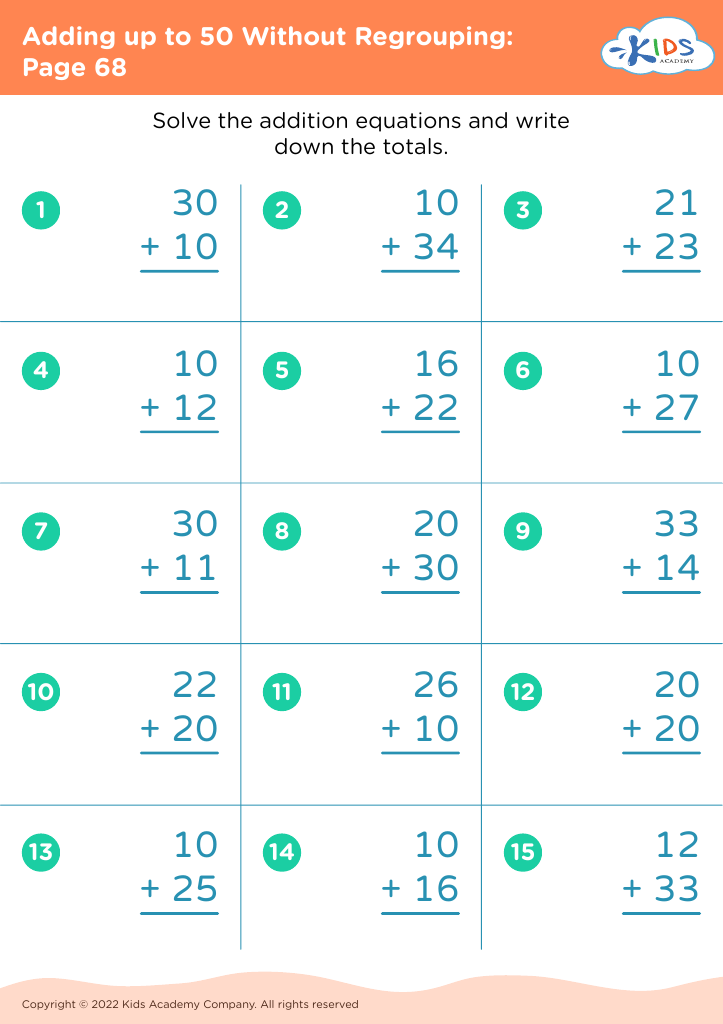
Adding up to 50 Without Regrouping: Page 68
Worksheet


Recognizing shapes is a foundational skill in mathematics that significantly impacts a child’s overall cognitive development, especially for students aged 7-9. During this critical stage, children begin to make connections between geometric concepts and real-world applications. Understanding shapes helps develop spatial awareness, which is essential for many everyday activities, including reading maps, understanding diagrams, and engaging in construction or art projects.

Moreover, recognizing shapes fosters logical reasoning and critical thinking. Children learn to categorize and compare different forms, which enhances their analytical abilities. These skills are not only applicable to mathematics but also to subjects like science and engineering, where geometric principles often come into play.

Additionally, the skills acquired through shapes recognition lay the groundwork for more advanced mathematical concepts, such as area, perimeter, and volume. Early mastery of these concepts can promote confidence in math, making students more likely to engage with the subject matter positively later on.

Encouraging recognition of shapes also supports literacy development; as children learn to describe shapes using appropriate vocabulary, they enhance their communication skills. Consequently, fostering shape recognition is essential for holistic development, making it a priority for both parents and educators.