
Understand sequences Math Worksheets for Ages 7-9
5 filtered results
Difficulty Level
Grade
Age
-
From - To
Subject
Activity
Standards
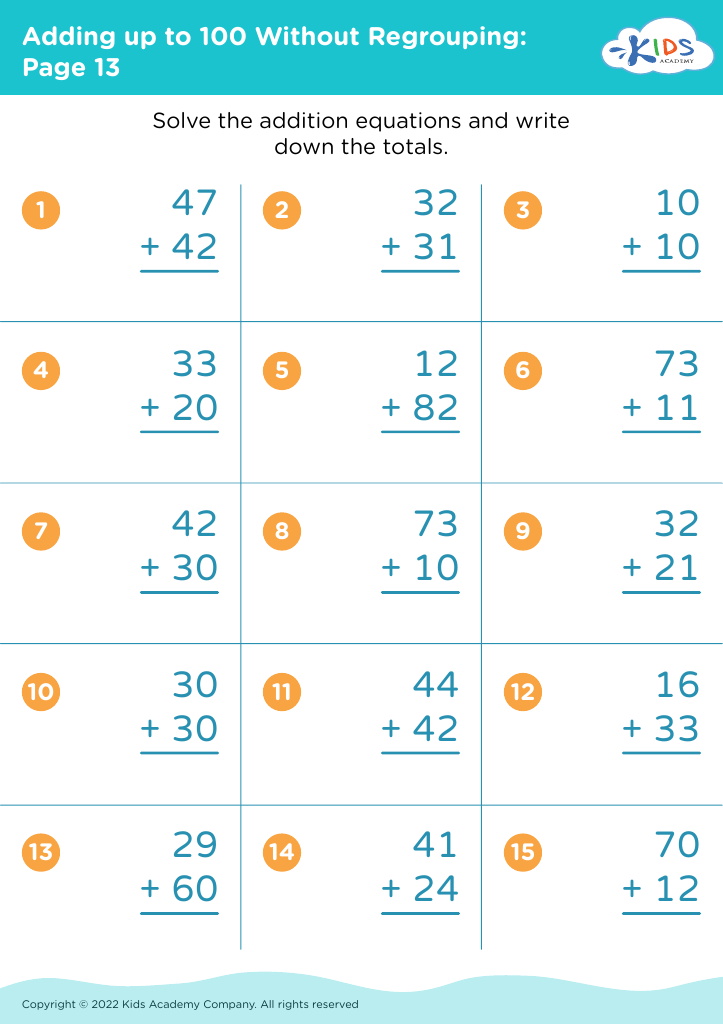
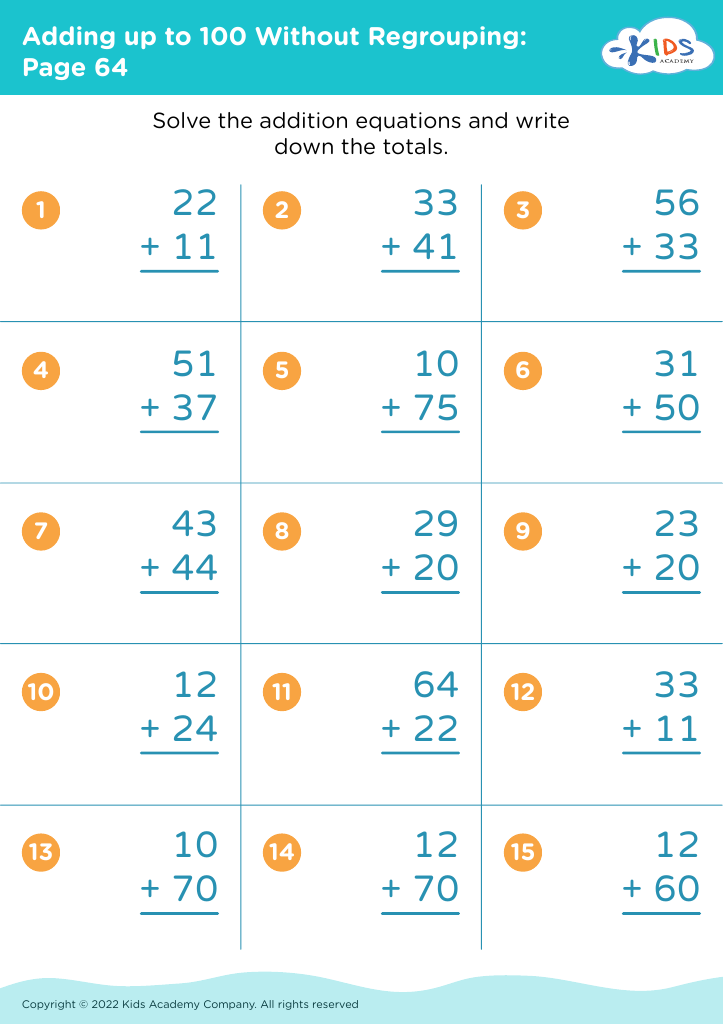
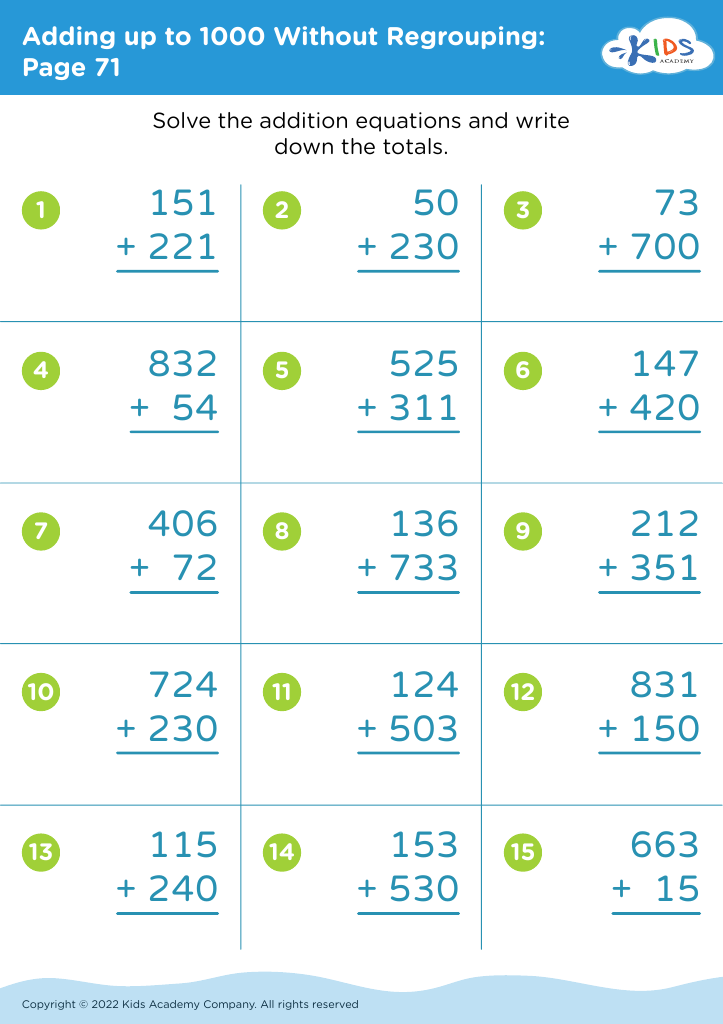
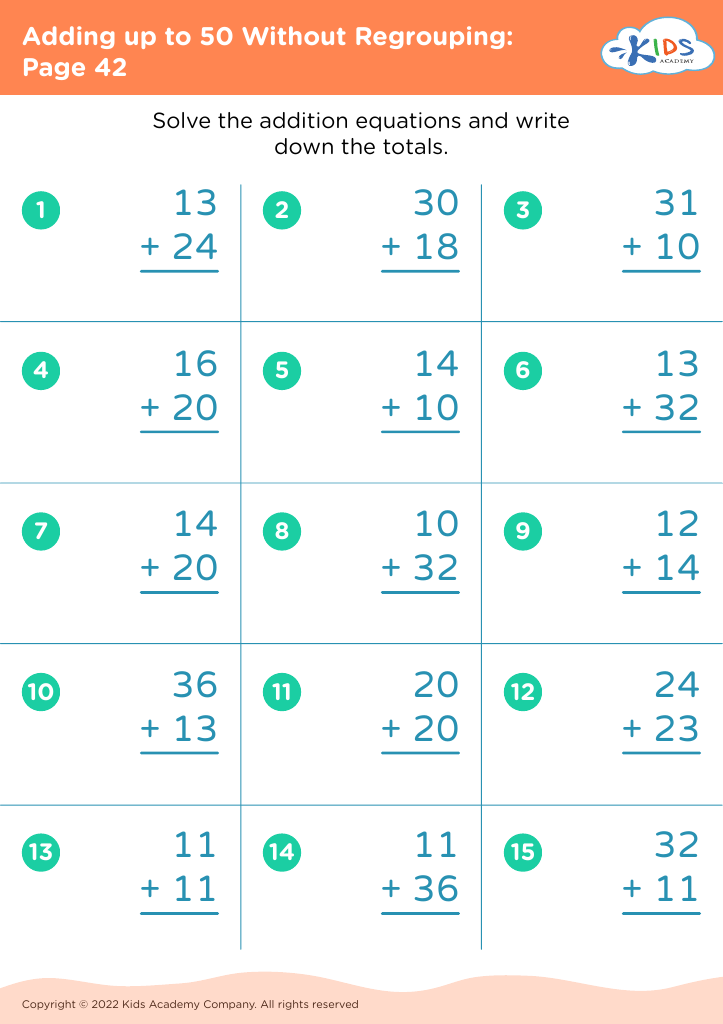
Discover our engaging "Understand Sequences Math Worksheets" designed for children ages 7-9! These worksheets offer a fun and interactive way for young learners to grasp the concept of sequences, building a strong foundation in mathematics. Activities include identifying number patterns, filling in missing values, and recognizing sequences in various contexts. Our resources cater to varying skill levels, ensuring every child can succeed and build confidence. Ideal for classroom use or at-home learning, these worksheets encourage critical thinking and problem-solving skills. Dive into the world of sequences and watch your child's math understanding grow with our brightly colored and educational resources!
Favorites
With answer key
Interactive
Join Kids Academy for Free
Who is primarily going to use this learning content?


.jpg)




Understanding sequences in math is crucial for children aged 7 to 9, as it lays the foundation for more advanced mathematical concepts. During these years, children start developing critical thinking and problem-solving skills. Recognizing patterns and sequences helps them make connections between numbers, fostering a deeper understanding of arithmetic operations, which is essential for long-term mathematical success.
Sequences also enhance logical reasoning. When children learn to identify and create sequences, they practice predicting what comes next based on established rules, which sharpens their cognitive abilities. This skill is not only vital for math but also applies to other subjects, like science and coding, where patterns play a significant role.
Moreover, grasping sequences contributes to proficiency in topics such as addition, multiplication, and even algebra later on. Teachers who focus on this area can cultivate a sense of achievement in their students, boosting confidence at an early age. Likewise, parents can engage in fun sequential games at home, reinforcing these concepts through everyday activities.
Caring about children’s understanding of sequences equips them with essential tools for academic success and growth, helping them approach challenges with a problem-solving mindset. This foundational skill nurtures their overall cognitive development in and out of the classroom.








