Comparing quantities Building Vocabulary Worksheets for Ages 7-9
3 filtered results
-
From - To
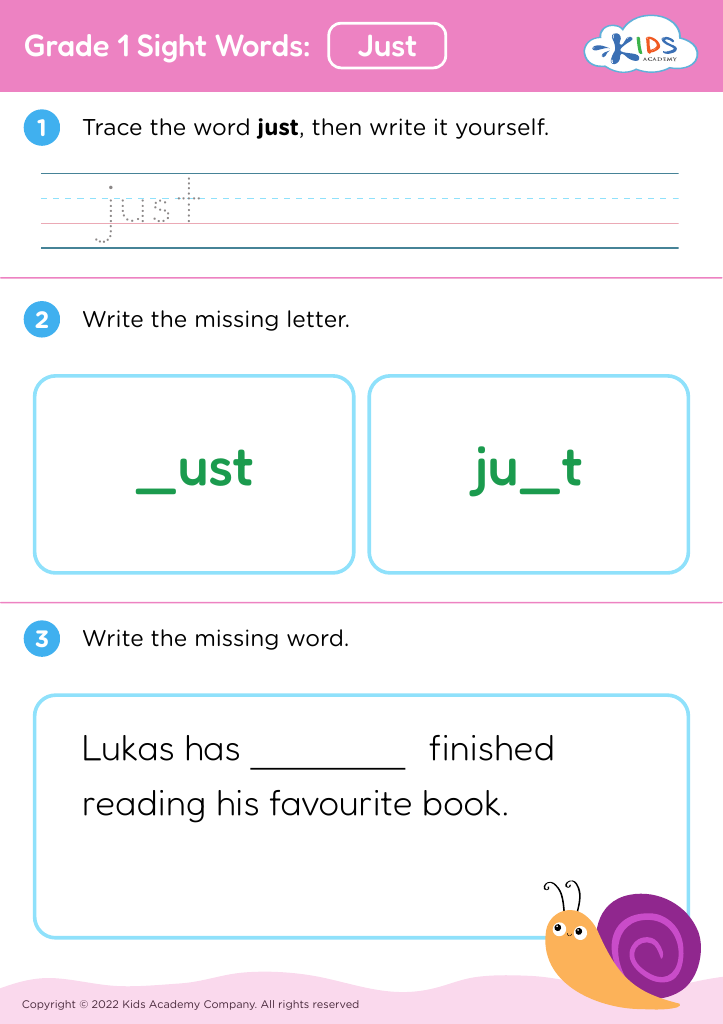
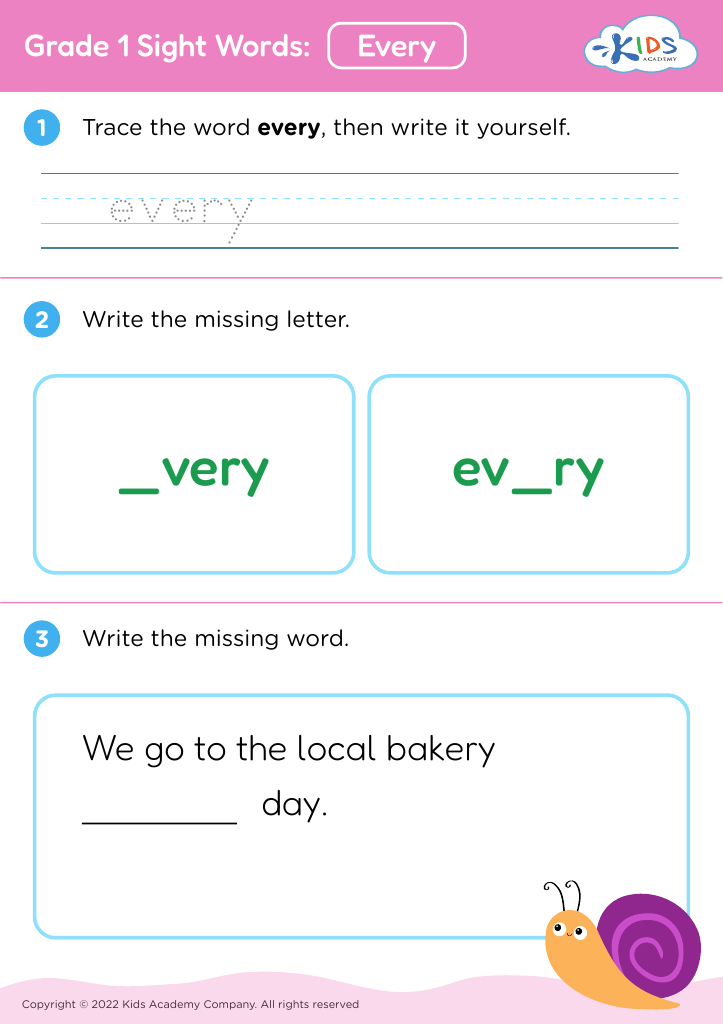
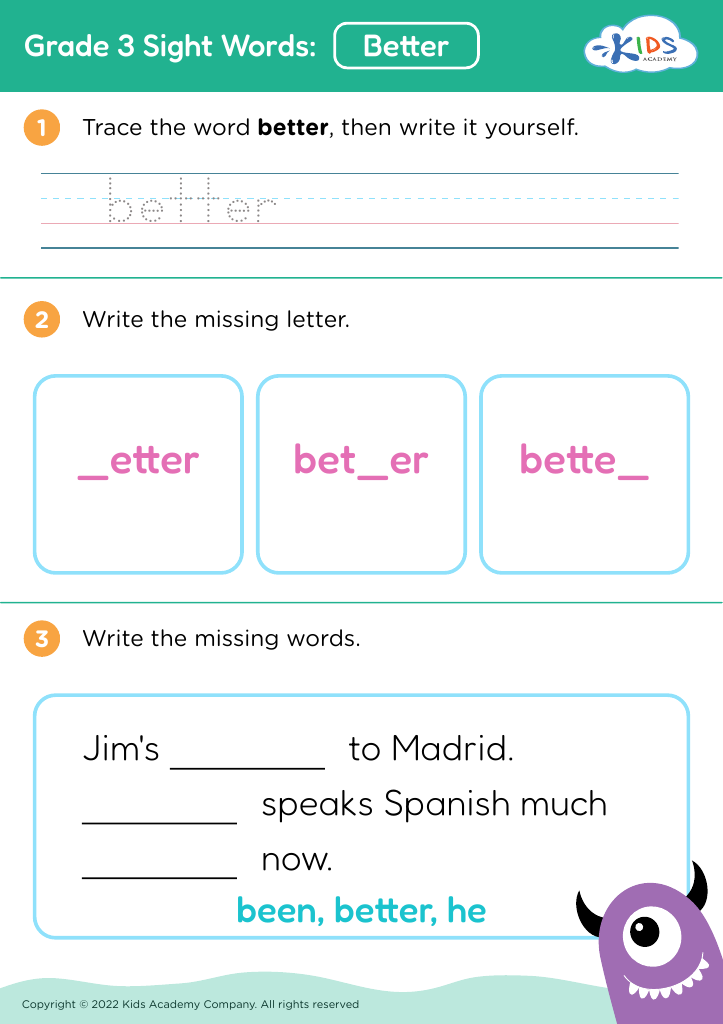
Unlock your child's potential in math and language with our "Comparing Quantities Building Vocabulary Worksheets" designed for ages 7-9. These engaging exercises help young learners master essential vocabulary and mathematical concepts simultaneously. By comparing quantities, kids enhance reading comprehension and critical thinking skills. Perfect for use at home or in the classroom, these expertly crafted worksheets offer a fun and interactive way to build a strong foundation in both subjects. Visit Kids Academy for more resources tailored to your child's educational needs, ensuring they grow into confident, capable students. Download now and watch them thrive!
















.jpg)

.jpg)
Parents and teachers should prioritize comparing quantities and building vocabulary for children aged 7-9 as these skills are foundational for academic success and everyday life. During these formative years, children are developing their mathematical thinking and language abilities, which are crucial for understanding more complex concepts later on.
Comparing quantities helps children grasp essential mathematical principles like greater than, less than, and equal to. These comparisons are the building blocks for arithmetic operations, measurement, and data analysis skills that children will continue to use throughout their education. Engaging in activities that involve comparing quantities can also enhance problem-solving skills and logical reasoning.
Simultaneously, building vocabulary is vital as it improves communication skills and academic performance. A robust vocabulary allows children to better understand instructions, express their thoughts clearly, and succeed in reading comprehension tasks. When children can name and compare objects, their descriptive language and conceptual understanding grow.
Incorporating these skills into everyday activities, such as counting toys, comparing amounts of food, or describing objects during a walk, makes learning enjoyable and relevant. This dual focus not only supports cognitive development but also prepares children for more structured learning environments, leading to higher confidence and competence in both mathematics and language arts.








