Problem-Solving Skills Building Vocabulary Worksheets for Ages 7-9 - Page 2
26 filtered results
-
From - To
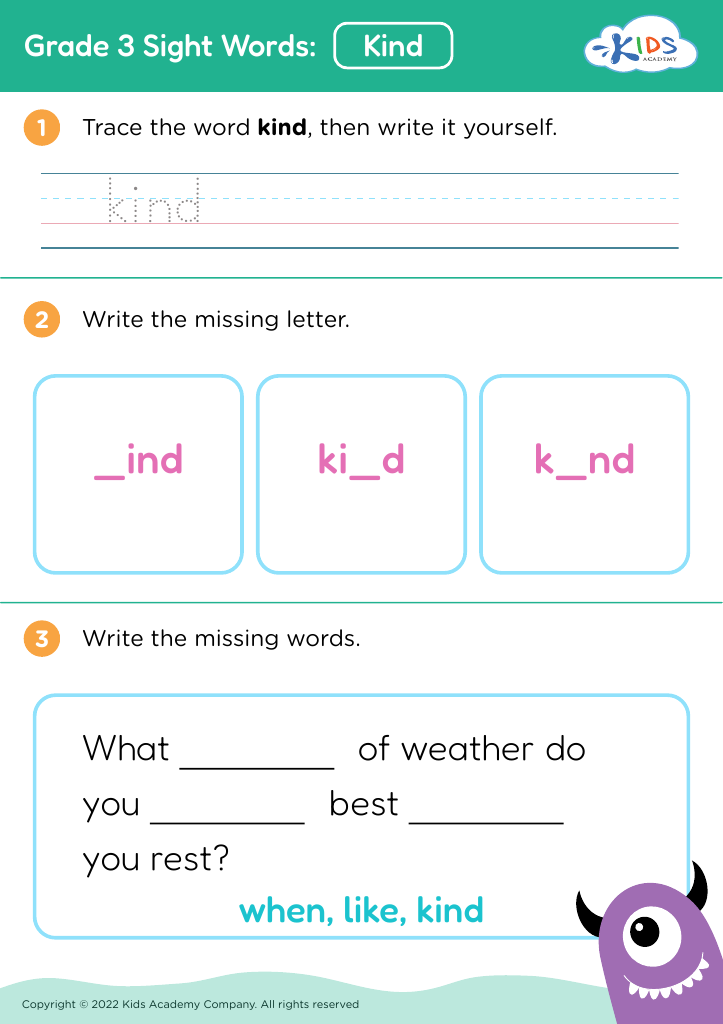











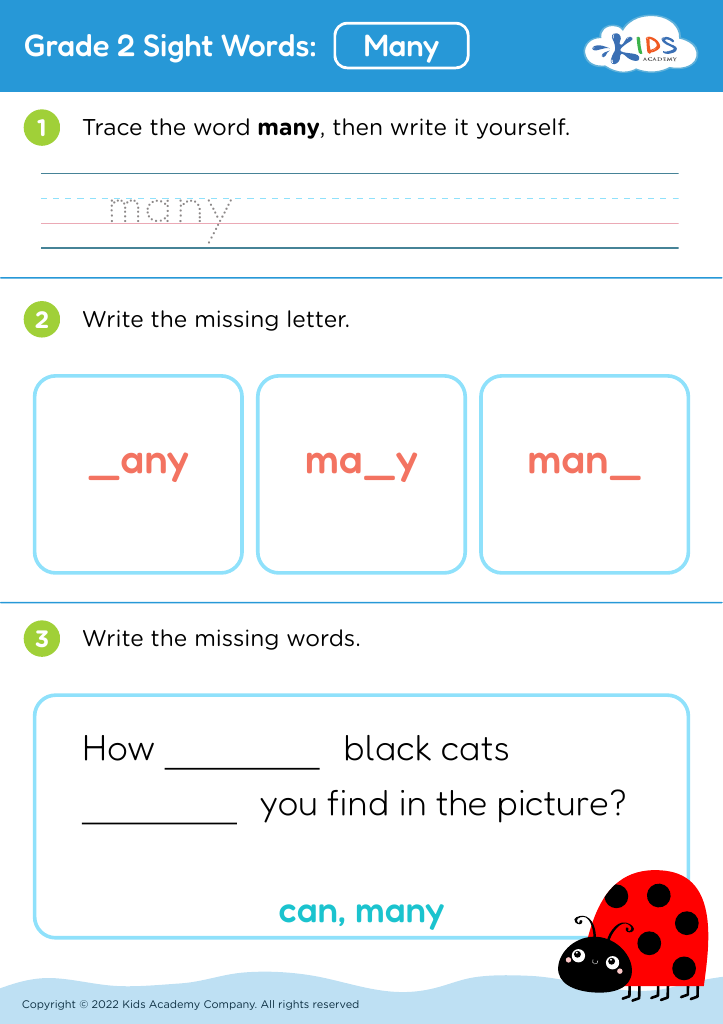








Problem-solving skills and vocabulary development are critical areas for children aged 7-9 due to their far-reaching impact on cognitive, social, and academic growth. At this stage, children are transitioning from learning to read to reading to learn. A robust vocabulary equips them with the linguistic tools needed to comprehend intricate texts, convey thoughts clearly, and engage in meaningful discussions. This lays the groundwork for academic success in various subjects, including math, science, and social studies, where specialized terminology and the ability to follow instructions are crucial.
Moreover, problem-solving skills foster independent thinking and resilience. When children are adept at identifying and resolving issues, they gain confidence in their abilities. Engaging in diverse problem-solving activities, from puzzles to real-world scenarios, helps them develop logical thinking, creativity, and a systematic approach to overcoming challenges. These skills are indispensable not only for academic endeavors but also for everyday interactions, wherein they have to negotiate, make decisions, and resolve conflicts.
Parents and teachers play a pivotal role by creating an enriched environment filled with stimulating activities, conversations, and learning opportunities. By emphasizing problem-solving and vocabulary building, adults set the foundation for lifelong learning, critical thinking, and competent communication, pivotal for future success and adaptive functioning in an ever-changing world.








