Comparing Fractions Sight Words Worksheets for Ages 7-9
24 filtered results
-
From - To
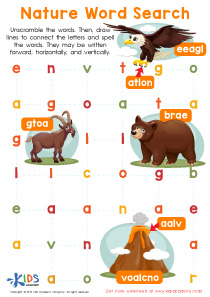
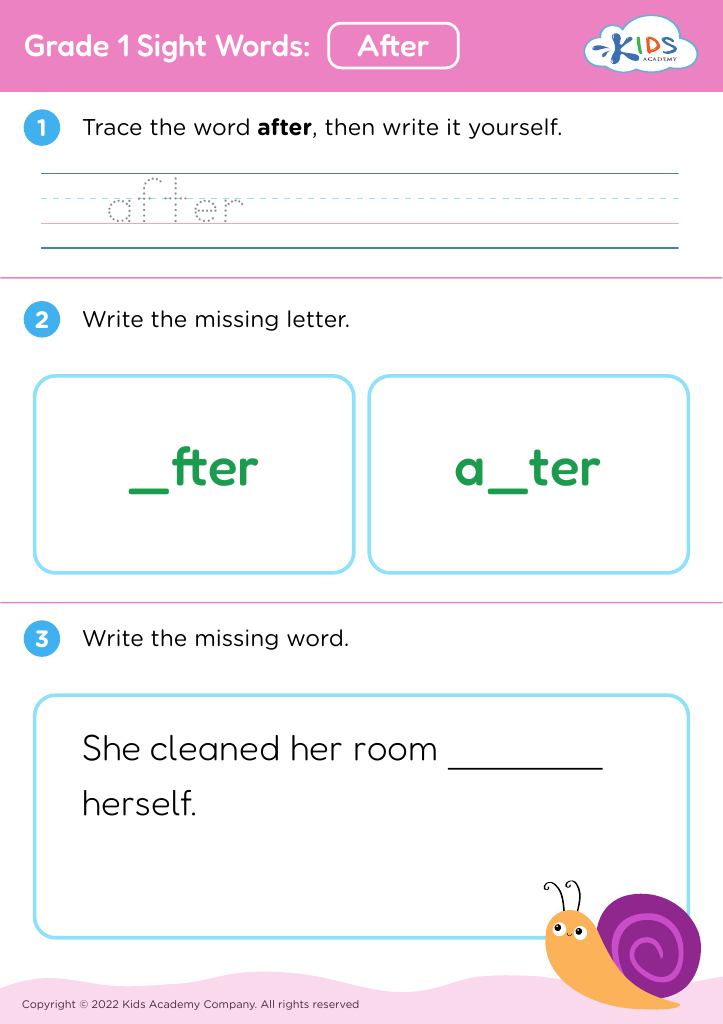
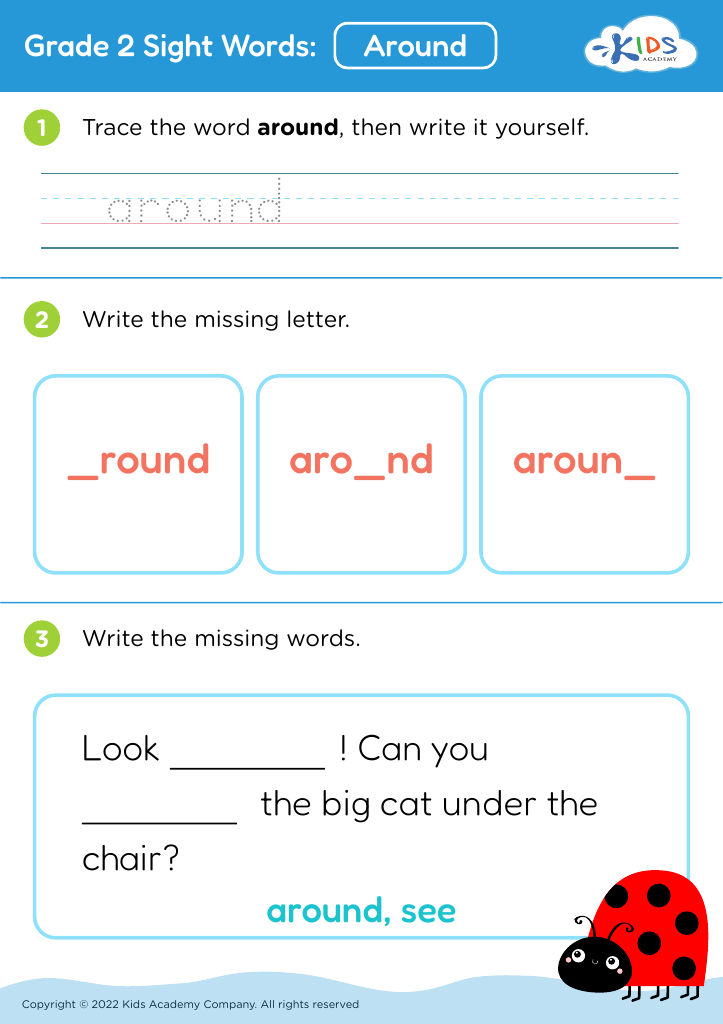
Enhance your child's math and reading skills with our "Comparing Fractions Sight Words Worksheets for Ages 7-9". These engaging worksheets are designed to help kids practice recognizing and reading sight words while also learning to compare fractions. Each worksheet offers a blend of math and literacy activities, ensuring a holistic learning experience. Perfect for home or classroom use, our worksheets make learning fun, interactive, and educational. Help your child master essential skills with these easy-to-use, printable worksheets from Kids Academy. Suitable for children aged 7-9, these resources promote both reading proficiency and mathematical understanding.

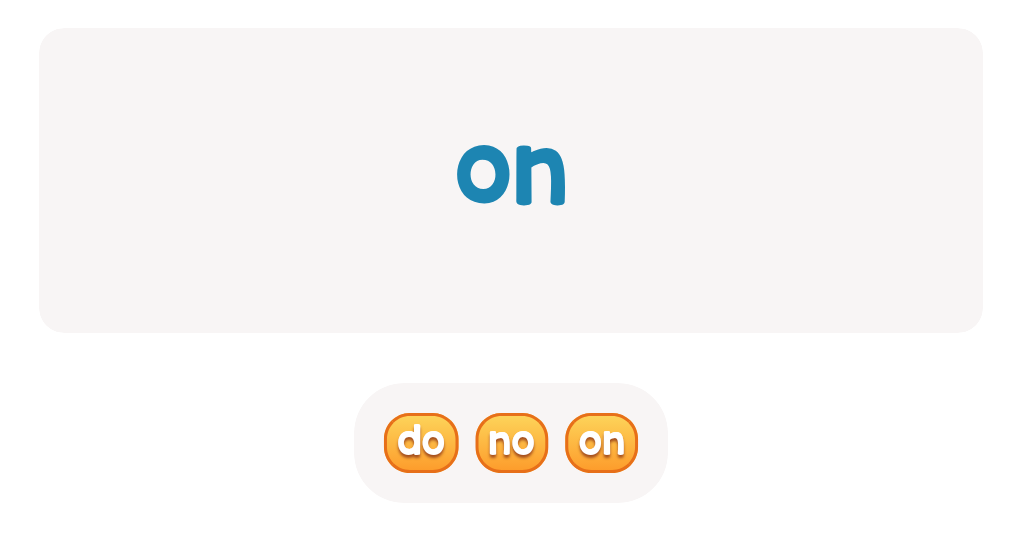
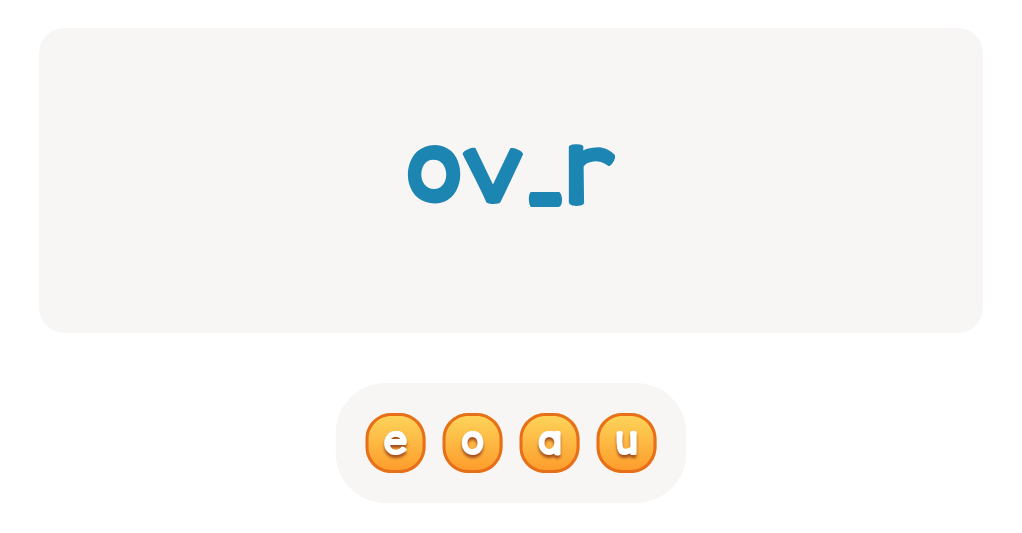
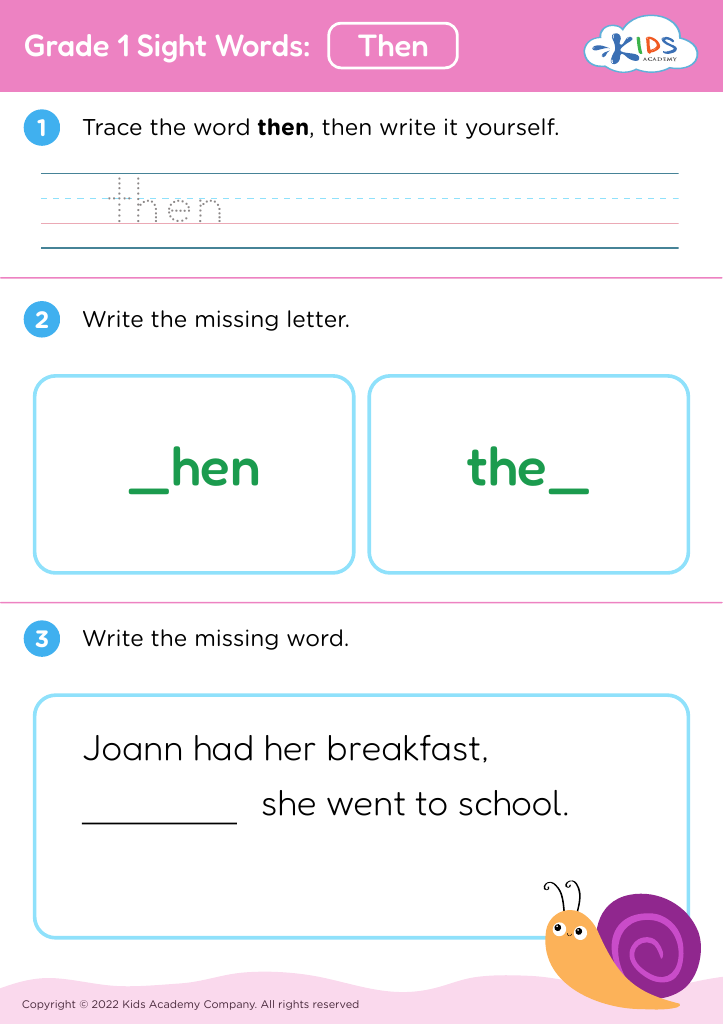
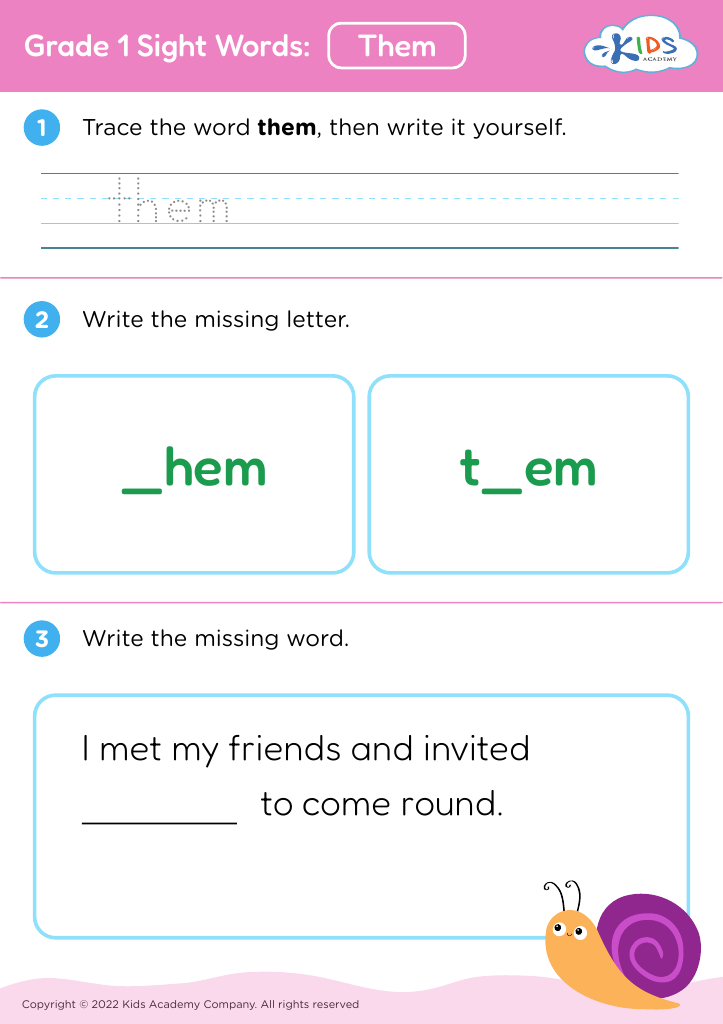
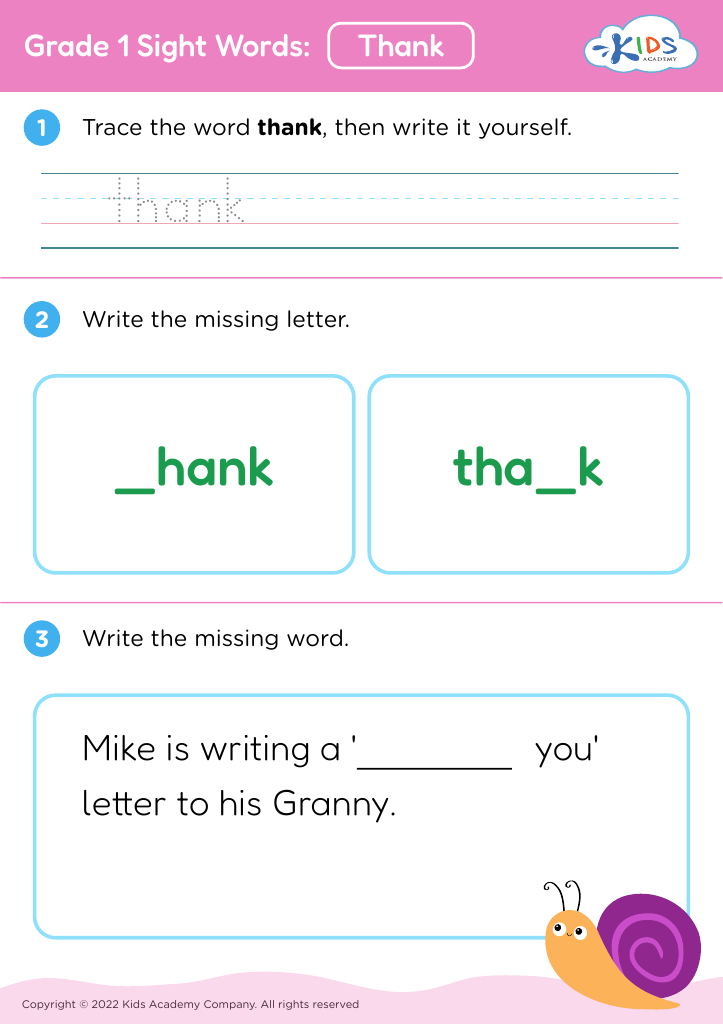
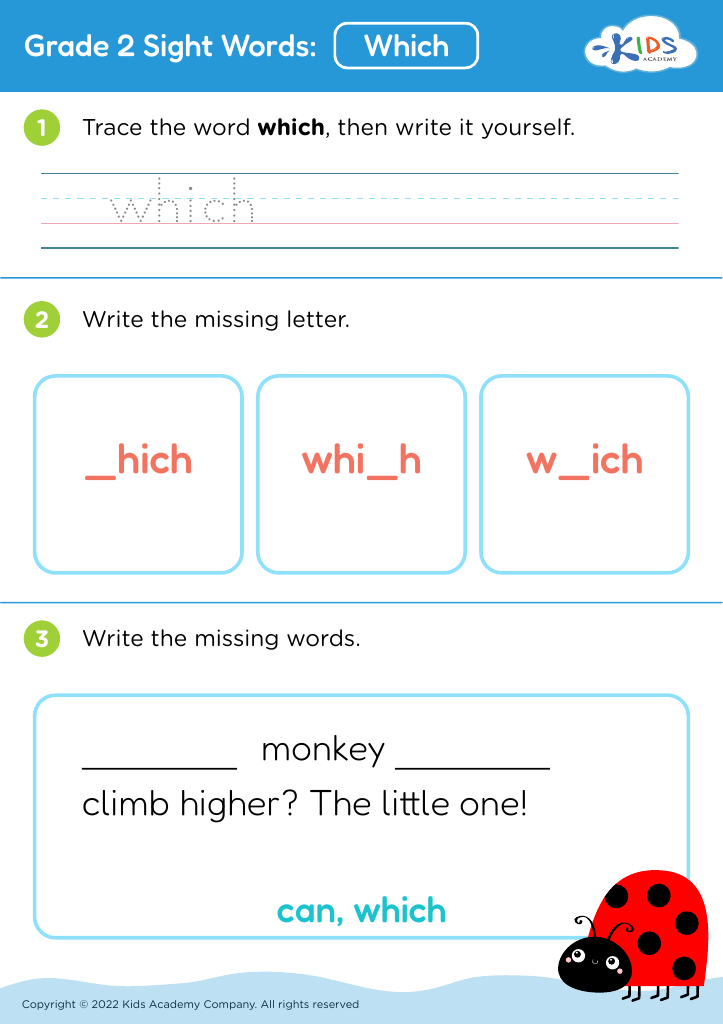
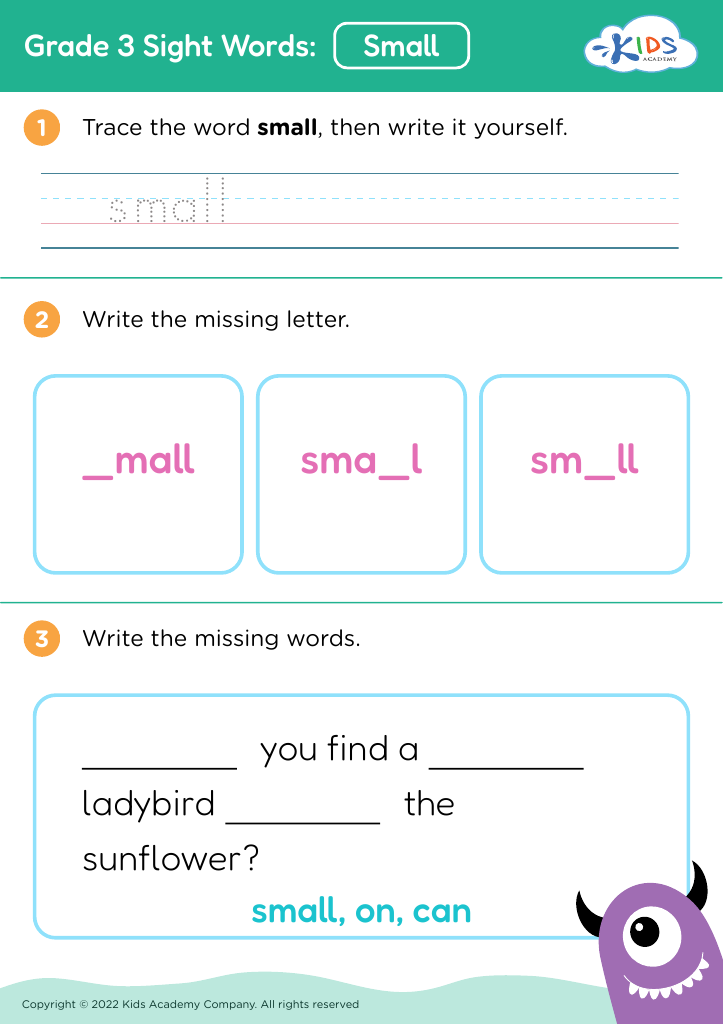
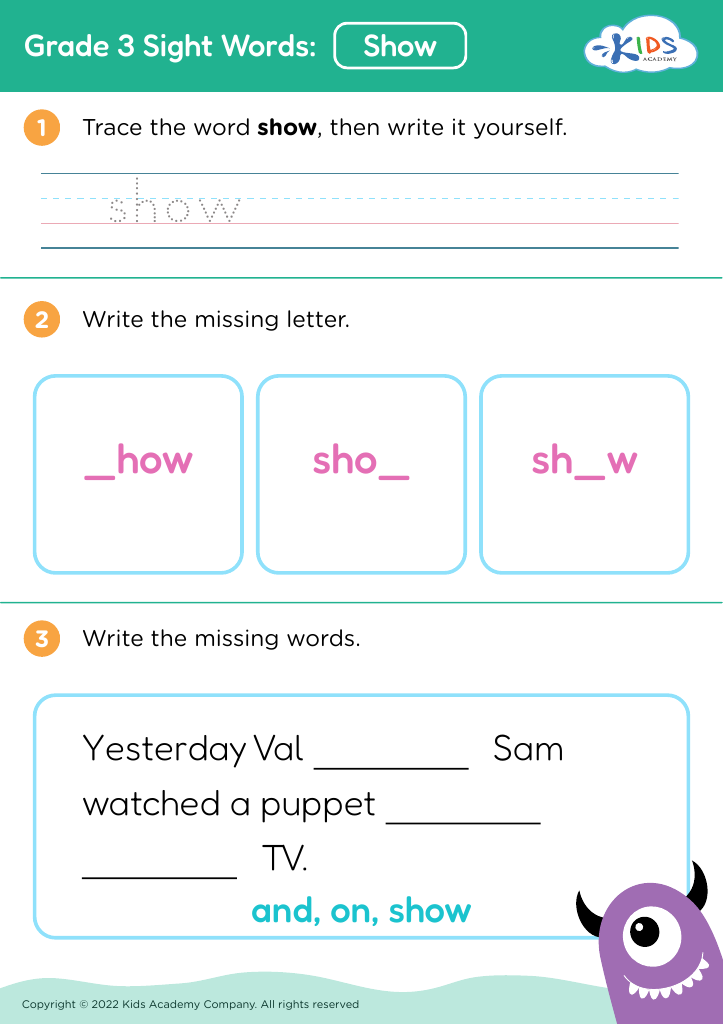
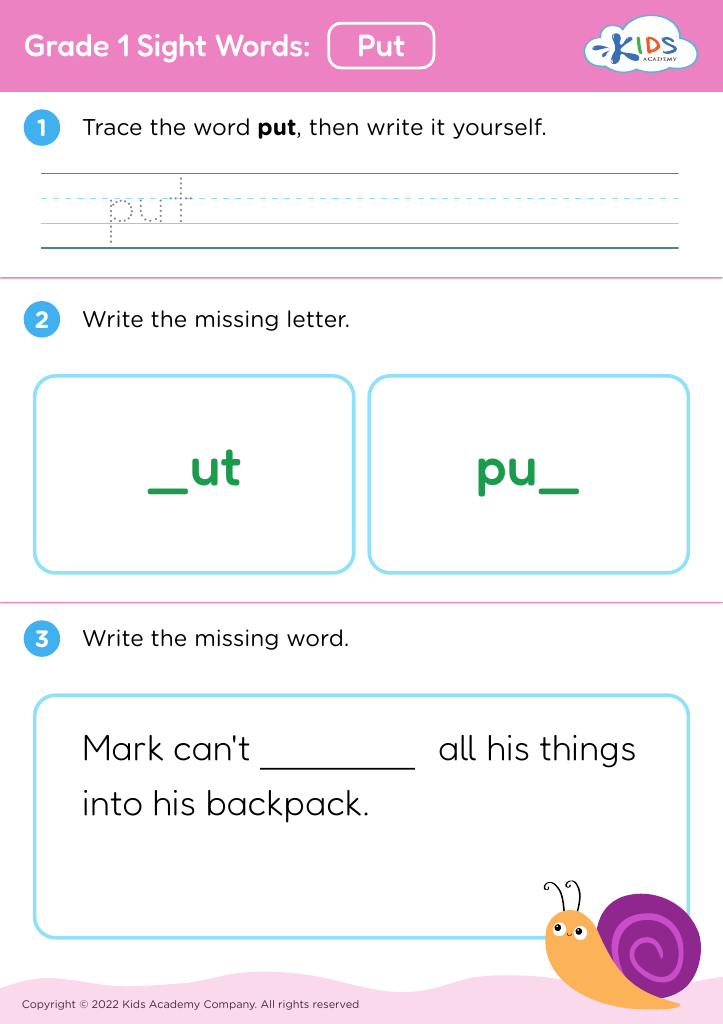
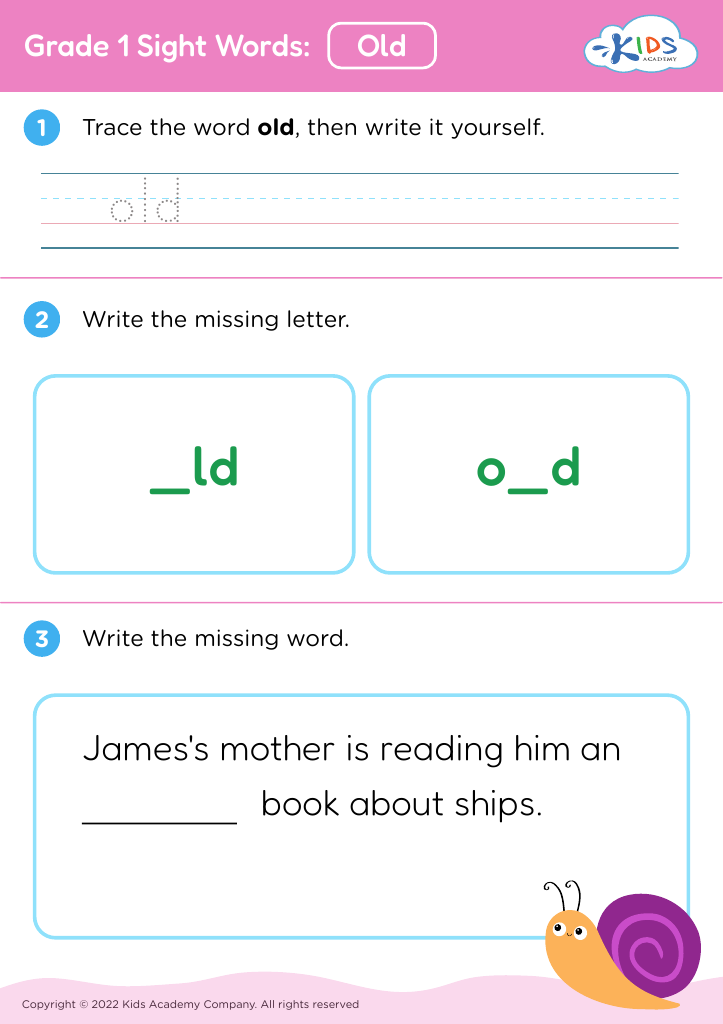
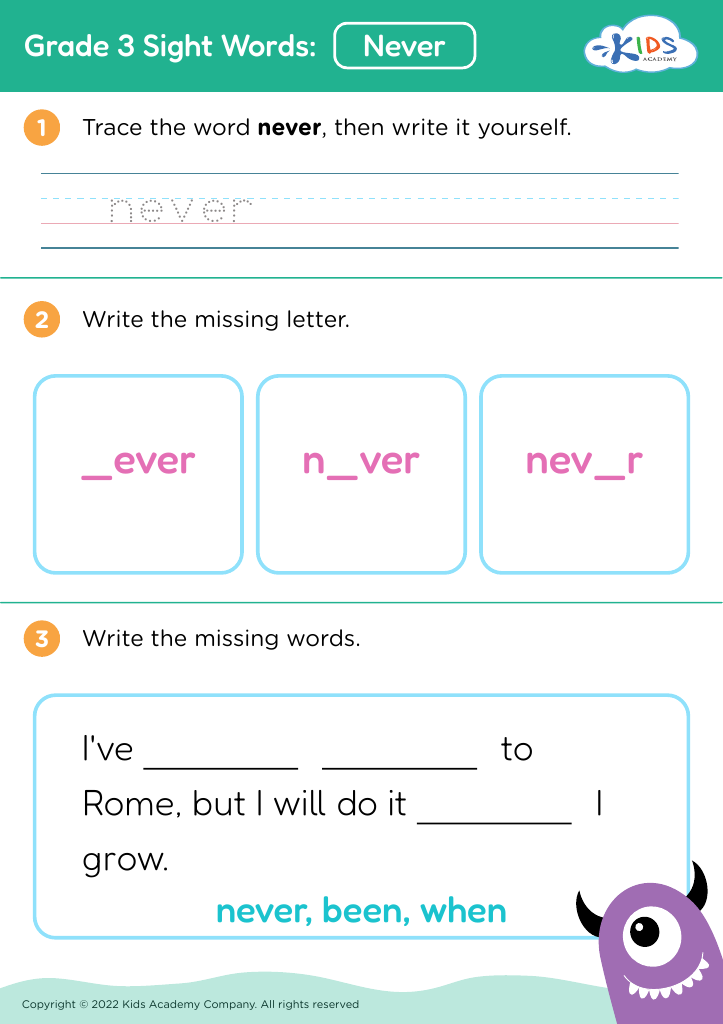
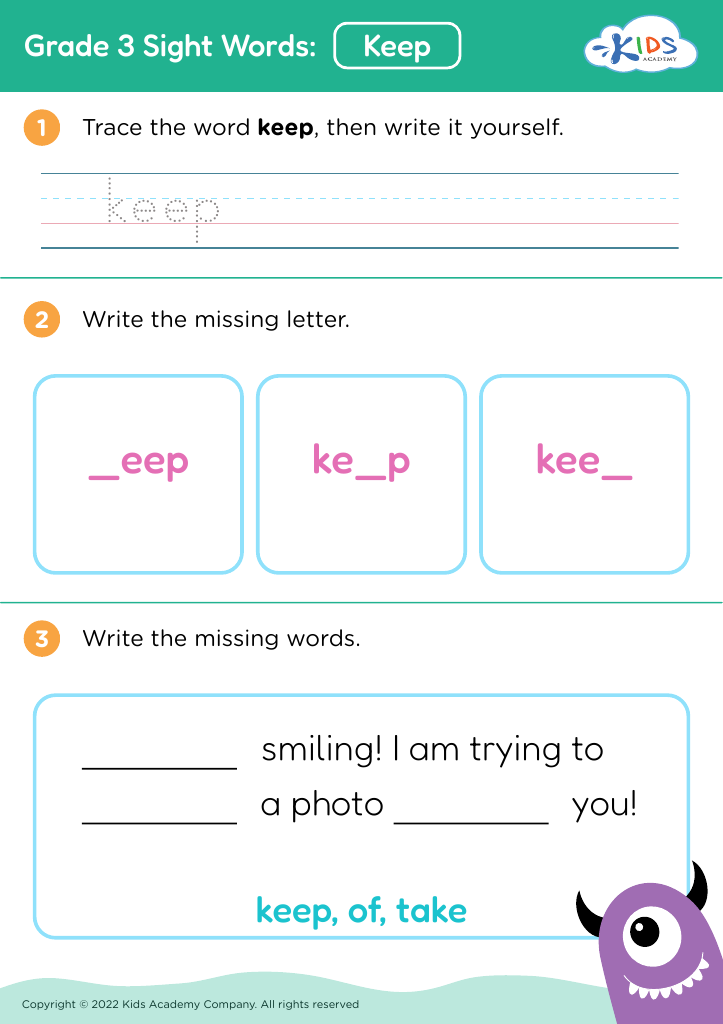
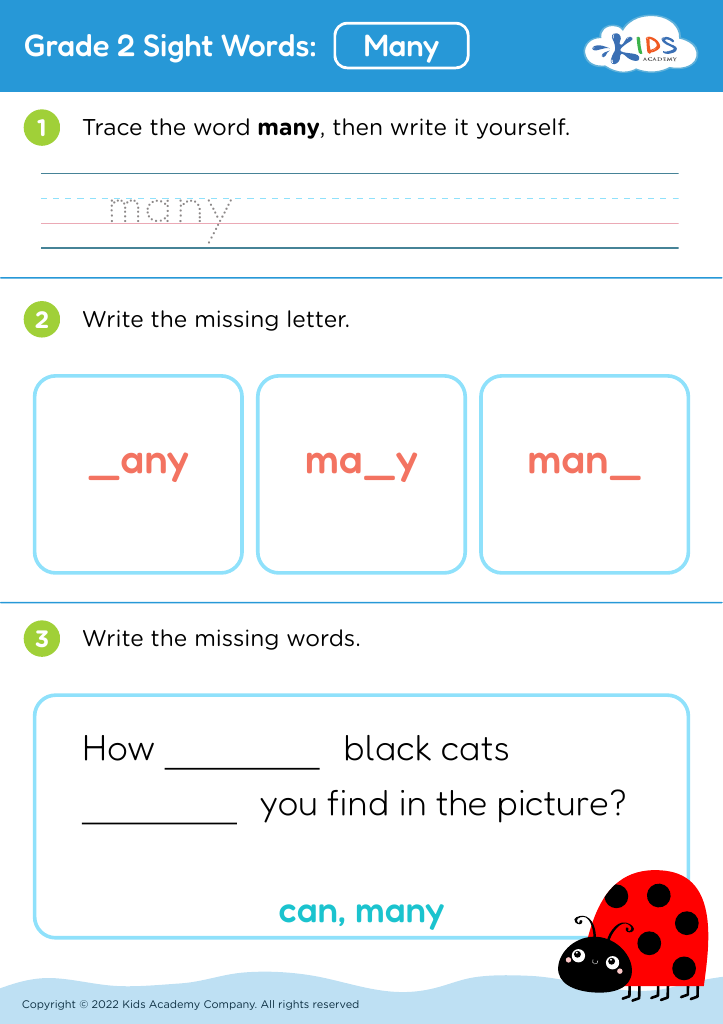
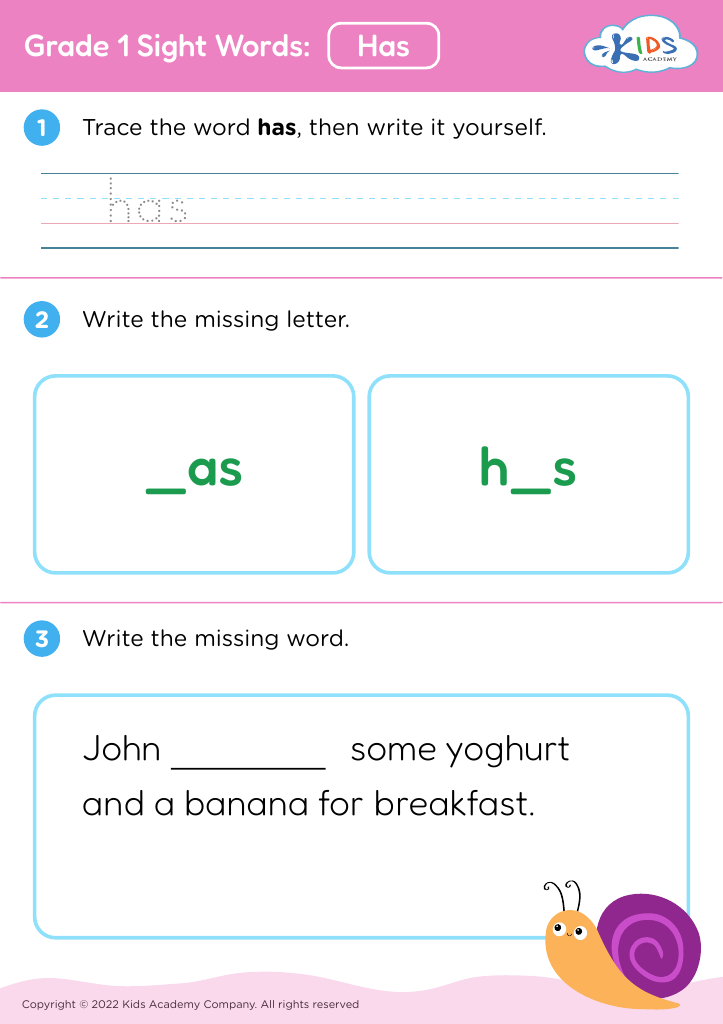
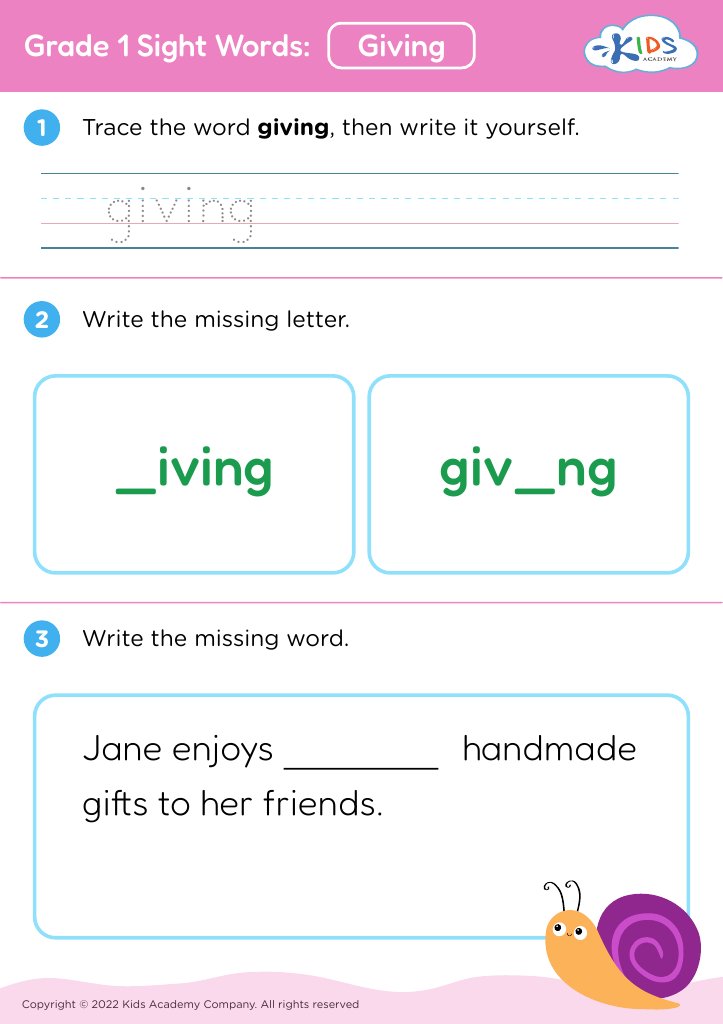
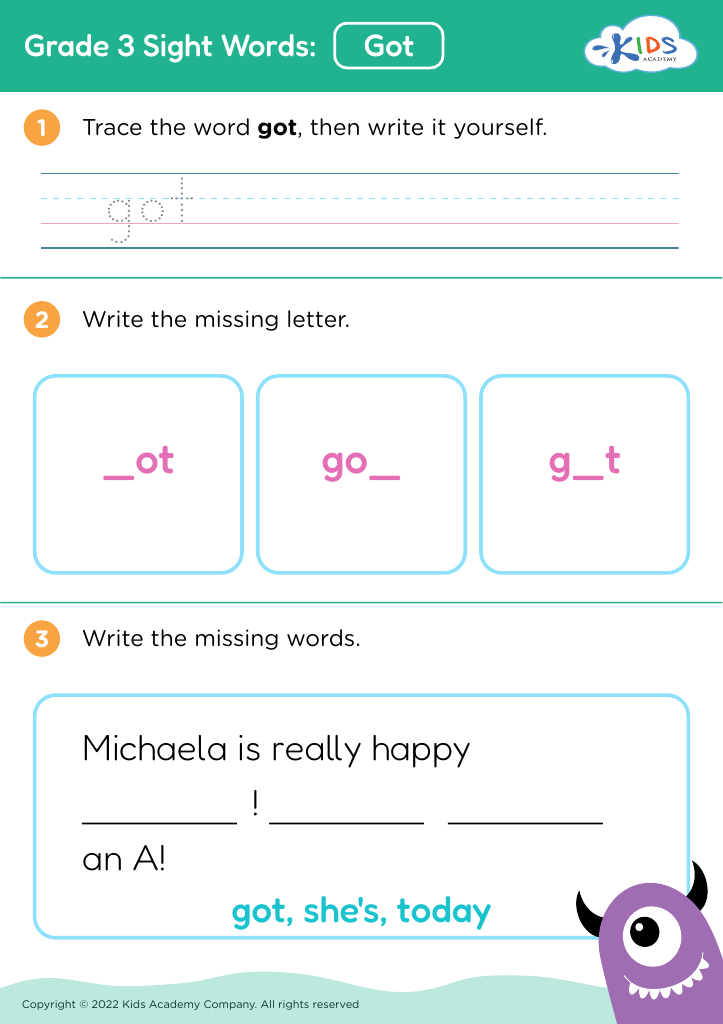
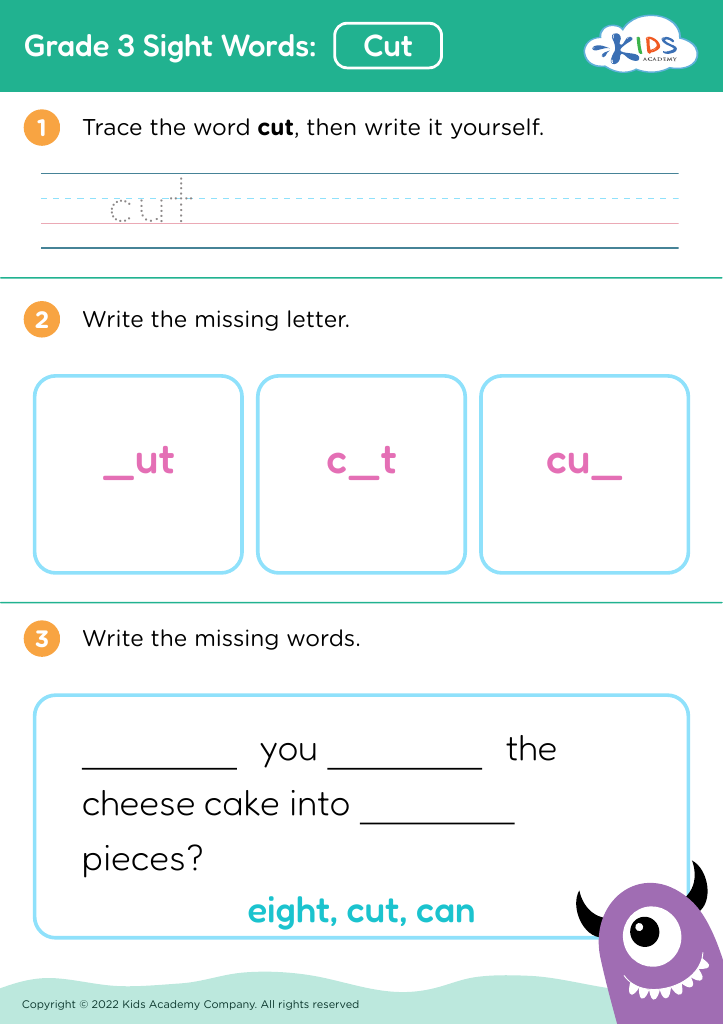
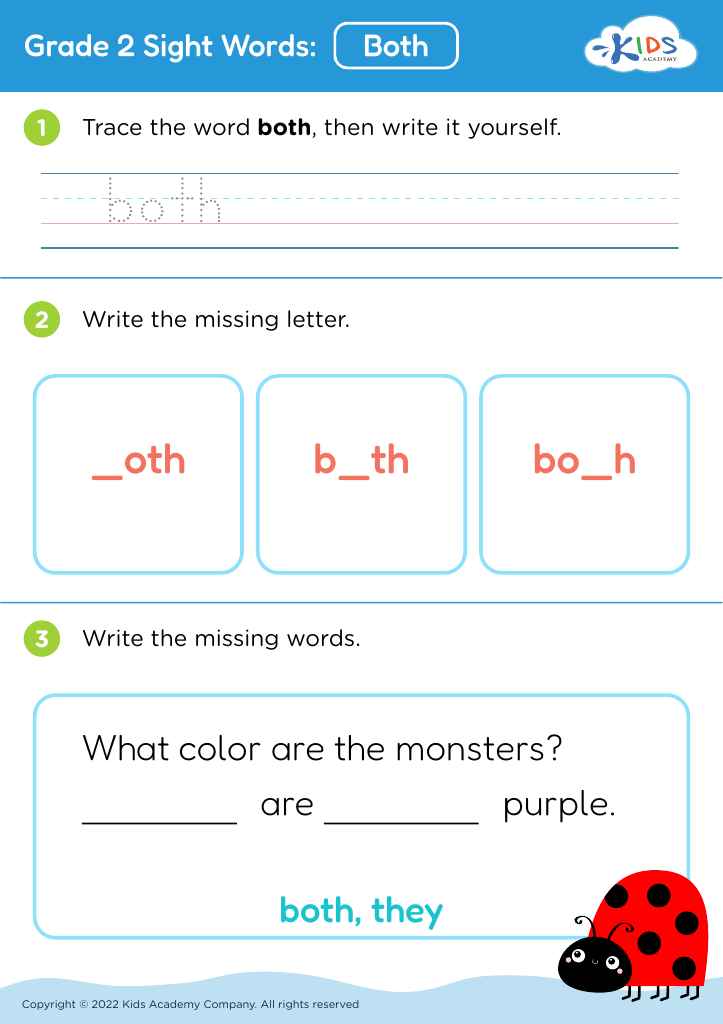
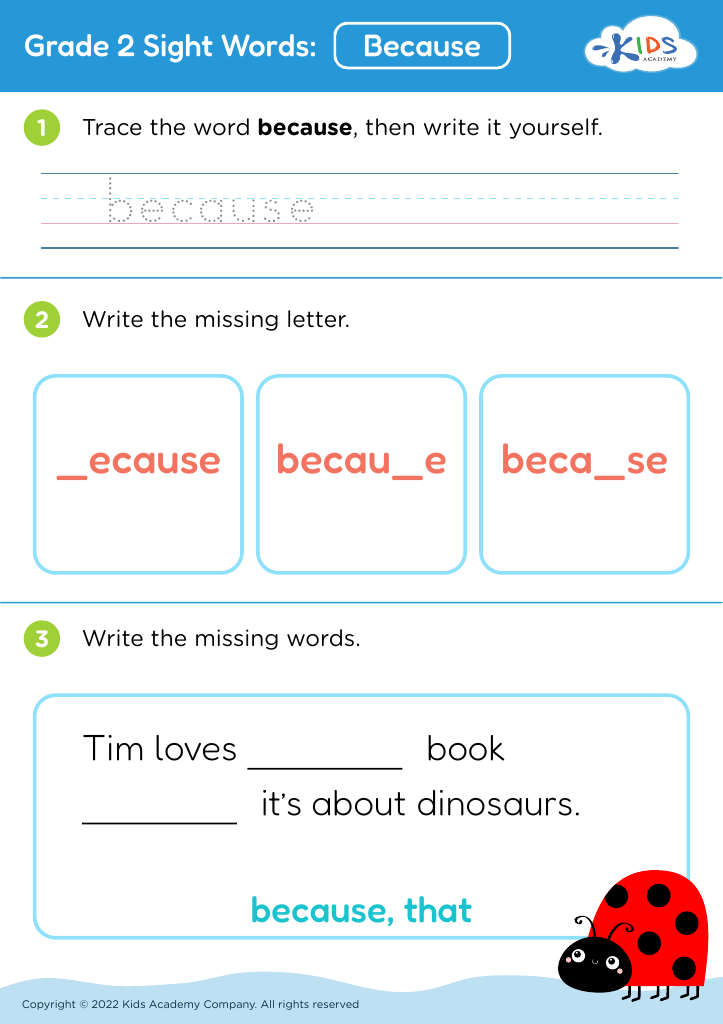
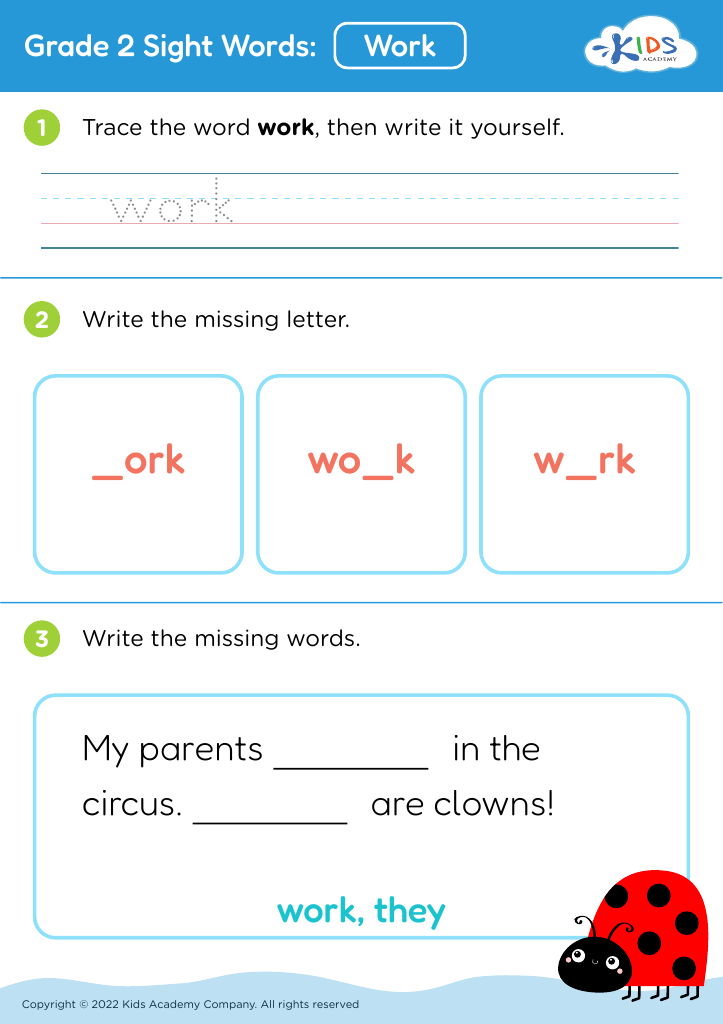








Comparing fractions and learning sight words are both foundational skills that play a crucial role in the cognitive and academic development of children aged 7-9. Fractions are essential not only in mathematics but in everyday life—they help kids understand parts of a whole, equivalency, and ratios, laying the groundwork for more complex math concepts they will encounter later on. Comparing fractions instills skills in problem-solving, critical thinking, and reasoning, which are indispensable in various subjects and real-world scenarios.
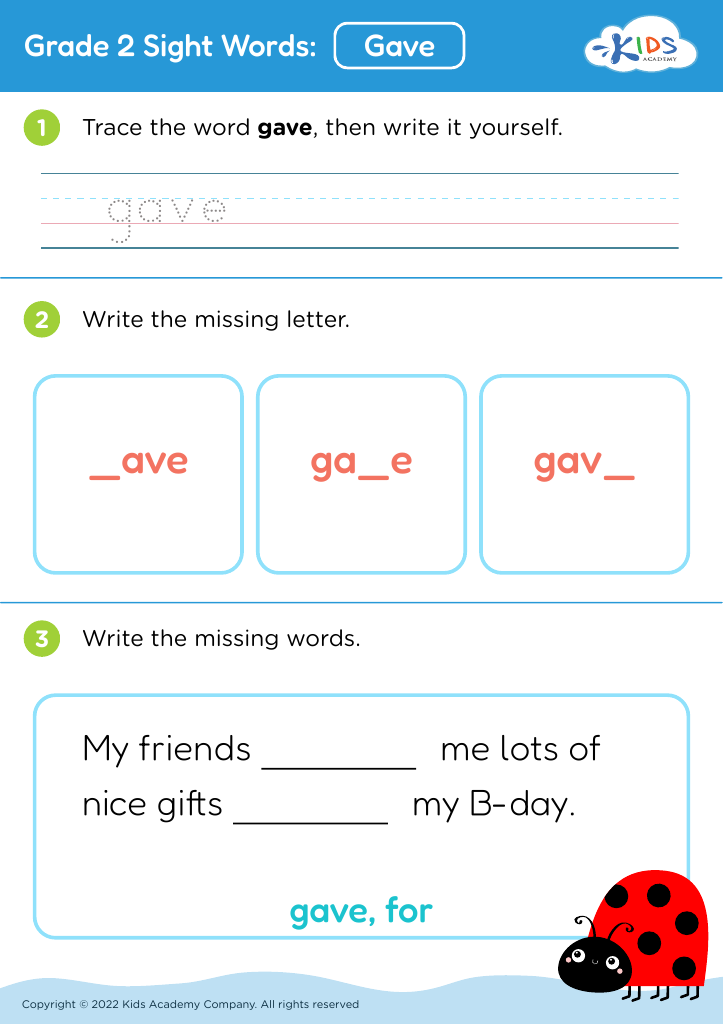
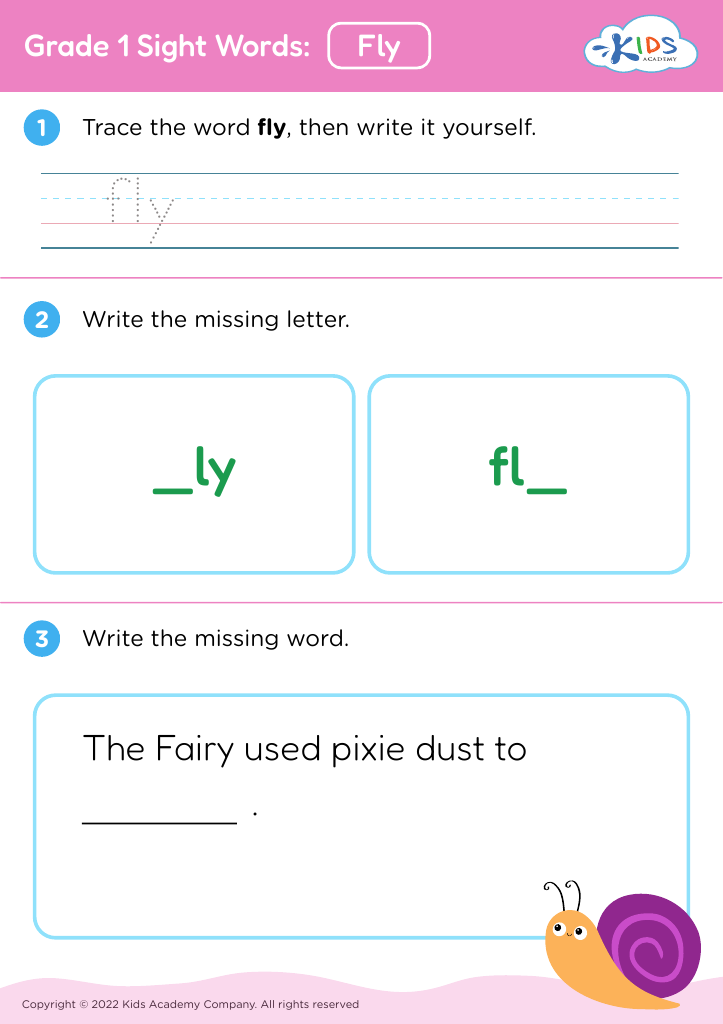
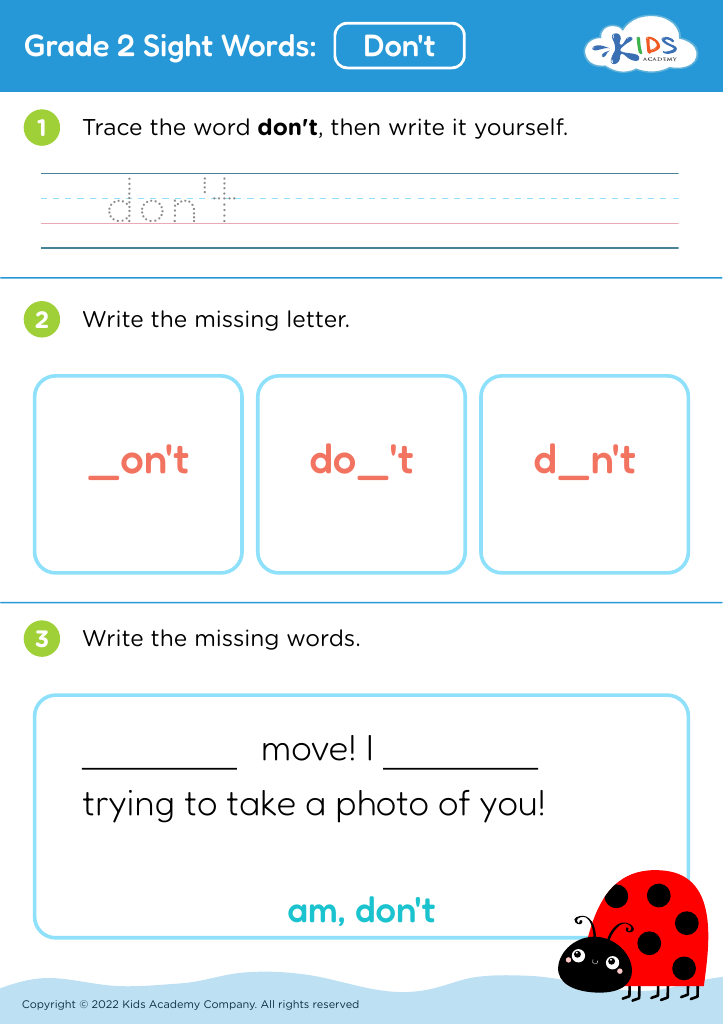
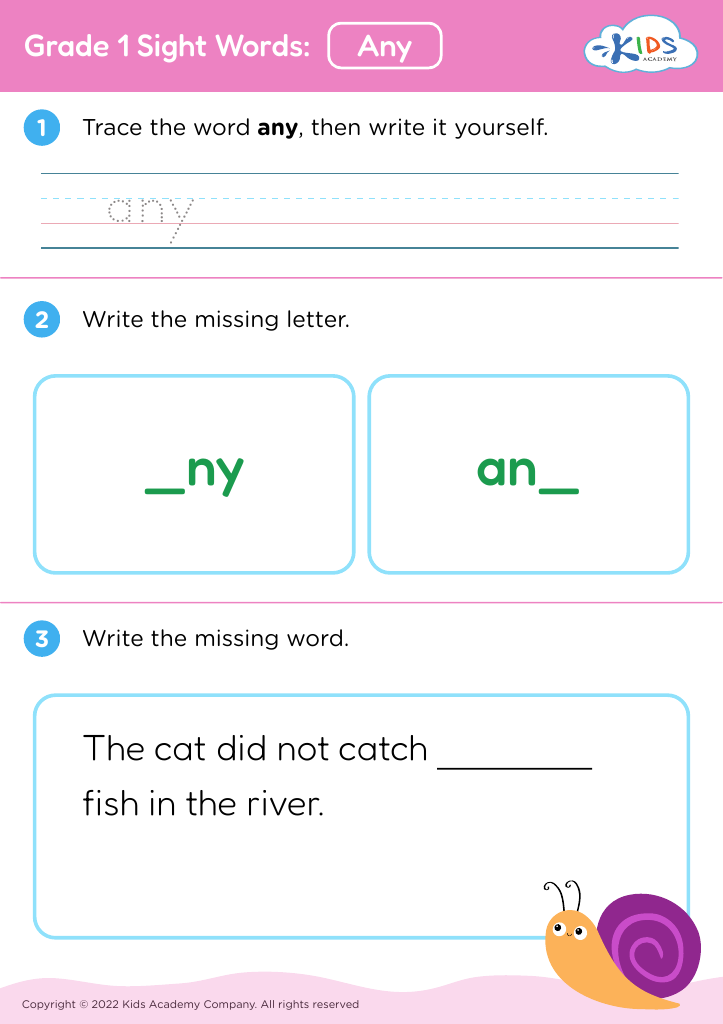
Sight words, on the other hand, are commonly occurring words that children are encouraged to recognize by sight rather than through phonics. Mastering sight words is fundamental for developing reading fluency, comprehension, and speed. It empowers students to focus on understanding the context and content of texts rather than decoding each word, thus enhancing their overall literacy and love for reading.
Parents and teachers should be attentive to these areas because they are interrelated cornerstone skills. Strong numeracy and literacy abilities developed at these formative ages pave the way for academic success across all subjects. When children grasp these concepts early, it increases their confidence and enthusiasm for learning, thus setting a positive trajectory for their educational journey and lifelong learning habits.