Fine Motor Skills Sight Words Worksheets for Ages 7-9
7 filtered results
-
From - To
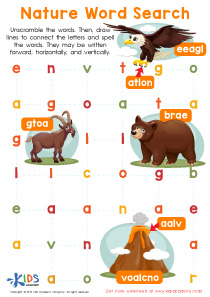
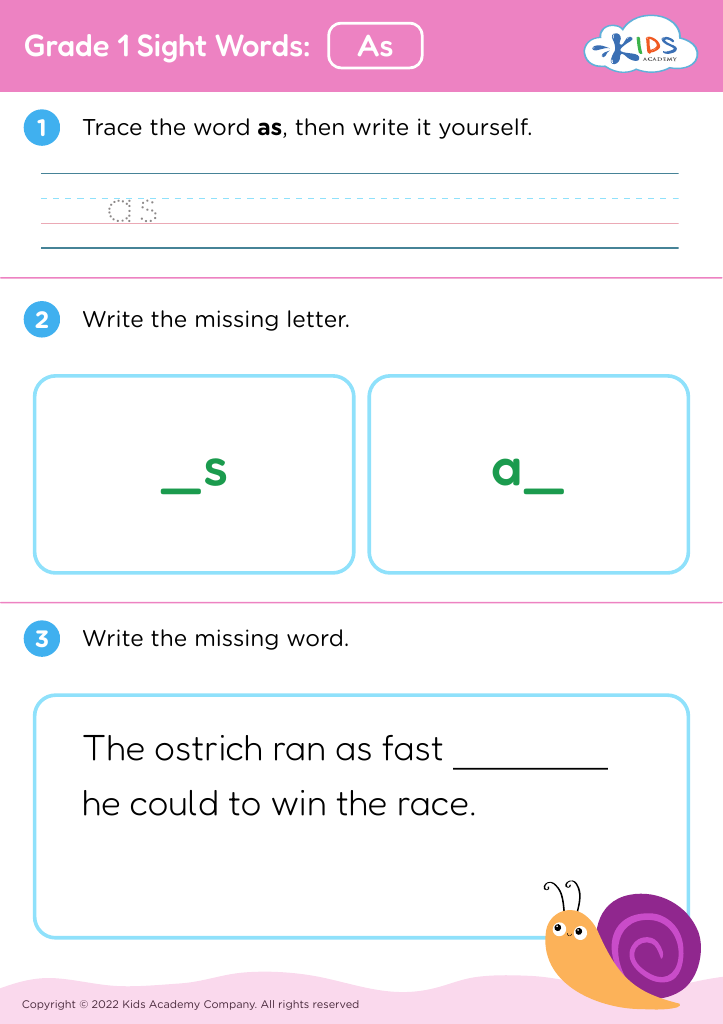
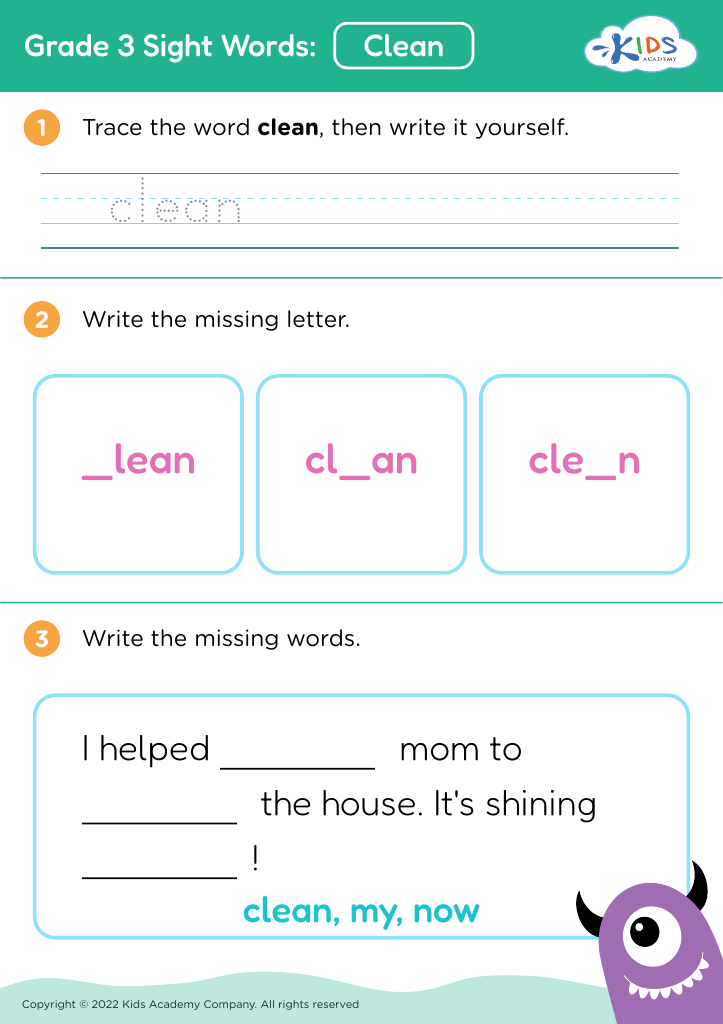
Enhance your child's reading journey with our Fine Motor Skills Sight Words Worksheets designed specifically for ages 7-9. These engaging worksheets not only improve sight word recognition but also support the development of essential fine motor skills. Children will learn through fun activities that combine tracing, coloring, and cutting, making learning interactive and enjoyable. Perfect for home or classroom settings, these worksheets promote fine coordination while helping kids boost their reading vocabulary. Give your child the tools to succeed and watch them gain confidence through practice. Explore our collection today and make learning both productive and fun!
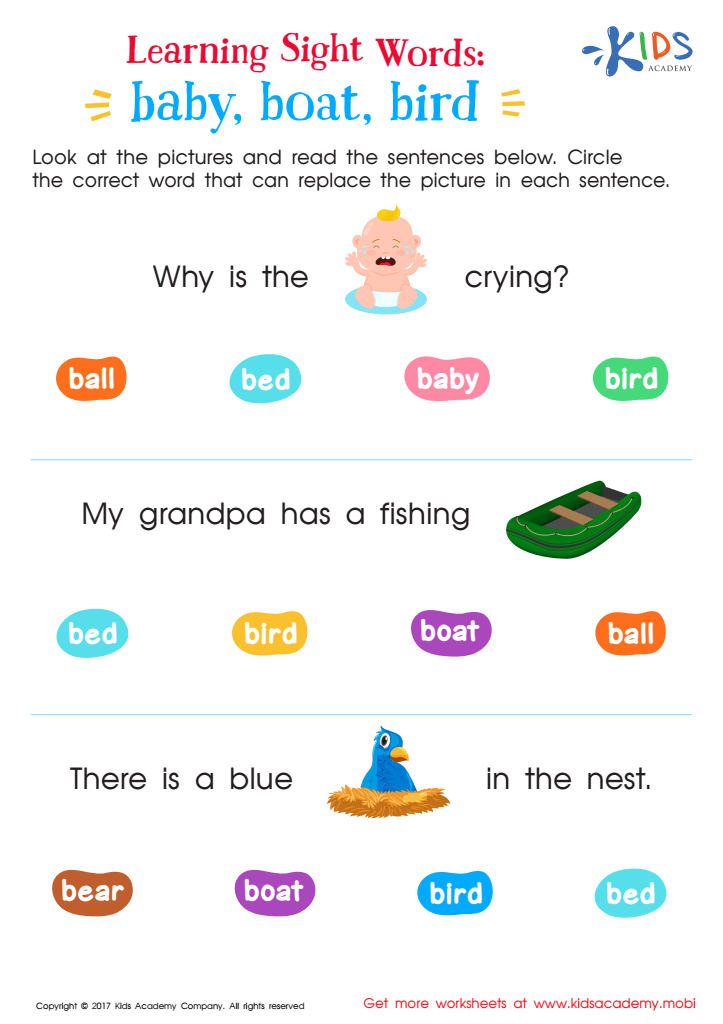
Baby, Boat, Bird Worksheet Sight Words Worksheet
 Assign to My Students
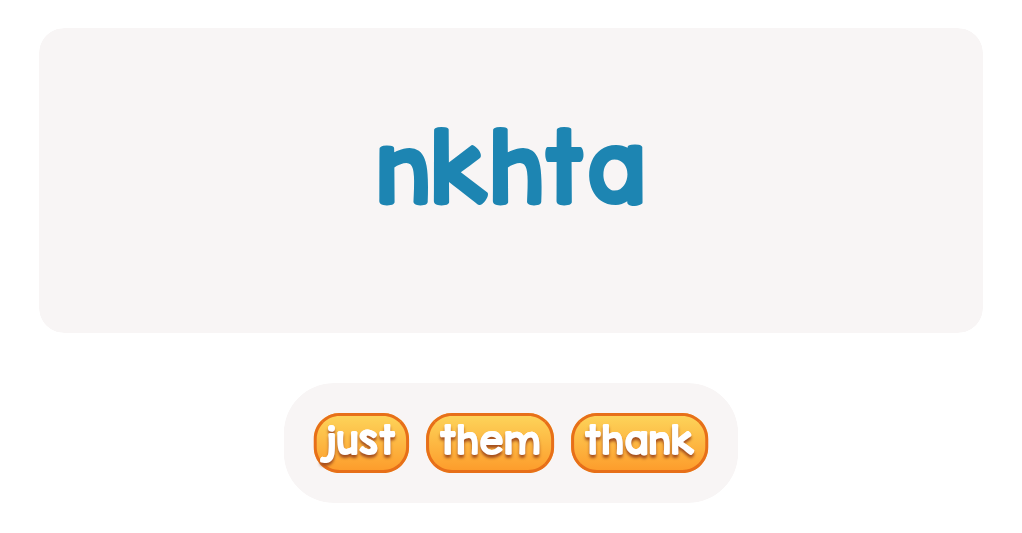







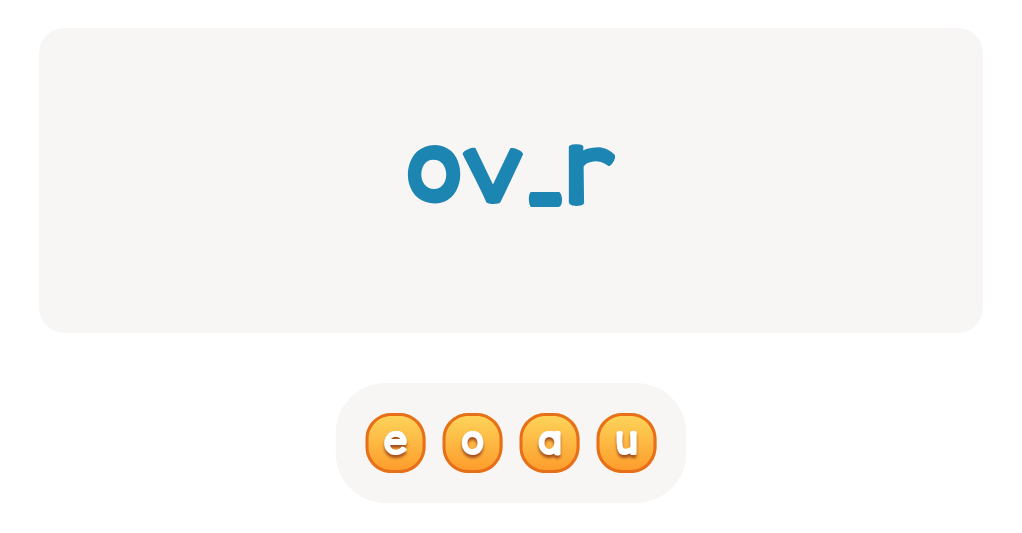
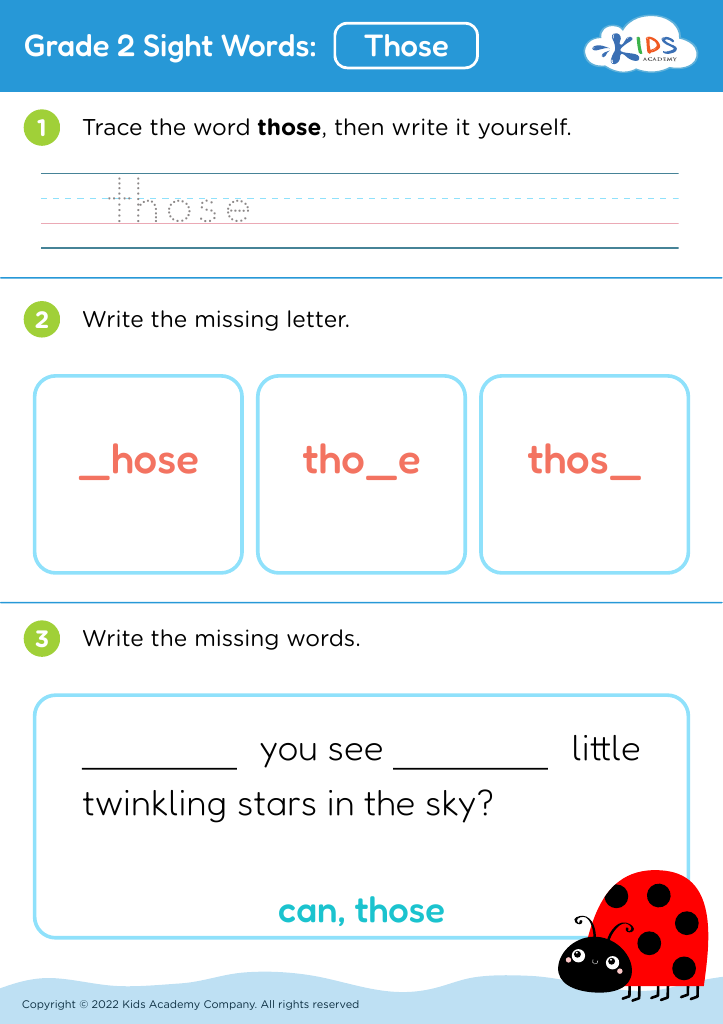
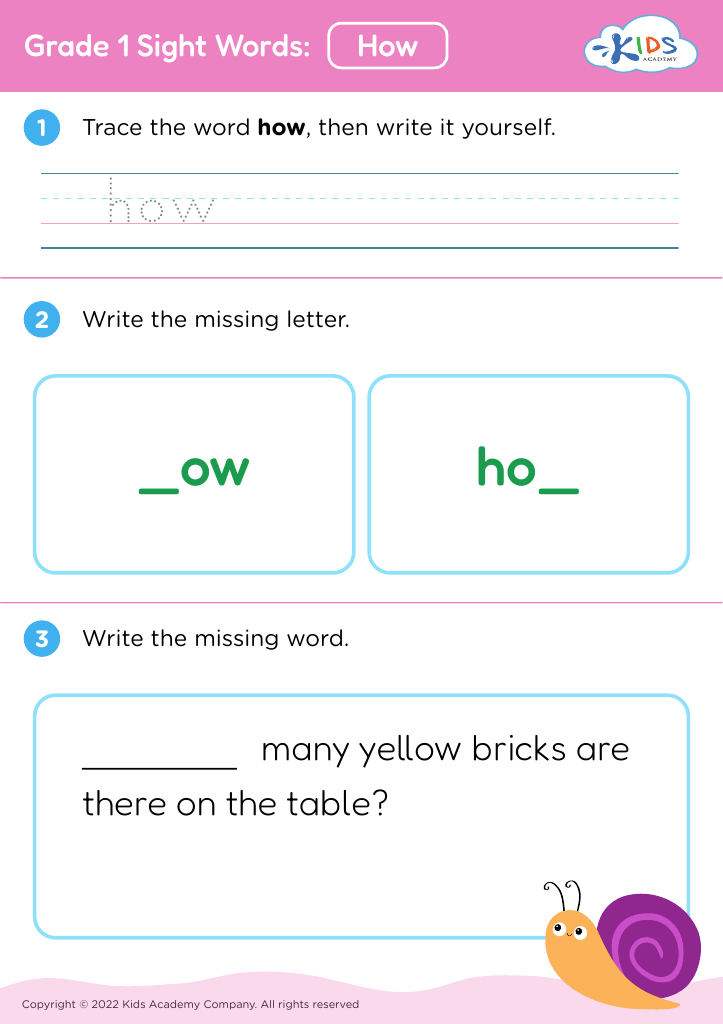
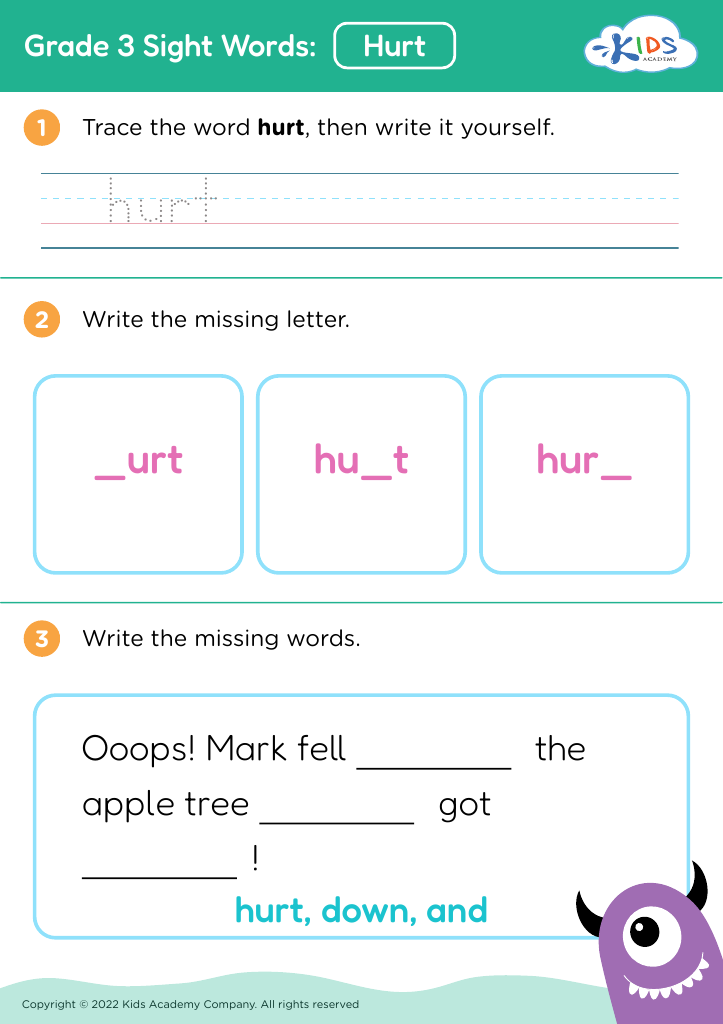
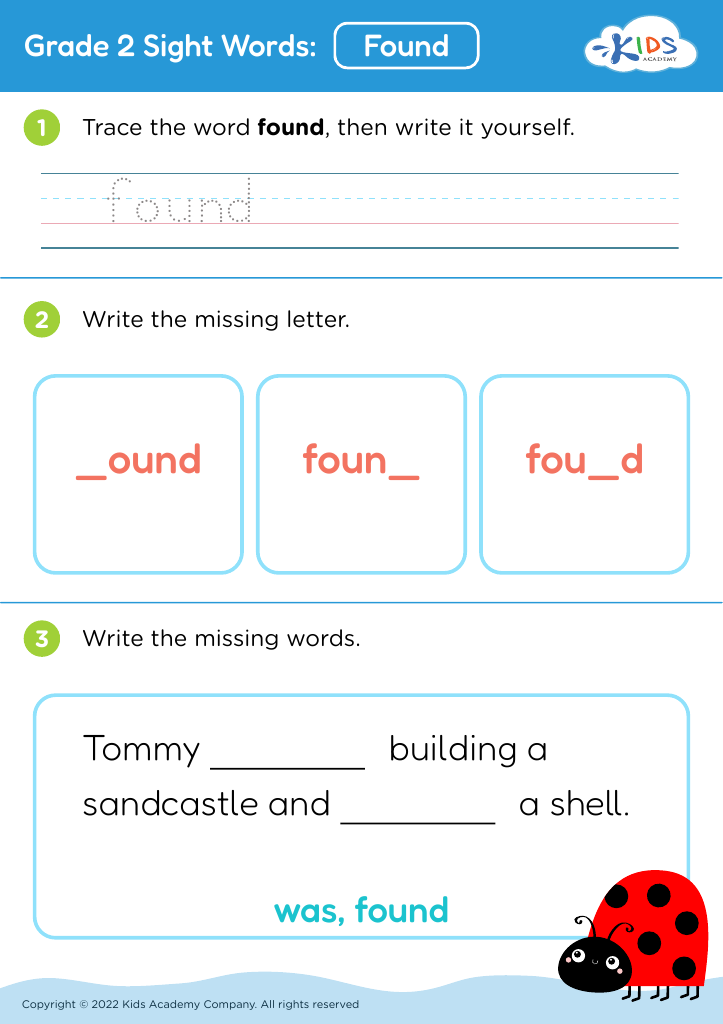



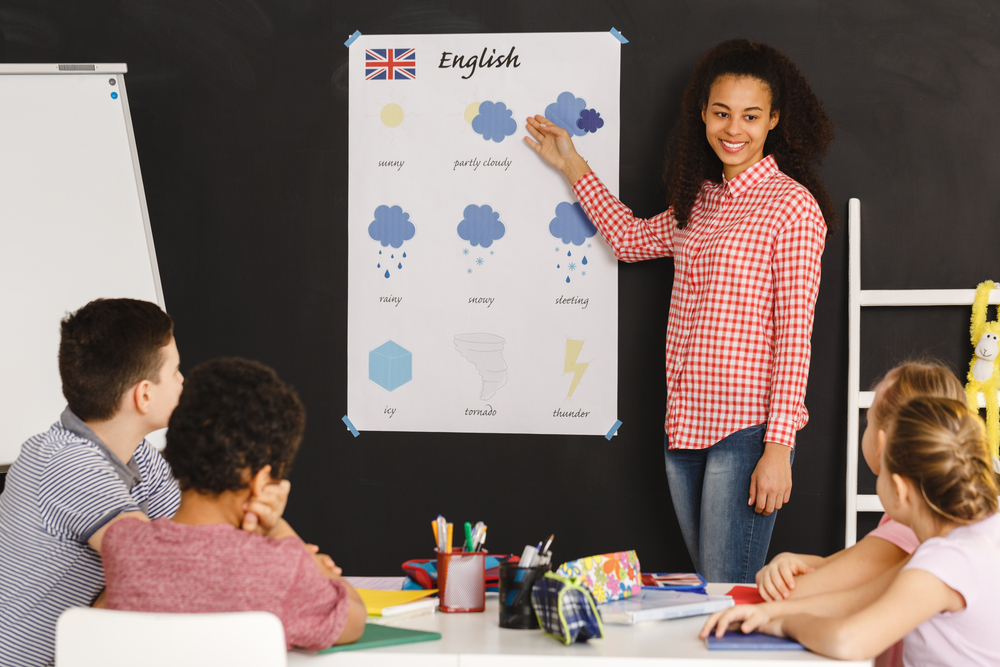




Fine motor skills and sight words are crucial components of a child’s early literacy development, especially for those aged 7 to 9. Throughout this age range, children are often expected to refine their writing abilities, as well as their reading fluency. Fine motor skills involve the use of smaller muscles in the hands and fingers, which are essential for writing, drawing, and manipulating objects. A well-developed dexterity allows children to form letters correctly, use scissors safely, and complete tasks with confidence, ultimately enhancing their academic performance.
Sight words, or high-frequency words that children can recognize instantly, play a significant role in reading comprehension. By increasing their sight word vocabulary, children improve their reading fluency and become more confident readers. This enables them to focus on understanding the text instead of decoding words one by one.
When parents and teachers prioritize both fine motor skills and sight words, they support a holistic approach to literacy. Engaging in activities that develop these skills can foster a positive attitude toward learning, encouraging children to read more and express themselves effectively through writing. Revolutionizing these foundational skills equips children with essential tools for success in the classroom and beyond.