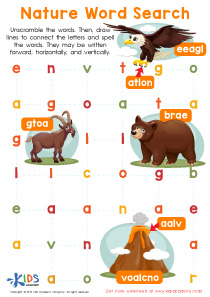
Fraction simplification Sight Words Worksheets for Ages 7-9
10 filtered results
-
From - To
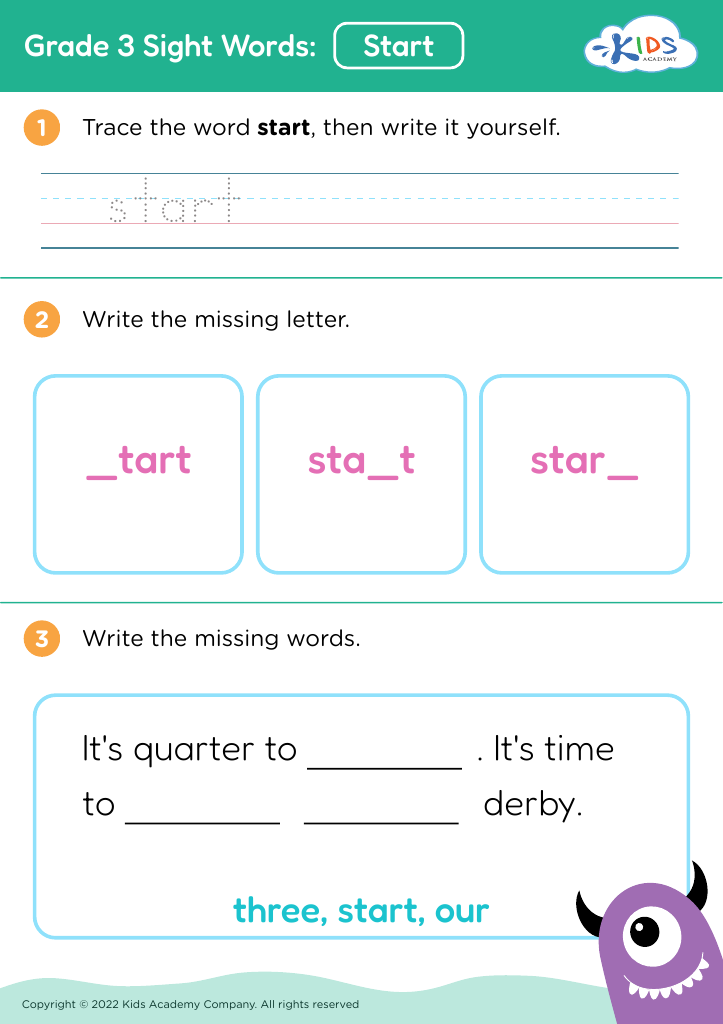
Enhance your child’s literacy and math skills with our engaging Fraction Simplification Sight Words Worksheets, designed specifically for ages 7 to 9. These printable resources seamlessly combine the mastery of sight words with essential math concepts, ensuring a holistic learning experience. Kids will develop their reading fluency while learning to simplify fractions, making math both fun and accessible. Perfect for home or classroom use, these worksheets promote independent learning and reinforce vocabulary through targeted practice. Watch as your child gains confidence in both their reading and mathematical abilities with our thoughtfully crafted exercises. Download now and support their educational journey!
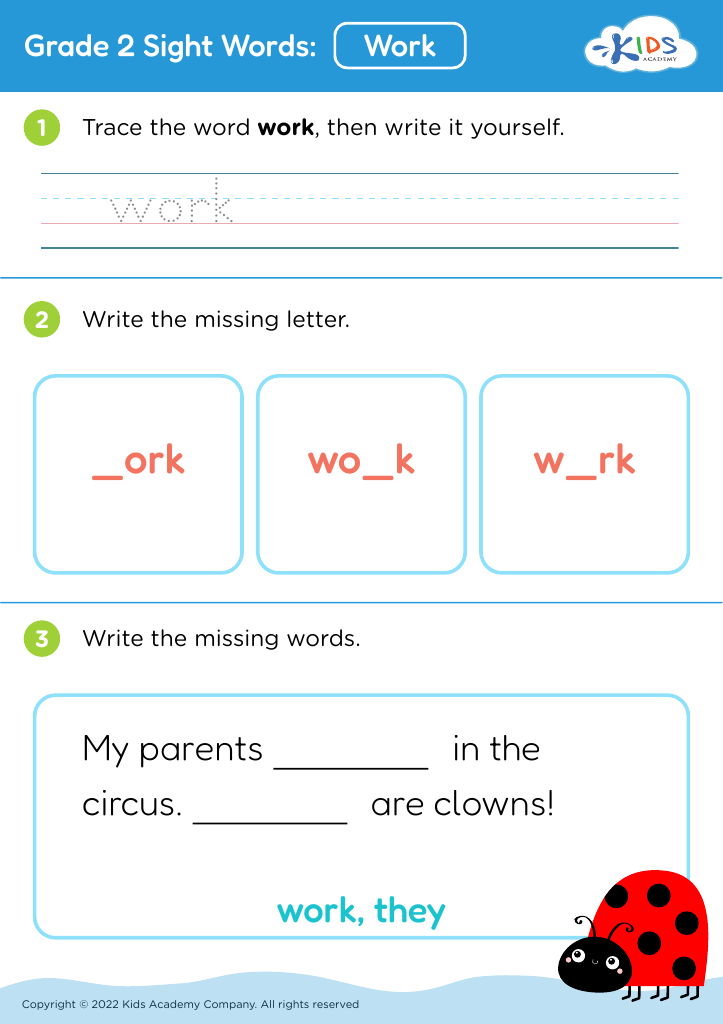




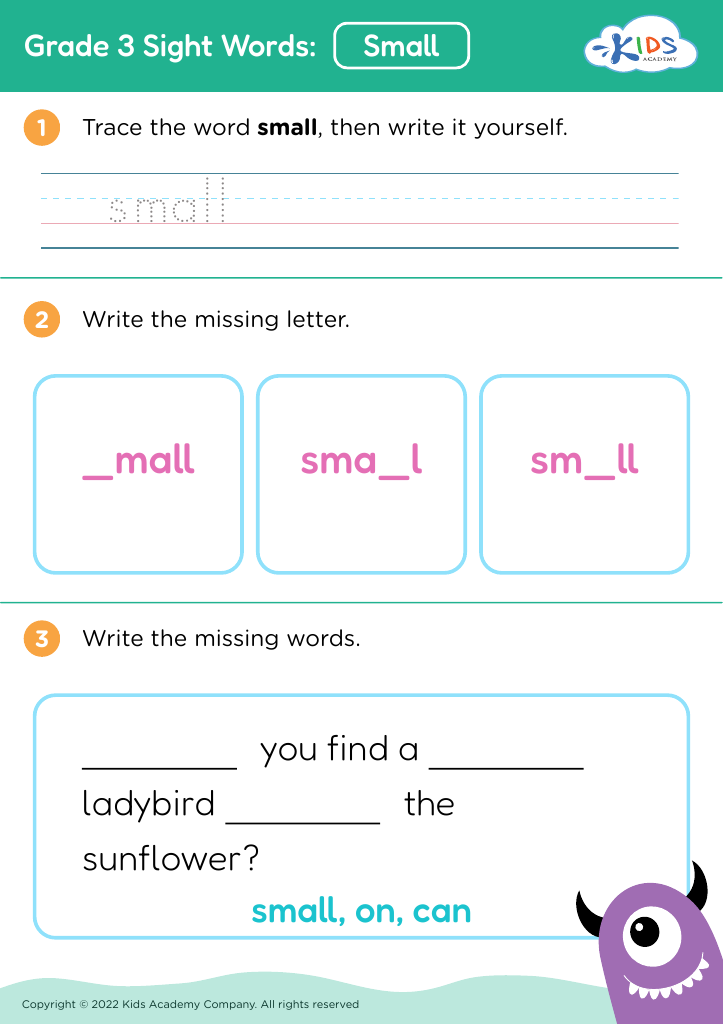
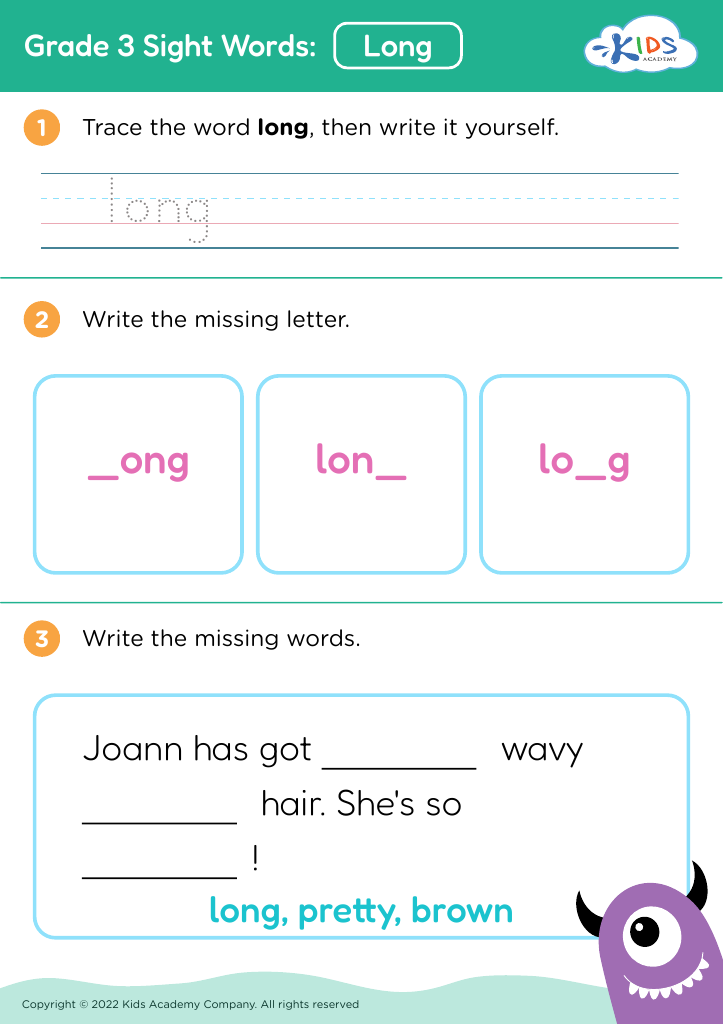
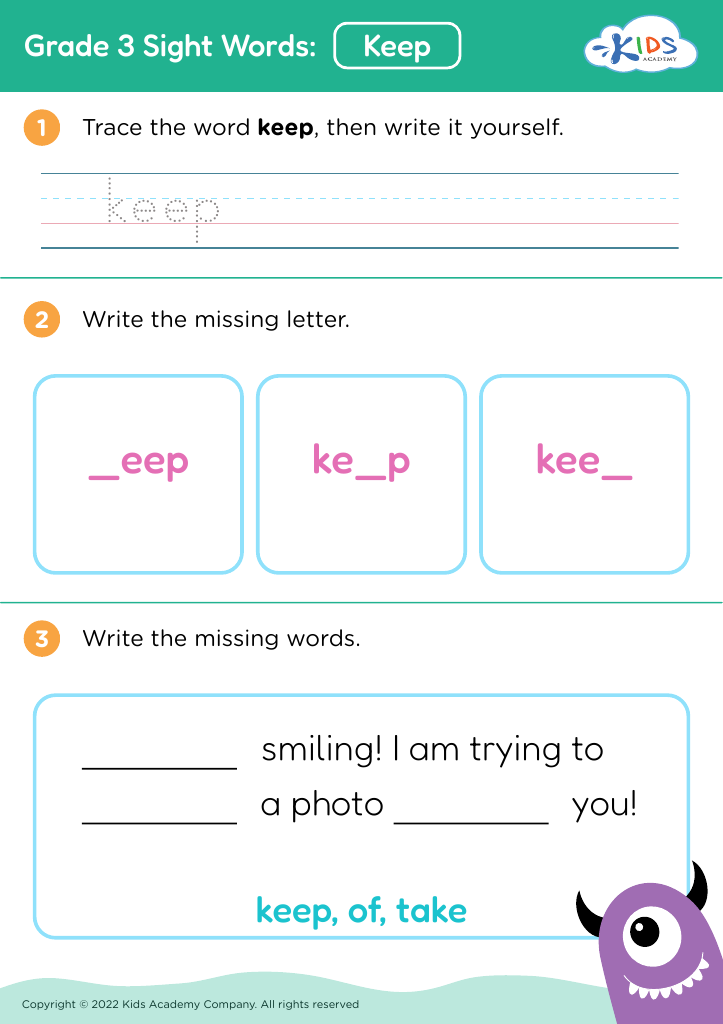
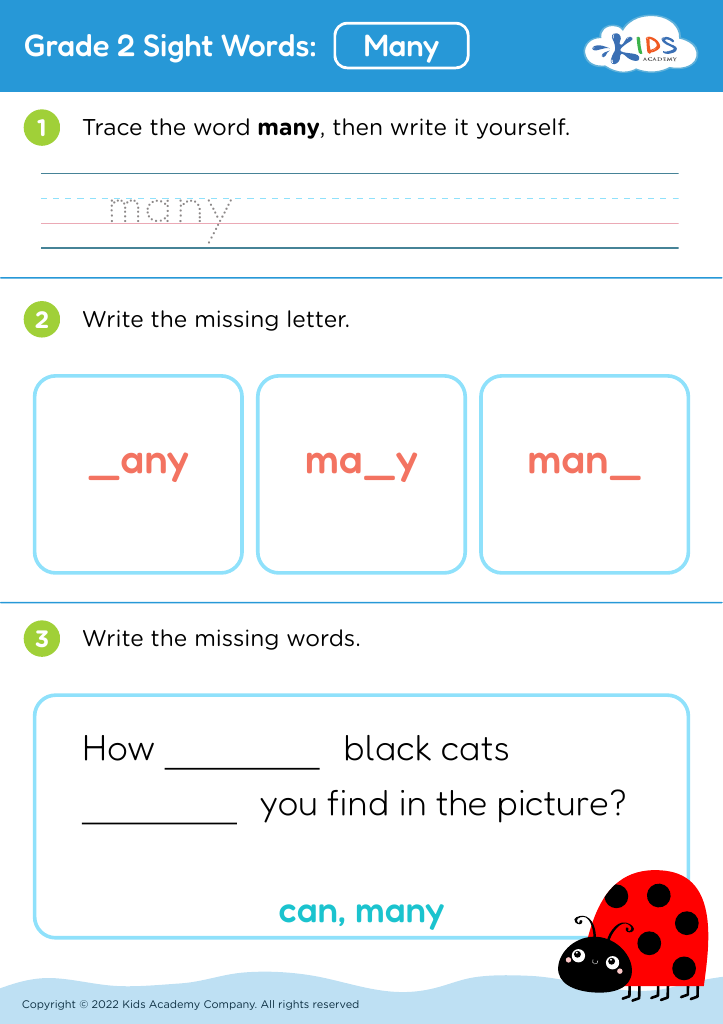
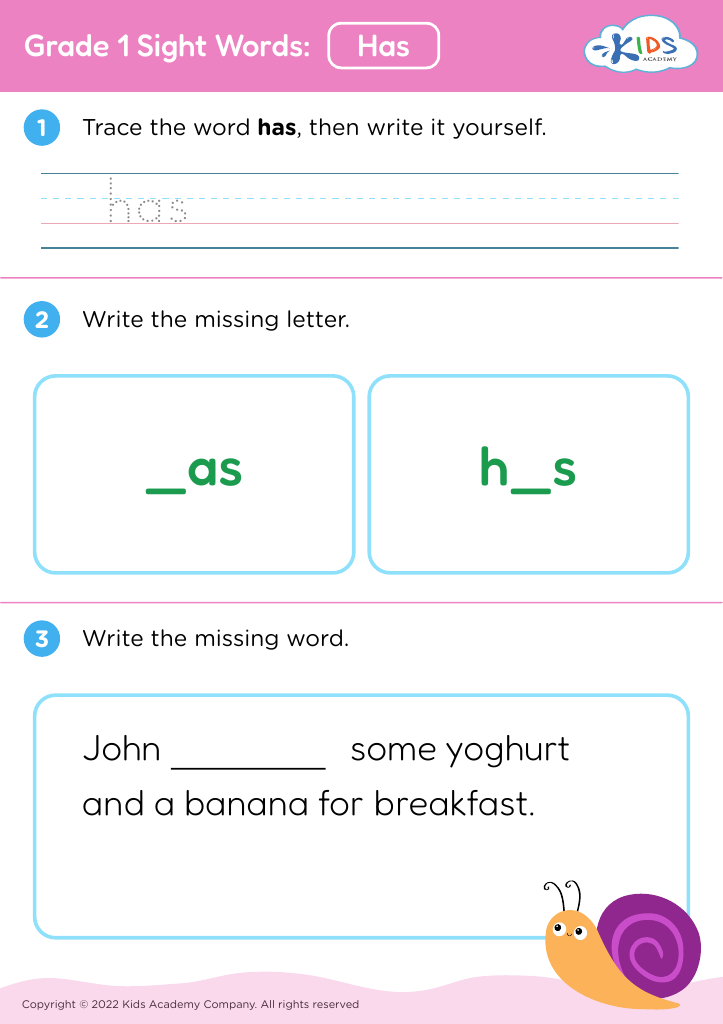
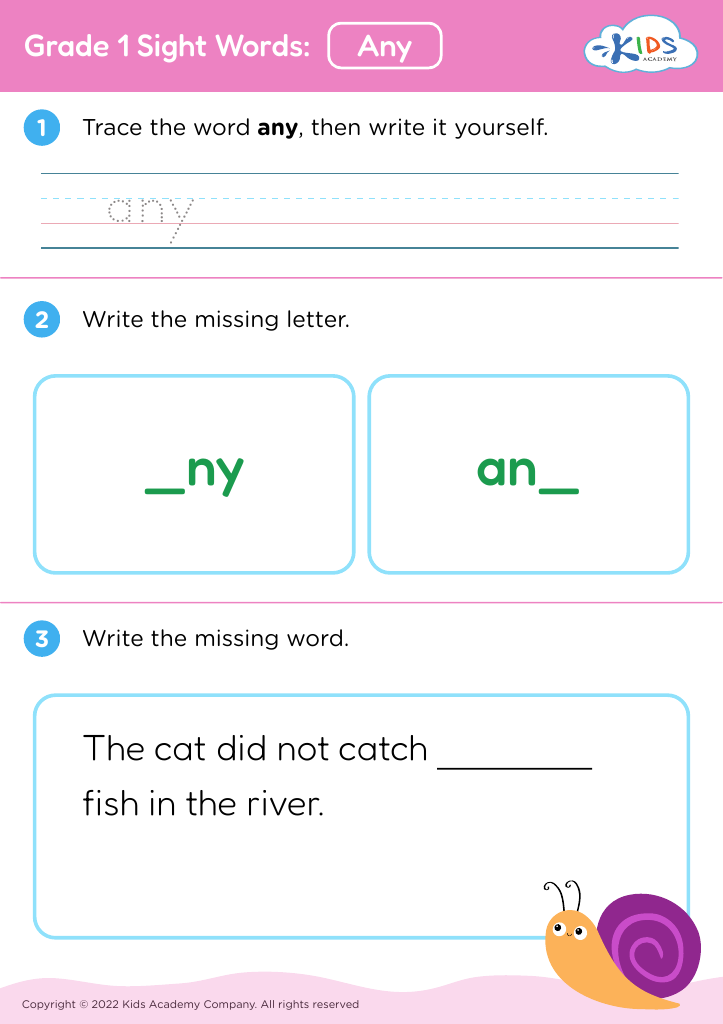
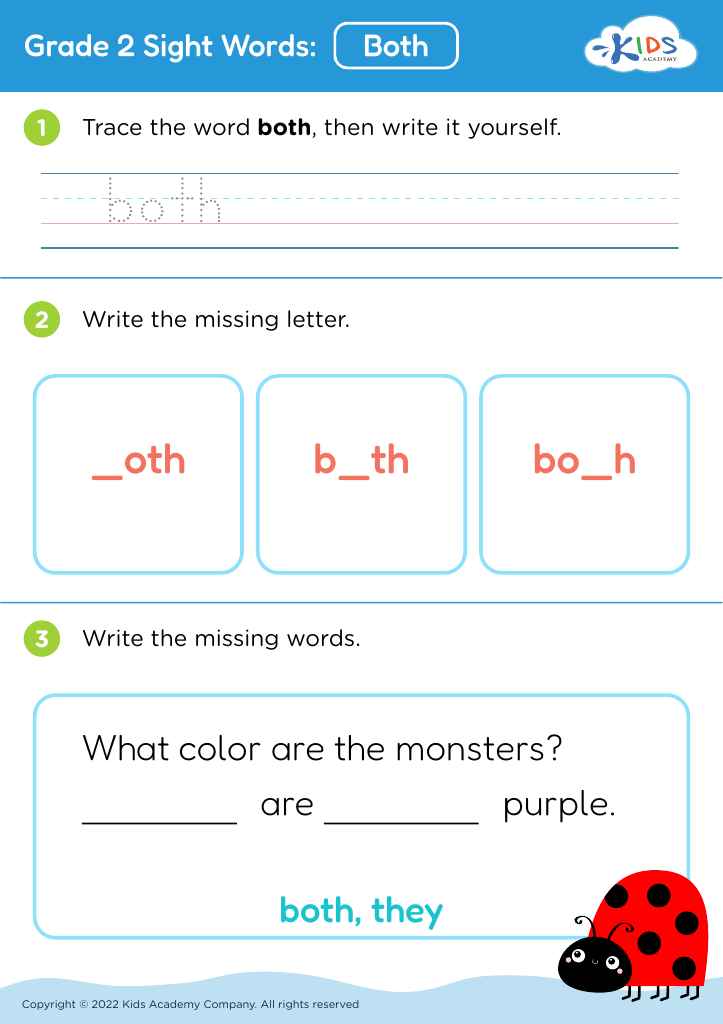
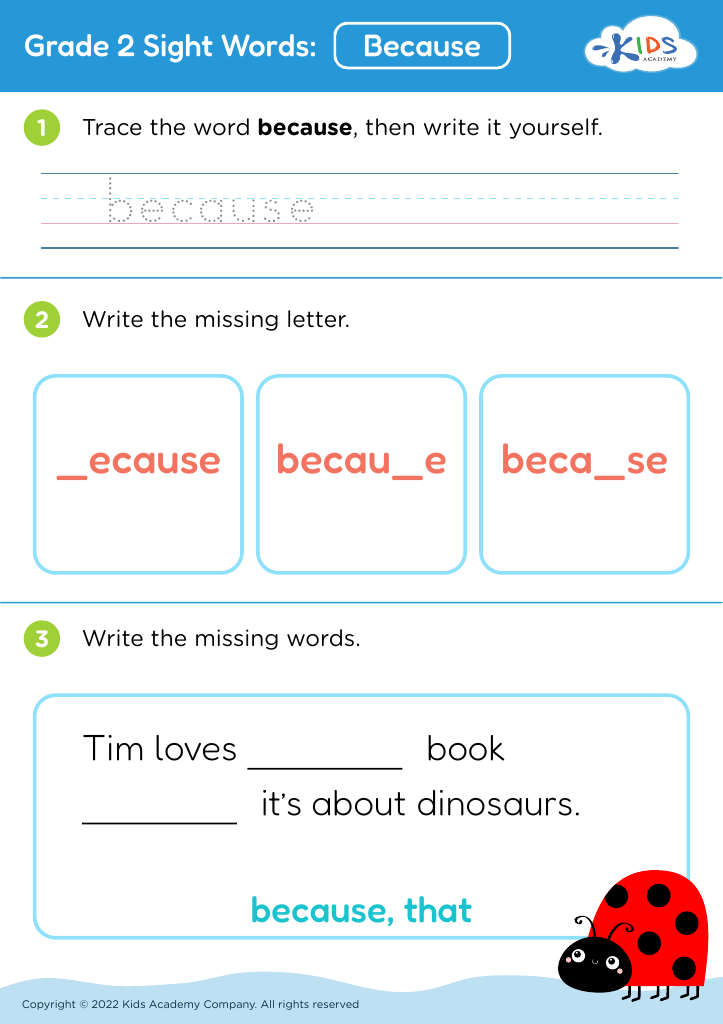







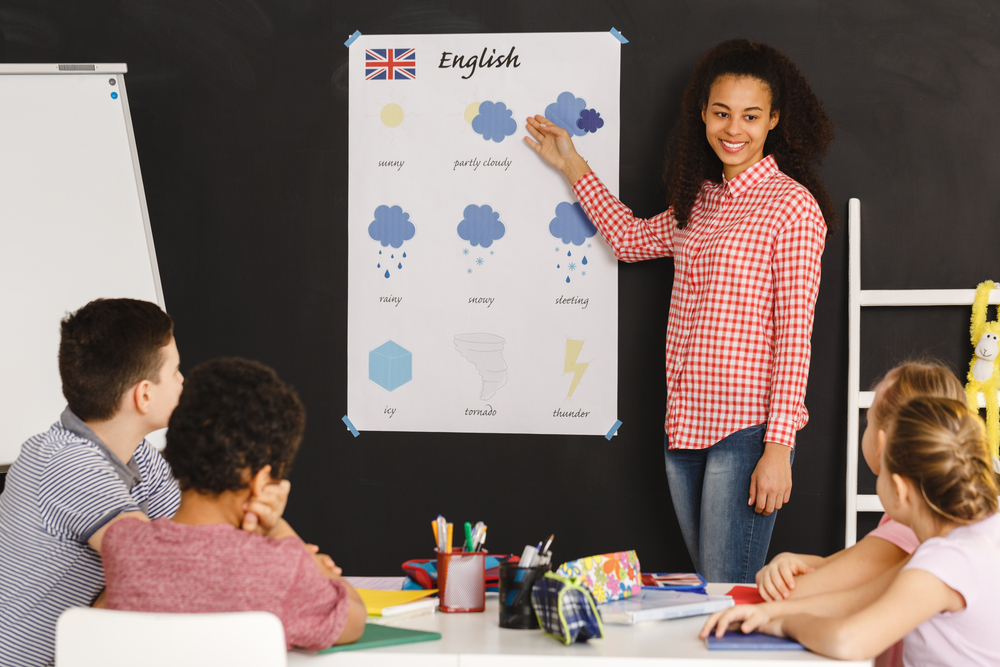
Parents and teachers should prioritize "Fraction Simplification Sight Words" for children ages 7-9, as it serves a dual purpose: enhancing math skills and building vocabulary. At this developmental stage, kids are mastering both foundational math concepts and language comprehension, crucial for academic success.
Understanding fractions is vital; it underpins future math topics, including ratios, proportions, and algebra. Learning to simplify fractions not only helps children calculate more efficiently but also develops their problem-solving skills. Incorporating sight words related to fractions allows children to grasp complex ideas more easily, promoting confidence and fluency in math-related discussions.
Furthermore, sight words improve reading skills. Kids should recognize these terms effortlessly to build connections between their verbal and numerical expressions. This familiarity ultimately fosters a positive attitude towards math, reducing anxiety around complex topics.
Working with fraction simplification sight words can lead to engaging and interactive learning experiences. Parents and teachers can facilitate fun activities, such as card games or word puzzles, that blend vocabulary and fractions. By focusing on this dual aspect of education, adults create a supportive learning environment and lay a strong foundation for students' lifelong mathematical abilities and literacy.