Recognizing shapes Sight Words Worksheets for Ages 7-9
7 filtered results
-
From - To
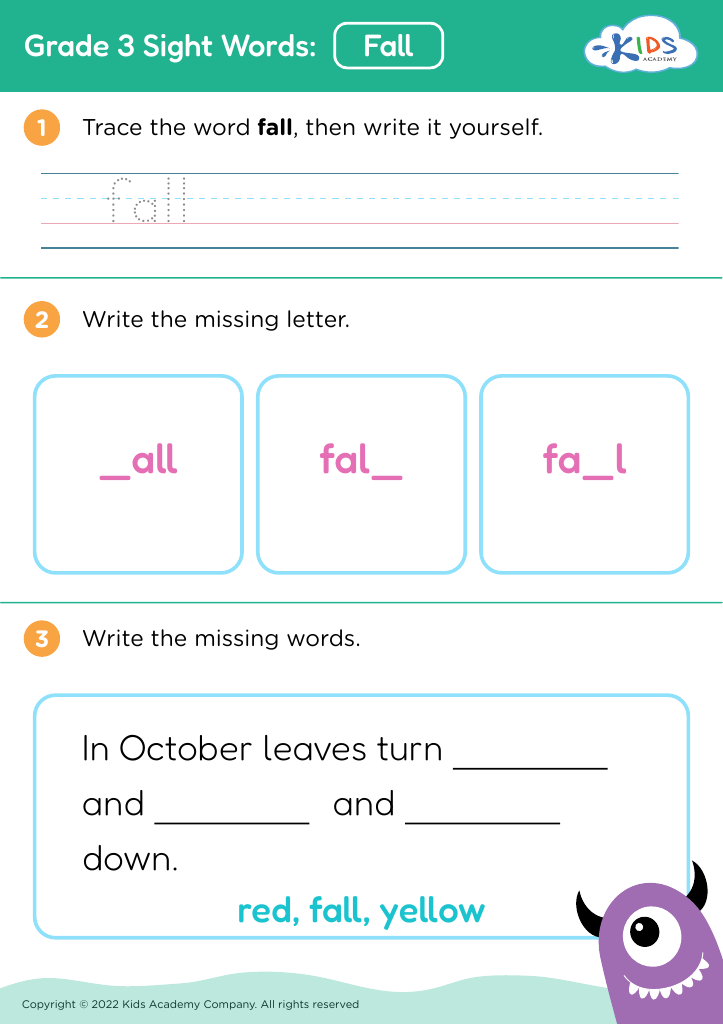
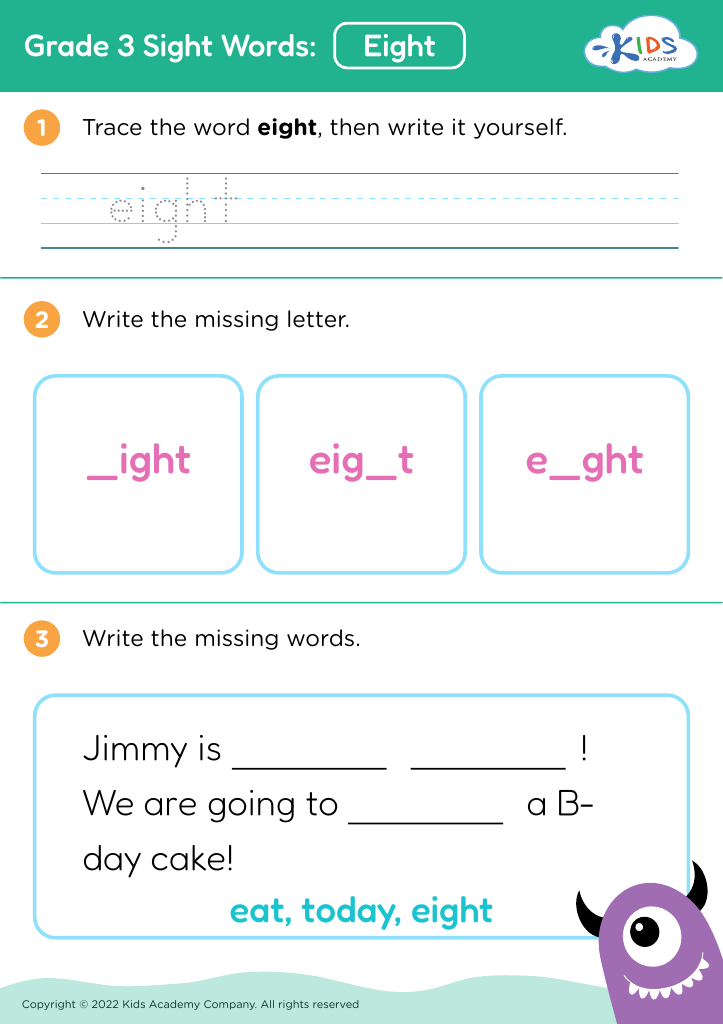
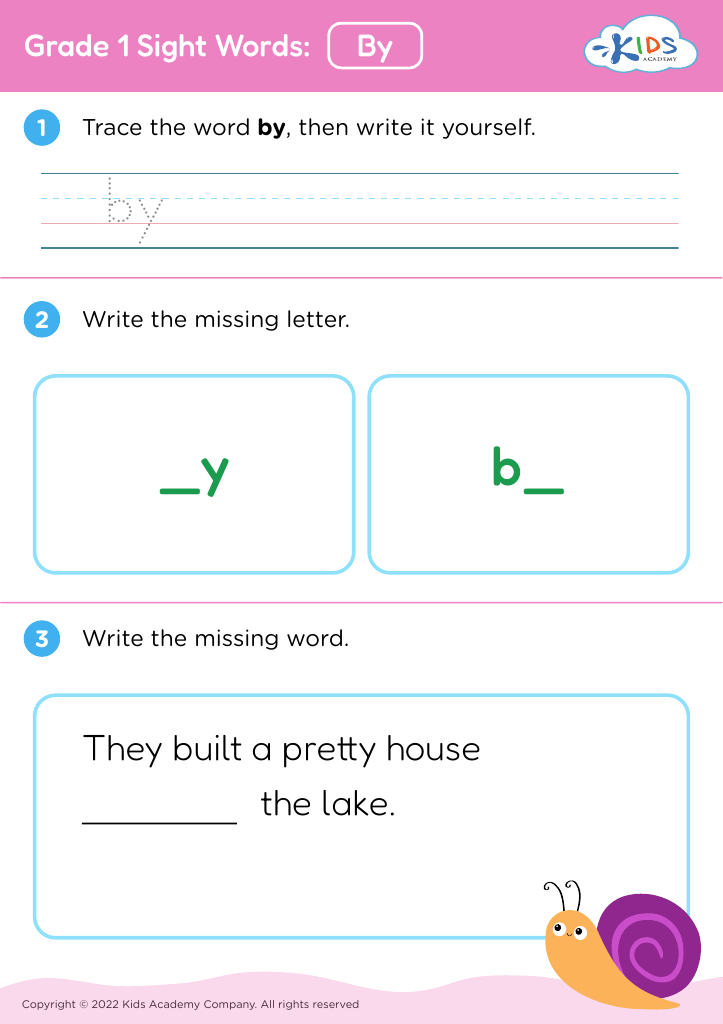
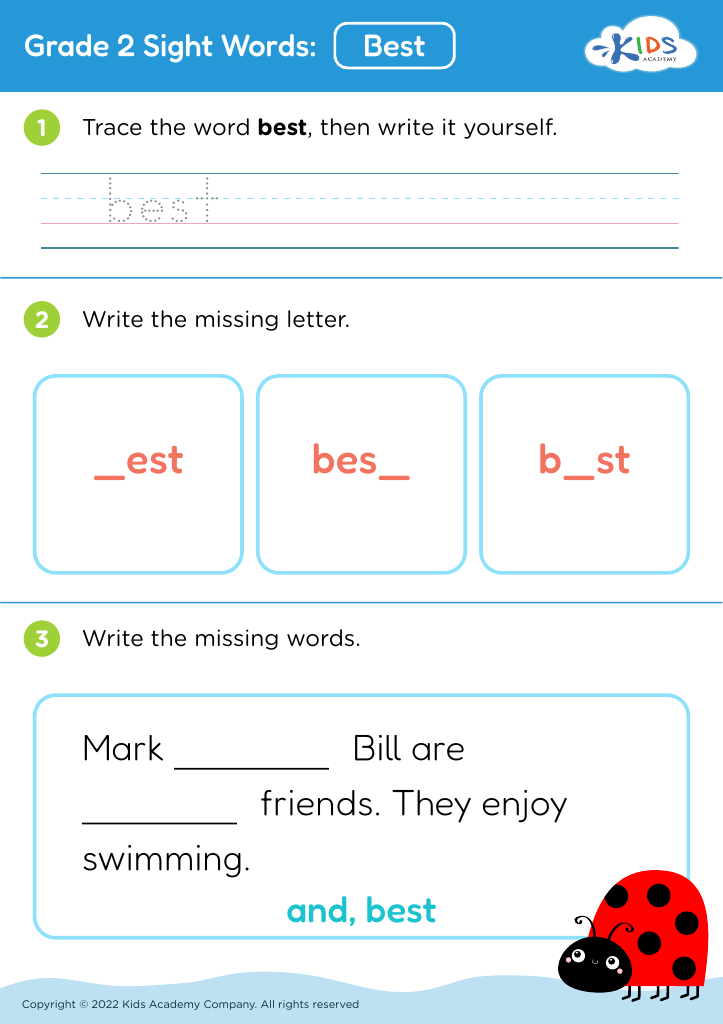
Our "Recognizing Shapes Sight Words Worksheets for Ages 7-9" offer an engaging way to blend foundational geometry with essential literacy skills. Perfectly designed for elementary students, these worksheets help children identify and name various shapes while reinforcing sight word recognition. Each fun and colorful activity promotes visual learning, phonetic reinforcement, and cognitive development. These printable resources are ideal for both classroom and home use, ensuring kids master important skills in an enjoyable and interactive way. Boost your child's academic success with our educational, expertly crafted worksheets that turn learning into a delightful experience!
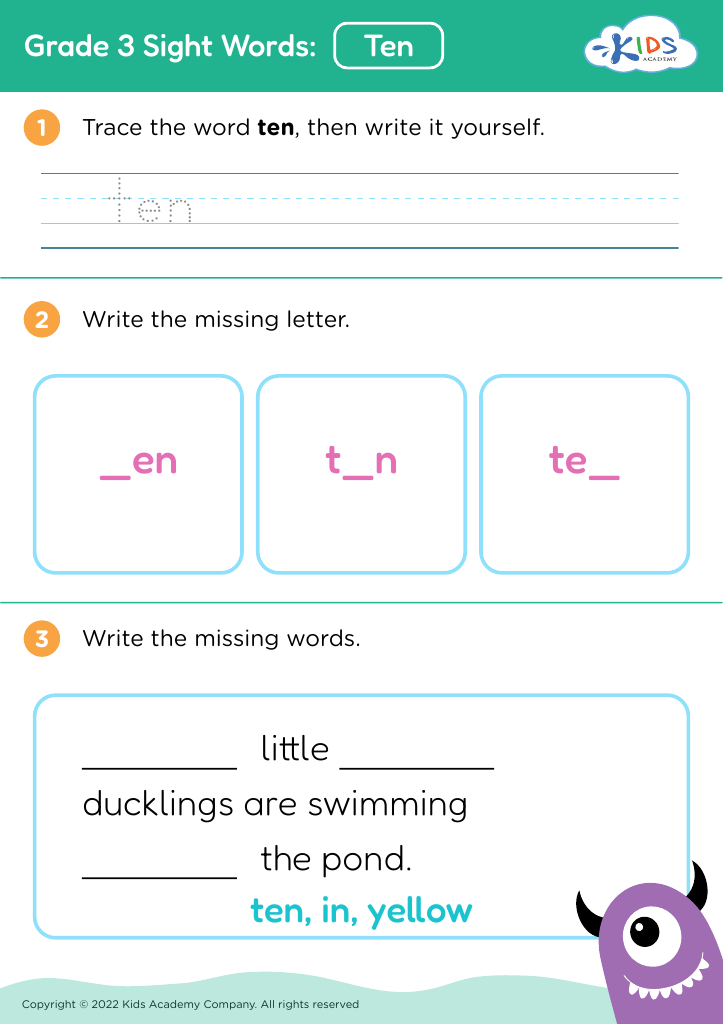





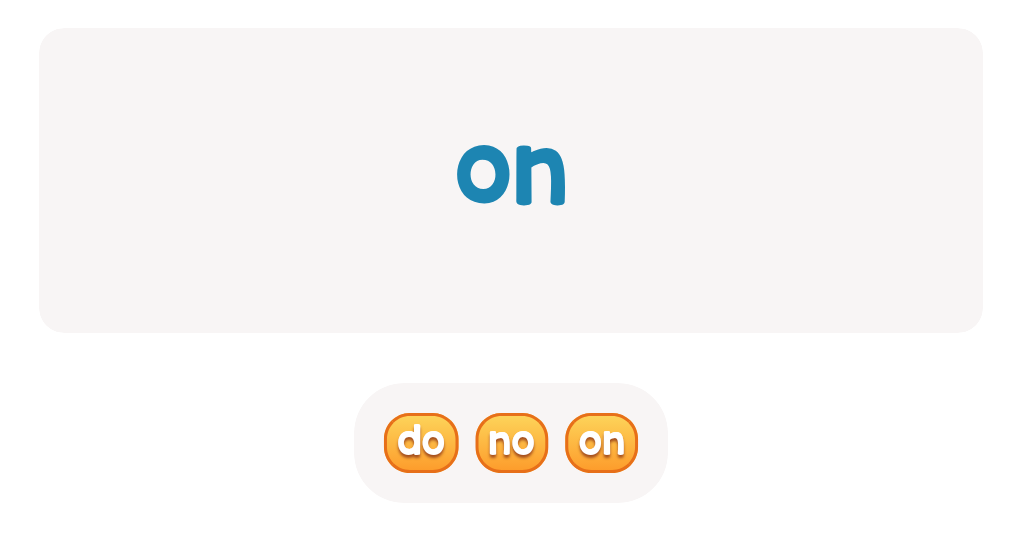
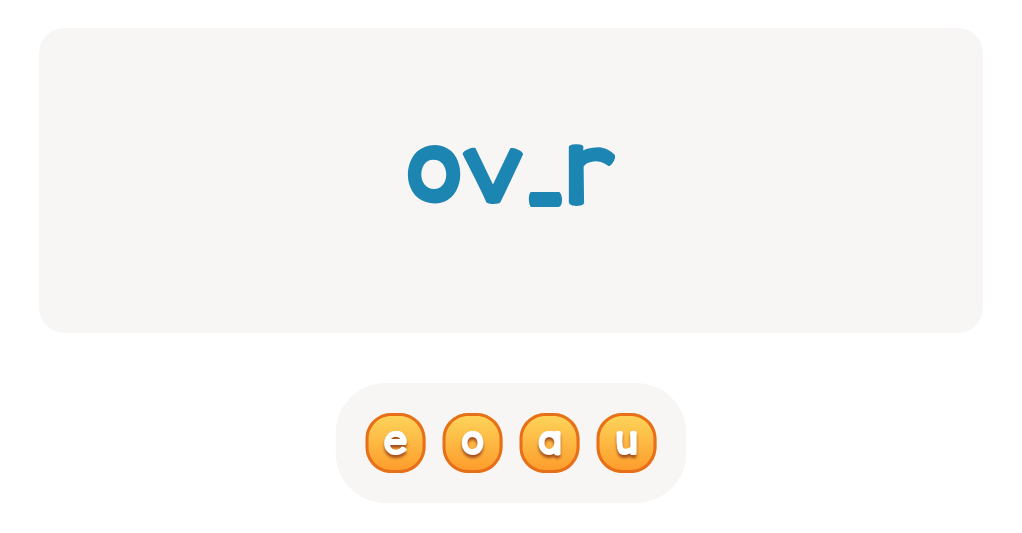
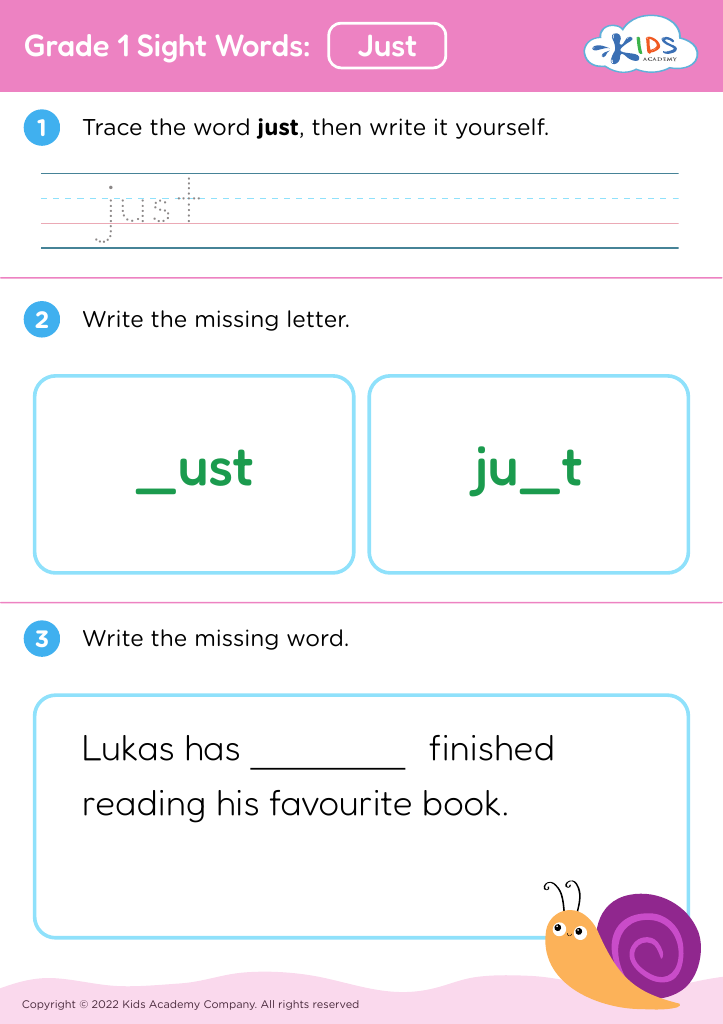
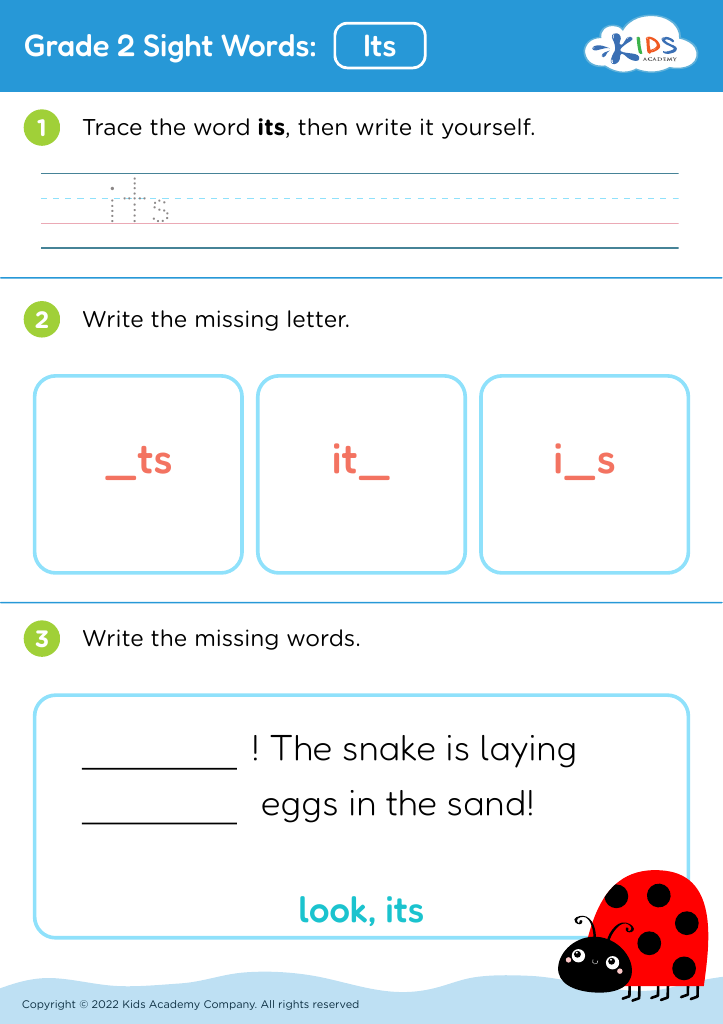








Recognizing shapes and sight words are foundational skills that significantly influence a child's academic journey and cognitive development, especially for ages 7-9. Parents and teachers should prioritize these skills because they serve as critical building blocks for more advanced learning activities.
For shapes, understanding geometric properties helps develop spatial awareness, visual perception, and problem-solving abilities. Early familiarity with shapes like circles, squares, and triangles enhances a child’s ability to recognize patterns, interpret diagrams, and organize information, which are essential skills in subjects like math and science.
Sight words, on the other hand, are words commonly encountered in written language that, if recognized instantly, make reading more fluent and enjoyable. Mastery of sight words directly contributes to reading efficiency by reducing the cognitive load involved in decoding each word. This allows children to focus more on comprehension and enjoyment of the text, fostering a love for reading and improving literacy skills.
Collectively, competence in these areas promotes overall cognitive development and academic success. It helps children move from learning to read to reading to learn, enabling them to access and benefit from a broader educational curriculum. Therefore, parents and teachers should recognize the importance of integrating activities focused on shapes and sight words into daily learning routines to stimulate growth in these essential areas.