Plant identification Plants Worksheets for Ages 7-9
3 filtered results
-
From - To
Discover the exciting world of plant identification with our engaging worksheets designed for ages 7-9! These resources enable young learners to explore various plant species, including flowers, trees, and shrubs, while developing important skills. Our interactive activities promote critical thinking, observation, and scientific reasoning as children learn to categorize and name different types of plants. Each worksheet is thoughtfully crafted to ensure that learning is both fun and educational, helping kids build a strong foundation in biology. Inspire curiosity and a love for nature while encouraging outdoor exploration with our Plant Identification Worksheets! Perfect for home or classroom use.
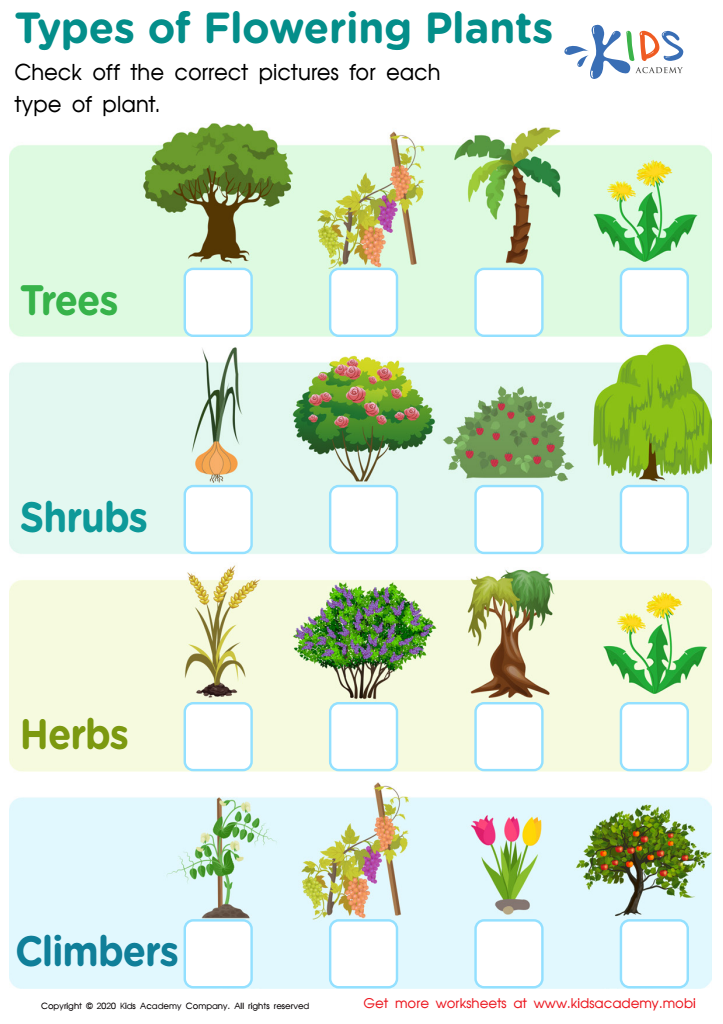
Types of Flowering Plants Worksheet
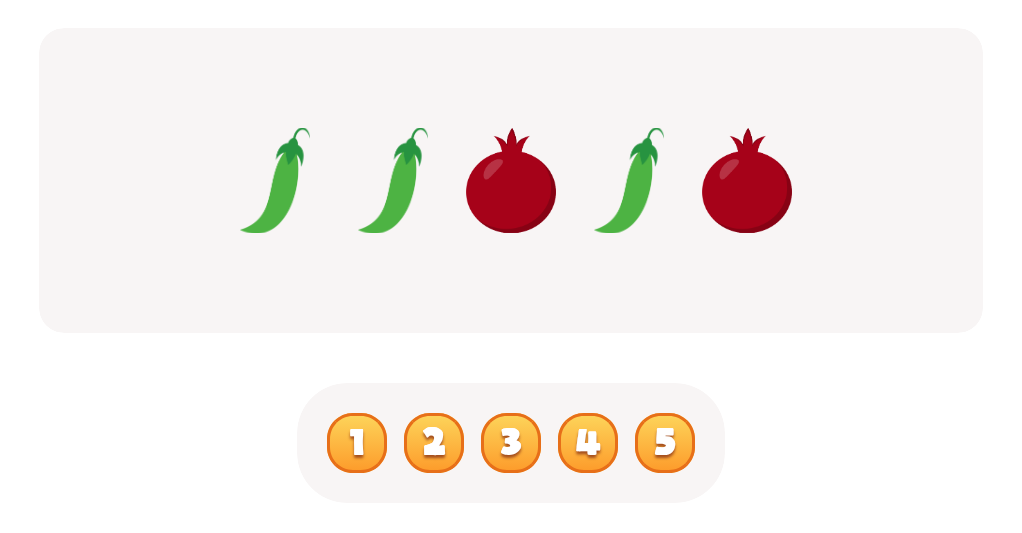

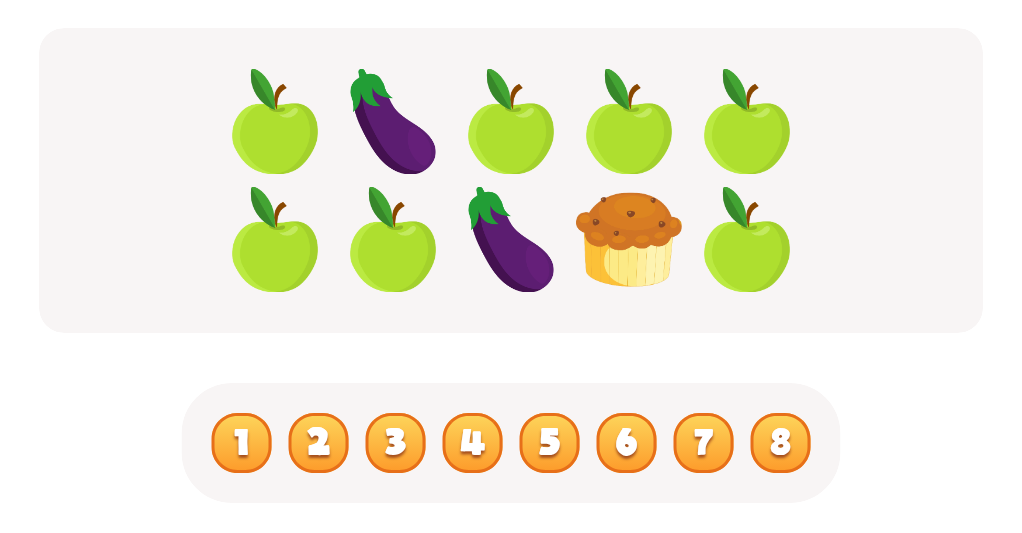

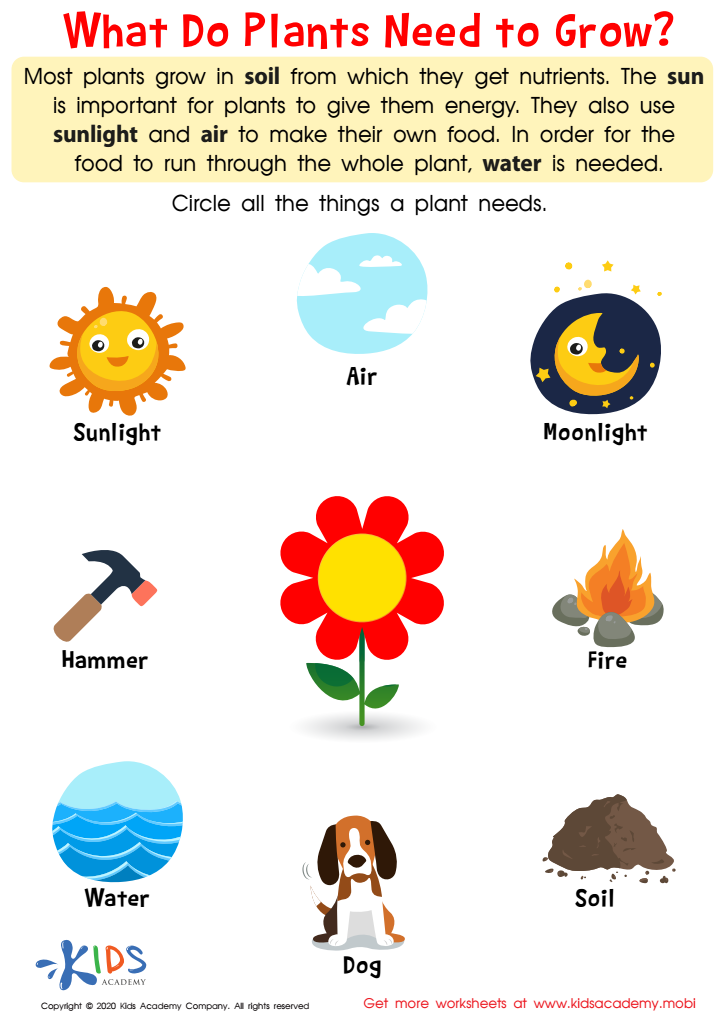
What Do Plants Need to Grow Worksheet
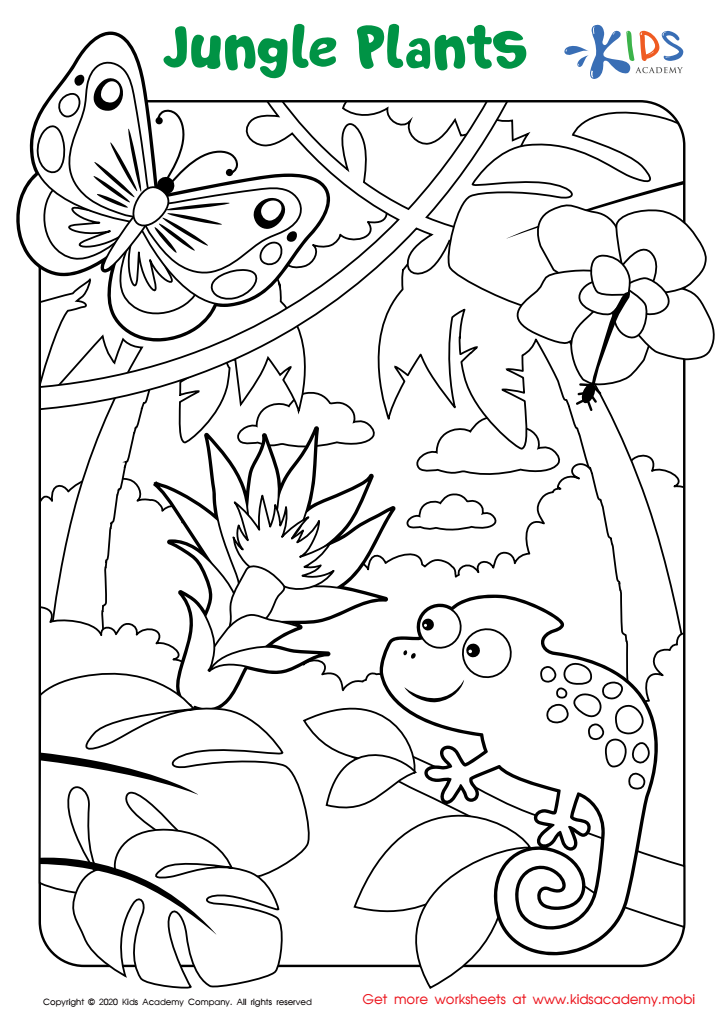
Jungle Plants Worksheet
 Assign to My Students








Plants are fundamental to our ecosystem, and understanding them is essential for young learners. For children aged 7-9, plant identification fosters curiosity and appreciation for nature. It encourages outdoor exploration, promoting physical activity and reducing screen time, which is vital for their overall health.
Learning about plants also enhances academic skills. It integrates science, as students grasp concepts like photosynthesis and ecosystems. This hands-on learning deepens their critical thinking and observational skills, which are essential in today’s learning environments. Moreover, identifying local plants encourages a sense of community and connection to the environment, teaching children about biodiversity and conservation.
Incorporating plant identification into curricula or family activities also nurtures responsibility. Caring for plants, whether in the classroom or at home, helps children develop a sense of responsibility and empathy toward living things. Furthermore, when children identify edible plants, they can learn about nutrition and the importance of sustainable practices, fostering healthy habits early on.
Overall, plant identification offers a multifaceted approach to learning, intertwining academic growth with emotional and physical development. Encouraging interest in plants benefits both individuals and communities, charting a course towards a more environmentally conscious future.