Fine Motor Skills Community Worksheets for Ages 7-9
3 filtered results
-
From - To
Discover our engaging Fine Motor Skills Community Worksheets designed specifically for children aged 7-9. These carefully crafted worksheets foster the development of essential fine motor skills through interactive and fun activities. Tailored to promote dexterity and coordination, our resources encourage creativity while enhancing skills crucial for everyday tasks. With a focus on practical applications in a community context, children can explore their surroundings while refining their motor abilities. These worksheets not only support learning but also inspire teamwork and social interaction. Equip your child with the tools they need for success today! Explore our collection and bring learning to life!
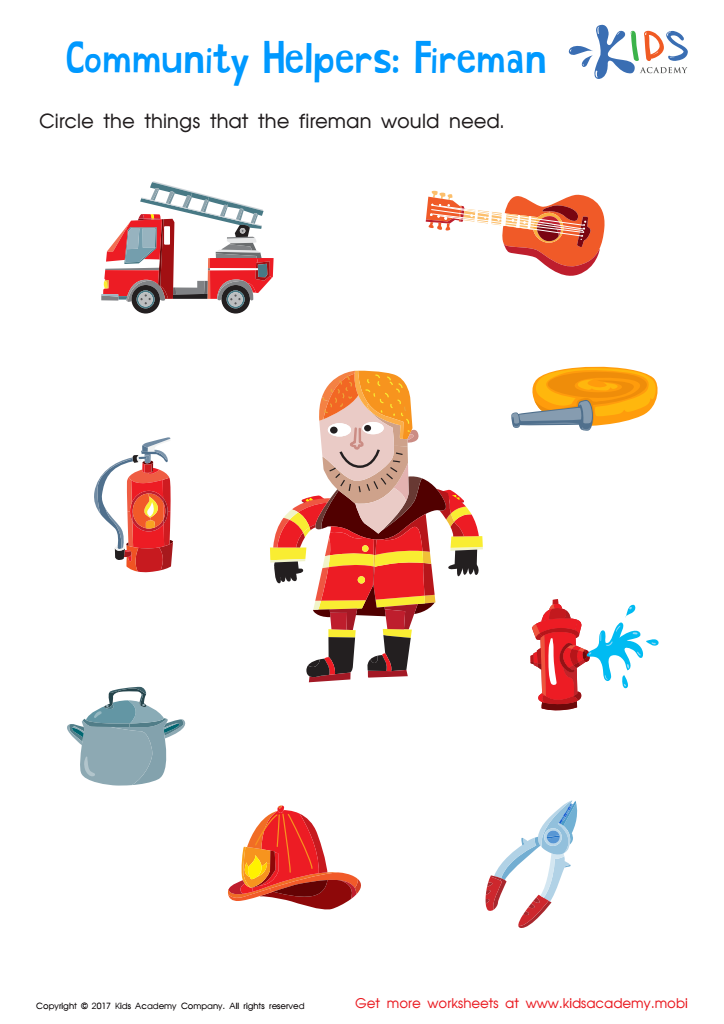
Fireman Worksheet
 Assign to My Students

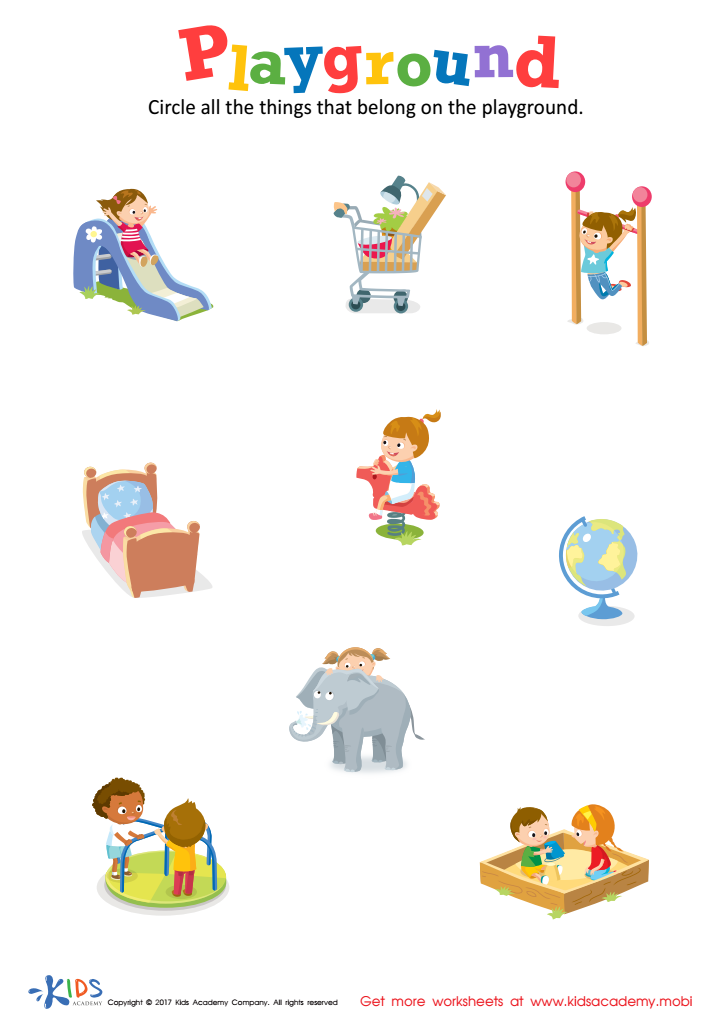
Playground Worksheet








Parents and teachers should prioritize fine motor skills development in children aged 7-9 because these skills are foundational to everyday activities and academic success. Fine motor skills involve the ability to use the hands and fingers with precision, which is crucial for tasks such as writing, drawing, using utensils, and performing crafts. As children transition from learning basic skills to more complex tasks, well-developed fine motor skills enhance their confidence and independence.
Additionally, these skills are linked to brain development; engaging in activities that promote fine motor coordination can improve cognitive functions, fostering problem-solving abilities and attention spans. When children practice fine motor tasks, they also develop perseverance and patience, essential attributes for lifelong learning.
Furthermore, involvement in fine motor skill activities encourages social interaction and teamwork, as many exercises can be group-centric. This not only strengthens peer relationships but also builds a sense of community among students, enhancing their overall educational experience. By nurturing fine motor skills at this critical age, parents and teachers can significantly impact children's confidence, academic performance, and social development, positioning them for future success both in and out of the classroom.