Alphabet Recognition ABC Letters Worksheets for 7-Year-Olds - Page 2
27 filtered results
-
From - To
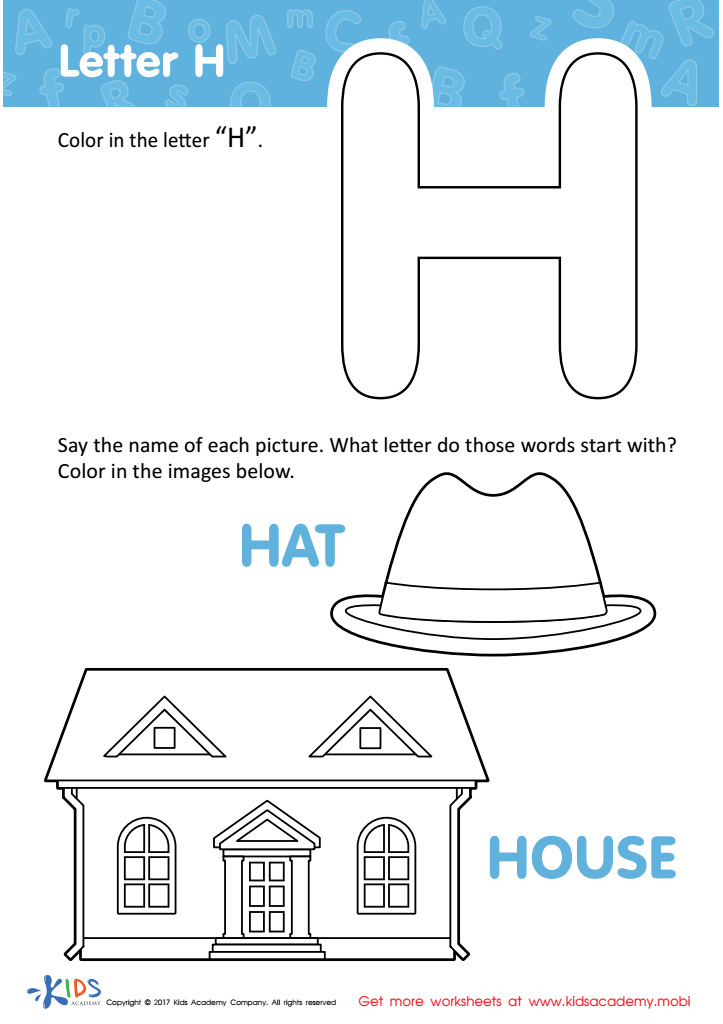
Letter H Coloring Sheet
 Assign to My Students






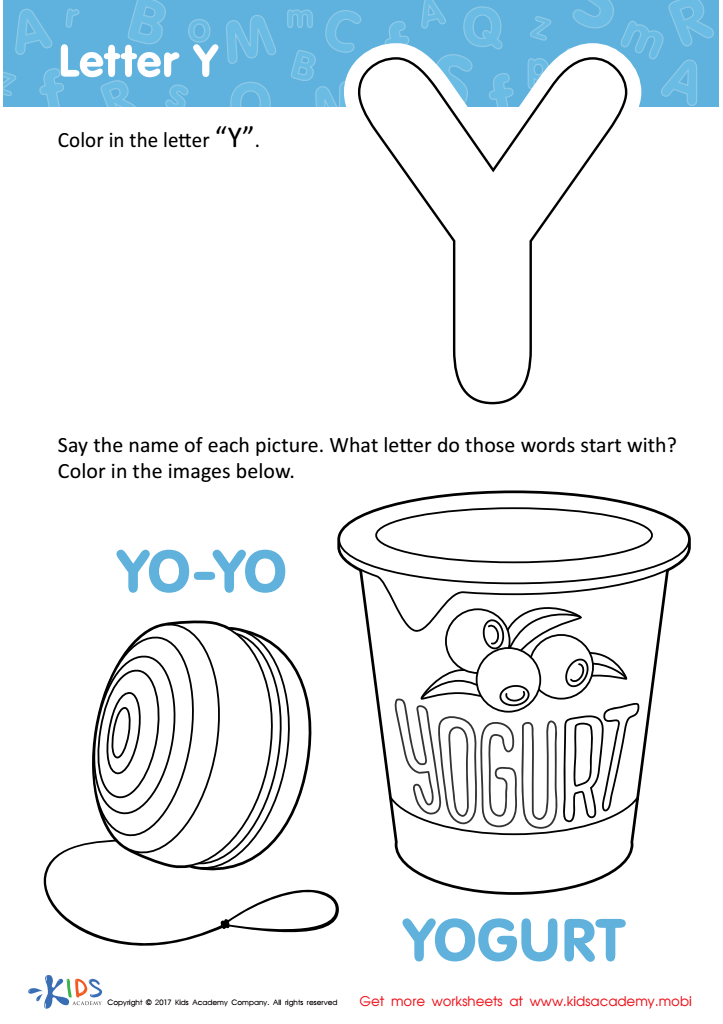
Letter Y Coloring Sheet
Assign to My Students
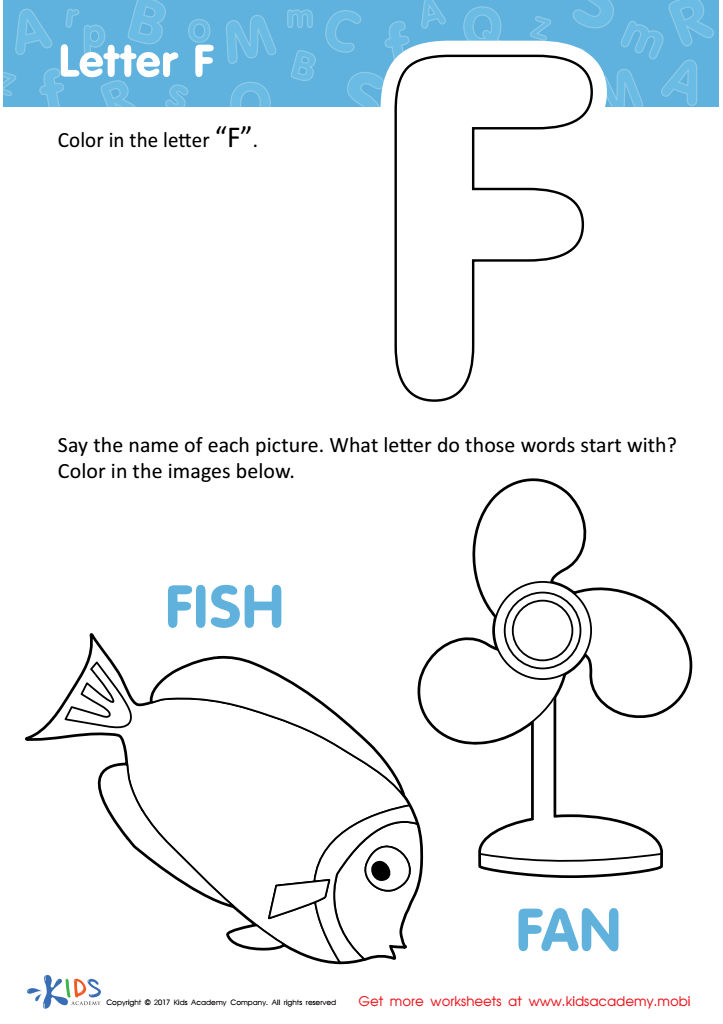
Letter F Coloring Sheet
Assign to My Students







Alphabet recognition is a crucial foundational skill for 7-year-olds that significantly impacts their overall literacy development. At this age, children typically transition from learning to read to reading to learn. Mastering the alphabet serves as the building block for effective reading and writing. Parents and teachers should care about this skill because it lays the groundwork for comprehension, vocabulary development, and communication.
When children recognize letters effortlessly, they can focus more on the meaning of words rather than decoding them, leading to improved reading fluency. Moreover, strong alphabet recognition aids in spelling and writing, enhancing their ability to express thoughts and ideas clearly. This skill also boosts confidence, as children feel more empowered to participate in classroom discussions and activities.
Additionally, in our increasingly digital age, mastering alphabet recognition is vital for navigating technology where text is everywhere. Active involvement from parents and teachers in reinforcing these skills through engaging activities and games makes learning enjoyable and impactful. Ultimately, prioritizing alphabet recognition cultivates a love of reading, promotes critical thinking, and equips children with necessary academic skills that will benefit them throughout their educational journeys and beyond.







