Letter tracing skills ABC Letters Worksheets for 7-Year-Olds
3 filtered results
-
From - To
Enhance your 7-year-old's handwriting and fine motor skills with our engaging ABC Letter Tracing Worksheets! Tailored for young learners, these worksheets offer fun and interactive activities that promote confident letter formation. Children can practice tracing both uppercase and lowercase letters while developing essential skills in letter recognition and phonics. Our thoughtfully designed exercises help reinforce their understanding of the alphabet, making learning enjoyable and effective. With colorful illustrations and inventive exercises, your child will be motivated to practice regularly. Download our Letter Tracing Worksheets today and watch your child excel in literacy with foundational skills that will last a lifetime!
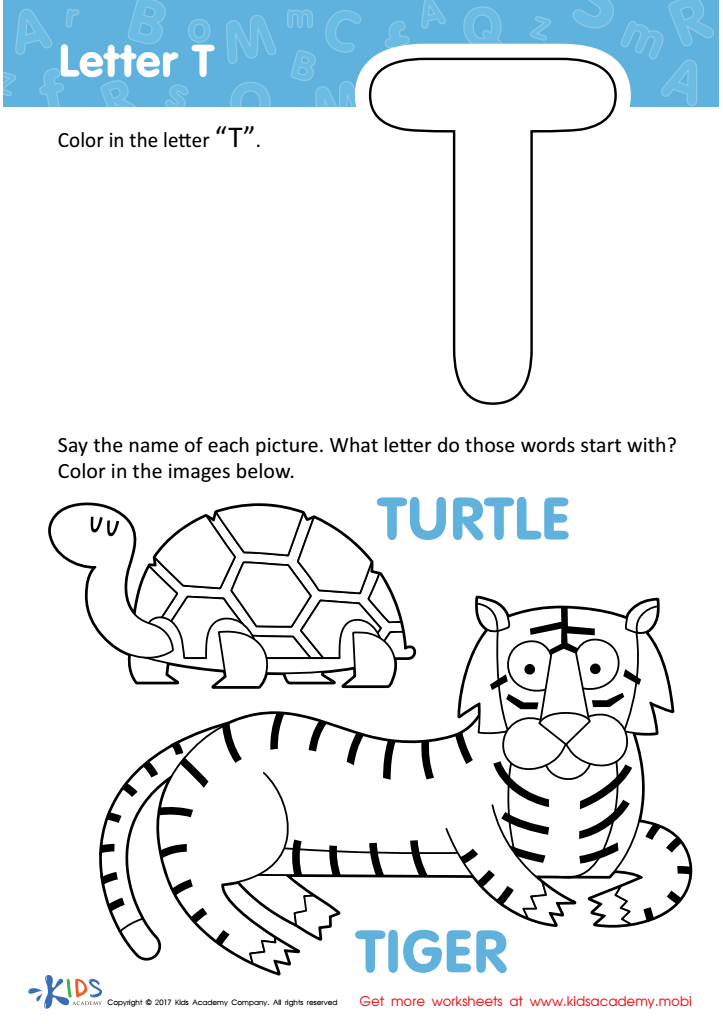
Letter T Coloring Sheet
 Assign to My Students



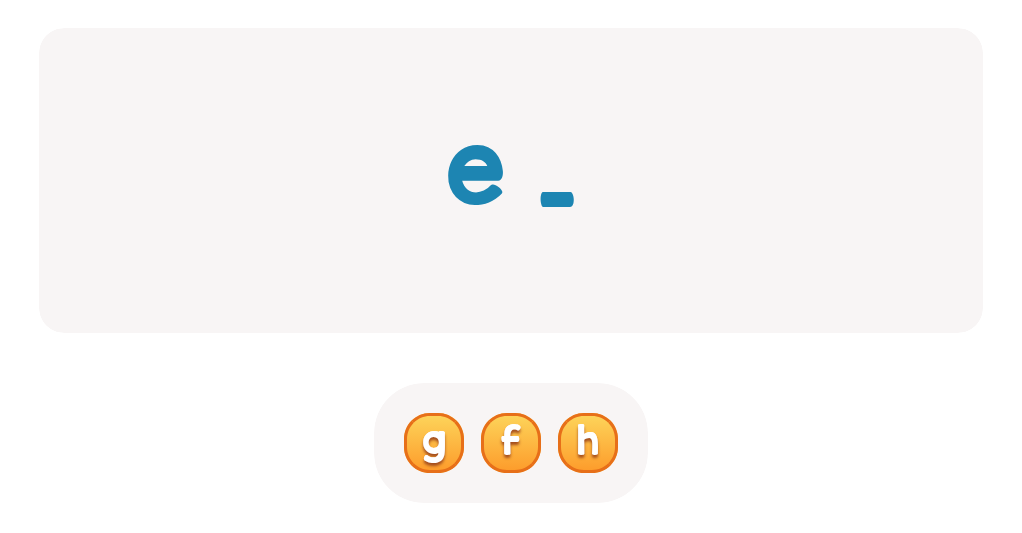
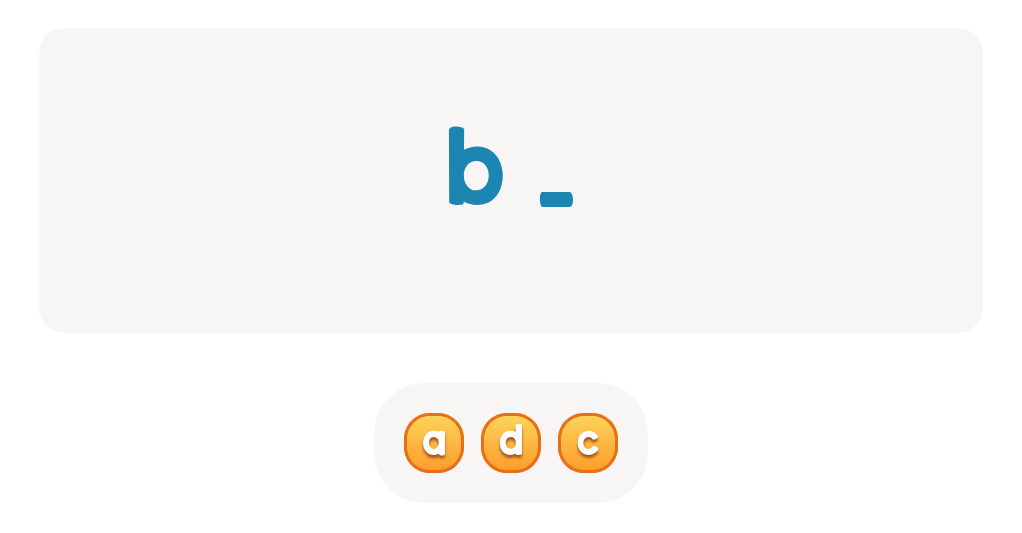

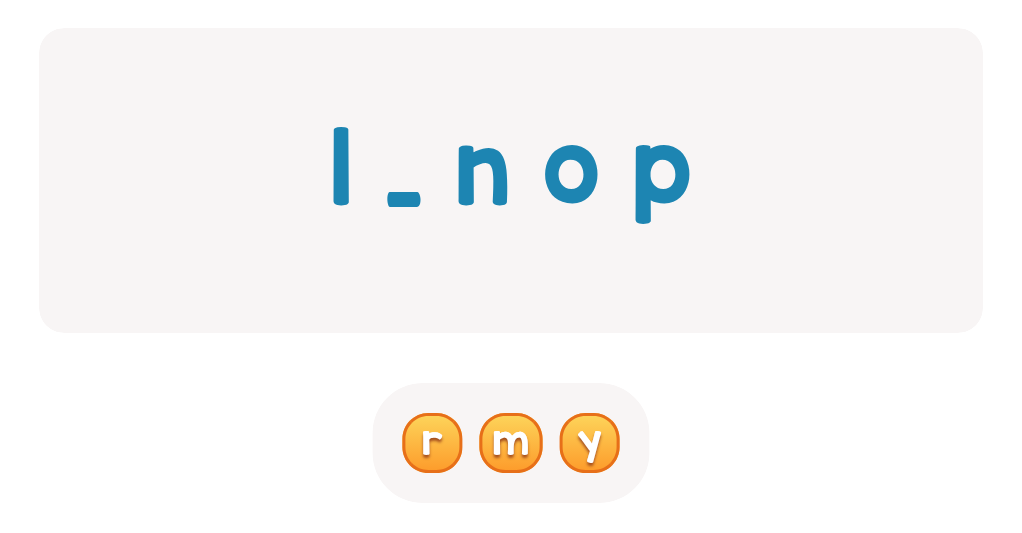



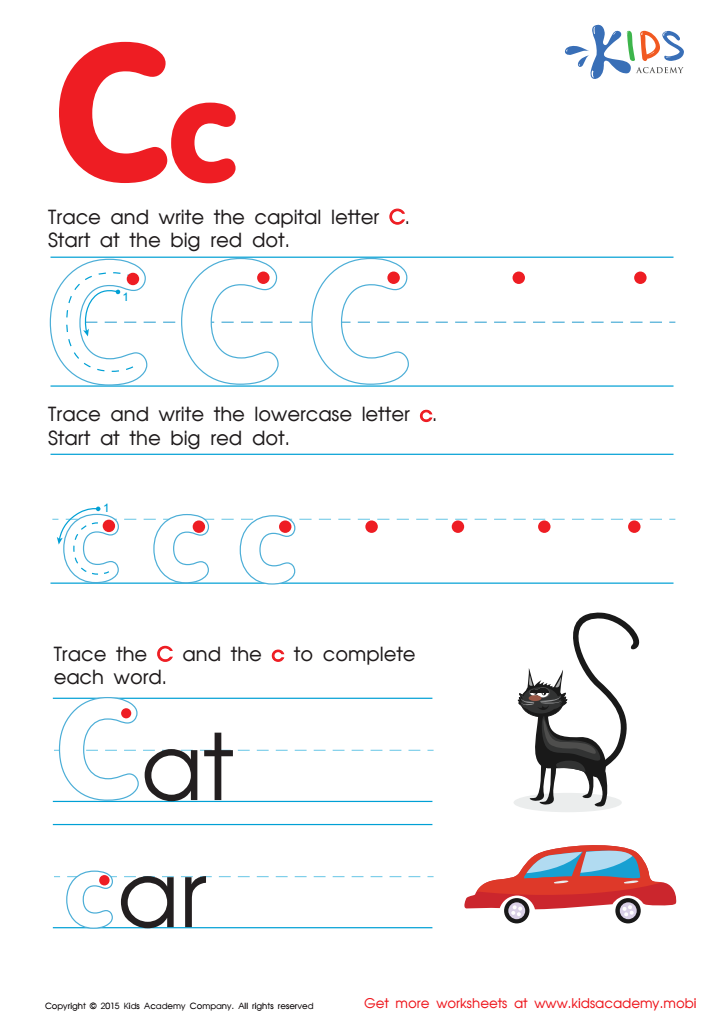
Letter C Tracing Page
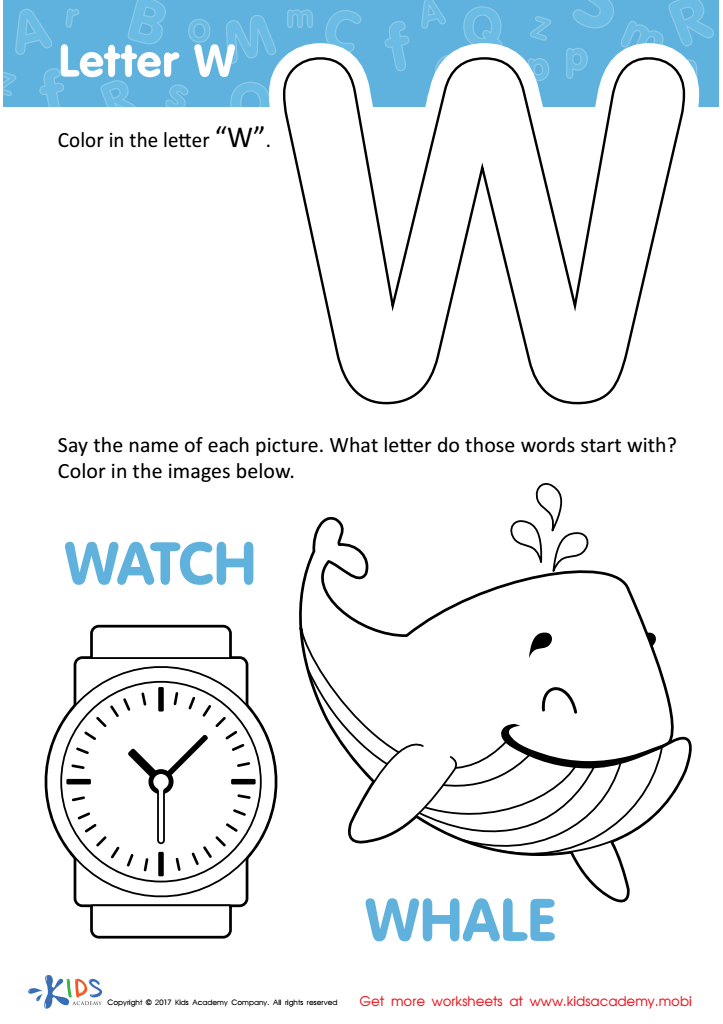
Letter W Coloring Sheet
Assign to My Students






Letter tracing skills are fundamental for 7-year-olds as they lay the groundwork for literacy and overall academic success. At this age, children transition from learning letter shapes to crafting written language, making tracing an essential activity. Engaging in letter tracing helps develop fine motor skills, as children strengthen hand muscles and coordination necessary for writing. It also enhances visual perception, allowing children to recognize letters and their forms, which is crucial for reading.
Additionally, letter tracing cultivates a child's confidence. Mastery in writing letters can contribute to a sense of accomplishment, motivating them to pursue further writing tasks. It also aids in phonemic awareness, strengthening their understanding of sound-letter associations, which is vital for spelling and decoding words.
Furthermore, letter tracing aligns with the early stages of learning in many educational curriculums, enabling children to adapt more easily to formal writing tasks in school. As they engage in this activity, parents and teachers can reinforce concepts that foster literacy, contributing to a well-rounded education. In short, incorporating letter tracing into a child's learning journey supports not just their writing but their overall cognitive and educational development.







