
Letter recognition Phonics Worksheets for 7-Year-Olds
4 filtered results
Difficulty Level
Grade
Age
-
From - To
Subject
Activity
Standards
Enhance your 7-year-old's reading skills with our engaging Letter Recognition Phonics Worksheets! These interactive exercises are designed to make learning letters fun and effective. Our worksheets focus on recognizing letters in both uppercase and lowercase forms, helping children connect sounds to their corresponding letters. Through playful activities, including tracing, matching, and identifying letters in various contexts, students will develop essential phonics skills. These worksheets are perfect for classrooms, homeschooling, or supplemental practice at home. Foster a love for reading and boost confidence with our comprehensive resources, setting the foundation for successful literacy development. Download yours today and spark a passion for learning!
Favorites
With answer key
Interactive
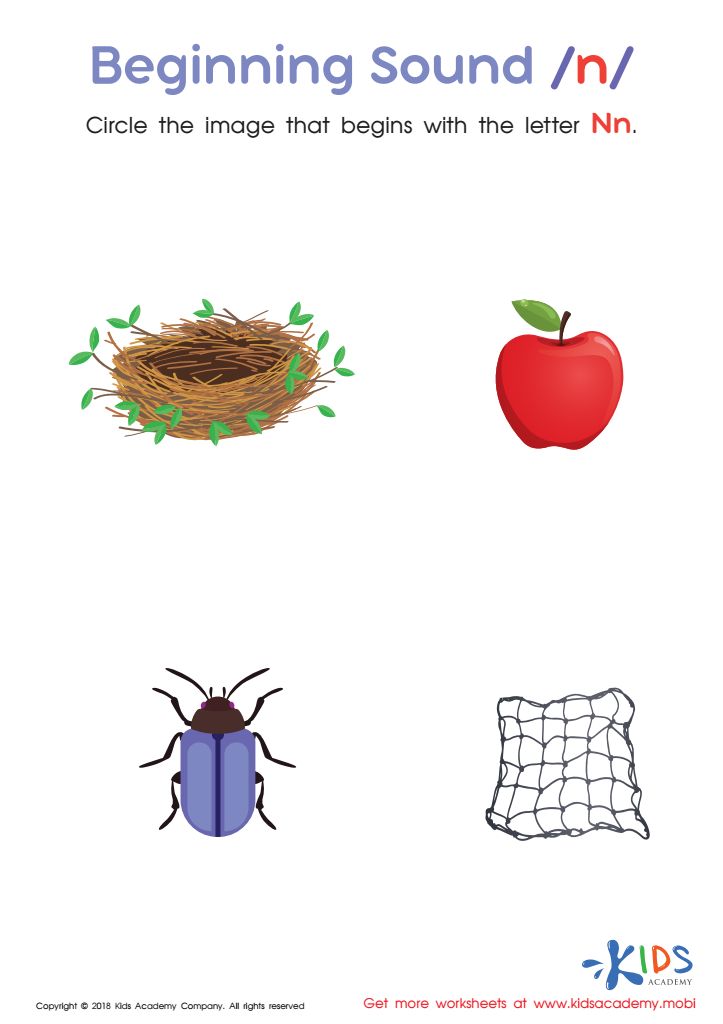
Beginning Sound «n» Worksheet
Help your emerging reader learn the initial «n» sound with this free PDF worksheet! Strengthen fine motor skills by tracing circles around words beginning with «n». Pictures are clear and engaging, giving beginning Phonics learners the right amount of practice and the confidence to succeed.
Beginning Sound «n» Worksheet
Worksheet
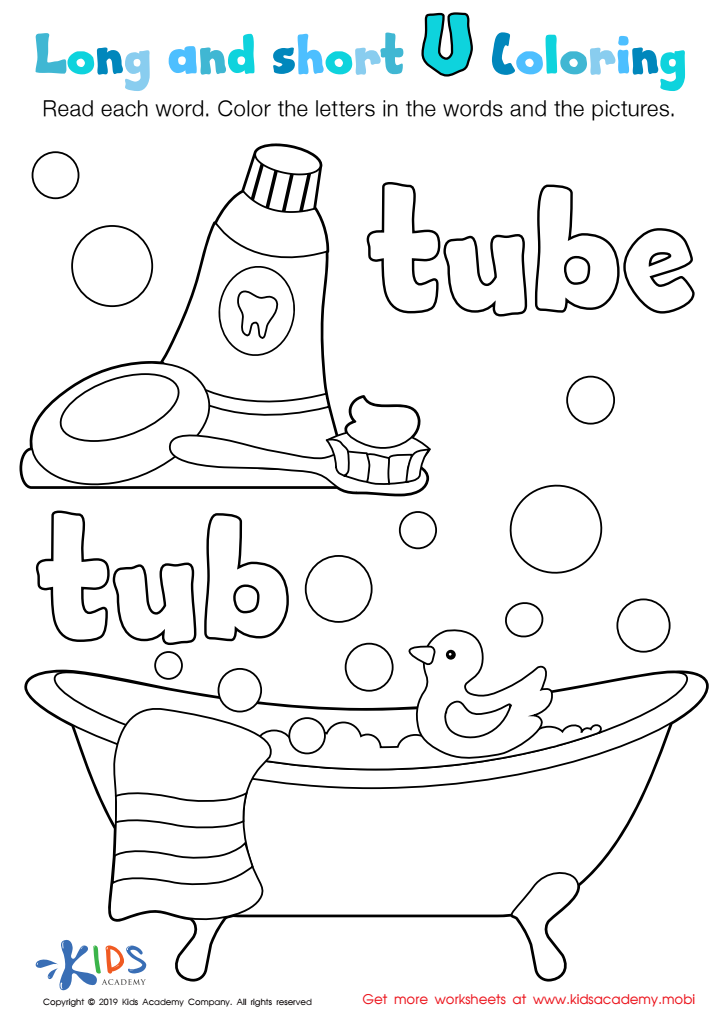
Long and Short U Worksheet
Revised: Spice up your lesson on long and short vowels with this fun printout! Kids read the words "tube" and "tub," then reinforce the sound by coloring in the words and pictures. It's a great way to make phonics class enjoyable!
Download (PDF)
 Assign to My Students
Assign to My Students
Long and Short U Worksheet
Worksheet
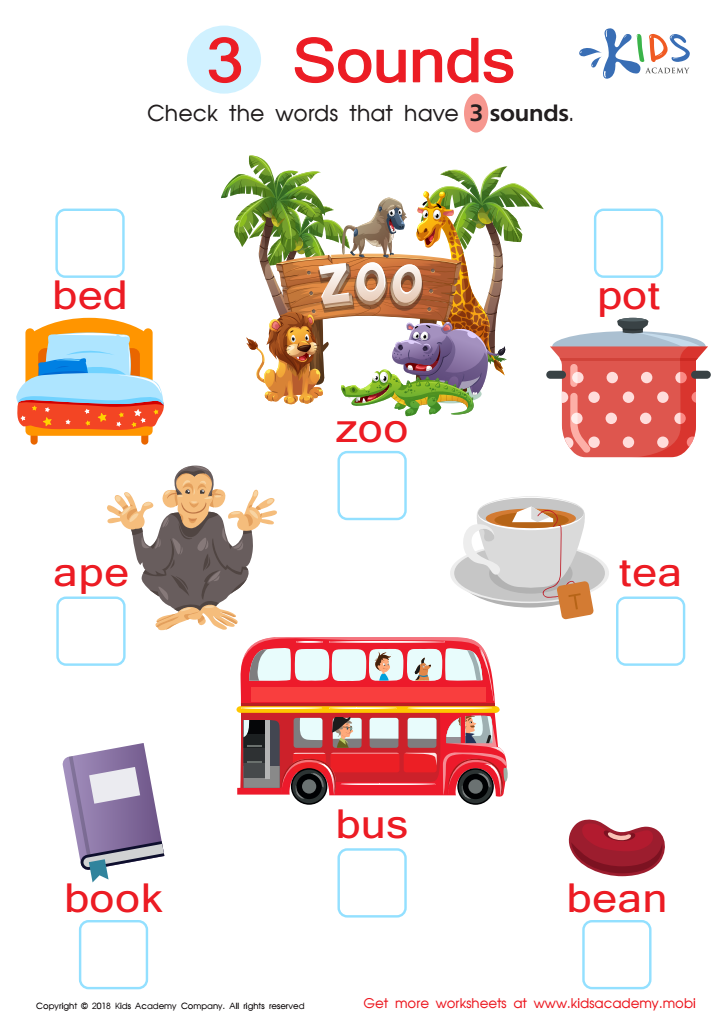
3 Sounds Worksheet
Kids will love learning with this free, colorful worksheet. It's full of familiar words they can name and sound out with three distinct sounds. This helps build decoding skills, plus they get to check off words they read. It's a fun way to teach children to identify and use sounds.
3 Sounds Worksheet
Worksheet
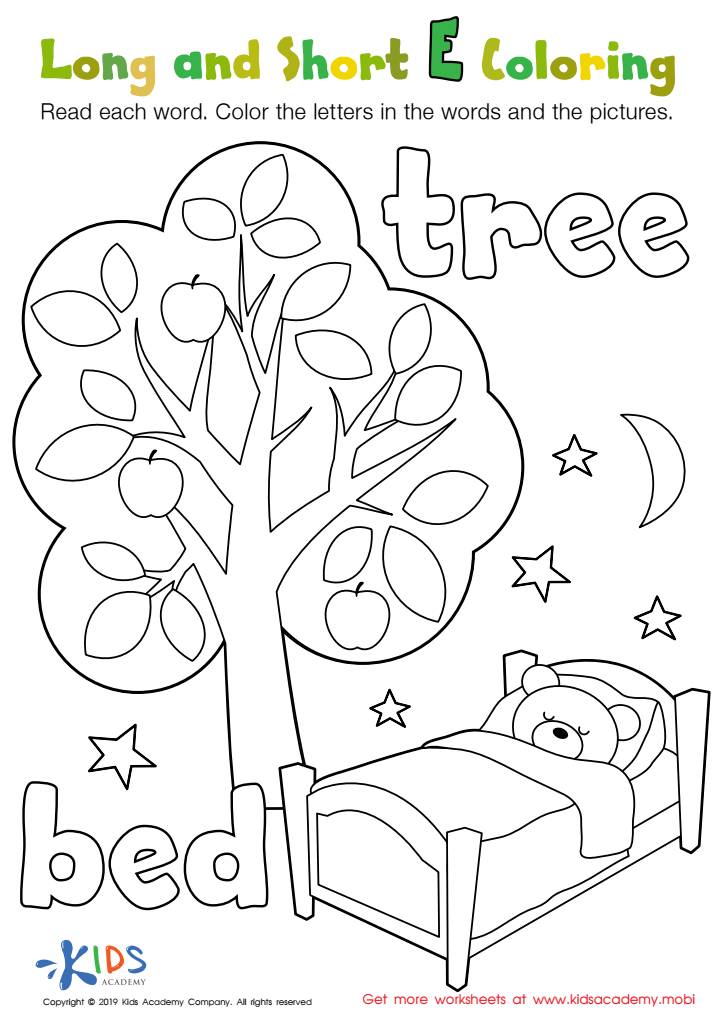
Long and Short E Worksheet
This fun printout makes learning phonics enjoyable for Grade 3 students. Get them to read the words “tree” and “bed” to recognize the different sounds of the letter “E”. After hearing the words they can color the words and the pictures to understand differences between long and short vowels.
Download (PDF)
Assign to My Students
Assign to My Students
Long and Short E Worksheet
Worksheet
Join Kids Academy for Free
Who is primarily going to use this learning content?








Letter recognition and phonics are vital components of literacy development for 7-year-olds. At this age, children are refining their reading skills and expanding their vocabulary. Letter recognition—the ability to identify letters and their corresponding sounds—is directly linked to reading fluency and comprehension. When children can readily recognize letters, they can decode words more efficiently, leading to improved confidence and a love for reading.
Moreover, phonics instruction helps children understand the relationship between letters and sounds, enabling them to sound out unfamiliar words. This foundational skill not only boosts reading but also supports writing, as children learn to apply their knowledge of sounds when spelling. By focusing on letter recognition and phonics, parents and teachers provide children with the tools to decode new vocabulary, enhancing overall language skills.
Additionally, strong literacy skills are essential for academic success across subject areas. When children are equipped with these abilities, they are more likely to excel in school and foster a lifelong love for reading. Engaging in activities that reinforce letter recognition and phonics can make learning enjoyable and interactive, setting the stage for positive educational experiences in the future. Prioritizing these skills is crucial for helping children thrive in their early schooling years.







