Fine Motor Skills Tracing Letters Worksheets for 7-Year-Olds - Page 2
28 filtered results
-
From - To
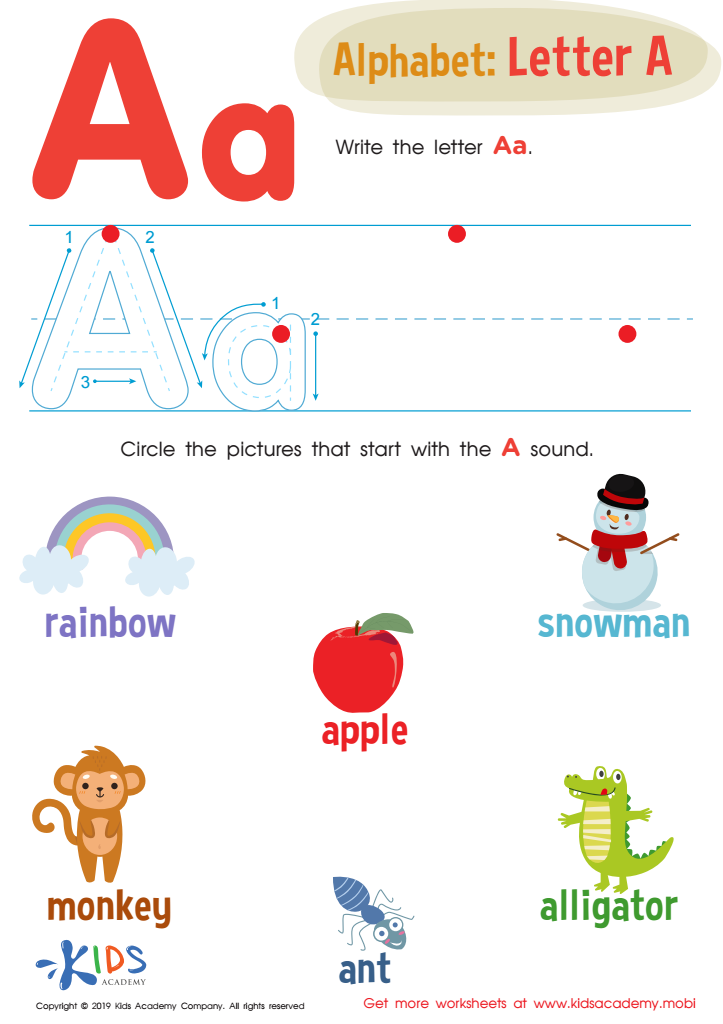
Letter A Tracing Worksheet
 Assign to My Students
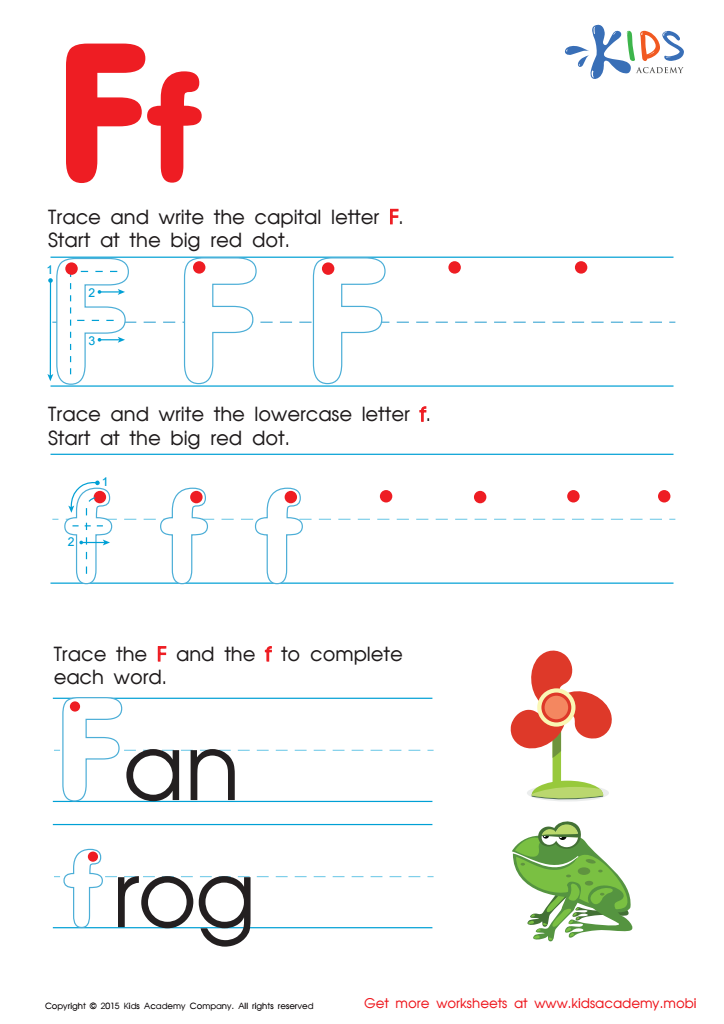
Letter F Tracing Page
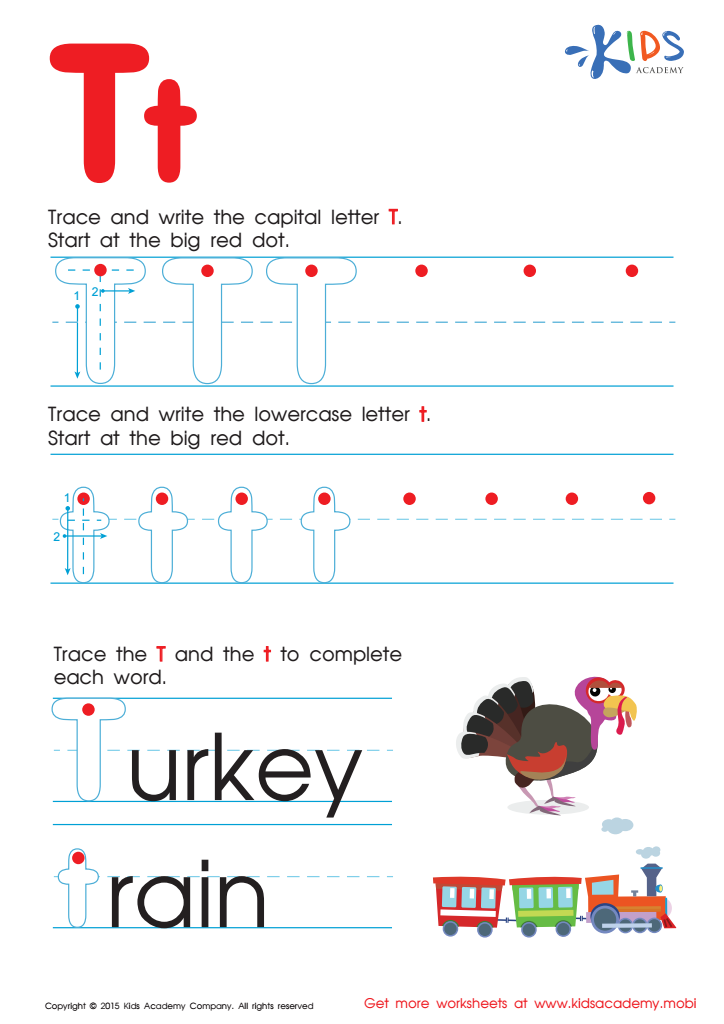
Letter T Tracing Page

Letter D Tracing Page






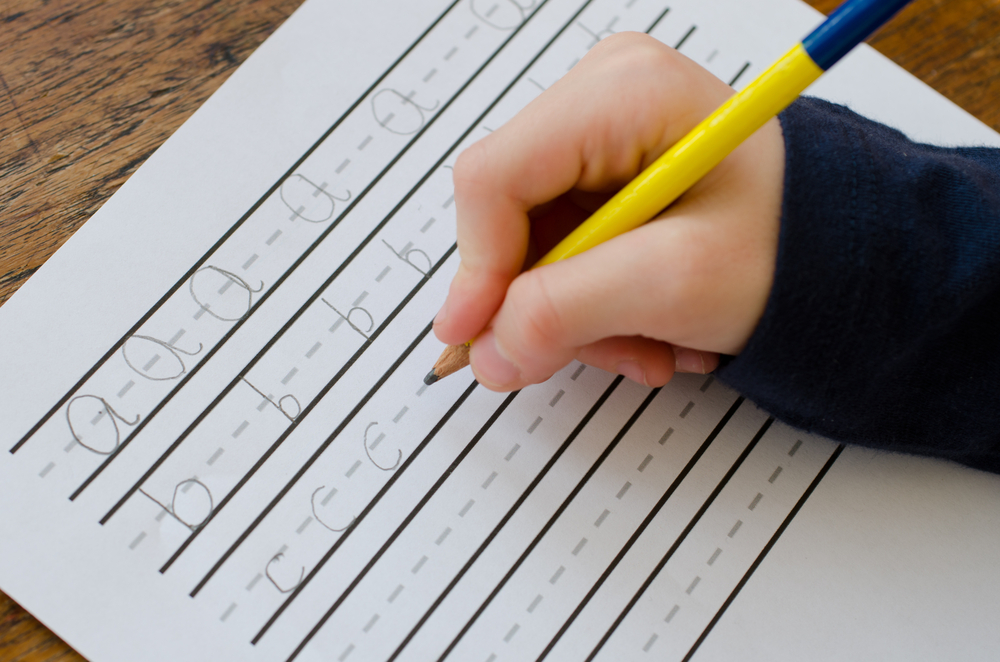

Fine motor skills tracing letters is crucial for 7-year-olds for several key reasons. Firstly, it significantly enhances their handwriting abilities, an essential academic skill. Proper letter formation through tracing activities allows children to develop the necessary muscle memory. This early skill is foundational, ensuring they learn how to write legibly and efficiently, which is important for coherent written communication.
Secondly, it fosters cognitive development. Tracing letters involves attention to detail and promotes concentration, which can positively affect other learning areas. It helps children make the connection between visual symbols and corresponding sounds, reinforcing early literacy skills like phonics and spelling.
Additionally, fine motor skills are integral to day-to-day activities beyond academics, including tying shoelaces, buttoning clothes, and using utensils. Children who regularly practice tracing tend to have improved hand-eye coordination, grip strength, and dexterity. This holistic growth paves the way for independence in personal tasks and boosts overall confidence.
Lastly, the act of tracing letters can be therapeutic, providing a tactile and visually engaging way to learn. For distracted or hyperactive children, it can serve as a calming, structured activity that channels their energy positively.
By focusing on fine motor skills through tracing letters, parents and teachers invest in a child’s educational foundation and overall developmental success, ensuring they are well-prepared for future challenges.








