Chess knowledge Chess Worksheets for 7-Year-Olds
3 filtered results
-
From - To
Discover engaging Chess Worksheets designed for 7-year-olds at Kids Academy! Our educational resources offer a fun, interactive way for young minds to master the basics of chess, developing crucial skills such as strategic thinking, problem-solving, and patience. Each worksheet covers essential chess concepts, from piece movements to opening strategies, in a kid-friendly format that makes learning enjoyable and effective. Perfect for beginners and young chess enthusiasts alike, these worksheets cater to various learning styles and keep children motivated. Equip your child with the knowledge and confidence to excel in chess by exploring our printable resources today!
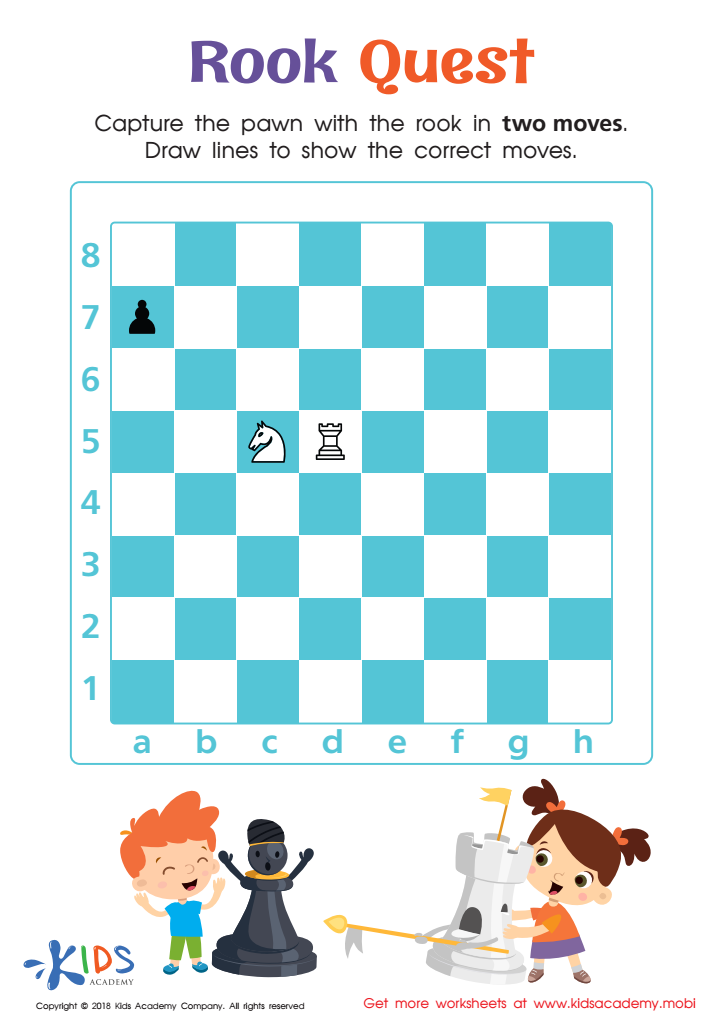
Rook Quest Worksheet
 Assign to My Students
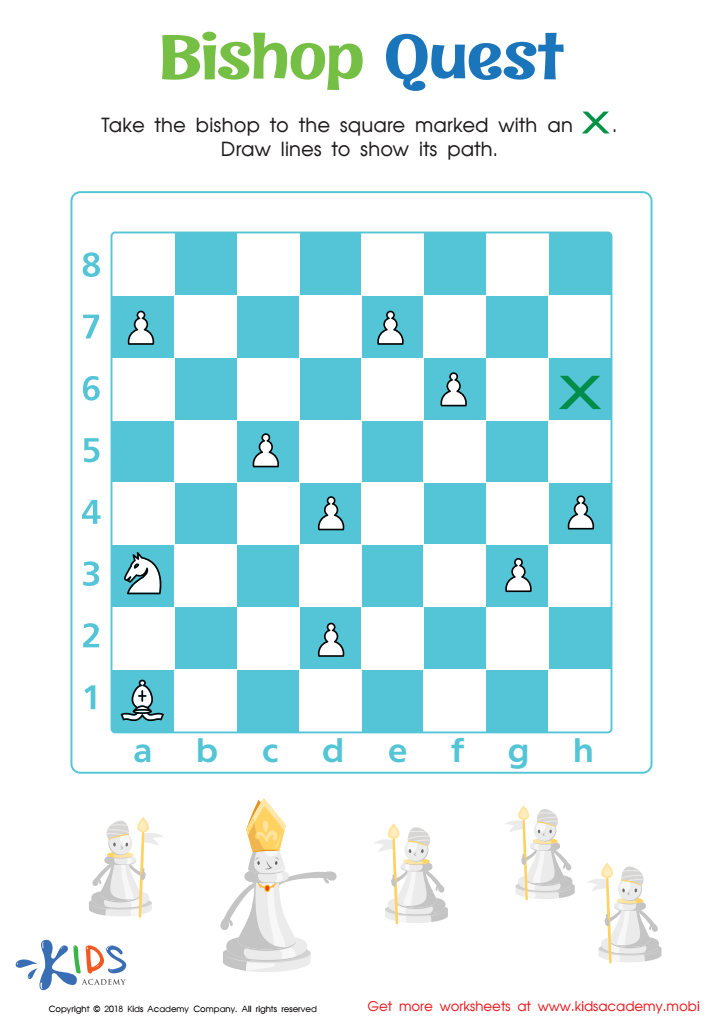
Bishop Quest Worksheet
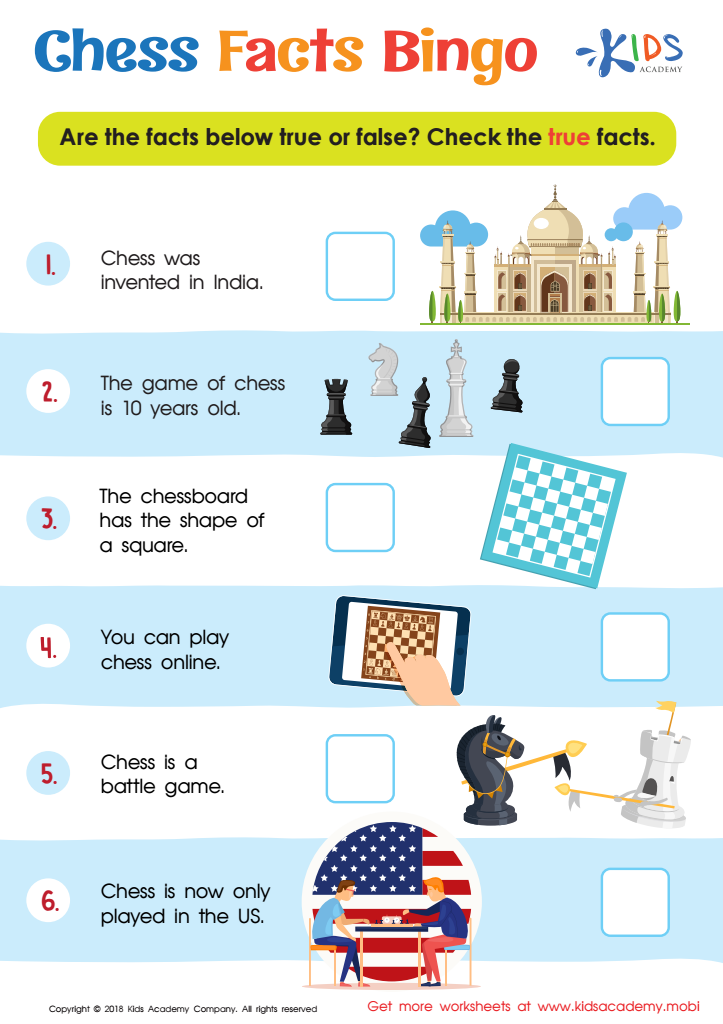
Chess Facts Bingo Worksheet


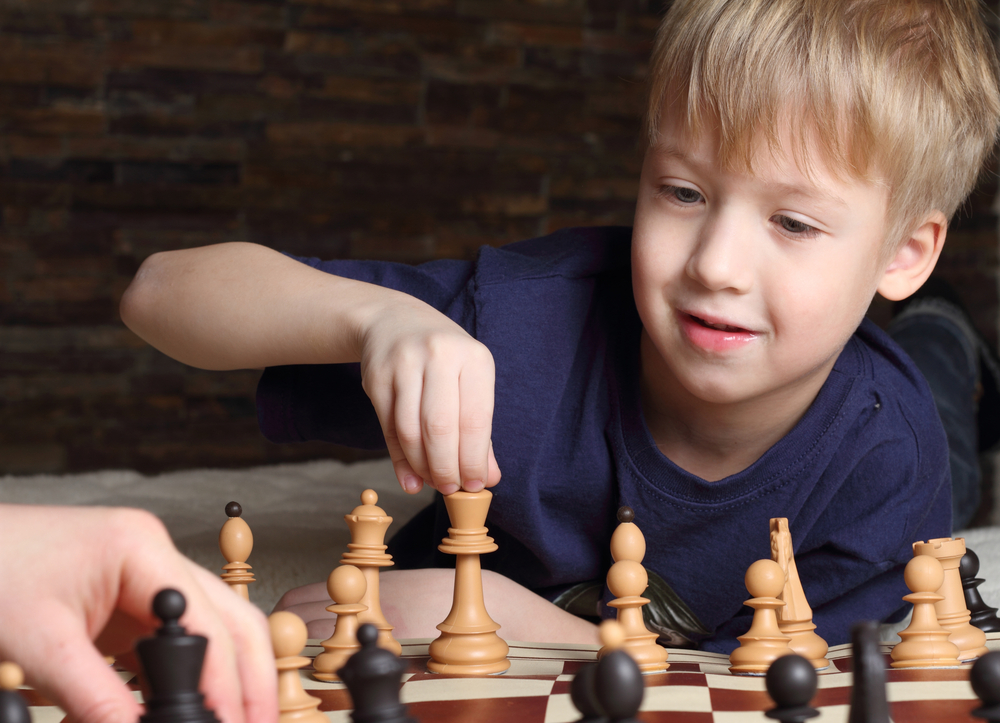




Introducing chess to 7-year-olds can have significant benefits that justify parents' and teachers' investment in promoting this intellectual game. Chess, often referred to as the "game of kings," develops critical thinking and problem-solving skills from a young age, laying a strong foundation for academic and personal growth.
First and foremost, chess enhances cognitive abilities. The game requires players to anticipate and strategize, fostering lateral thinking and spatial reasoning. These skills are transferable to many areas of academics, particularly mathematics and science. Chess also improves concentration and focus, as children learn to carefully consider their moves and foresee possible outcomes.
Moreover, chess promotes patience and discipline. Young players come to understand the value of careful planning over impulsivity, which is a vital life skill. It can boost memory retention and even foster creativity, as children explore various strategies to outmaneuver their opponents.
From a social perspective, chess teaches sportsmanship and the respectful handling of wins and losses, important components of emotional intelligence. The game also creates opportunities for positive interaction and bonding, whether it's played in a school club or at home.
In summary, encouraging chess for 7-year-olds acts as an investment in their intellectual, social, and emotional development, equipping them with skills that are beneficial throughout their lives.