Analyzing data Worksheets for 7-Year-Olds
5 filtered results
-
From - To
Discover our engaging "Analyzing Data Worksheets for 7-Year-Olds" designed to make learning fun and interactive! These worksheets encourage young learners to develop essential data interpretation skills through colorful graphics, engaging activities, and relatable real-life scenarios. With a focus on counting, sorting, and comparing information, students will build a strong foundation in critical thinking and problem-solving. Perfect for at-home practice or classroom enrichment, our worksheets support educators and parents in nurturing analytical abilities while promoting creativity. Explore our diverse range now and empower your child to become a confident data analyzer, setting them on the path to academic success!
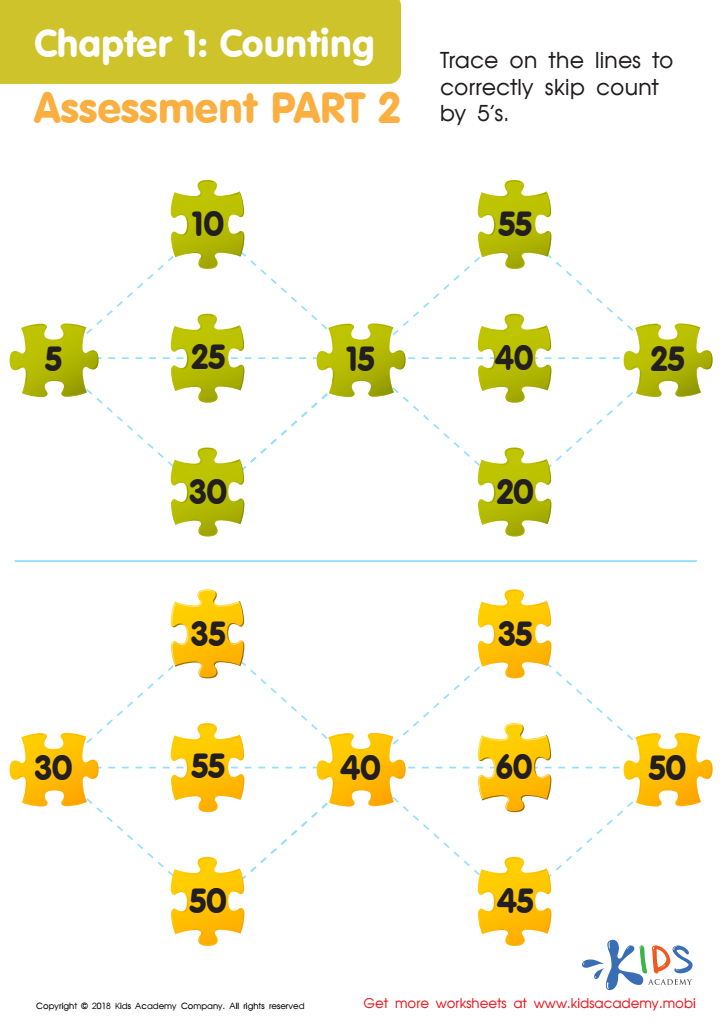
Counting: Assessment 2 Worksheet
 Assign to My Students
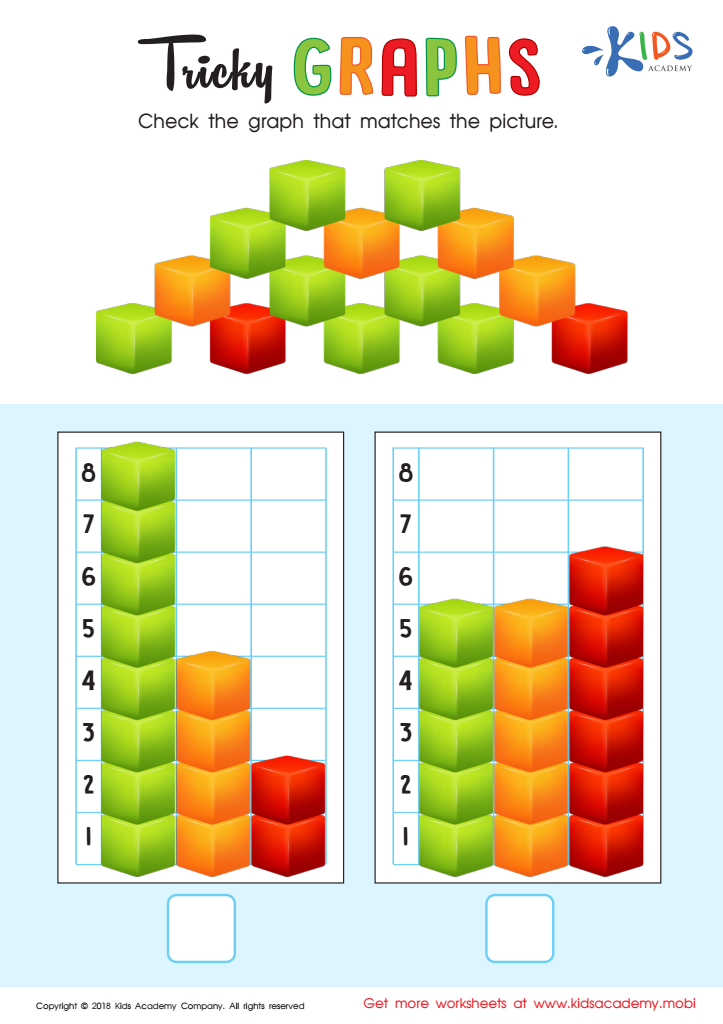
Tricky Graphs Worksheet
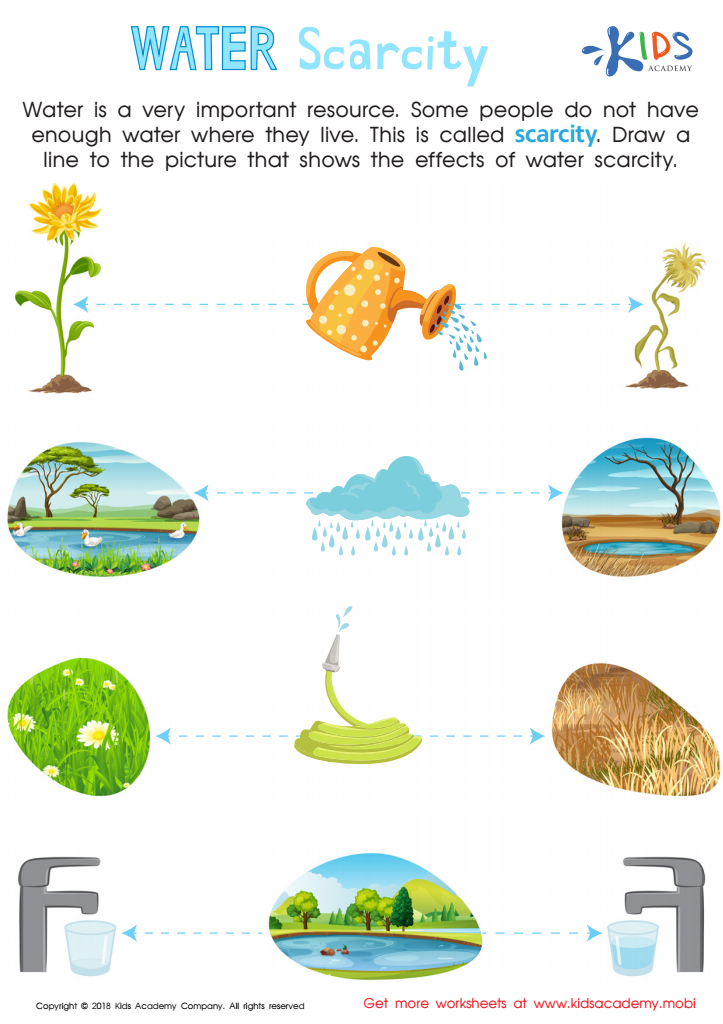
Water Scarcity Worksheet
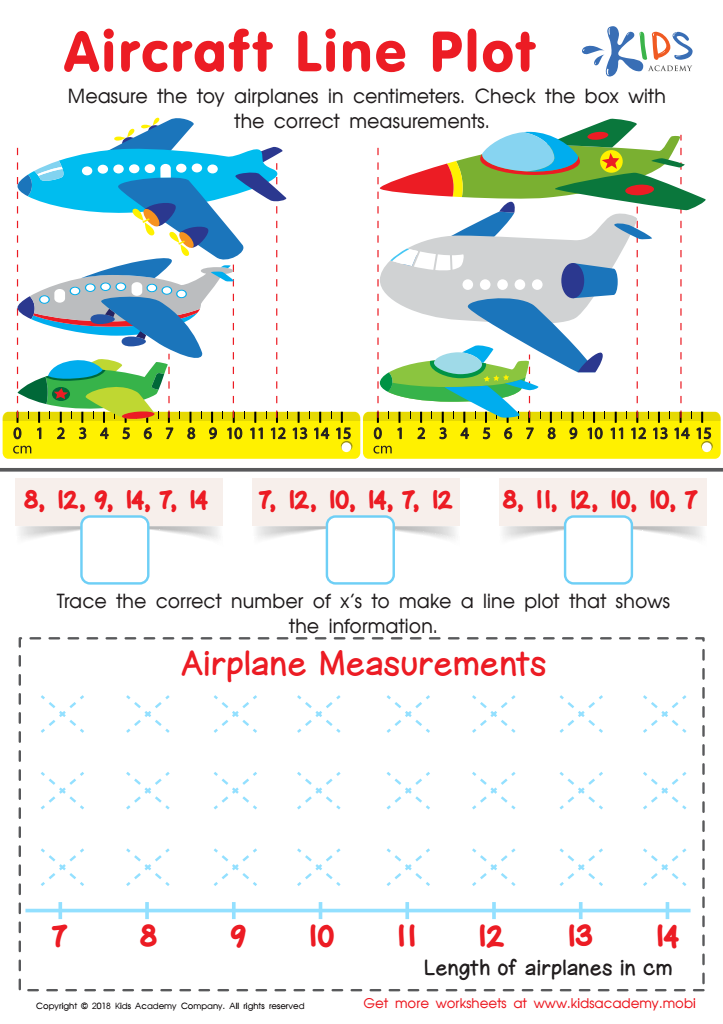
Aircraft Line Plot Worksheet








Analyzing data for 7-year-olds is crucial for both parents and teachers as it provides insightful information about children’s learning and development. Understanding a child's progress through data helps identify their strengths and areas for improvement. This age marks a critical stage in cognitive development; thus, timely intervention can prevent learning gaps from widening.
Moreover, data analysis enables personalized learning experiences. For teachers, it informs instruction by tailoring lessons to meet students’ individual needs, motivations, and learning styles. For parents, being involved in this process fosters a supportive home environment that mirrors school initiatives. Engaging with data can empower parents to ask meaningful questions about academic progress, teaching methodologies, and school resources.
Additionally, analyzing assessment data aids in setting realistic and achievable goals for students, encouraging a growth mindset. When both parents and teachers collaborate by sharing insights and observations derived from data, trends can be recognized more efficiently, ensuring children receive consistent support and encouragement.
Overall, caring about data analysis creates a proficiency cycle that informs educational strategies and nurtures holistic development, guiding 7-year-olds toward successful learning paths. Investing in this aspect of education can genuinely impact a child's academic trajectory and self-confidence.








