Color recognition Worksheets for 7-Year-Olds - Page 2
85 filtered results
-
From - To

Twinkle Twinkle Little Star Coloring Page
 Assign to My Students


The Three Little Pigs Coloring Worksheet
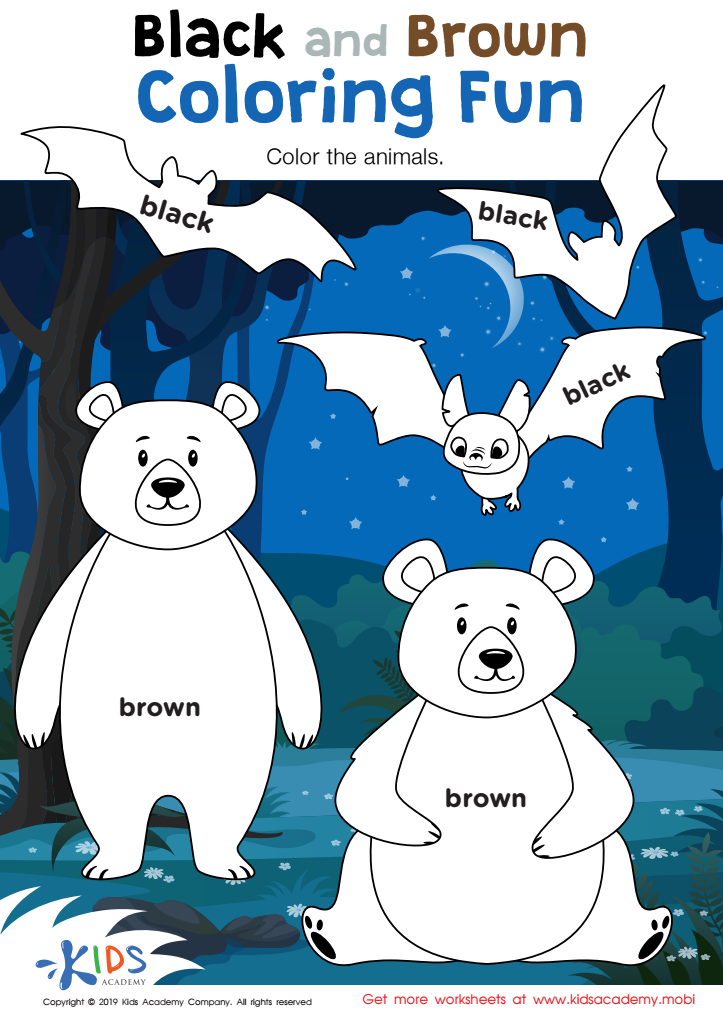
Black and Brown Coloring Fun Worksheet
Assign to My Students
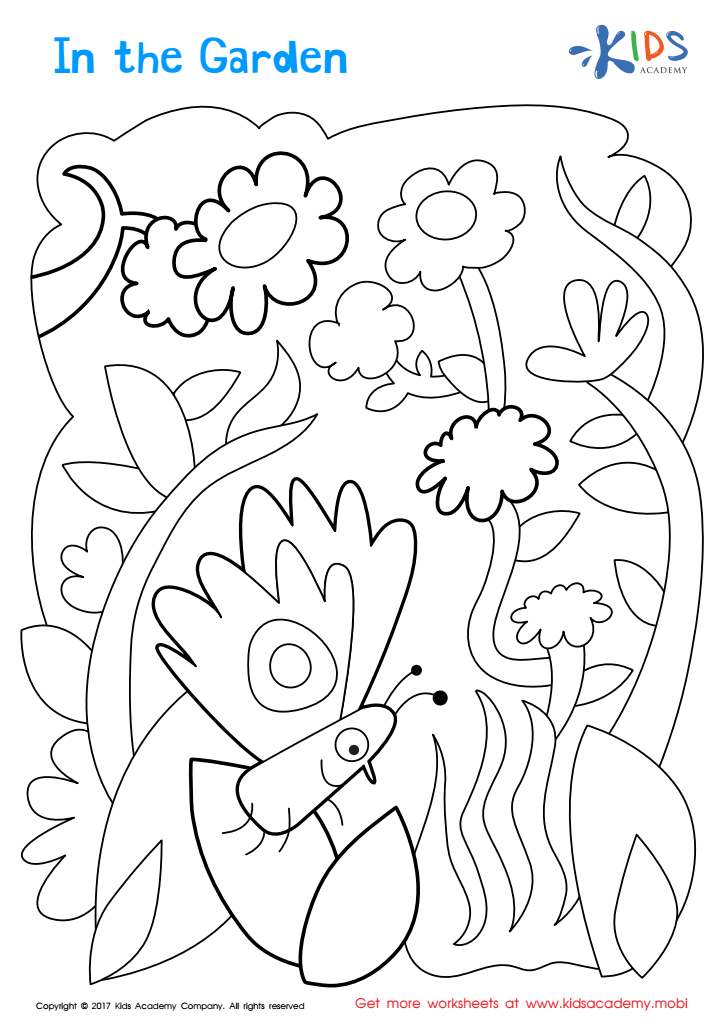
In The Garden Coloring Page
Assign to My Students
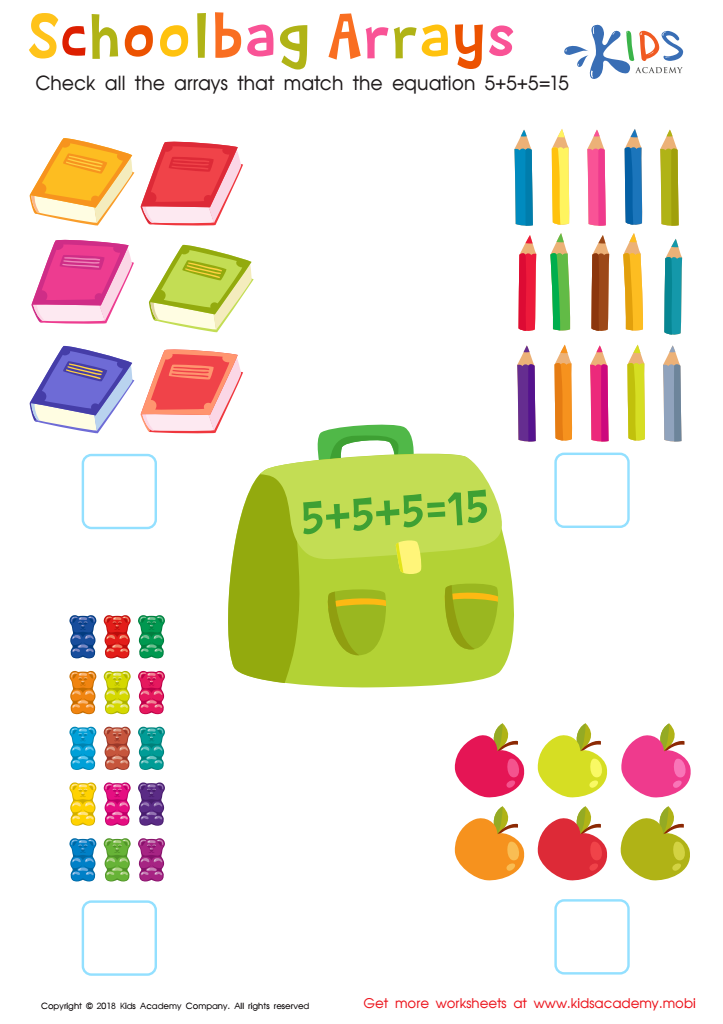
Schoolbag Arrays Worksheet
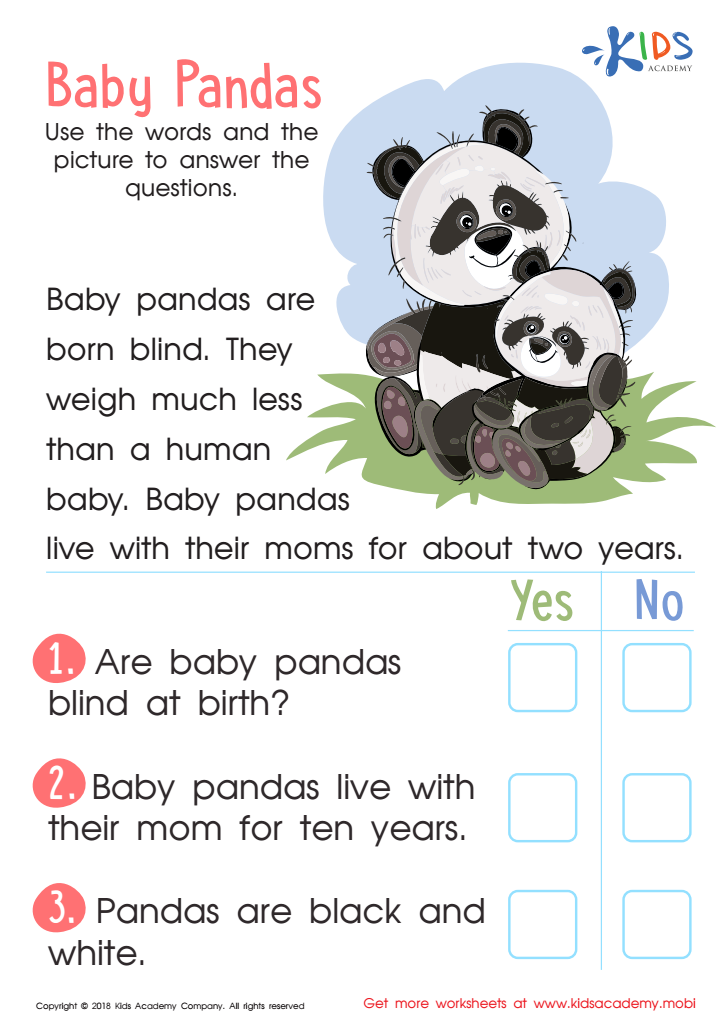
Baby Pandas Worksheet
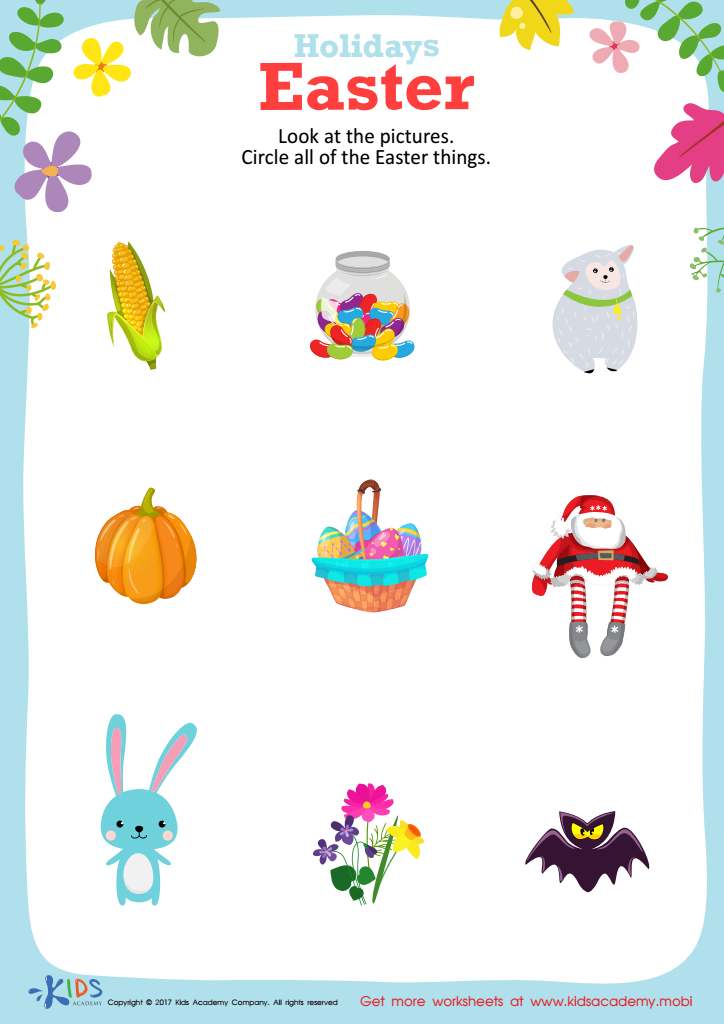
Easter Holiday Printable
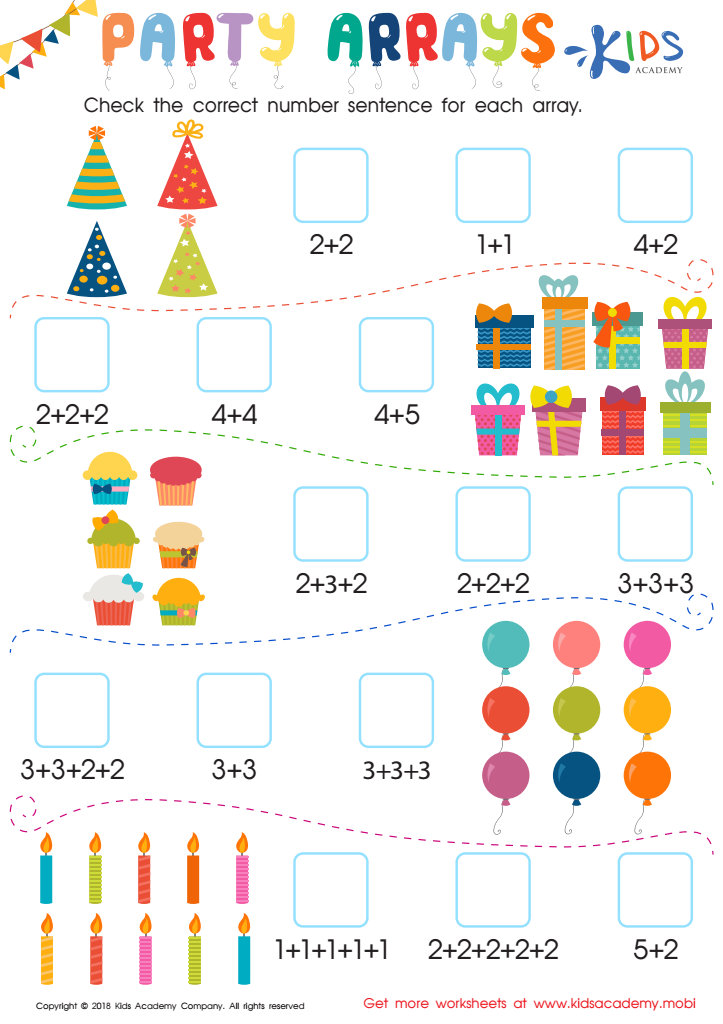
Party Arrays Worksheet

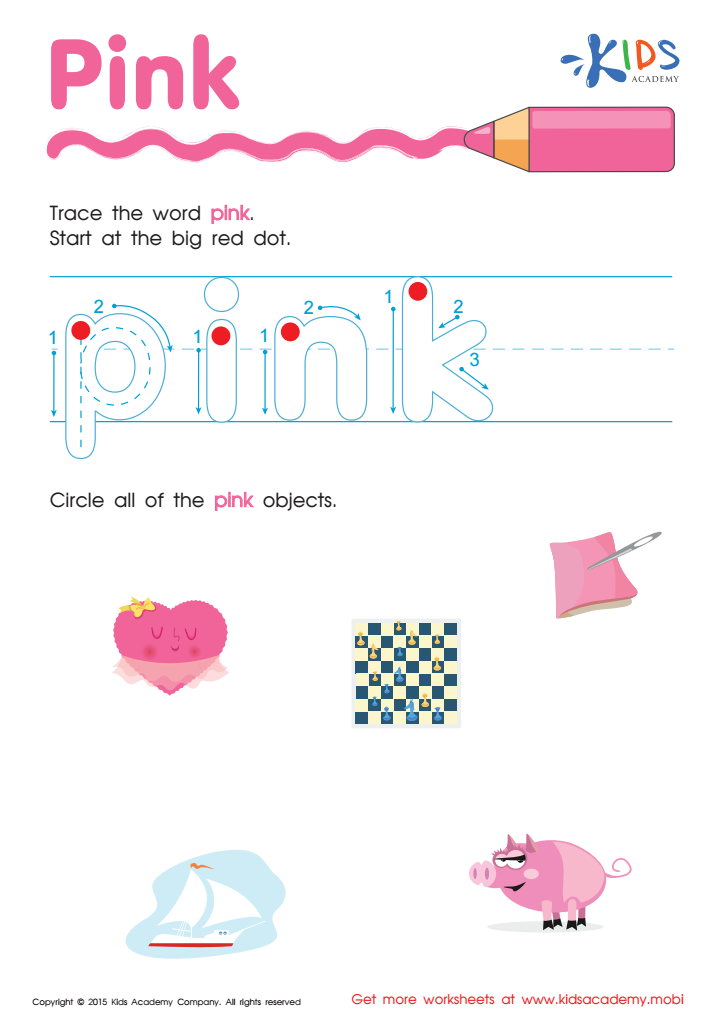
Pink Tracing Color Words Worksheet
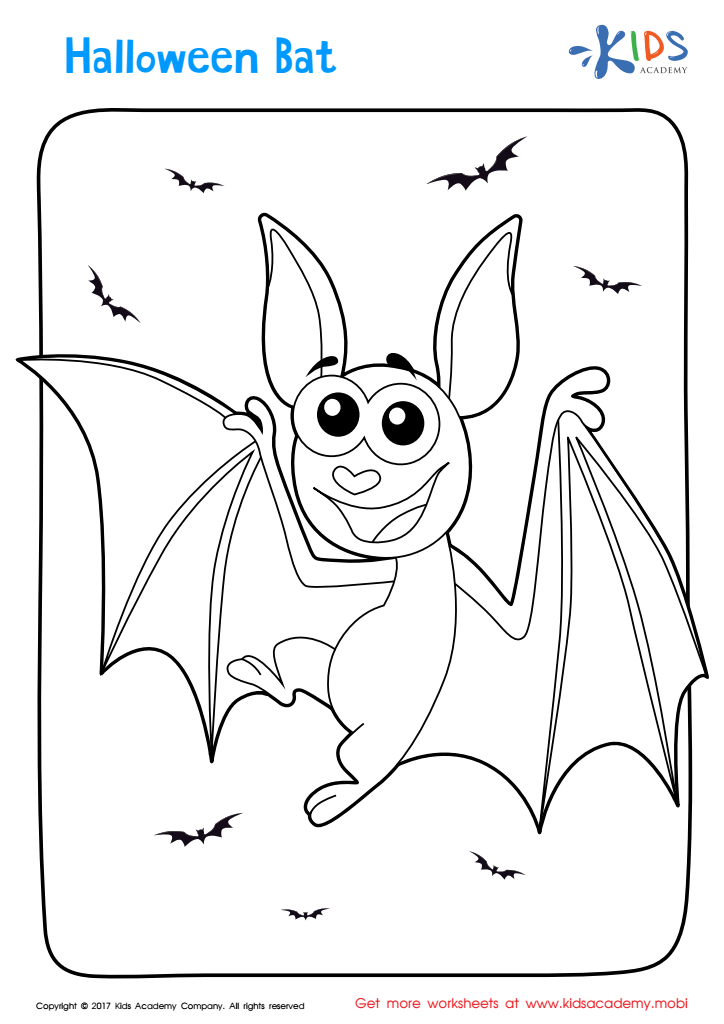
Halloween: A Bat Printable
Assign to My Students
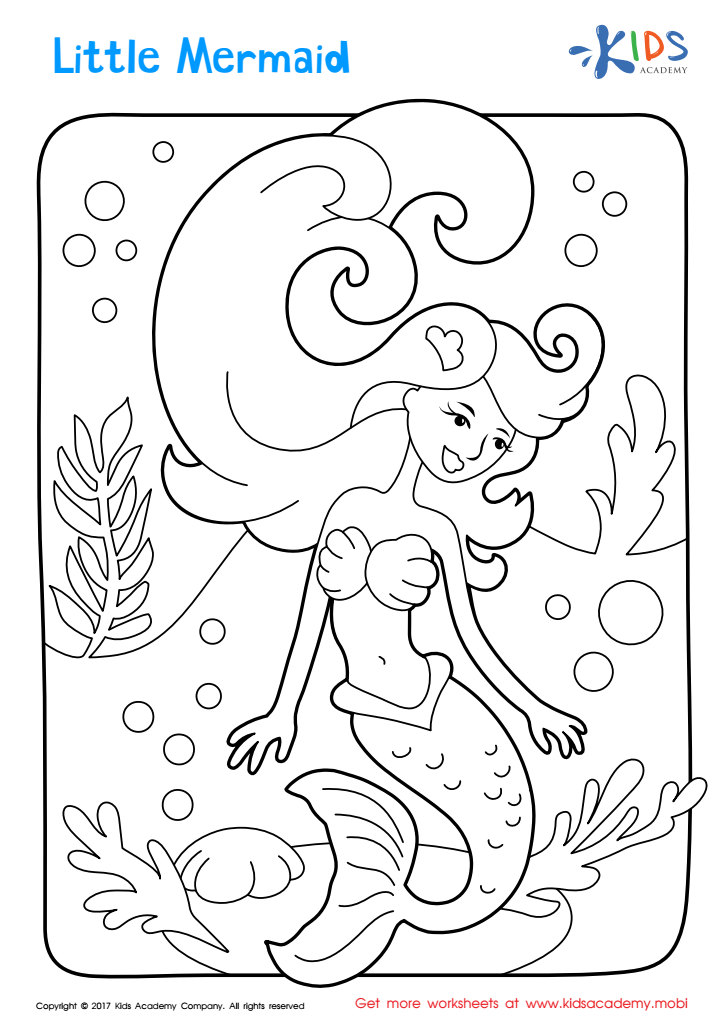
Little Mermaid Coloring Page
Assign to My Students
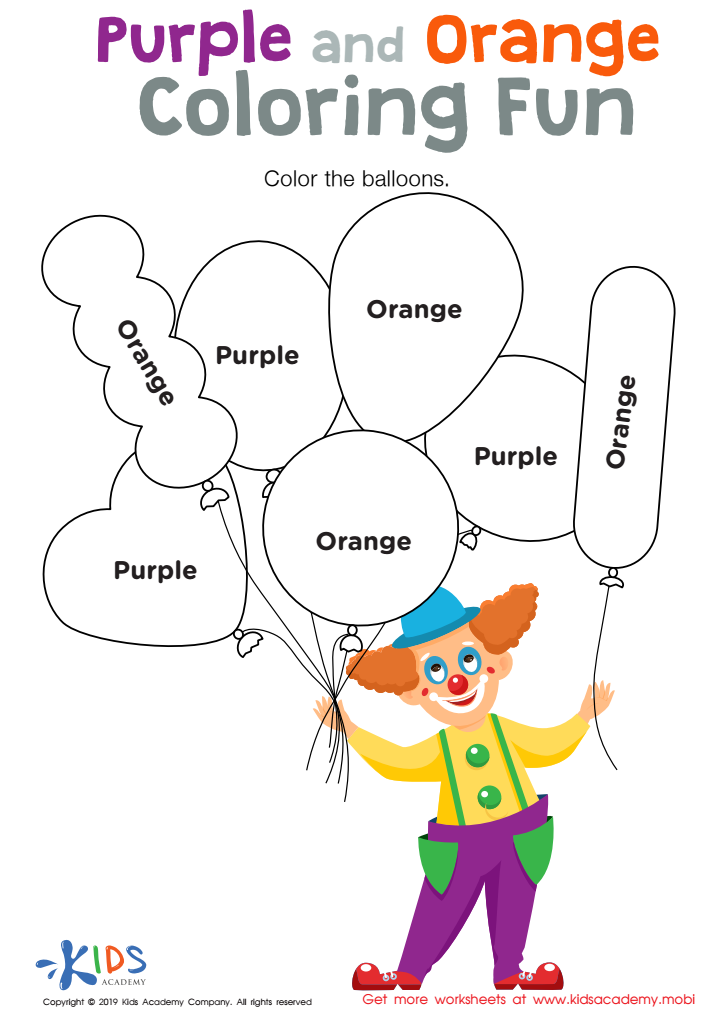
Purple and Orange Coloring Fun Worksheet
Assign to My Students
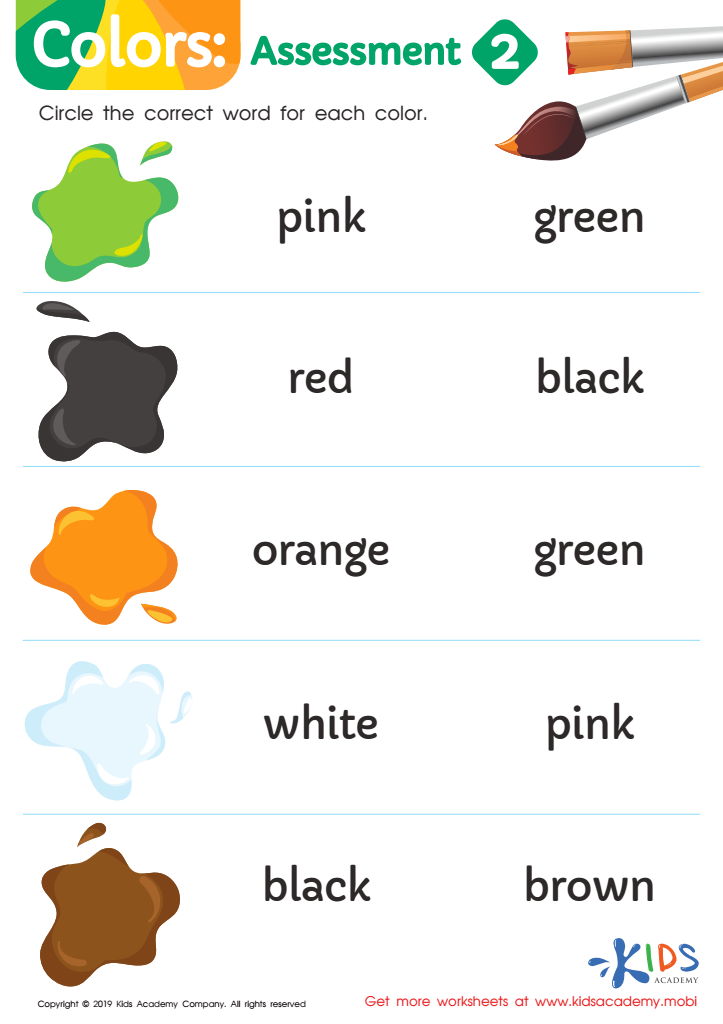
Colors: Assessment 2 Worksheet

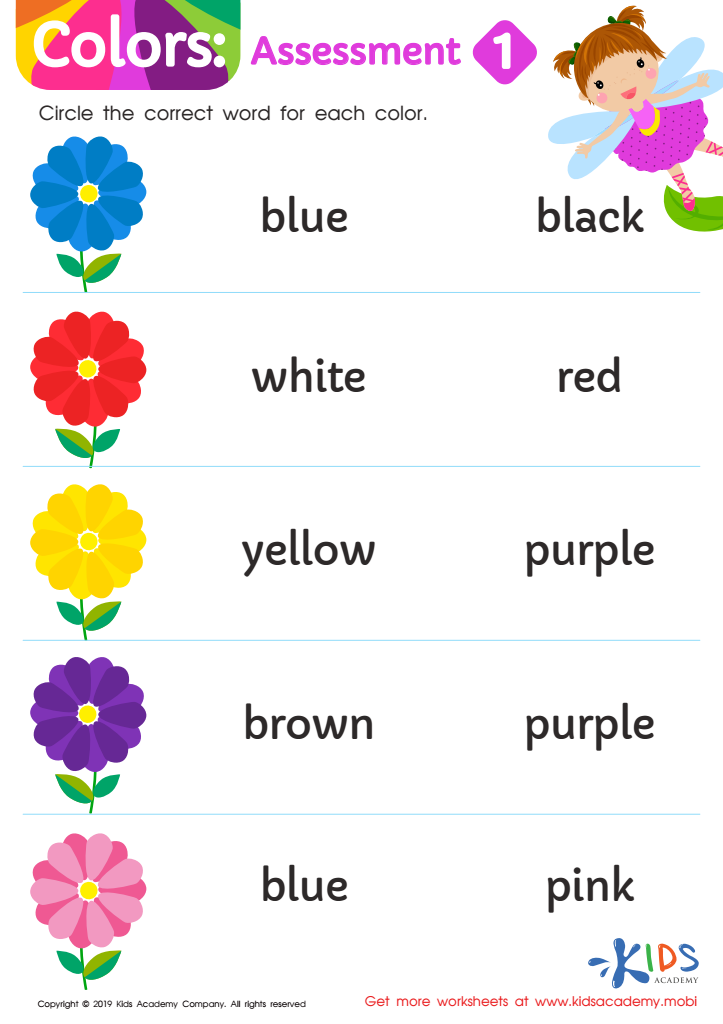
Colors: Assessment 1 Worksheet

The Wheels on the Bus Coloring Page
Assign to My Students

Hickory Dickory Dock Coloring Page
Assign to My Students
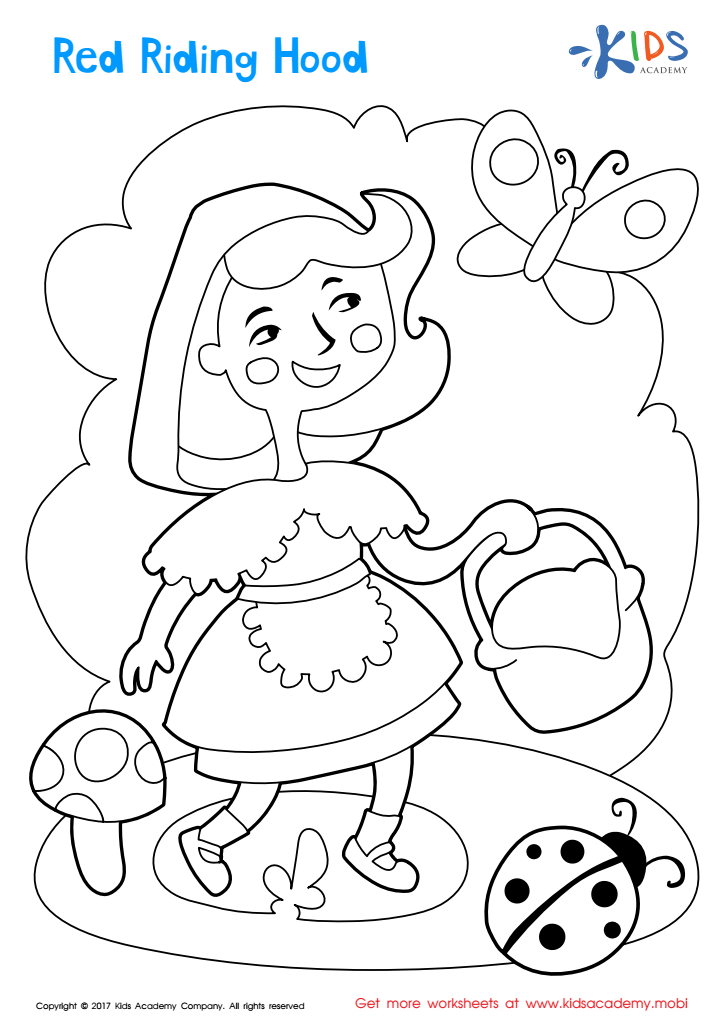
Red Riding Hood Coloring Page
Assign to My Students
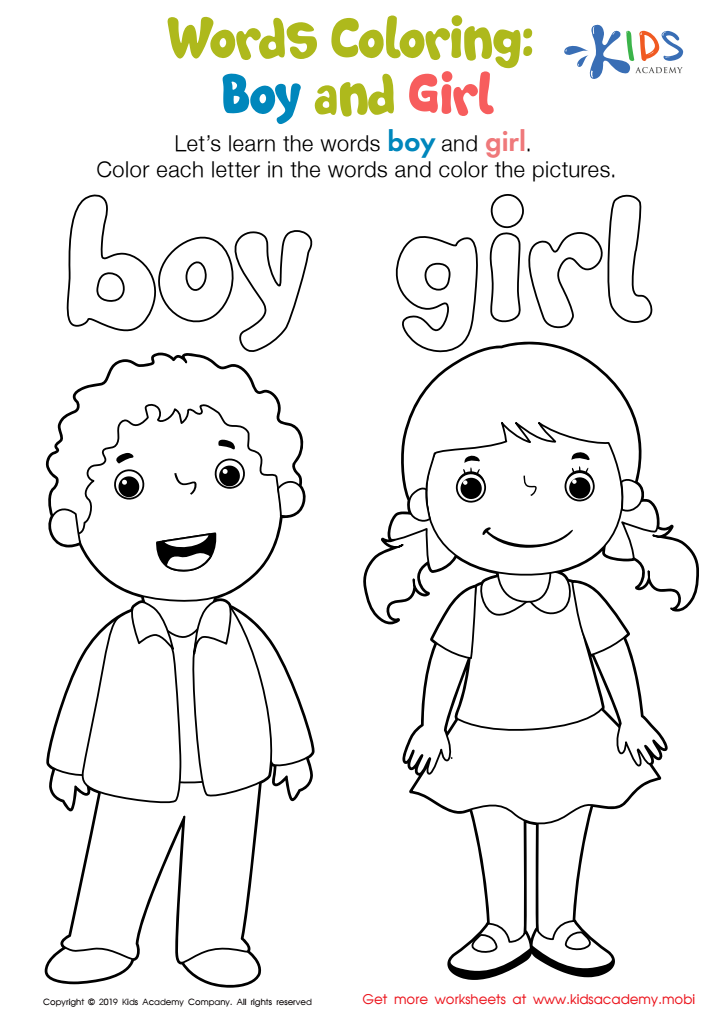
Boy and Girl Words Coloring Worksheet
Assign to My Students
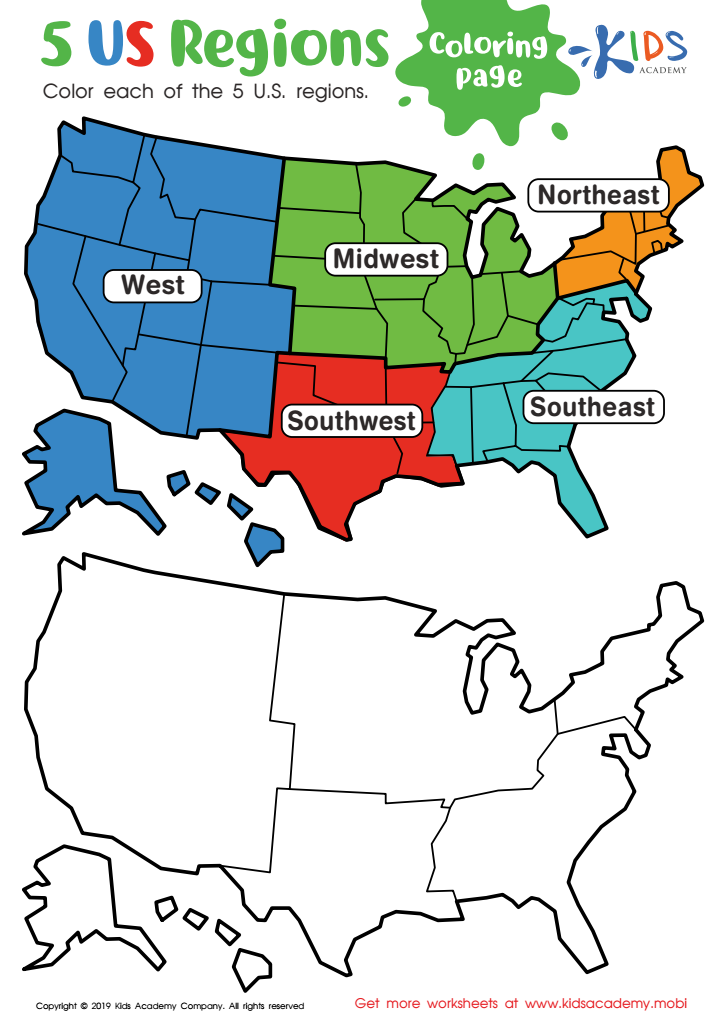
US Regions Coloring Page Worksheet
Assign to My Students








Color recognition is a fundamental skill that significantly impacts a child’s development, especially by the age of seven. At this stage, children not only learn to identify colors but also begin to associate them with emotions, objects, and concepts, which enhances their cognitive development. For parents and teachers, fostering color recognition is crucial for several reasons.
Firstly, mastering color identification supports language development. When children learn color names, they expand their vocabulary and improve communication skills, leading to more effective expression of thoughts and feelings.
Secondly, color recognition is linked to early math skills. Identifying and categorizing colors helps children understand sorting, patterns, and basic arithmetic concepts, promoting problem-solving skills crucial for later educational success.
Thirdly, colors play a role in creativity and artistic expression. As children engage in art projects or imaginative play, a strong grasp of colors allows for deeper creativity, fostering confidence and emotional wellness.
Finally, understanding colors can boost social interactions, as children often use colors to convey preferences or make choices in group settings. Thus, both parents and teachers should prioritize teaching color recognition to support holistic child development and enhance learning experiences.








