Discover an array of engaging worksheets designed to enhance critical thinking skills in 7-year-olds. Our thoughtfully crafted activities encourage young learners to analyze, evaluate, and apply information in meaningful ways. Through fun puzzles, logical reasoning games, and creative problem-solving exercises, children develop essential skills essential for their academic journey and future success. These worksheets are perfect for parents and educators seeking to foster inquiry-based learning and stimulate intellectual curiosity. Empower your child with the tools to think independently and make connections across subjects while having fun along the way. Explore our resources and watch their critical thinking flourish!

Check out this FREE "Developing critical thinking" Trial Lesson for age 7!

Resources

Favorites
With answer key
Interactive
  • 7
  • Developing critical thinking
Seeds on the Move Worksheet

Seeds on the Move Worksheet

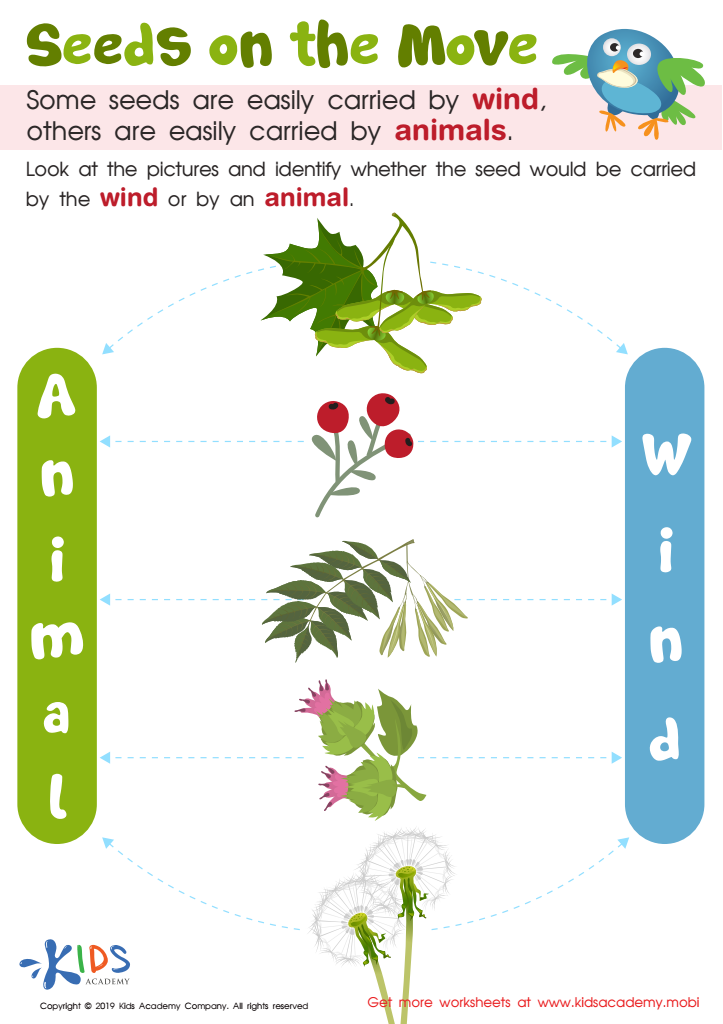
Help students understand the concept of spreading seeds with this fun traceable worksheet. Discuss the pictures, and see if they can identify whether the seed is carried by the wind or an animal. Explain how seeds can travel from place to place without human help, and how this helps them grow in new locations.
Seeds on the Move Worksheet
Worksheet
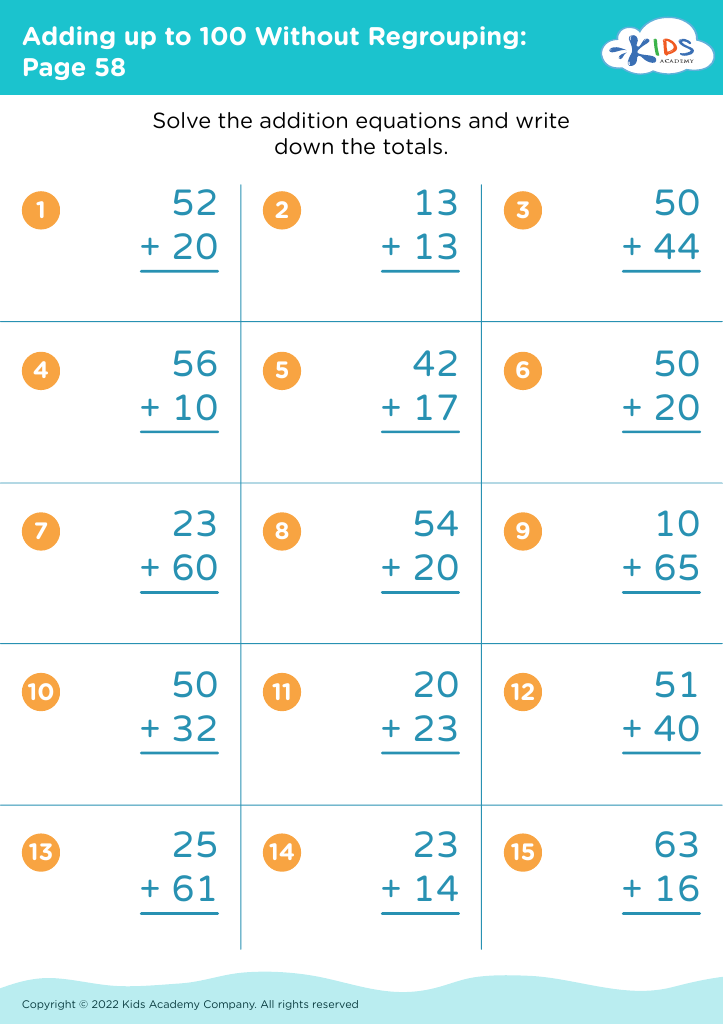
Adding up to 100 Without Regrouping: Page 58
Worksheet
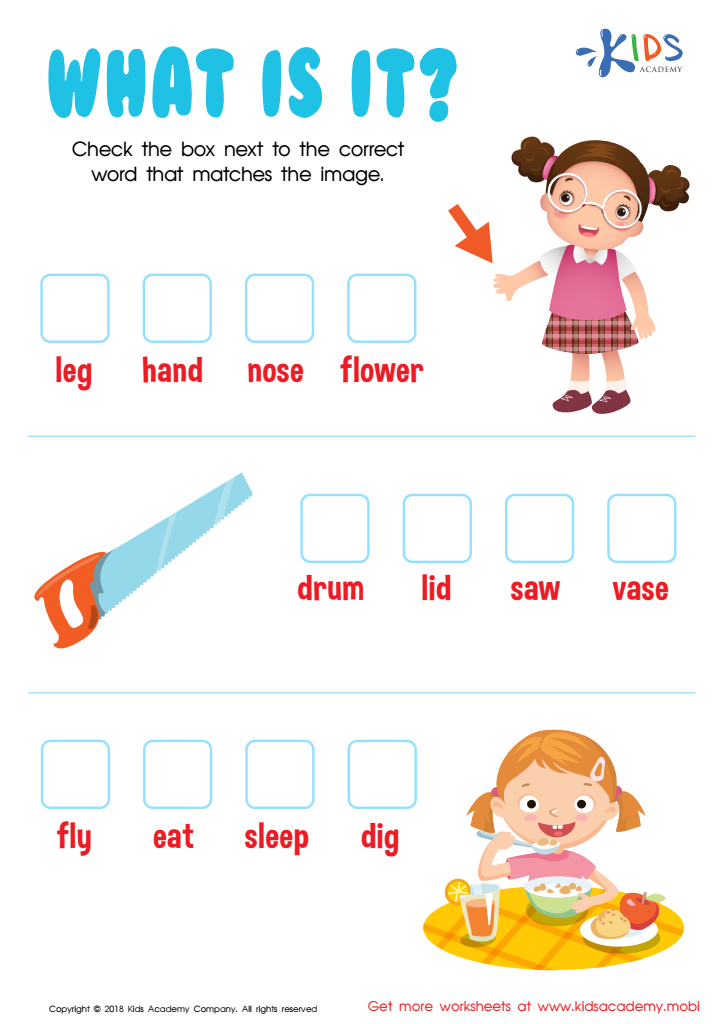
What Is It? Worksheet

What Is It? Worksheet

Test your kids' object recognition skills with this worksheet. Have them identify each picture, then check the box next to the correct word. Point to the image and ask your child what it is; then help them select the correct answer. It's a great way to see how well they can recognize objects from pictures.
What Is It? Worksheet
Worksheet
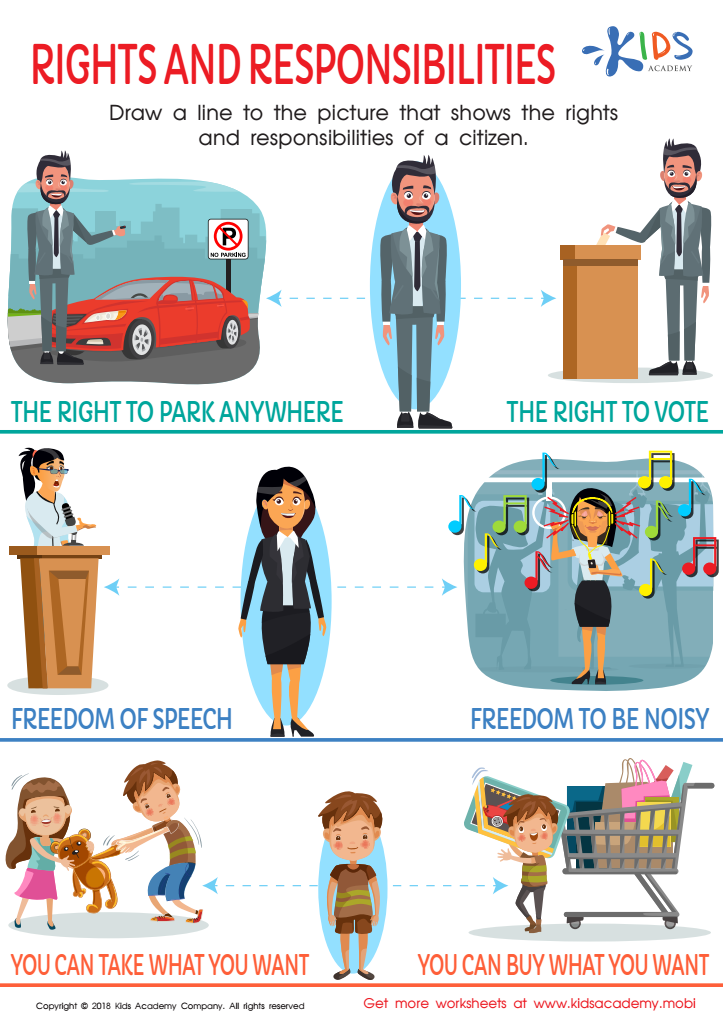
Rights and Responsibilities Worksheet

Rights and Responsibilities Worksheet

Encourage your kids to discuss their rights as citizens. Help them recognize fundamental human rights they're entitled to. Review the worksheet: ask them to read aloud and draw a line to the right picture. Invite them back to the discussion to explain their choices. Each step will help them understand and exercise their rights.
Rights and Responsibilities Worksheet
Worksheet
Human, natural, and capital resources worksheet

Human and Capital Resources Worksheet
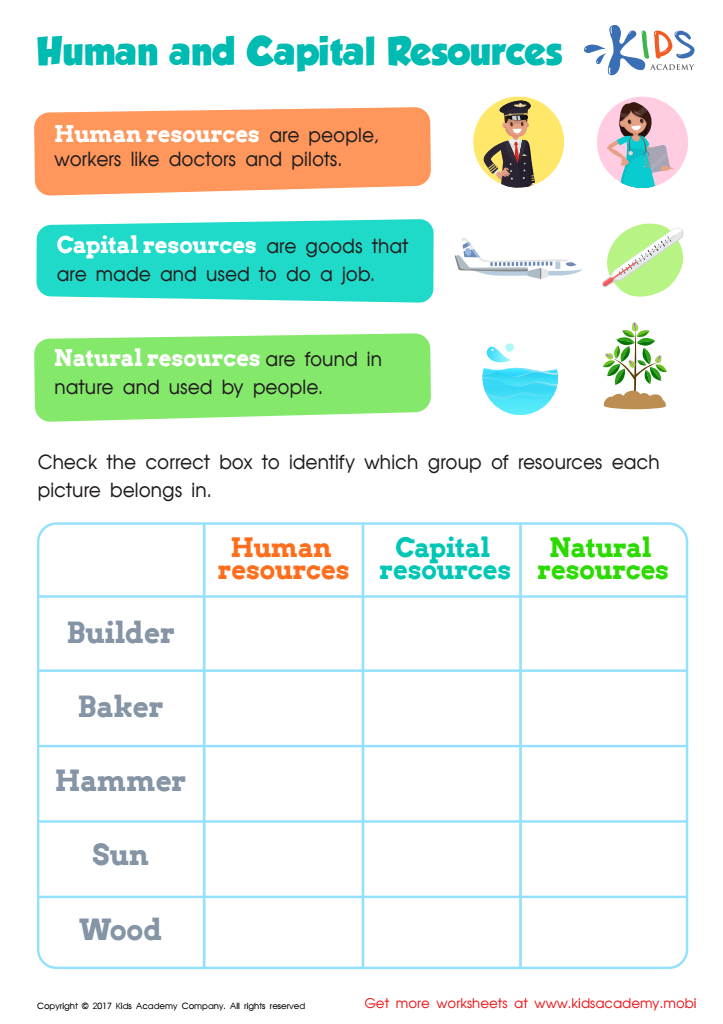
It helps identify and differentiate human, natural and capital resources, so your kid can understand how each affects their world.
Human and Capital Resources Worksheet
Worksheet
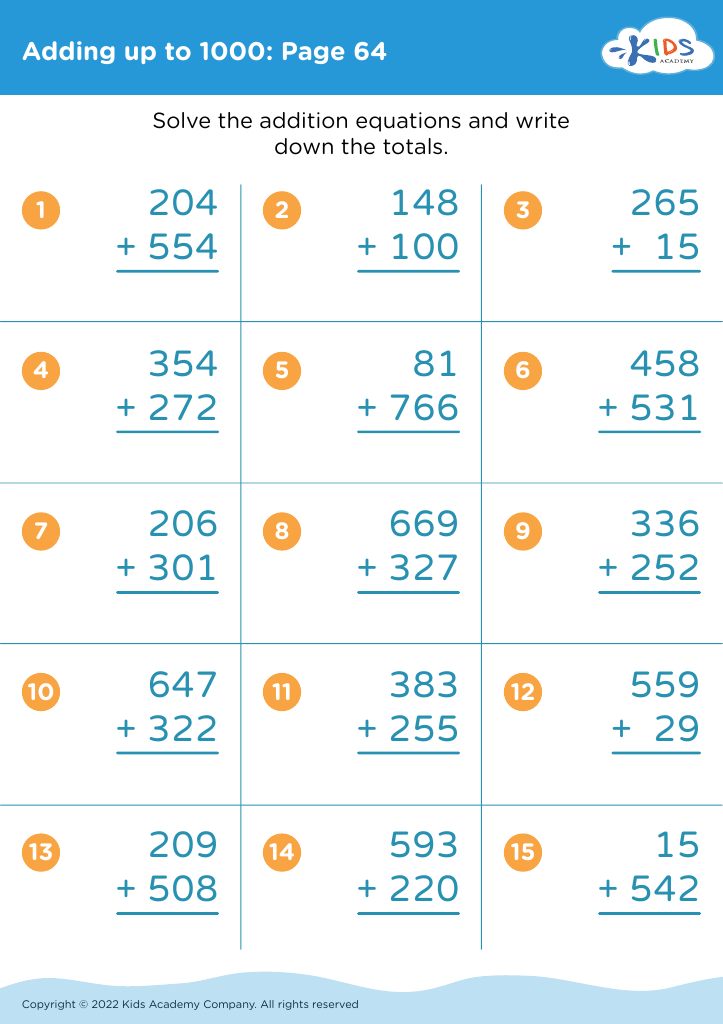
Adding up to 1000: Page 64

Adding up to 1000: Page 64

Adding up to 1000: Page 64
Worksheet
Subtracting Numbers: Music Worksheet

Subtracting Numbers: Music Worksheet

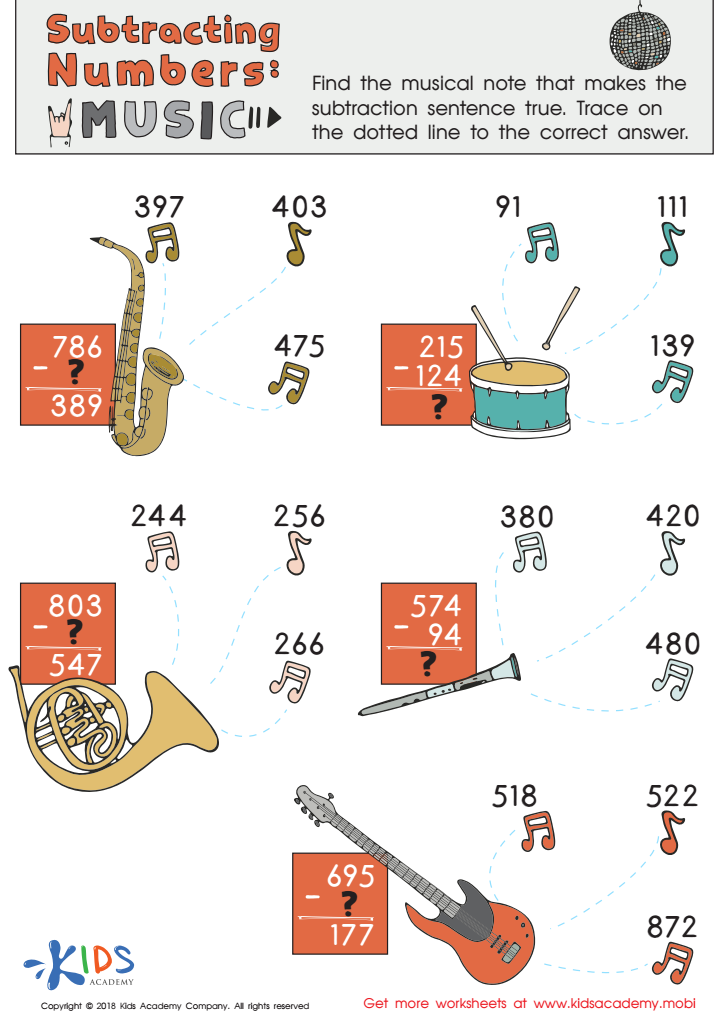
Enroll your kids in a music class and let them express their feelings via music! This worksheet challenges them to identify the musical note that makes the subtraction sentence true. Help them solve the problem and trace the dotted line to the correct answer. Let their appreciation for music grow!
Subtracting Numbers: Music Worksheet
Worksheet
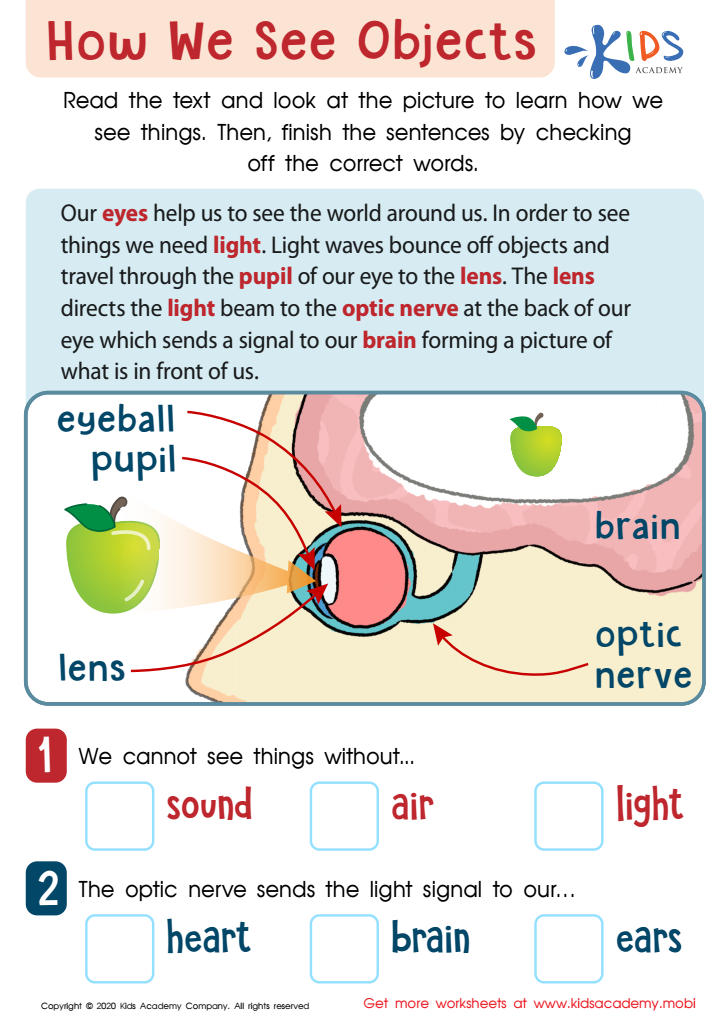
How We See Objects Worksheet


How We See Objects Worksheet

Remind your students of our five senses! This worksheet will teach them more about sight: read/listen to the text, look at pictures, then help them complete sentences. Check off the right words!
How We See Objects Worksheet
Worksheet


Developing critical thinking skills in 7-year-olds is essential for their overall growth and future success. At this age, children are naturally curious and eager to explore, making it an ideal time to foster their ability to think critically. Encouraging critical thinking helps children analyze information, solve problems, and make reasoned decisions—all skills that are increasingly important in our fast-paced, information-rich world.

Parents and teachers play a crucial role in cultivating these skills. Engaging children in open-ended questions and discussions enhances their ability to evaluate different perspectives and come up with creative solutions. It promotes independence and boosts their confidence as they learn to trust their judgment.

Moreover, critical thinking lays the groundwork for academic success. Children who can think critically are better equipped to tackle complex subjects, understand nuanced issues, and excel in standardized assessments. Beyond academics, critical thinking is vital in social situations, helping children navigate friendships and understand emotions. By nurturing these skills early on, parents and teachers not only prepare children for academic challenges but also empower them to become thoughtful, informed adults in society. In essence, fostering critical thinking from a young age is an investment in their future.