Developing logical thinking Worksheets for 7-Year-Olds
7 filtered results
-
From - To
Welcome to our "Developing Logical Thinking Worksheets for 7-Year-Olds" page, designed to enhance critical thinking skills in young learners! Our expertly crafted worksheets engage children in fun and interactive activities that promote logical reasoning, problem-solving, and analytical skills. Each printable resource is tailored to suit the developmental needs of 7-year-olds and includes puzzles, sequences, and matching exercises that challenge their minds. Perfect for both classroom and homeschool settings, our worksheets not only support cognitive development but also ignite a love for learning. Explore our collection and watch your child's logical thinking abilities flourish!
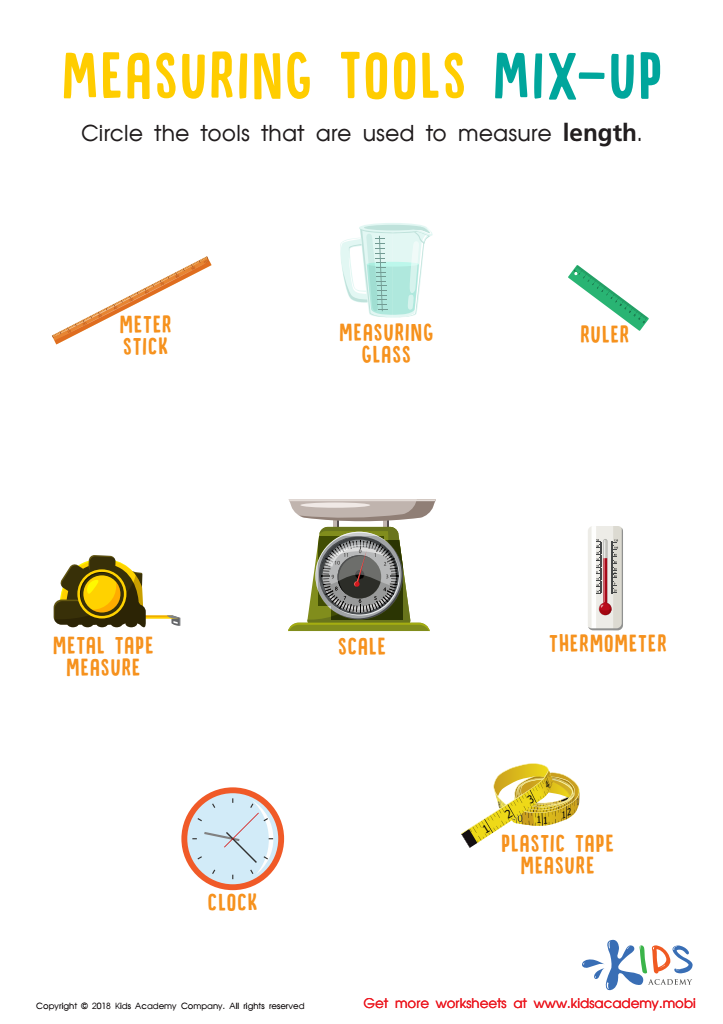
Measuring Tools Mix–up Worksheet
 Assign to My Students
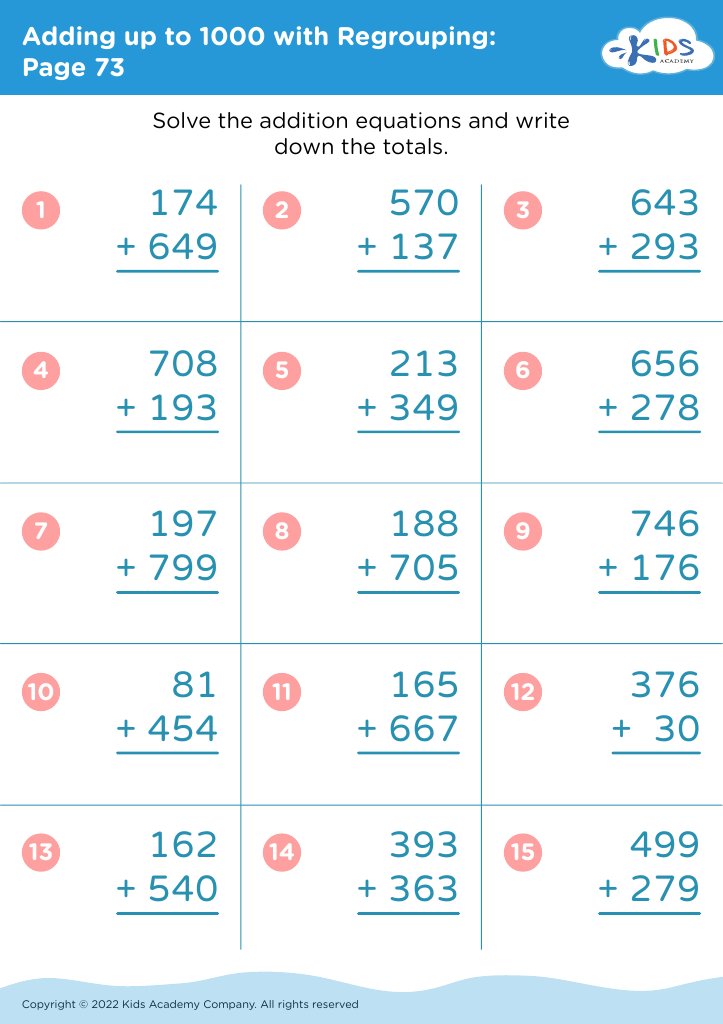
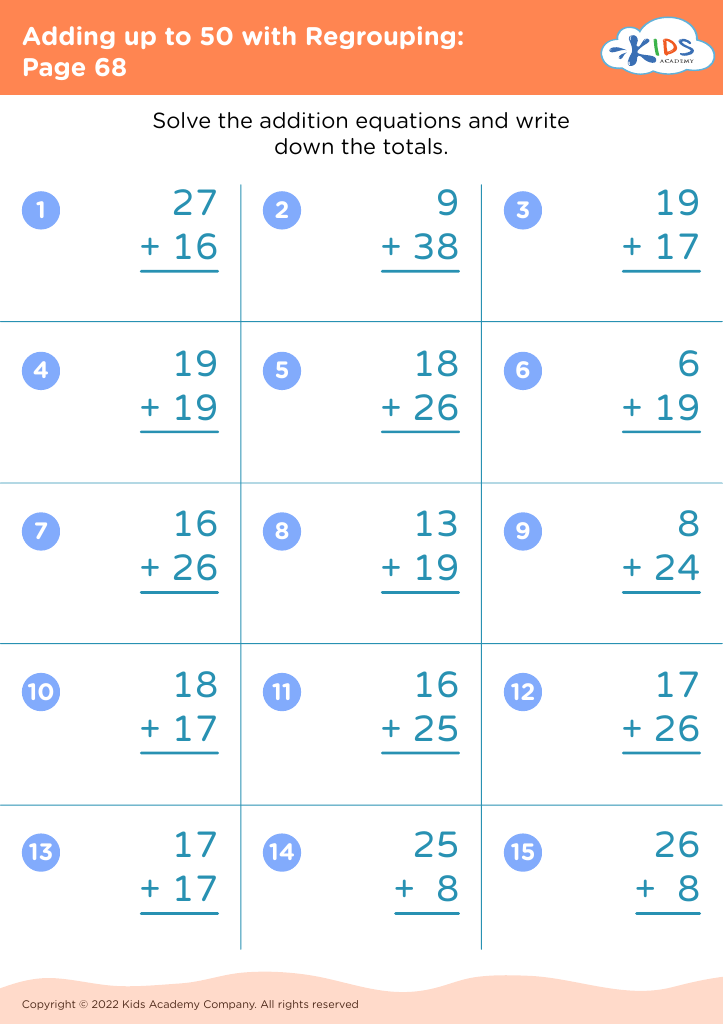
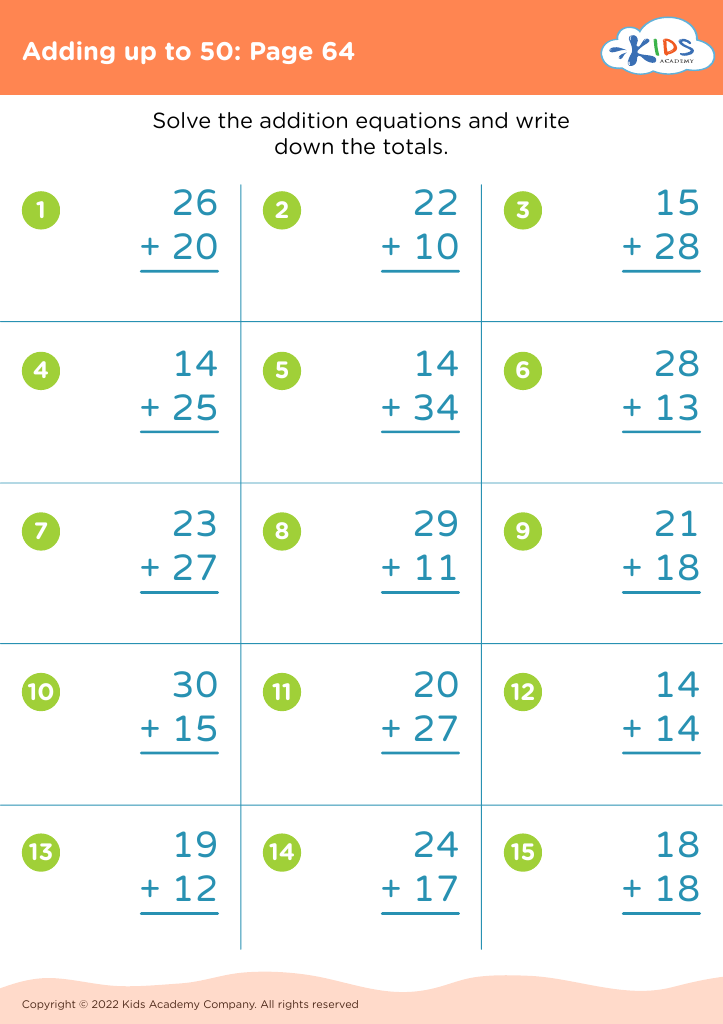
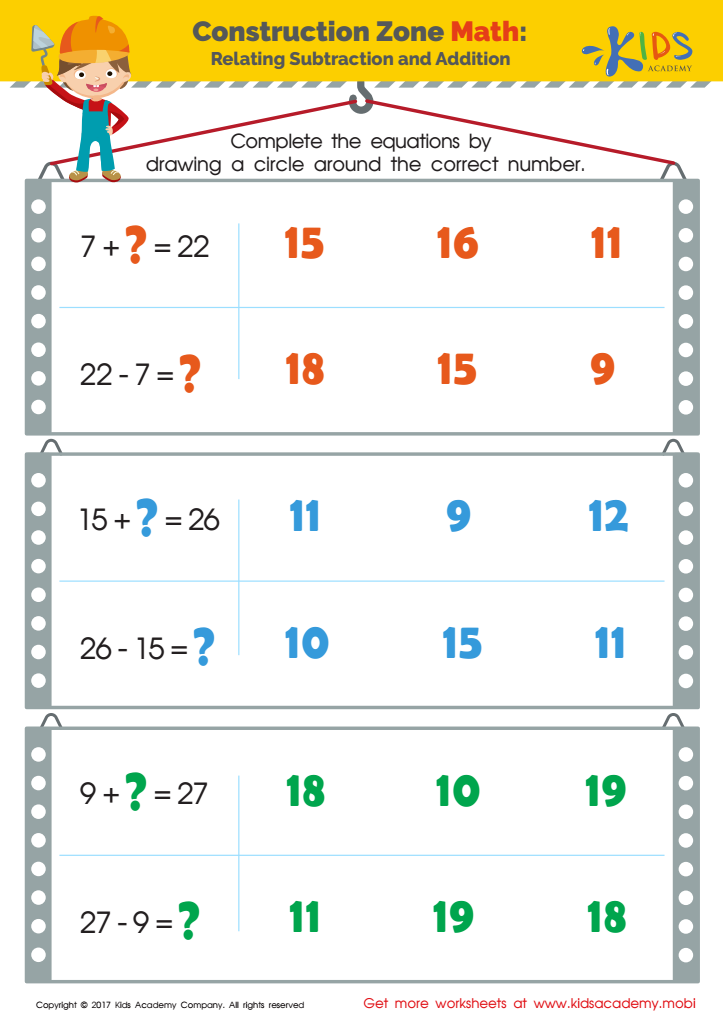
Related Addition and Subtraction Facts Worksheet

Notation of Check Worksheet
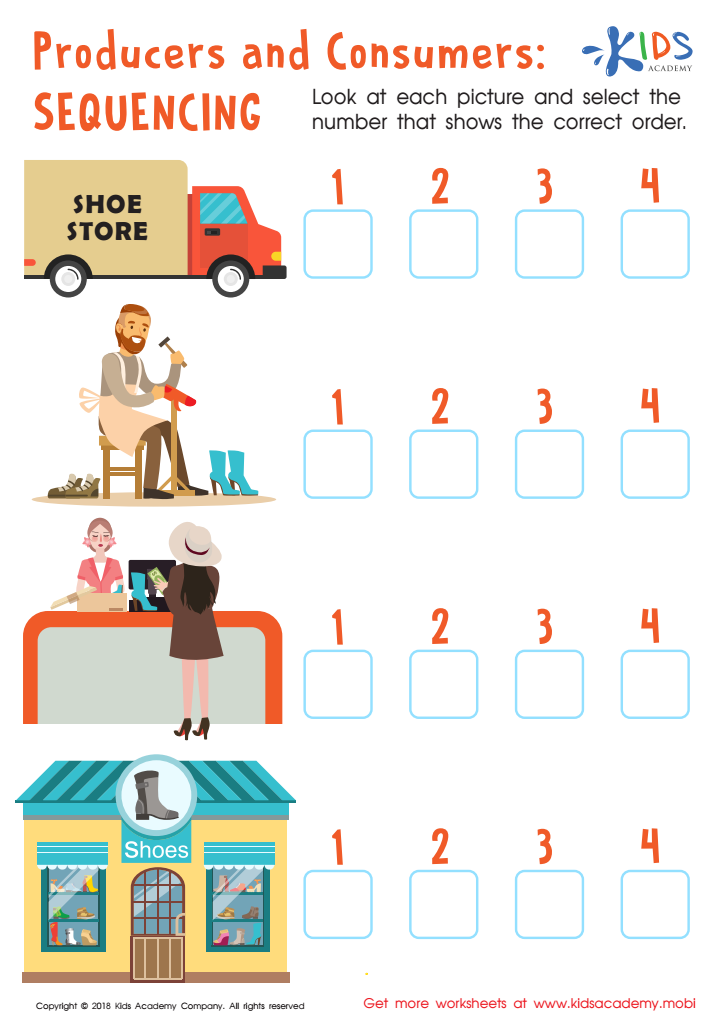
Producers and Consumers: Sequencing Worksheet







Developing logical thinking in 7-year-olds is crucial for fostering problem-solving skills and enhancing academic success. At this age, children are at a pivotal stage where they begin to transition from concrete to more abstract thinking. Engaging them in activities that promote logical reasoning, such as puzzles, simple math games, and science experiments, nurtures their ability to analyze information, make connections, and draw conclusions.
Parents and teachers should care about this development as it lays the groundwork for critical thinking and decision-making skills that will serve children throughout their educational journey and into adulthood. Encouraging logical thinking helps children become more confident and independent learners, as they learn to evaluate different perspectives and approach challenges thoughtfully.
Furthermore, these skills foster creativity and innovation, equipping children to navigate complex situations. In an increasingly complex world, being able to think logically and clearly is essential for both academic achievements and future workplace success. Ultimately, supporting the development of logical thinking in young children not only enriches their learning experiences but also cultivates informed, capable, and self-sufficient individuals who are prepared for the challenges ahead.








