Directional understanding Worksheets for 7-Year-Olds
4 filtered results
-
From - To
Develop your child’s spatial awareness and problem-solving skills with our Directional Understanding Worksheets for 7-Year-Olds. Crafted by educational experts, these engaging worksheets offer fun and interactive activities that teach kids the fundamental concepts of direction and movement. Children will explore navigation skills through simple maps, paths, and everyday scenarios, enhancing their ability to follow and give directions. Perfect for at-home learning or classroom use, our printable worksheets are designed to boost their confidence and set a solid foundation for future learning. Help your child master directional concepts with these educational and enjoyable exercises today!
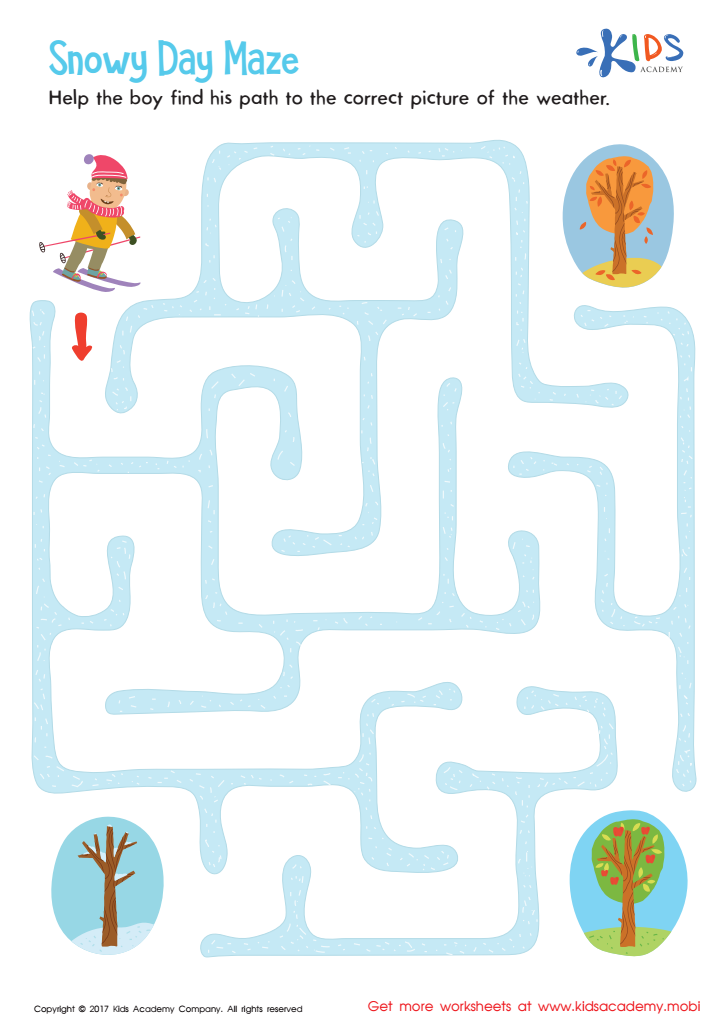
 Assign to My Students
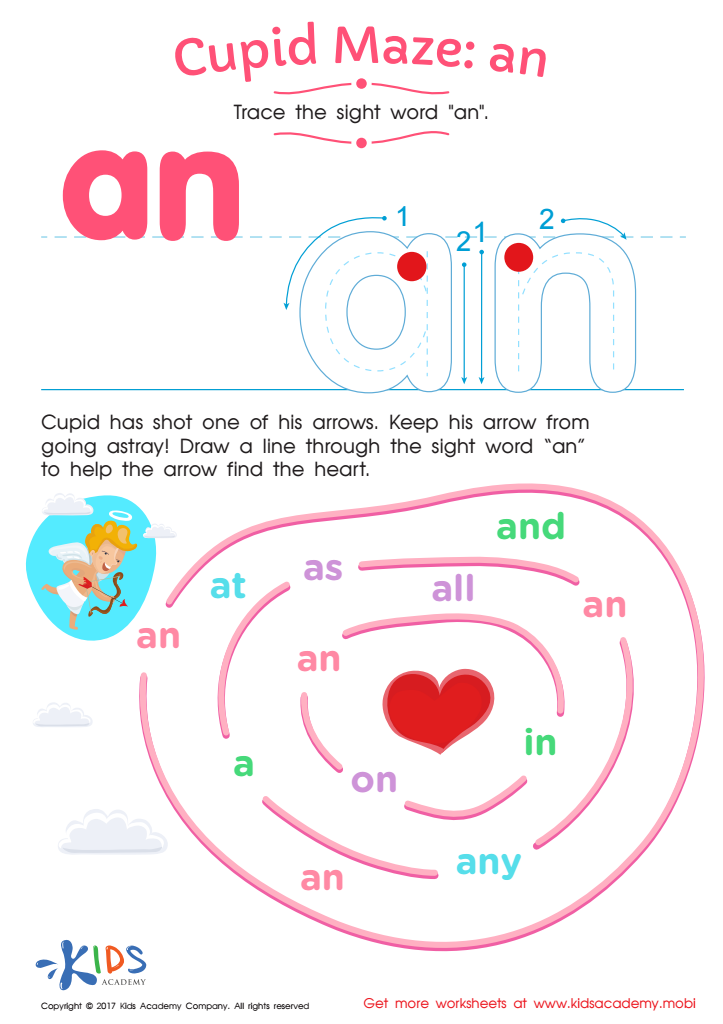
Cupid Maze: An Printable
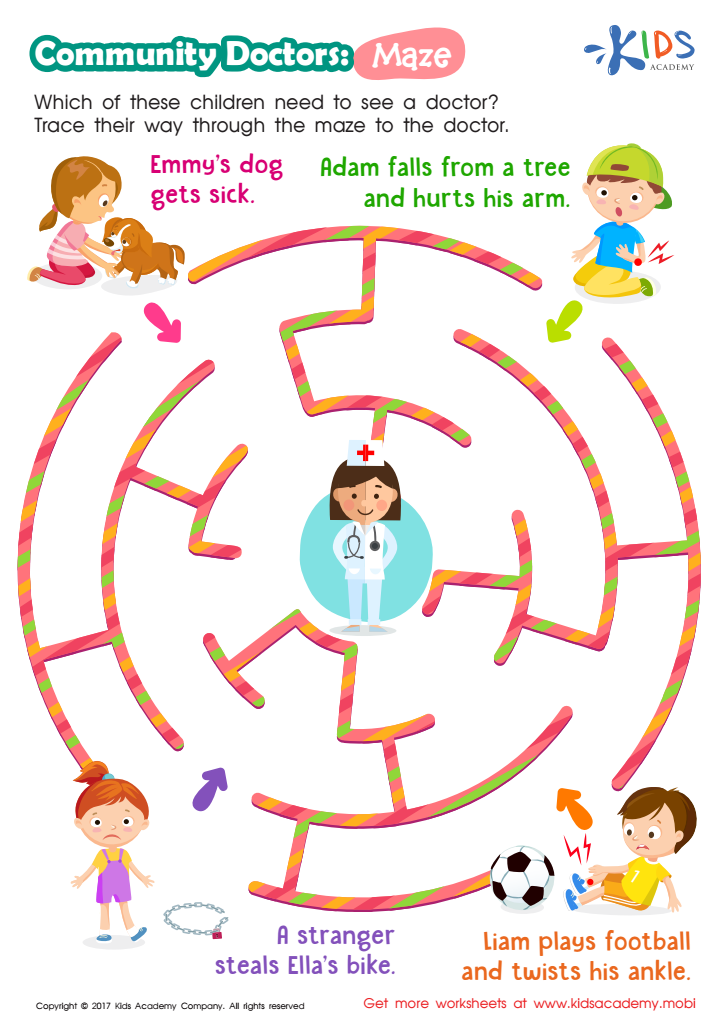
Community Doctors: Maze Printable
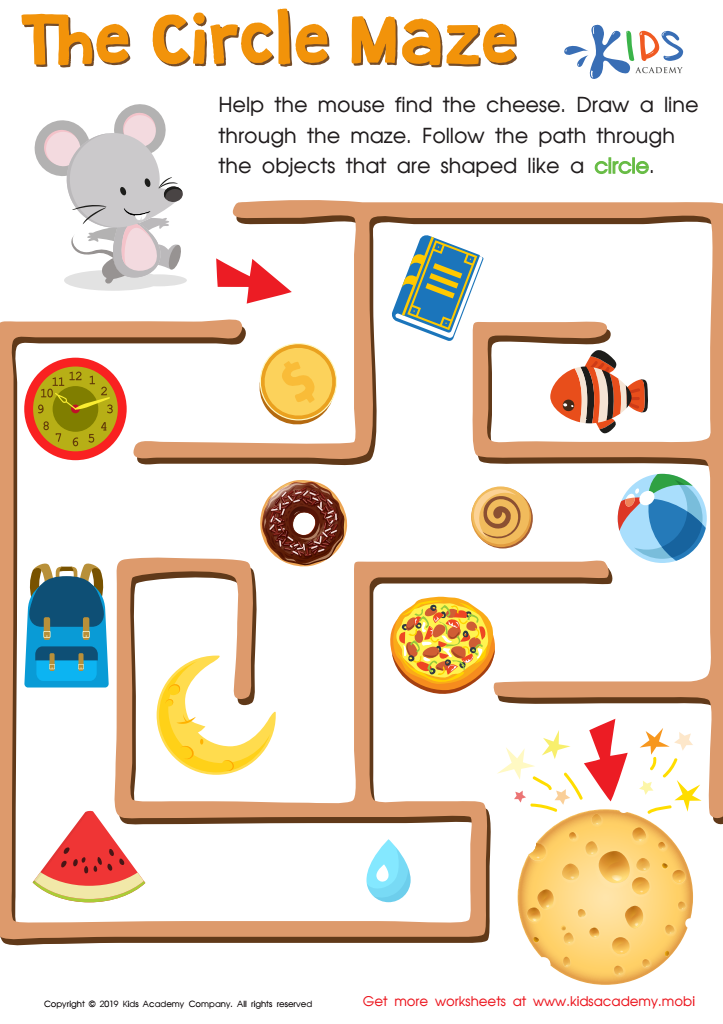
The Circle Maze Worksheet







Understanding direction is a pivotal skill for 7-year-olds, as it lays the foundation for essential day-to-day functioning and cognitive development. When children comprehend concepts like left, right, forward, and backward, they gain confidence in navigating their world, whether it's following a route to their classroom or understanding spatial relationships in a story or puzzle.
Directionality is not just about physical movement; it's intricately tied to literacy. For example, reading involves the directionality of scanning text from left to right and top to bottom, and writing asks for proper letter orientation. Misunderstanding these concepts can lead to confusion and difficulty in learning how to read and write accurately.
Moreover, directional understanding enhances math skills by helping kids grasp principles like sequencing, which is vital for solving problems and coding in our increasingly digital world. Physical activities, too, depend on direction. Games, sports, and everyday tasks require awareness of personal space and movement, aiding in coordination and social interaction.
Teachers and parents should therefore integrate directional learning in daily activities. Simple games, clear verbal instructions, and practicing with maps and drawings can significantly enhance this skill. Cultivating directional understanding not only bolsters academic skills but also fosters independence and spatial intelligence, contributing to a child's holistic development.








