Help your 7-year-old master essential grammar skills with our diverse selection of grammar practice worksheets. Engaging and educational, these worksheets cover nouns, verbs, adjectives, punctuation, sentence structure, and more, making learning both fun and effective. Designed by experienced educators, each worksheet provides challenging yet age-appropriate activities that boost grammar understanding and writing skills. Ideal for both classroom use and extra practice at home, our printables make grammar practice enjoyable and accessible. Give your child the tools they need to excel in English and enhance their communication abilities with our comprehensive grammar practice worksheets.

Check out this FREE "Grammar practice" Trial Lesson for age 7!

Determine the Meaning of Words with Common Prefixes

Favorites
With answer key
Interactive
  • 7
  • Grammar practice
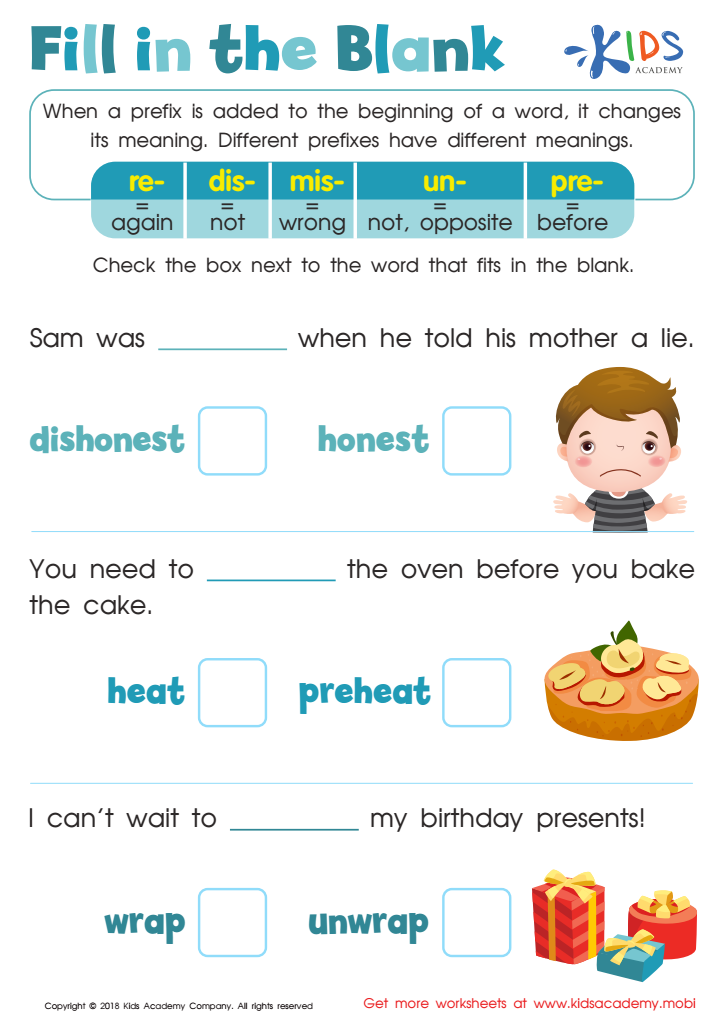
Reading: Fill in the Blank Worksheet

Reading: Fill in the Blank Worksheet

Students can practice understanding the meaning of common prefixes with this worksheet. They read sentences and pick the correct word with the appropriate prefix to complete it. Downloadable and a great addition to reading and vocabulary resources, this helps improve comprehension with mastery of the skill!
Reading: Fill in the Blank Worksheet
Worksheet
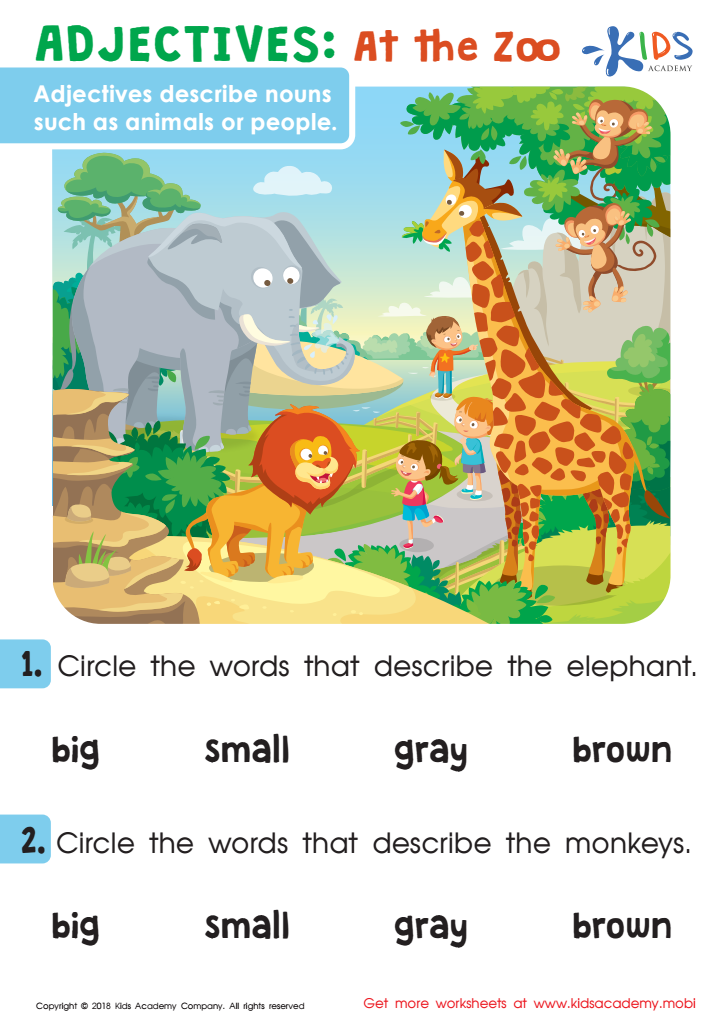
Adjectives: At The Zoo Worksheet

Adjectives: At The Zoo Worksheet

Take your kids to the zoo and ask them about their favorite activities and animals. This worksheet is a great way for kids to learn about adjectives. Explain that adjectives describe nouns like people or animals (e.g. big, tall, dark). Look at the printout with your kids and help them circle words that describe the animals in the picture.
Adjectives: At The Zoo Worksheet
Worksheet
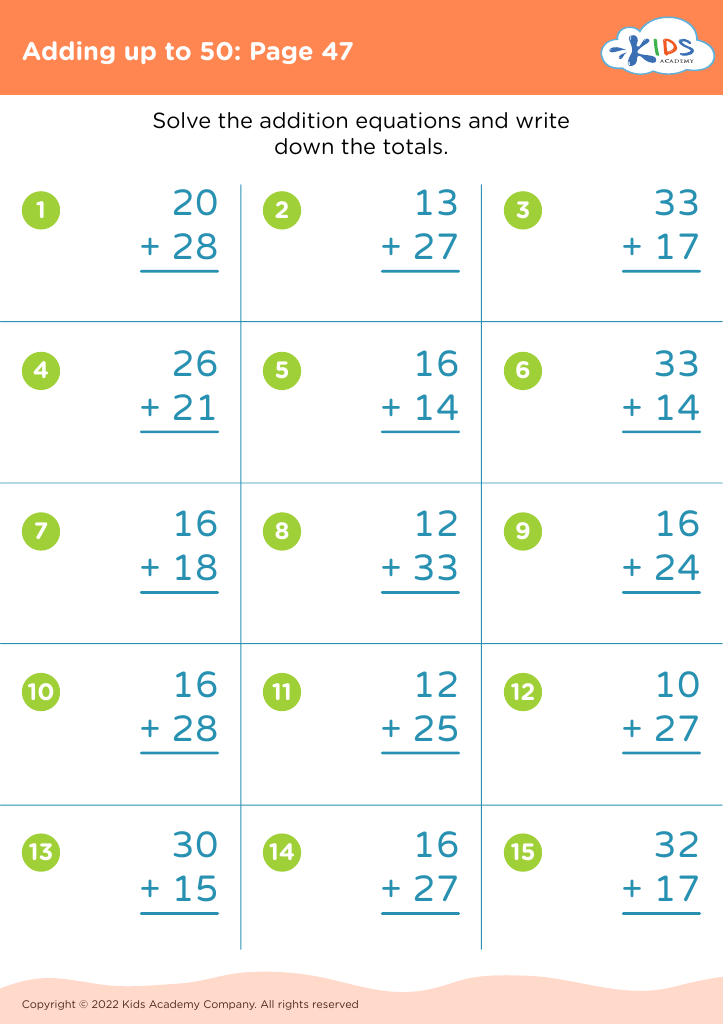
Adding up to 50: Page 47

Adding up to 50: Page 47

Adding up to 50: Page 47
Worksheet
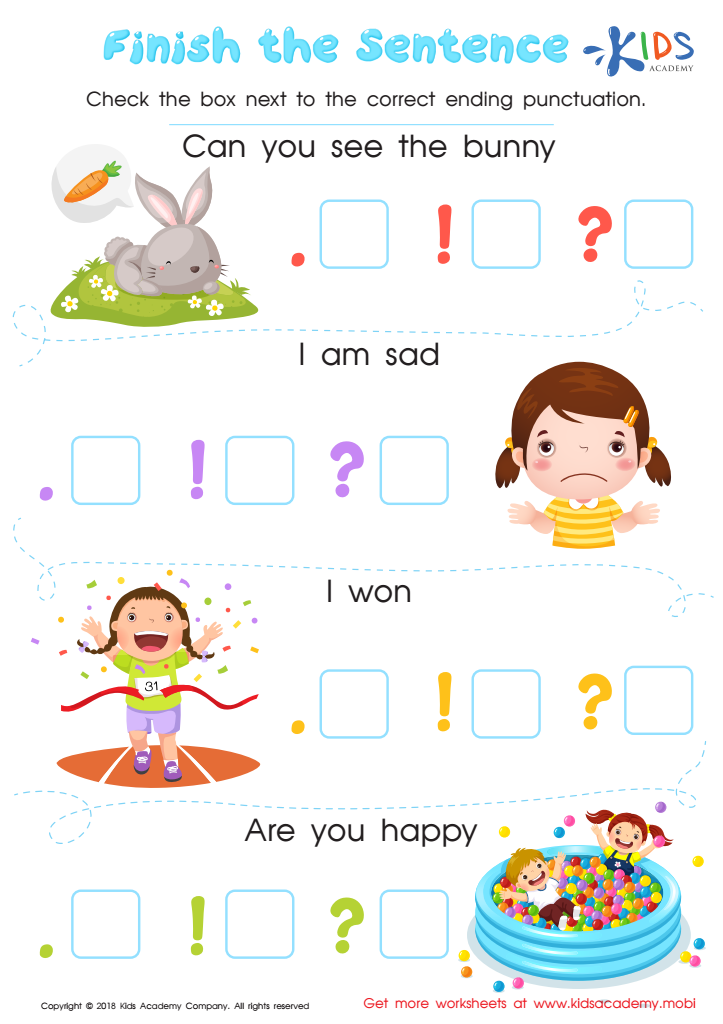
Finish the Sentence Worksheet

Finish the Sentence Worksheet

If your students have difficulty with punctuation, have them read sentences aloud and check the box next to the correct ending punctuation with this simple worksheet. Punctuation signals the tone and meaning of sentences. It helps students understand what is being communicated.
Finish the Sentence Worksheet
Worksheet
Assessment: Make a Sentence Worksheet

Assessment: Make a Sentence Worksheet

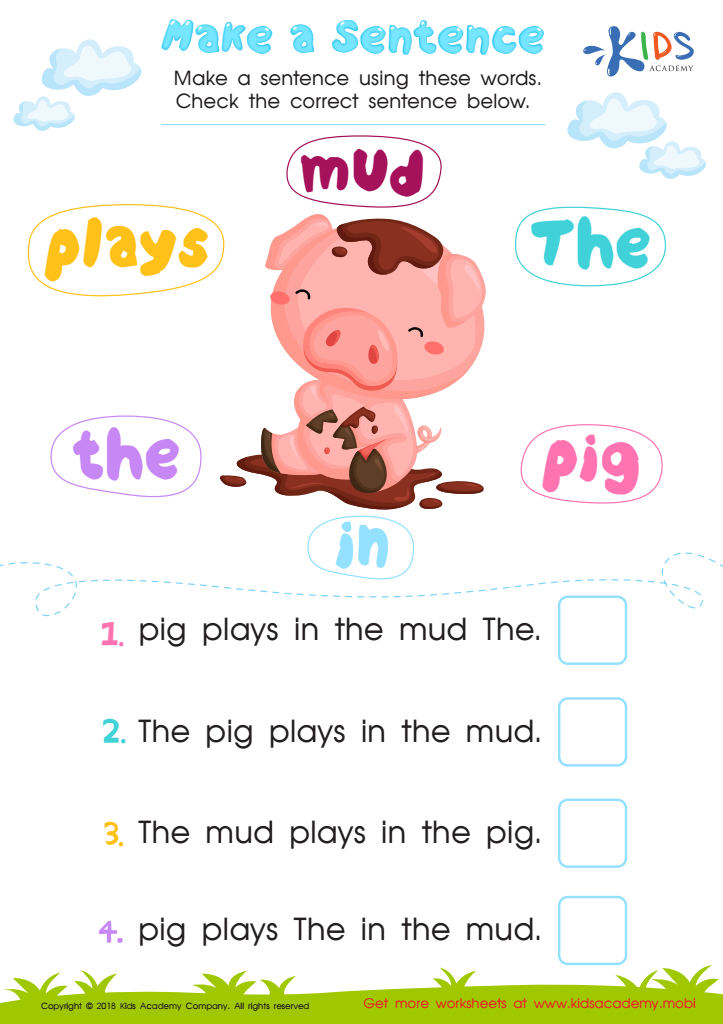
Help your kids identify the animal in the printout. Read the words in the bubbles and then read the four sentences in the options 1 – 4. Ask them to check the box with the correct sentence.
Assessment: Make a Sentence Worksheet
Worksheet
Start the Sentence Worksheet

Start the Sentence Worksheet

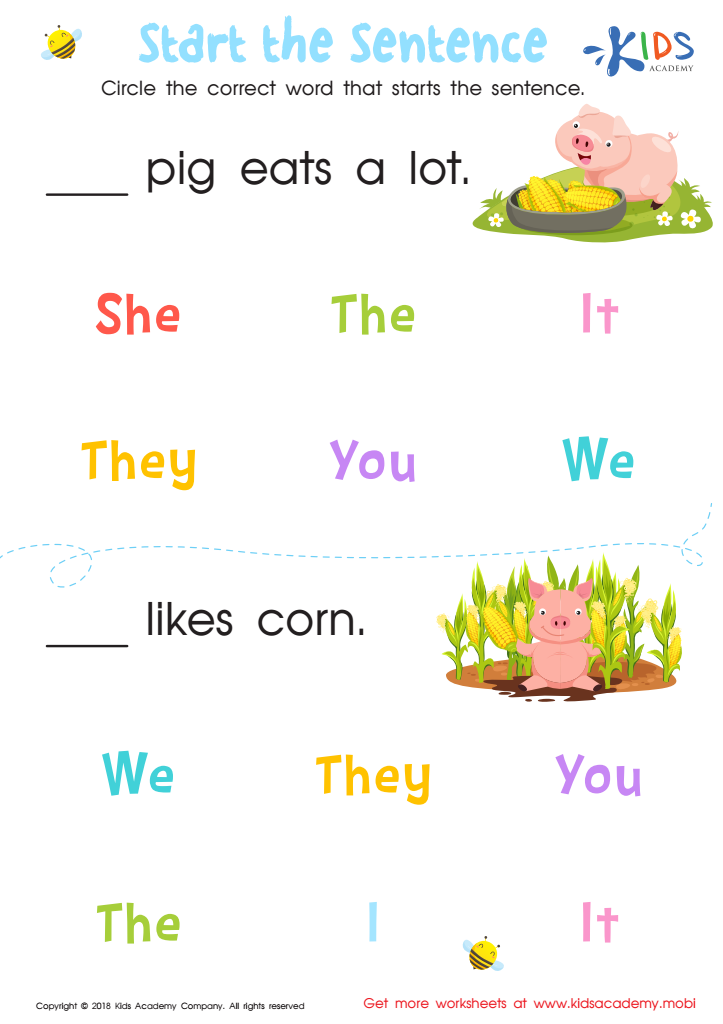
Test your students' understanding of sentences with this easy worksheet. Ask them to read the sentences and circle the correct word that starts each. This will show how well their lessons have paid off and if they can construct short simple sentences.
Start the Sentence Worksheet
Worksheet
Adjectives in Sentences Worksheet

Adjectives in Sentences Worksheet

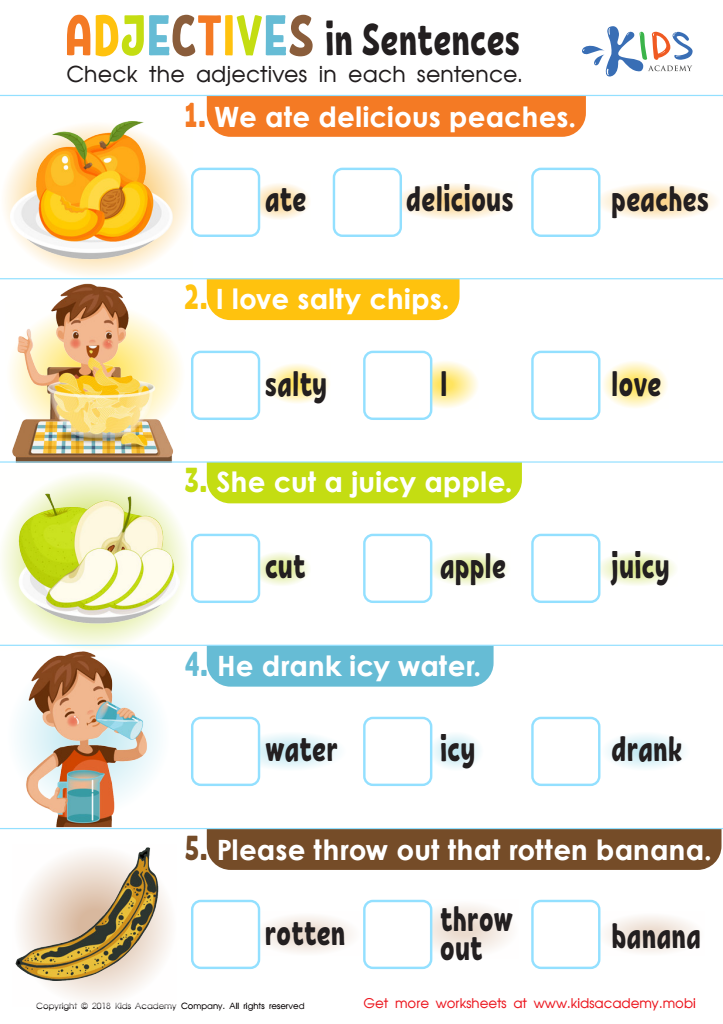
Our learners can find it hard to use writing to add detail, but adjectives can help. With this fun worksheet, kids can identify adjectives that describe food and drink. Guide them through each sentence, discussing the words and having them choose the one that gives information about the food/drink.
Adjectives in Sentences Worksheet

Worksheet
Adding up to 50: Page 39

Adding up to 50: Page 39

Adding up to 50: Page 39
Worksheet


Caring about grammar practice for 7-year-olds is crucial because it lays the foundation for effective communication and literacy skills. At this age, children are in a critical period of language development where they are broadening their vocabulary and starting to understand more complex language rules. By focusing on grammar, parents and teachers help children learn how to construct sentences correctly, which is vital for both spoken and written communication.

Good grammar skills also enhance reading comprehension. When children understand grammatical rules, they can better discern the meaning of texts, making reading a more enjoyable and less frustrating experience. This also aids in critical thinking, as children learn to interpret and analyze what they read more effectively.

Moreover, grammar practice instills confidence. When children know how to express their thoughts clearly and correctly, they are more likely to participate in class discussions and engage in social interactions. They also develop a sense of pride in their ability to communicate, fostering a positive attitude toward learning in general.

Lastly, early grammar practice sets the stage for future academic success. Strong language skills are necessary across all subjects, not just English. By mastering grammar at a young age, children are better prepared for the more advanced academic challenges they will face in later years.