Hand-eye Coordination Worksheets for 7-Year-Olds - Page 3
50 filtered results
-
From - To

Long and Short E Worksheet
 Assign to My Students

Letter D Tracing Page


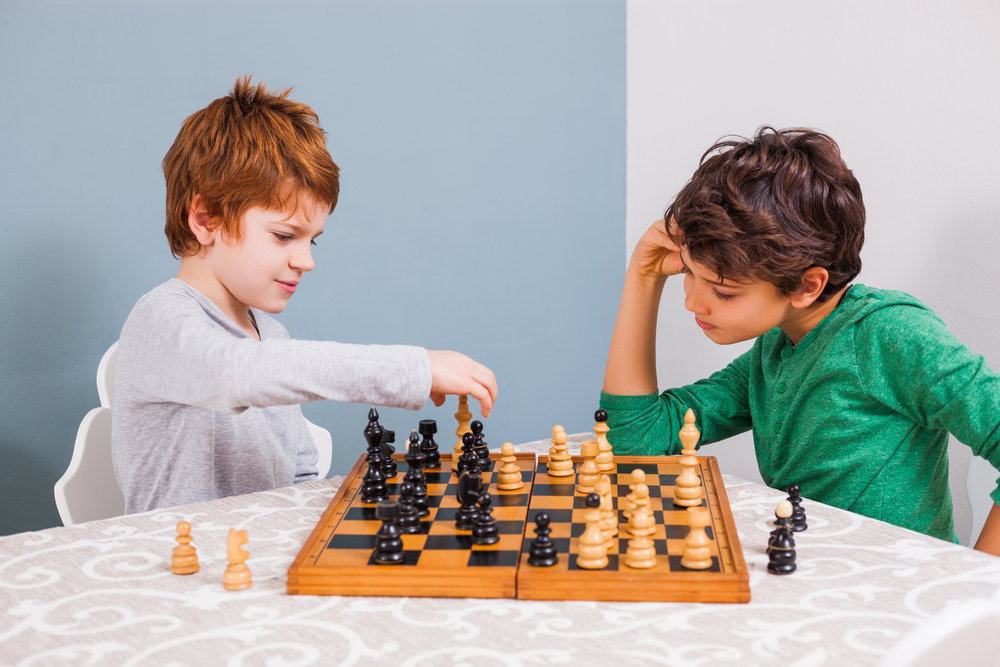
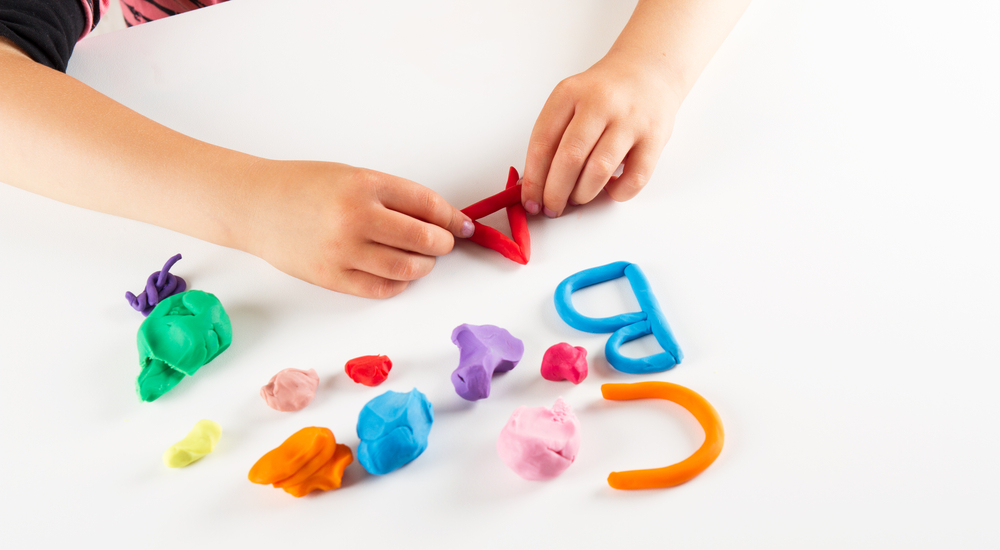

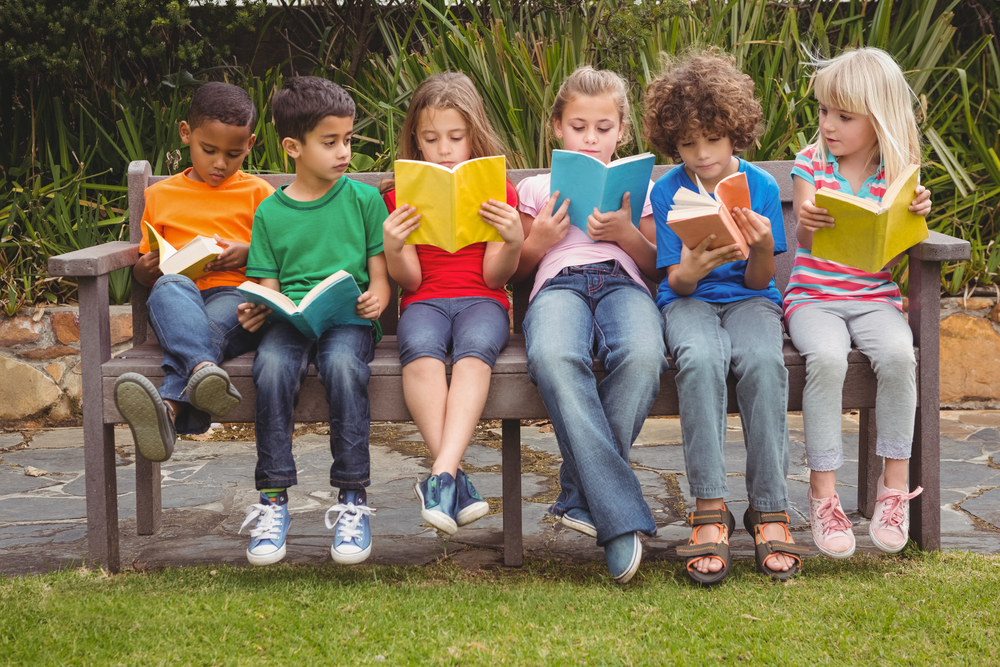
Hand-eye coordination is a crucial skill for 7-year-olds, influencing various aspects of their development. This coordination is the ability to synchronize visual input with physical movement, essential for everyday activities such as writing, drawing, and playing sports. For parents and teachers, understanding its importance can lead to more effective support for children's growth.
Improving hand-eye coordination at this age enhances fine motor skills, which are fundamental for academic tasks like using scissors, coloring, and consistently writing neatly. These skills build confidence in children's abilities and foster a positive attitude towards learning. Moreover, while engaging in physical activities or sports, strong hand-eye coordination boosts children’s overall coordination and motor skills, contributing to their physical health and promoting an active lifestyle.
Additionally, the development of these skills can help in social scenarios, as children with better coordination are often more willing to participate in group activities, leading to improved social interactions and friendships. By prioritizing exercises and activities that promote hand-eye coordination, parents and teachers can play a pivotal role in nurturing a child's confidence, academic success, and social skills, laying a solid foundation for their future learning experiences.








