Identify shapes Worksheets for 7-Year-Olds
12 filtered results
-
From - To
Welcome to our "Identify Shapes Worksheets for 7-Year-Olds" page! Here, young learners will engage with fun, interactive worksheets designed to enhance their shape recognition skills. Our age-appropriate activities not only reinforce the identification of basic shapes like circles, squares, and triangles, but also introduce more complex geometrical concepts. Each worksheet is crafted to promote critical thinking and improve fine motor skills as children trace, color, and label various shapes. Perfect for classroom use or at-home practice, these resources pave the way for exciting learning adventures. Explore our collection and empower your child's mathematical confidence today!
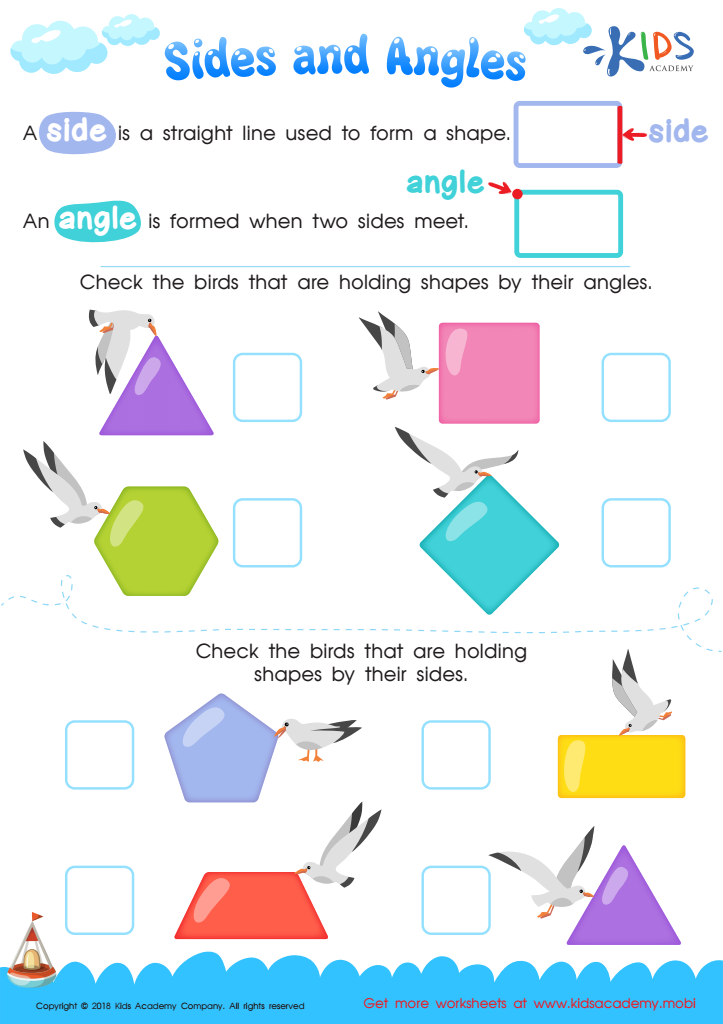
Sides and Angles Worksheet
 Assign to My Students
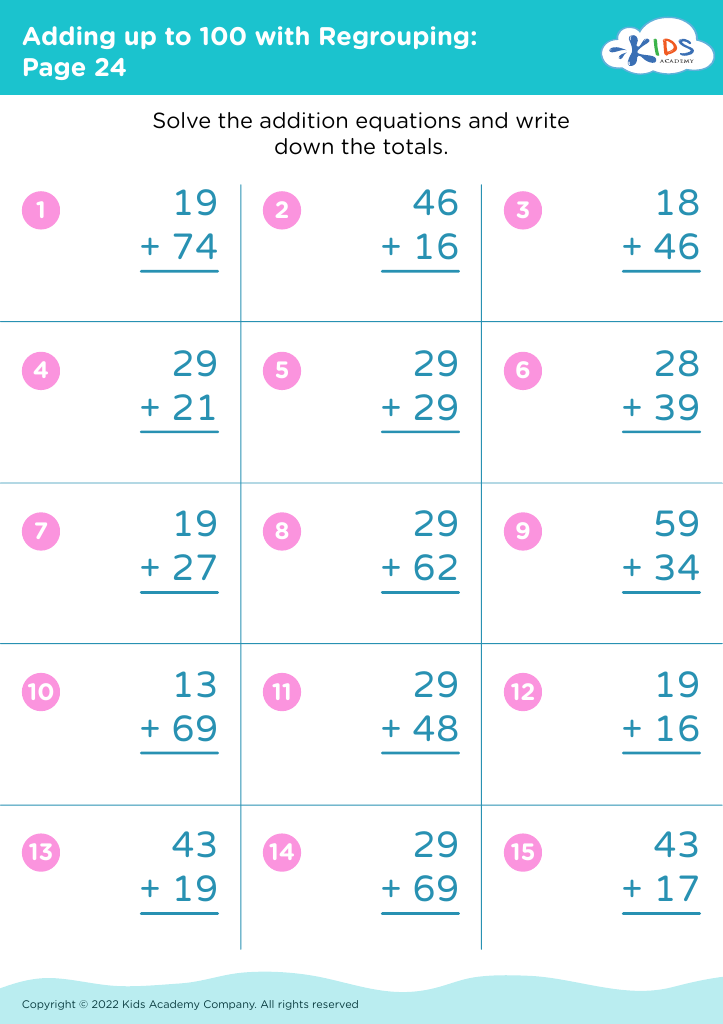
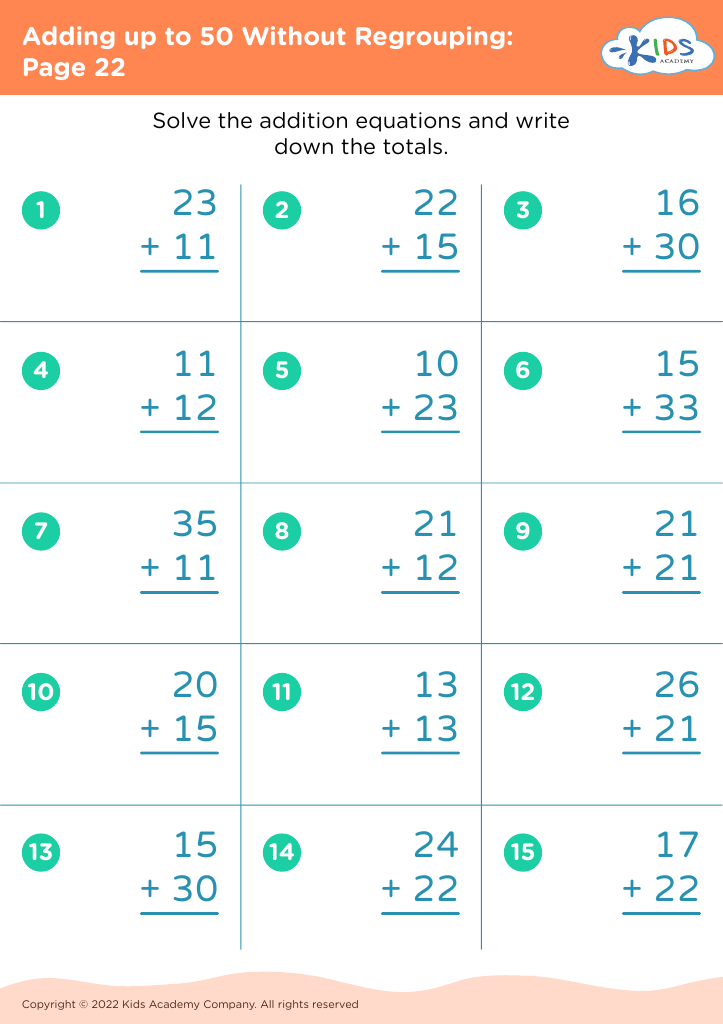
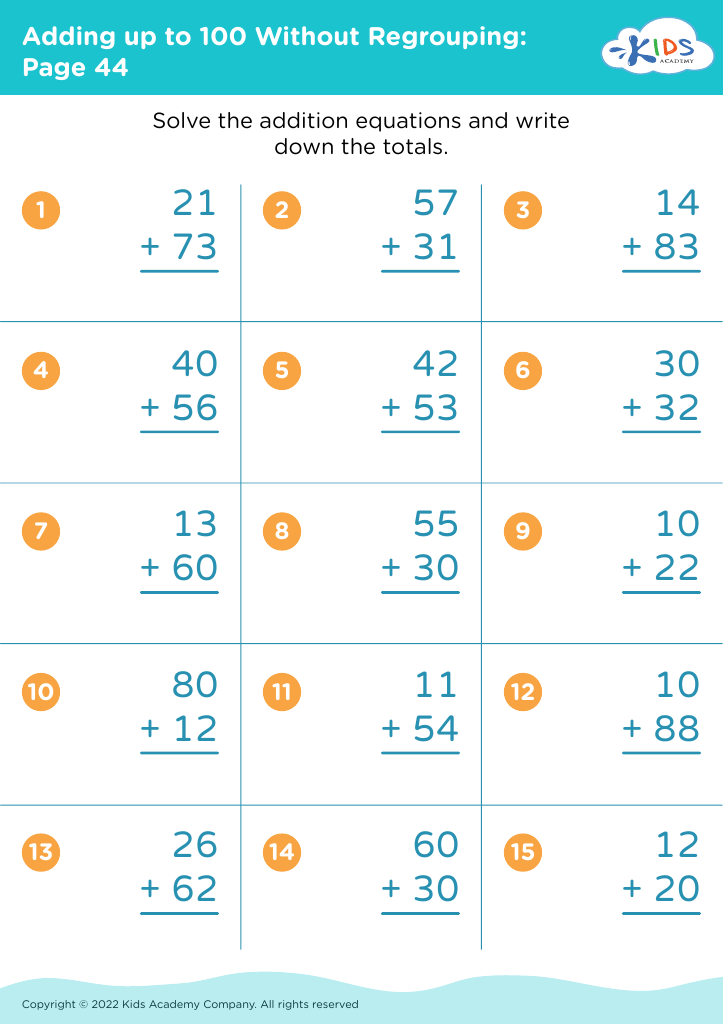








Identifying shapes is a fundamental skill for 7-year-olds that plays a crucial role in their overall cognitive development. At this age, children are naturally curious and expanding their understanding of the world, making it an ideal time for them to learn about shapes. When parents and teachers prioritize shape recognition, they lay the groundwork for more complex mathematical concepts. Understanding shapes helps improve spatial reasoning, which is essential for geometry and problem-solving in later years.
Moreover, learning about shapes fosters critical thinking and creativity. Recognizing shapes in different contexts—such as in nature, art, or everyday objects—can enhance a child’s observational skills and encourage them to think critically about their environment. This skill is invaluable not only in mathematics but in science and technology as well.
Additionally, engaging with shapes through fun activities enhances fine motor skills. Whether cutting out shapes, assembling puzzles, or drawing, hands-on experiences solidify the recognition of shapes in a child’s mind. Lastly, identifying shapes promotes language development, as children learn the vocabulary associated with geometric terms. Therefore, by supporting shape identification, parents and teachers are nurturing mathematical, cognitive, and language skills that are essential for academic success.








