Identifying colors Worksheets for 7-Year-Olds
3 filtered results
-
From - To
Our "Identifying Colors Worksheets for 7-Year-Olds" provide an engaging way for children to practice recognizing and naming colors. These fun worksheets combine vibrant visuals with interactive activities to strengthen color identification skills. Designed specifically for 7-year-olds, they promote cognitive development and visual discrimination. From coloring prompts to sorting tasks, each worksheet ensures your child learns through play. Ideal for both classroom and home use, these resources support early learning skills in a creative, enjoyable manner. Give your child a colorful start to their educational journey with our expertly crafted identifying colors worksheets!
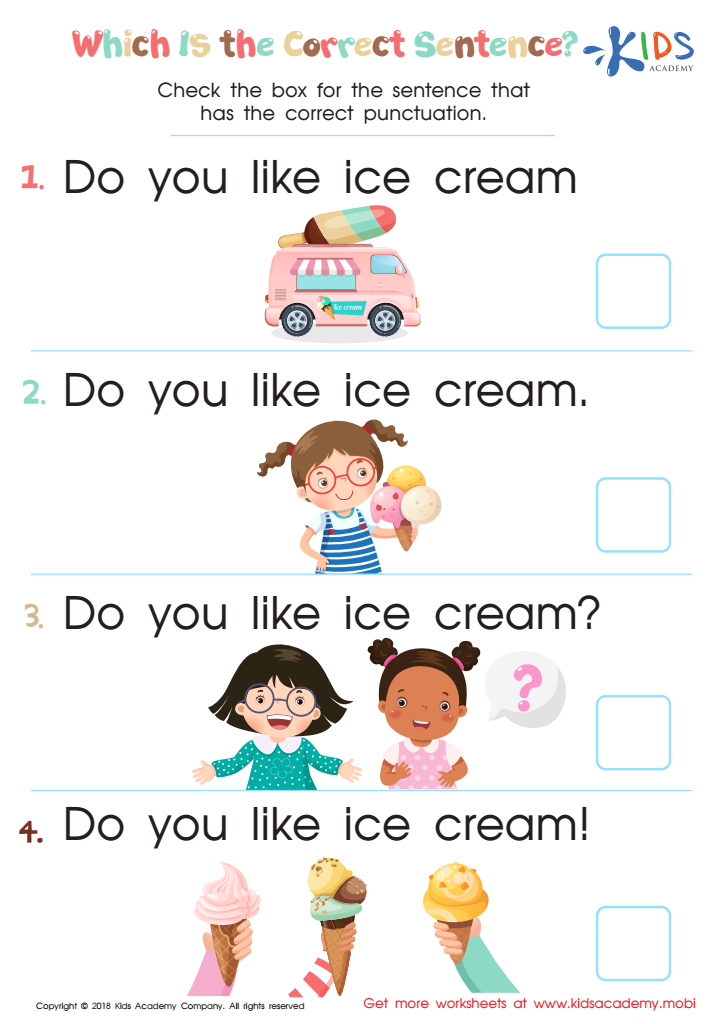
Which is the Correct Sentence? Worksheet
 Assign to My Students
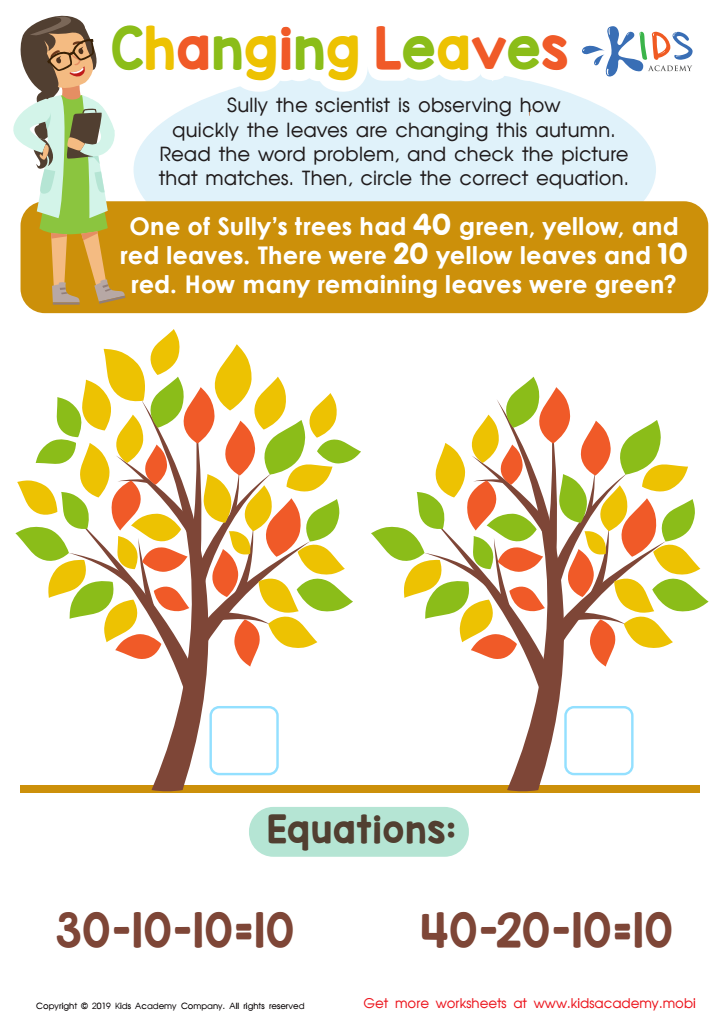
Changing Leaves Worksheet
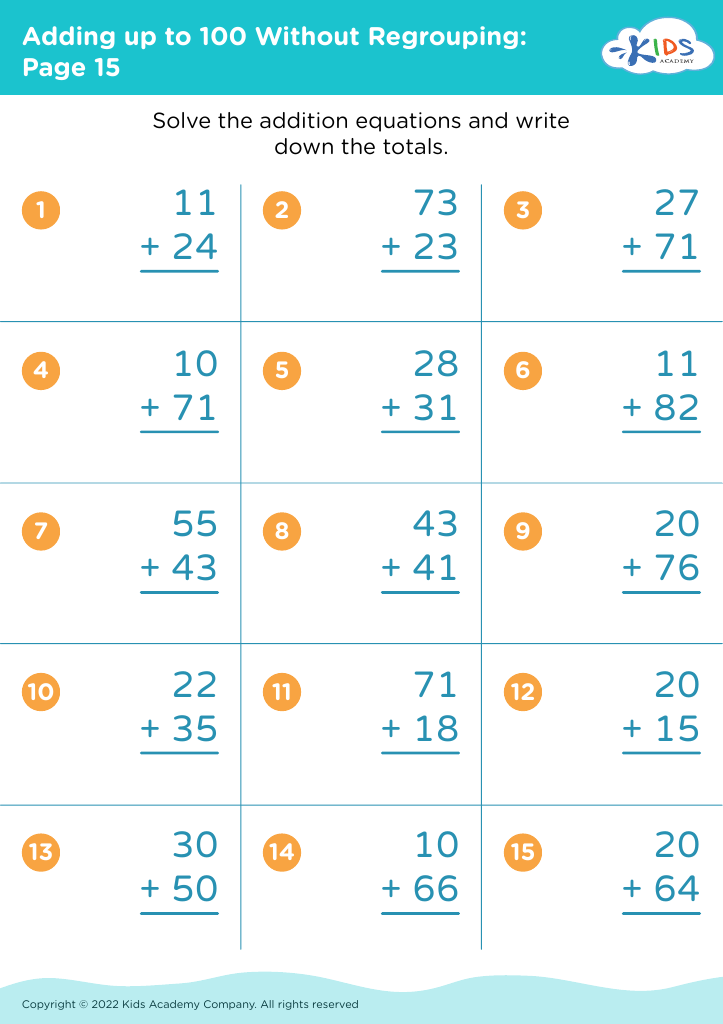



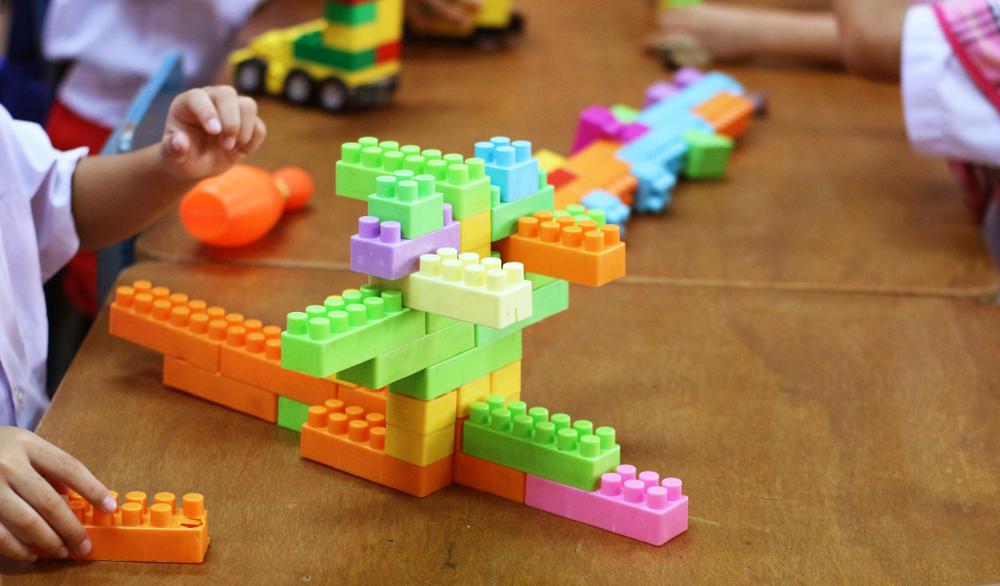

Identifying colors is a critical foundational skill for 7-year-olds, playing an essential role in their cognitive development and daily life functioning. For both parents and teachers, emphasizing color recognition is crucial because it lays the groundwork for more complex learning, including reading, math, and science. For instance, distinguishing colors can aid in recognizing and categorizing objects, leading to better memory retention and sorting skills. These skills are directly linked to early literacy development, where colors can help young learners understand and visualize concepts in stories and word problems.
Moreover, understanding colors supports emotional and social development. As children use colors to express their feelings and preferences, it contributes to their ability to communicate effectively. Art and creative activities involving colors can also enhance fine motor skills and creativity, aiding overall brain development. Furthermore, knowing colors is important for safety – recognizing traffic lights and caution signs can teach kids about danger and safety protocols.
Incorporating color identification into daily routines helps children observe and interact with their environment more meaningfully. This awareness not only boosts their confidence but also fosters independence in making choices, whether picking out clothes or choosing food. Therefore, ensuring that 7-year-olds master color identification is imperative for their holistic growth and development.








