
Improve handwriting Worksheets for 7-Year-Olds
3 filtered results
Difficulty Level
Grade
Age
-
From - To
Subject
Activity
Standards
At Kids Academy, our "Improve Handwriting Worksheets for 7-Year-Olds" are expertly designed to enhance your child's writing skills. These engaging and fun worksheets focus on proper letter formation, spacing, and consistency, making writing practice enjoyable. Each worksheet provides targeted exercises to boost fine motor skills and build confidence in young writers. Perfect for home or classroom use, they offer a structured approach to developing beautiful, legible handwriting. Start your child's journey to excellent penmanship today with Kids Academy's top-quality handwriting worksheets tailored to meet the unique needs of 7-year-olds.
Favorites
With answer key
Interactive
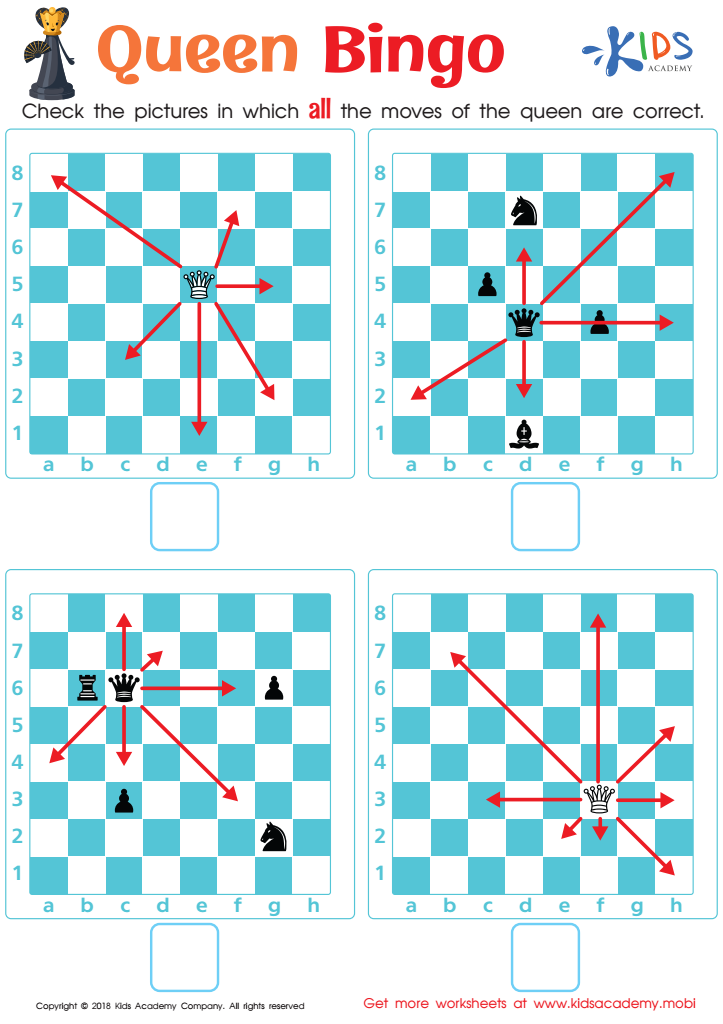
Queen Bingo Worksheet
Test your child's knowledge of chess rules and moves with this free worksheet! Kids look at four pictures and must decide if the queen moves are correct. This exercise helps hone your little one's chess skills!
Queen Bingo Worksheet
Worksheet
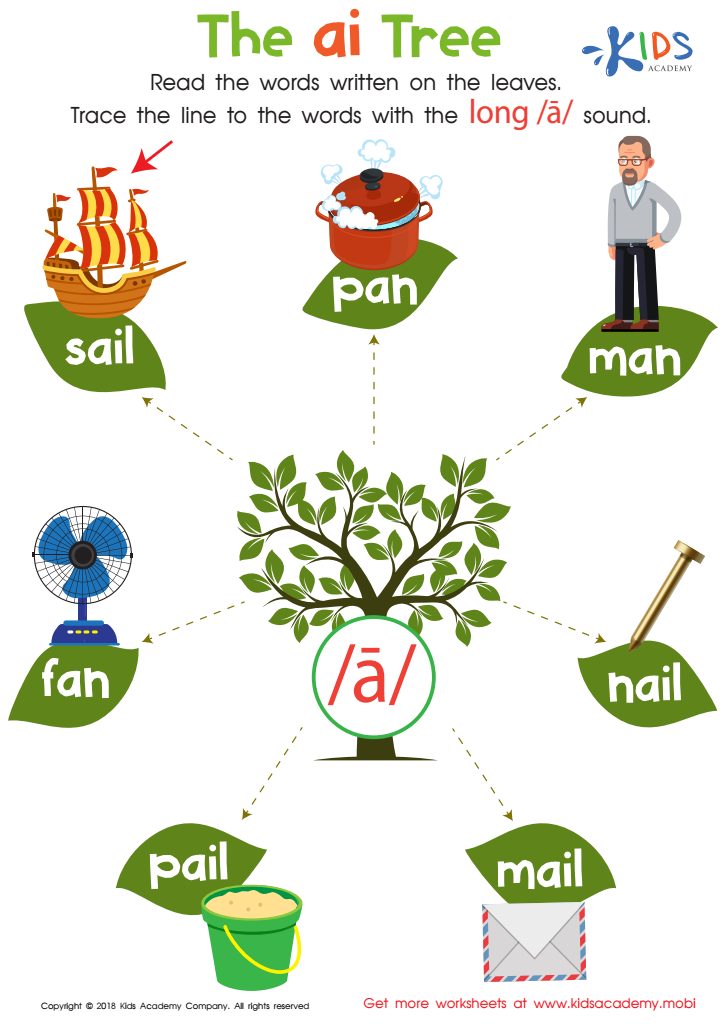
The AI Tree Worksheet
Help your kids learn to read better with this worksheet! Introduce the vowel pair 'ai' and give them familiar examples. Ask them to give you some in return. Then, have them read the words on the leaves and help them trace the ones with the long /a/ sound.
 Assign to My Students
The AI Tree Worksheet
Worksheet
Join Kids Academy for Free
Who is primarily going to use this learning content?







Parents and teachers should value improving handwriting for 7-year-olds because it fosters foundational skills critical for academic and personal development. Good handwriting is vital for clear communication; auto-bots and peers need to read students' work to understand their ideas. When children struggle with handwriting, their learning can be impeded, causing frustration and decreased self-confidence.
Fine motor skills, which are essential for detailed tasks, are honed through practice. These skills lay the groundwork for other academic areas, including drawing and performing complex scientific experiments later on. Furthermore, learning cursive writing adds another layer of benefit, enhancing cognitive functions such as memory and concentration.
Proper handwriting also instills a sense of pride and ownership in one's work. With more legible handwriting, children tend to feel more confident in their abilities, directly contributing to a positive attitude toward learning. Good handwriting can, therefore, translate into improved academic performance.
For teachers, legible student handwriting simplifies the assessment process, ensuring accurate grading and feedback. It also helps in spotting learning challenges that could be missed otherwise.
Overall, emphasizing the importance of handwriting in early education sets the stage for more effective and enjoyable learning experiences.








