
Improve reading comprehension Worksheets for 7-Year-Olds
17 filtered results
Difficulty Level
Grade
Age
-
From - To
Subject
Activity
Standards
Boost your 7-year-old's reading skills with our expertly designed Improve Reading Comprehension Worksheets. These engaging activities are crafted to enhance understanding, vocabulary, and critical thinking, making reading a fun and rewarding experience. Perfect for early readers, our worksheets include diverse genres and thought-provoking questions to develop your child's ability to infer, summarize, and interpret texts. Whether for use at home or in the classroom, these resources support academic growth and instill a lifelong love for reading. Visit now to explore our comprehensive collection and turn reading into an adventure for your young learner!
Favorites
With answer key
Interactive
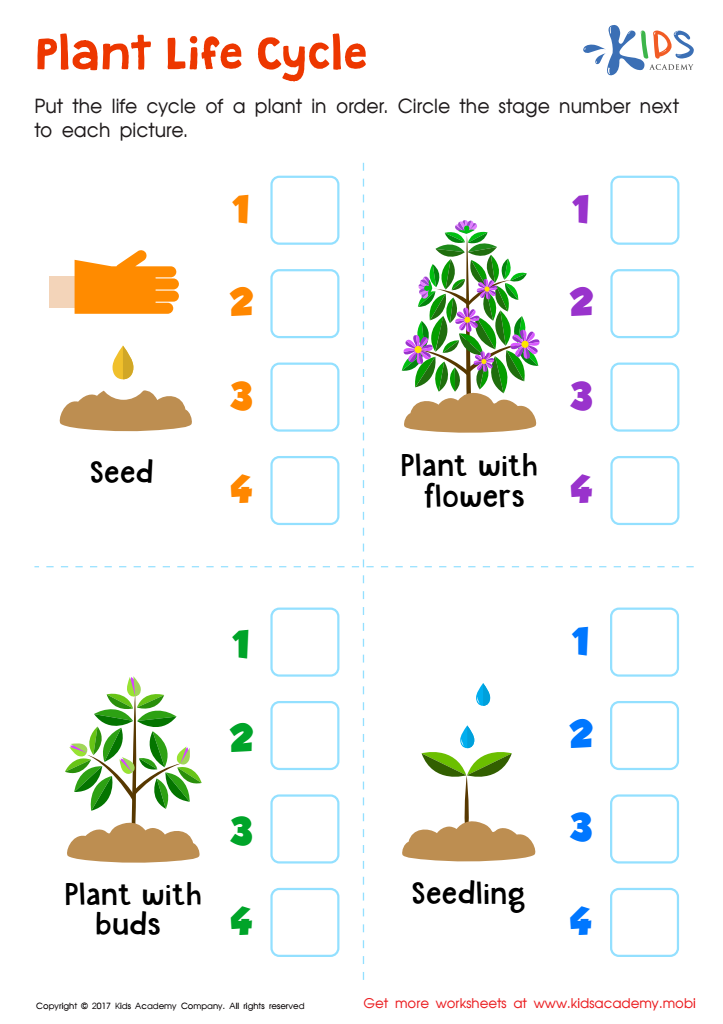
Plant Life Cycle Printable
Let kids explore plants' growth stages with this fun plant life cycle worksheet! They'll strengthen their sequencing skills by ordering the cycle from seed to flower. Make the learning experience even more memorable by growing a flower afterward.
 Assign to My Students
Plant Life Cycle Printable
Worksheet
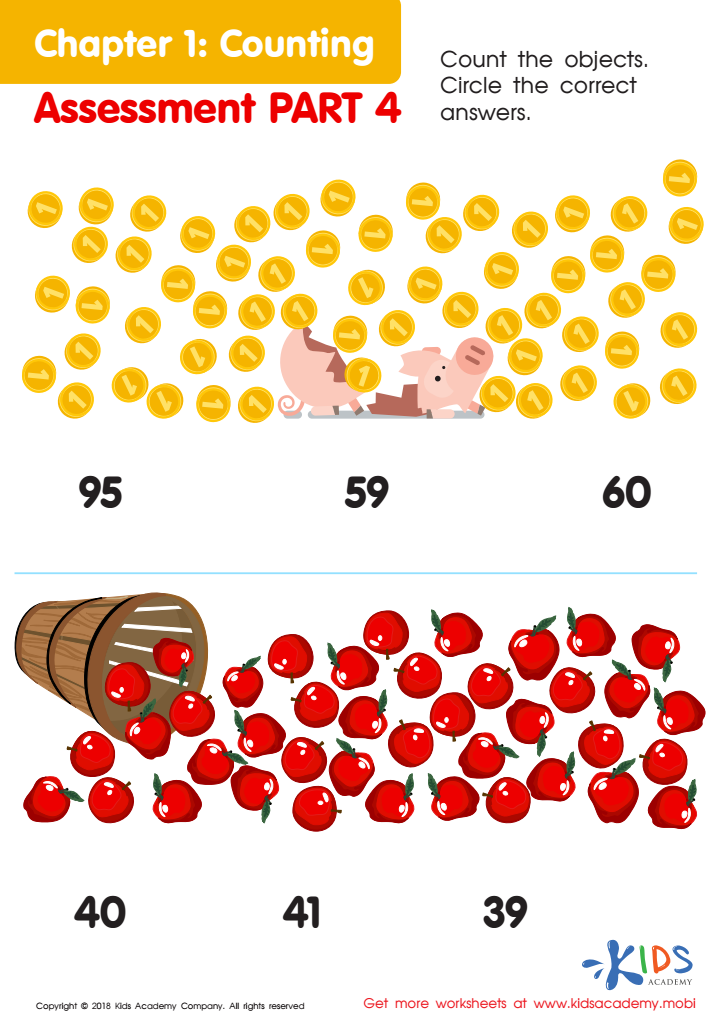
Counting: Assessment 4 Worksheet
Encourage your students to count objects in this colorful worksheet. Ask them to circle the correct answers from the options given. See how much their counting skills have improved with your guidance. Have fun!
Counting: Assessment 4 Worksheet
Worksheet
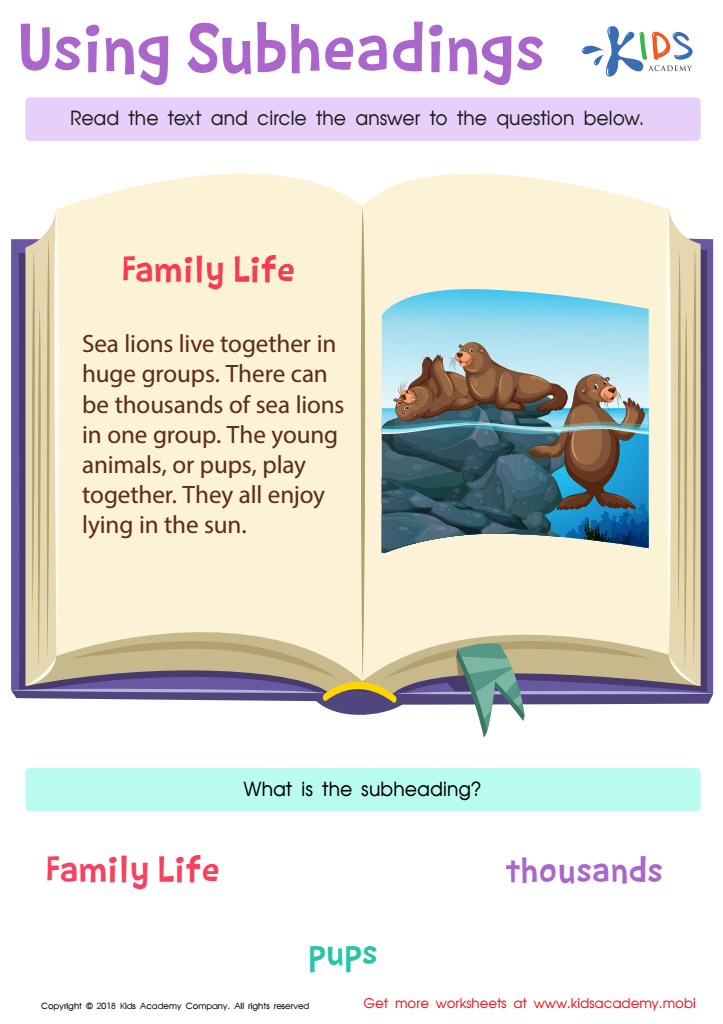
Using Subheadings Worksheet
Writers must follow many rules to make their work organized and easier to read. Subheadings are usually in bold font and centered at the top of the page. Read the text to your kids and have them circle the correct answer.
Using Subheadings Worksheet
Worksheet
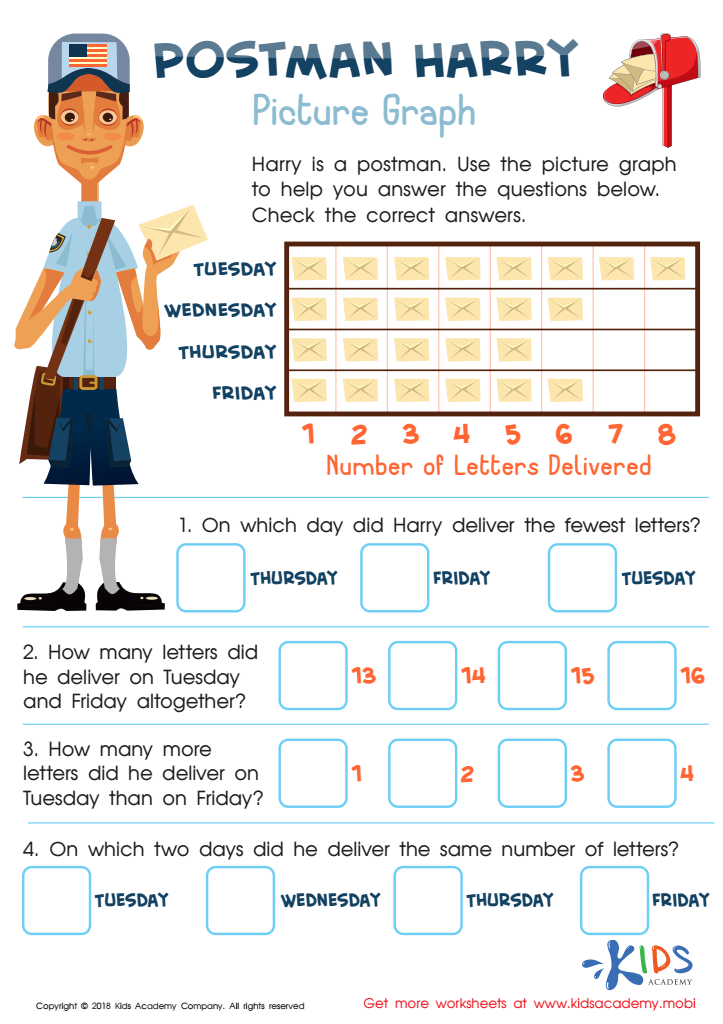
Postman Harry: Picture Graph Worksheet
Show your kids a picture of Harry the Postman and ask if they can identify his profession. Then, with this simple picture graph worksheet, help Harry out by having your kids answer the questions below the picture graph. It shows the number of letters he delivered, and on what day. Get your kids to use the picture graph to solve it.
Postman Harry: Picture Graph Worksheet
Worksheet
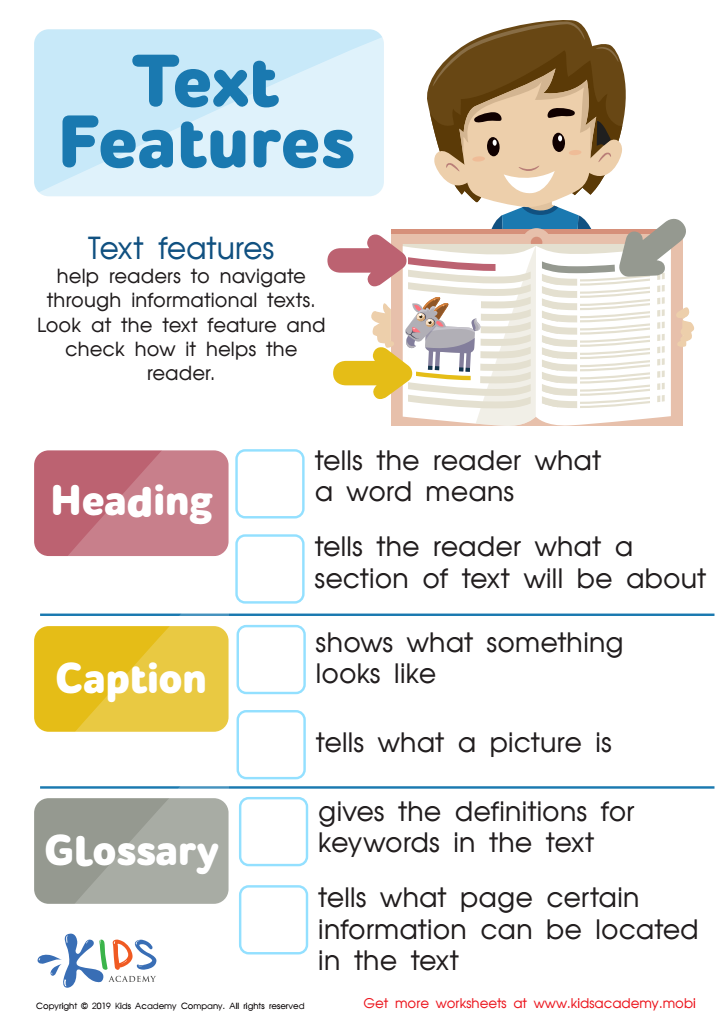
Text Features Worksheet
Help your kids get better at processing and analyzing texts by getting them to practice. Our worksheet with text features will help them find their way. This will help them understand how the features assist in finding information. Encourage practice, and they'll be able to improve quickly.
Text Features Worksheet
Worksheet
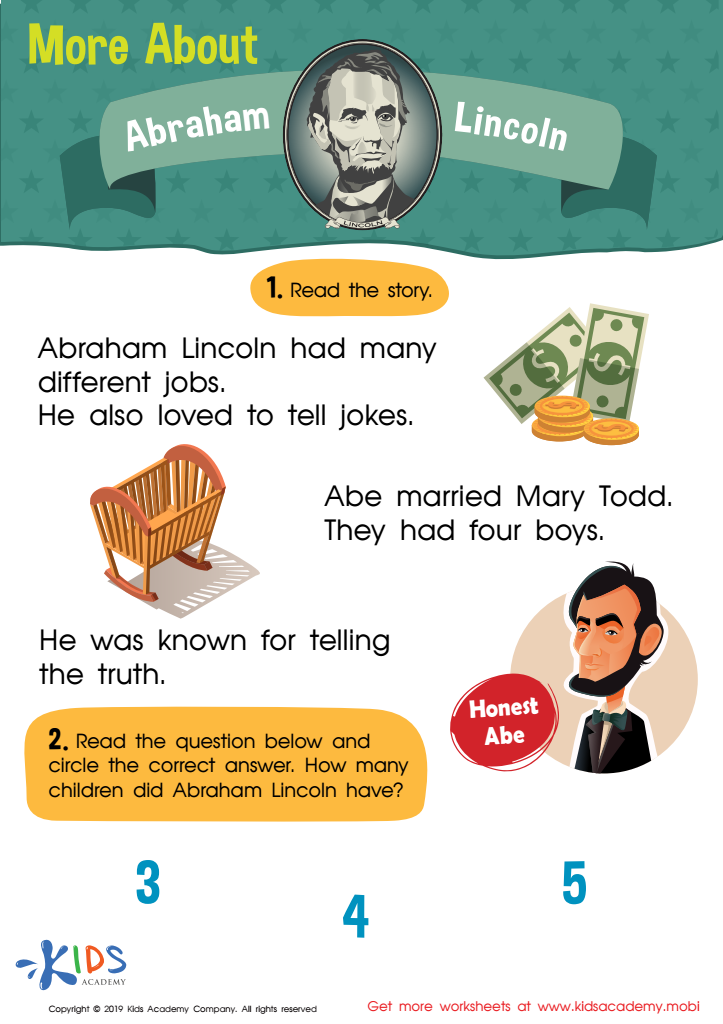
More About Abraham Lincoln Worksheet
Read the short story in the worksheet with your kids. Show them the pictures representing the sentences, then ask the questions and help them circle the correct answer. Make sure they are actually paying attention and learning from the stories.
More About Abraham Lincoln Worksheet
Worksheet
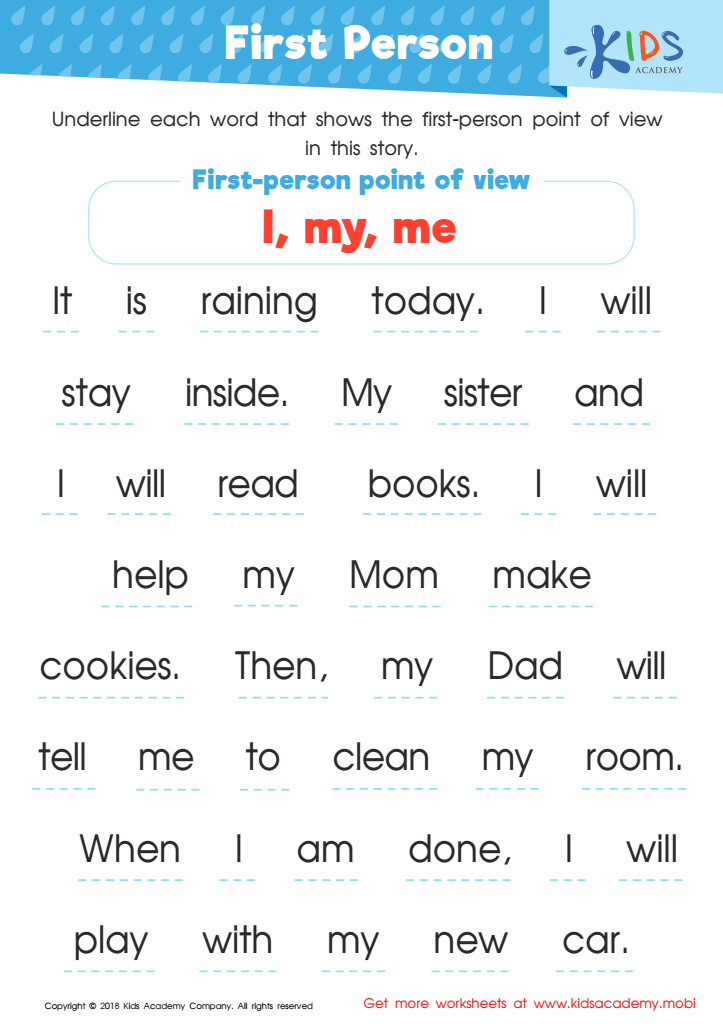
First Person Worksheet
Teachers help students understand and recognize why authors choose different points of view. This worksheet focuses on first person point of view and its pronouns (I, me and my). Students will read a story, then circle each first-person pronoun. Through this activity, they'll practice identifying the POV in a text.
First Person Worksheet
Worksheet
Join Kids Academy for Free
Who is primarily going to use this learning content?






Parents and teachers should prioritize improving reading comprehension for 7-year-olds because it lays a crucial foundation for their future learning and academic success. At this age, children transition from ‘learning to read’ to ‘reading to learn.’ Strong reading comprehension skills enable children to understand the material they read, which facilitates learning across all subjects, including math, science, and social studies. Furthermore, enhanced reading comprehension boosts cognitive development by improving vocabulary, critical thinking, and problem-solving skills.
Engaging with texts meaningfully also nurtures a lifelong love of reading—a fundamental trait for lifelong learning and curiosity. Improved reading comprehension helps children perform better on standardized tests and classroom assessments, ensuring they meet academic milestones and stay motivated. Reading comprehension fosters emotional and social growth by enabling kids to empathize with characters and understand different perspectives, thus developing their emotional intelligence and social skills.
Inadequate reading comprehension can lead to struggles in a child's academic journey, impacting confidence and leading to frustration or disengagement from school. Therefore, investing time and resources in developing these skills during early childhood sets the groundwork for a positive, successful, and fulfilling educational experience.








