Improving observational skills Worksheets for 7-Year-Olds
3 filtered results
-
From - To
Enhance your child's observational skills with our engaging worksheets designed specifically for 7-year-olds! Our resources encourage critical thinking and attention to detail through fun activities that prompt exploration and observation. With colorful visuals and interactive tasks, children will learn to identify differences, recognize patterns, and make connections between objects and ideas. These worksheets promote cognitive development while keeping learning enjoyable. Perfect for home or classroom use, our printable materials can easily be integrated into daily routines or lessons. Support your child's growth in observation and critical thinking—download our worksheets today and watch their skills flourish!
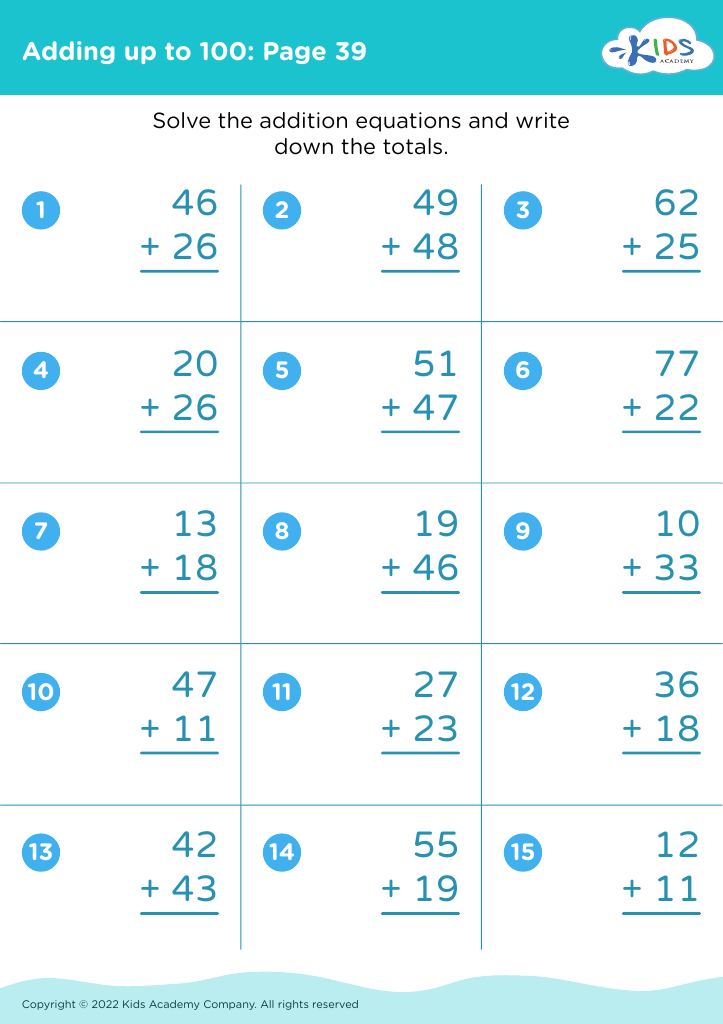
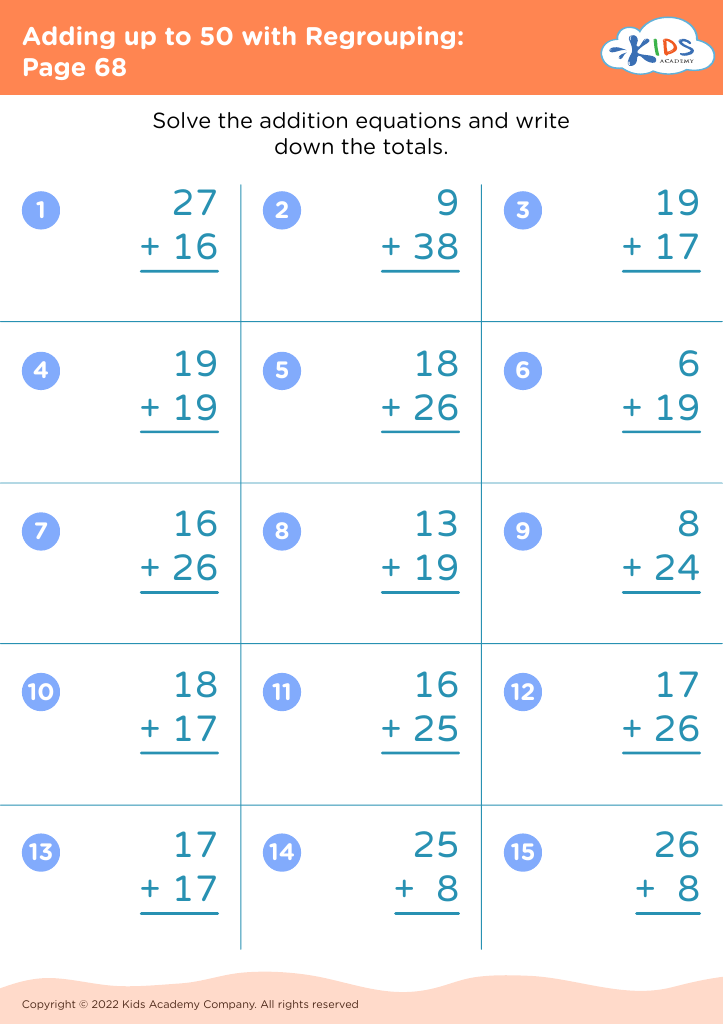
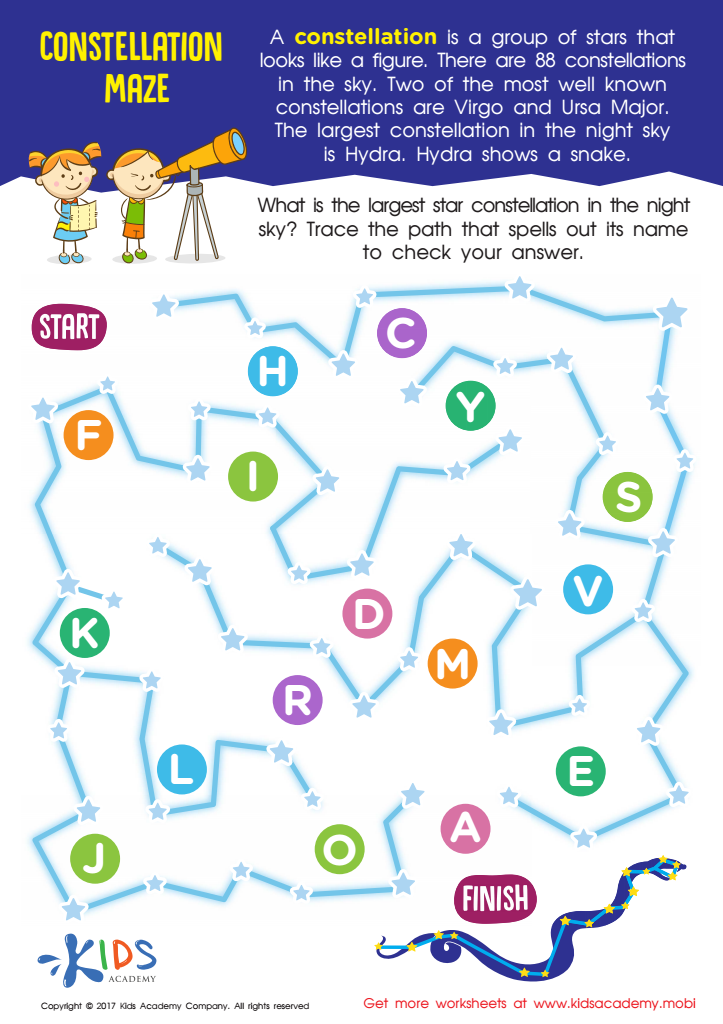
Constellations Worksheet
 Assign to My Students





.jpg)
Improving observational skills in 7-year-olds is crucial for their overall cognitive development and learning experience. At this age, children are naturally curious and tend to explore their environment. By honing their ability to observe details, categorize information, and make connections, they enhance their critical thinking skills. Strong observational skills contribute to better comprehension in subjects such as science, literacy, and social studies, as children become more adept at noticing patterns, changes, and relationships in their surroundings.
Furthermore, developing these skills fosters creativity and problem-solving abilities. When children learn to observe the world more intensely, they become more imaginative and innovative, which is essential for task completion and diverse personal pursuits.
For teachers, incorporating observational activities in the classroom leads to enhanced engagement, as students become active participants in the learning process. For parents, encouraging observational play at home supports their children's learning through practical experiences, such as nature walks or household tasks.
Ultimately, improving observational skills not only enhances academic performance but also nurtures well-rounded development, enabling children to navigate their environments more effectively and build a solid foundation for lifelong learning.








