Number ordering Worksheets for 7-Year-Olds
3 filtered results
-
From - To
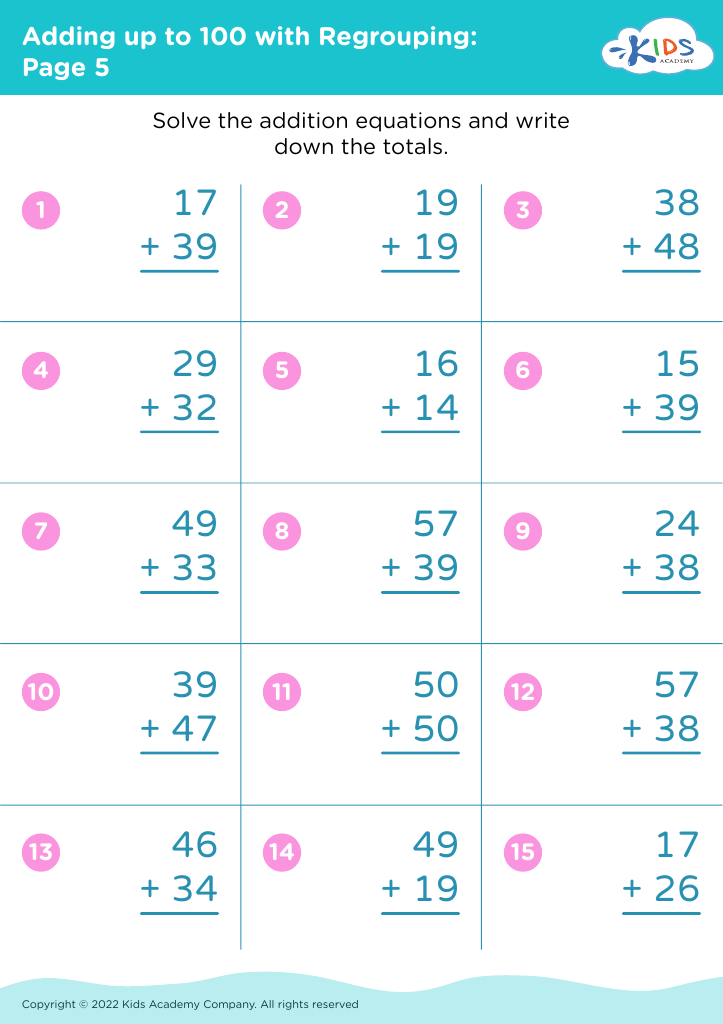
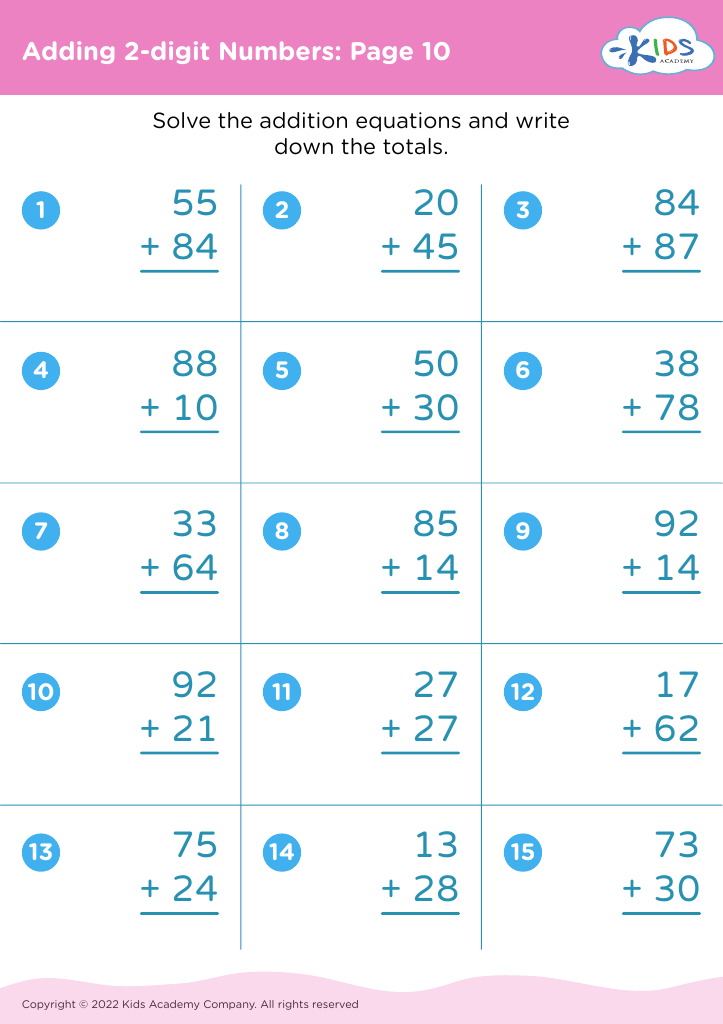
Introducing our engaging Number Ordering Worksheets for 7-Year-Olds at Kids Academy! Carefully designed to enhance your child's numerical skills, these worksheets help students master the concepts of sequencing and comparing numbers. Each activity is crafted to be fun and educational, fostering confidence in number order and mathematical reasoning. Tailored for young learners, our worksheets are a perfect fit for classroom settings or at-home practice. Support your child's learning journey with our vibrant and interactive resources, ensuring they build a strong foundation in mathematics from an early age. Visit Kids Academy to explore more!
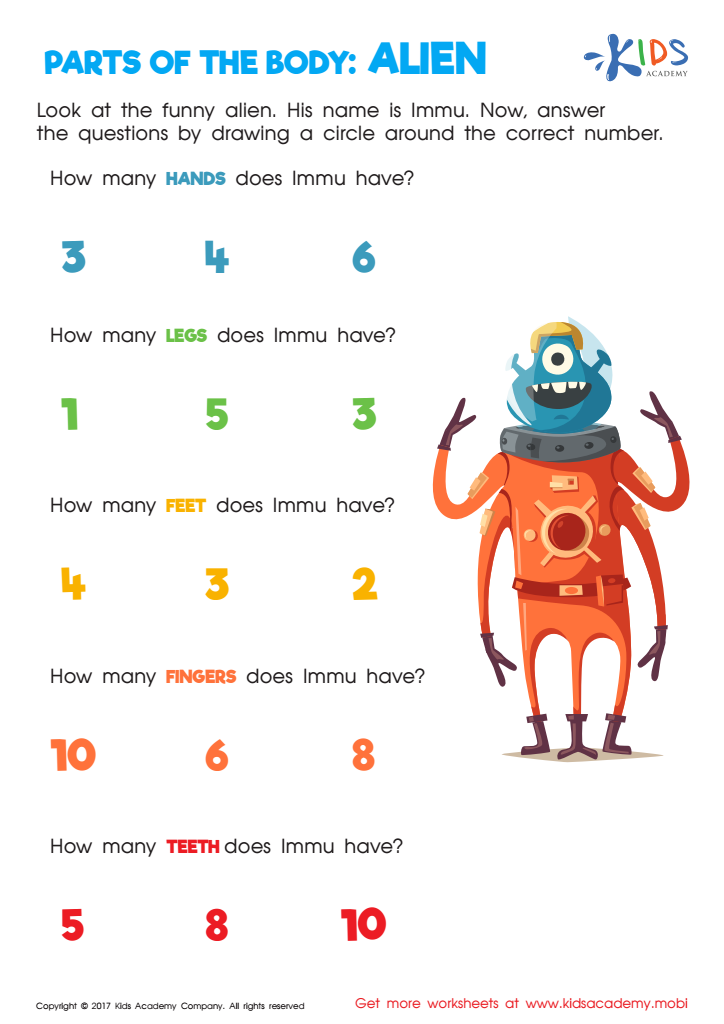
Alien Worksheet
 Assign to My Students






.jpg)
Number ordering is crucial for 7-year-olds because it lays the foundation for a range of essential mathematical skills. When children learn to order numbers, they start to comprehend the relationships between them, which is a key aspect of understanding basic arithmetic like addition and subtraction. Recognizing number sequences helps children develop a sense of numerical order, which is fundamental for grasping more complex mathematical concepts such as place value, multiplication, and division in later years.
Understanding number order also enhances problem-solving skills. For instance, if a child knows that 8 comes before 9, they can more intuitively sense that 8 + 1 equals 9. This helps in improving their arithmetic fluency and ability to tackle math problems more efficiently. Additionally, the skill is crucial for comparing quantities, measuring lengths, and developing a sense of time.
Moreover, mastering number order fosters confidence in math. When kids feel competent in basic tasks, they are likely to approach more challenging concepts with a positive and determined mindset. Both parents and teachers should integrate number ordering into daily activities, using fun, engaging methods such as games, puzzles, and practical life scenarios to strengthen this skill. In doing so, they will help build a strong mathematical foundation that will support the child's academic journey.








