Check out this FREE "Recognizing shapes" Trial Lesson for age 7!

Cut Rectangles: Thirds and Fourths

Favorites
With answer key
Interactive
  • 7
  • Recognizing shapes
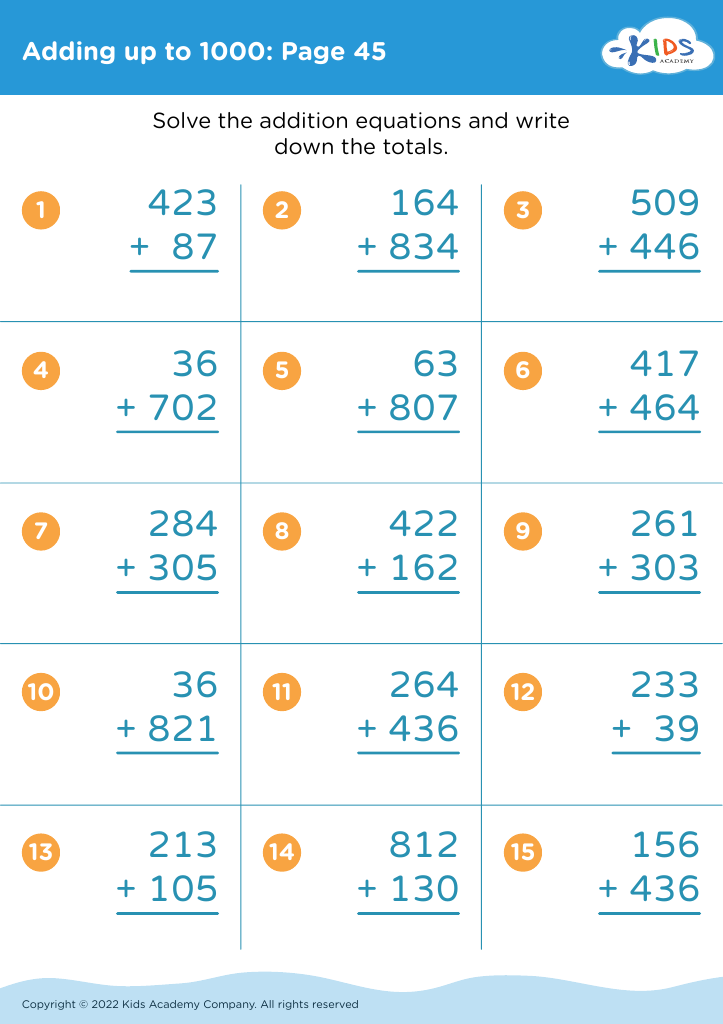
Adding up to 1000: Page 45

Adding up to 1000: Page 45

Adding up to 1000: Page 45
Worksheet
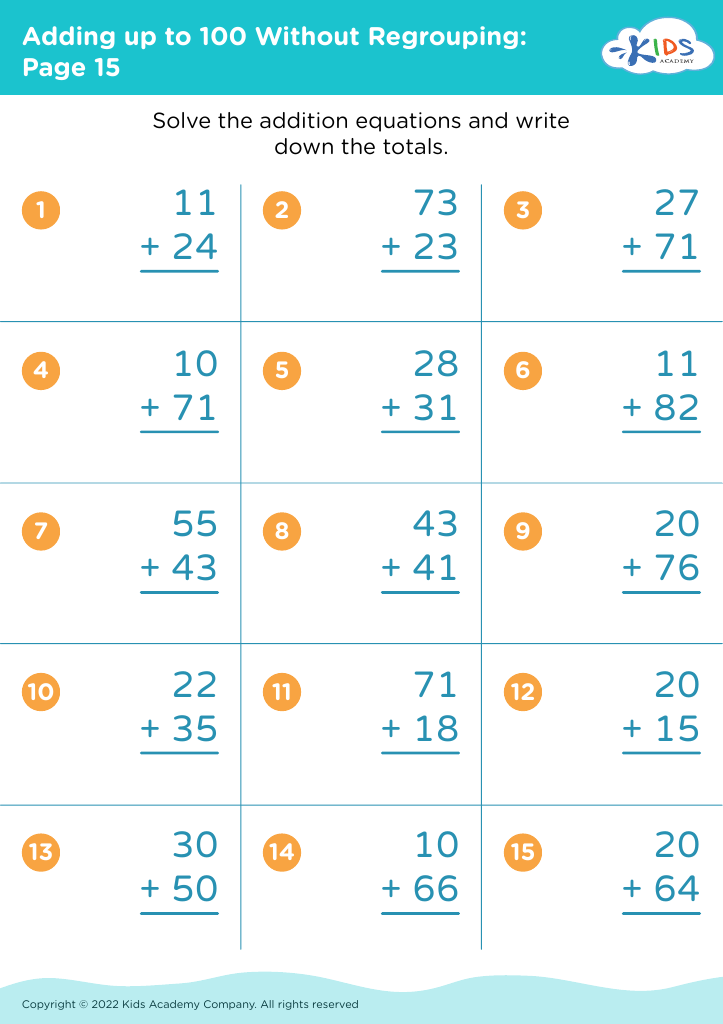
Adding up to 100 Without Regrouping: Page 15
Worksheet
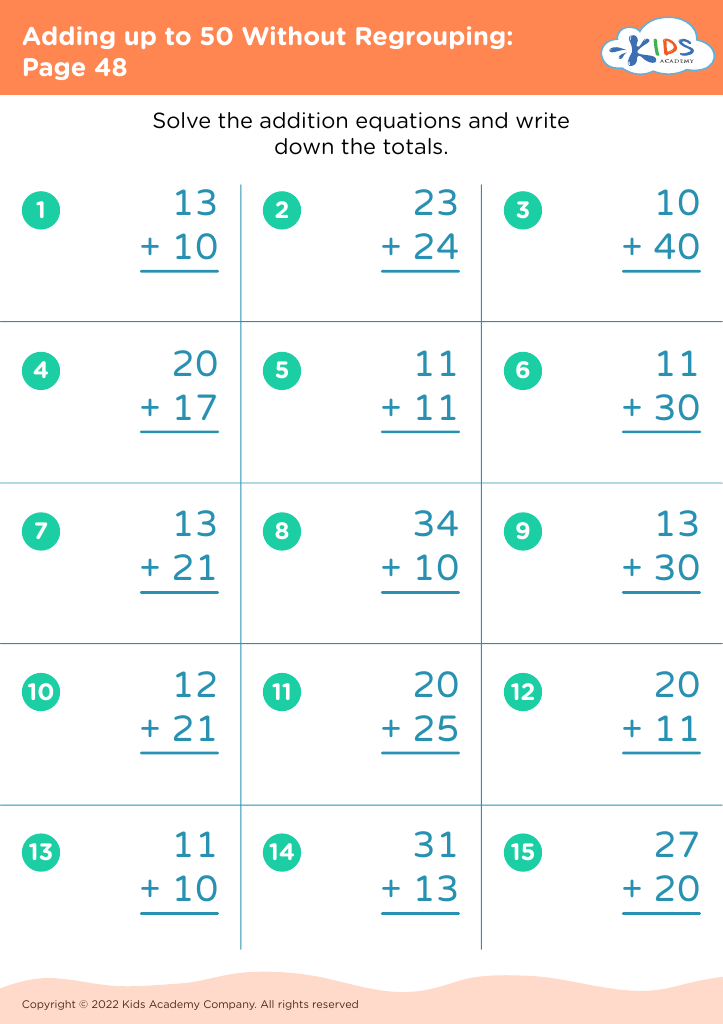
Adding up to 50 Without Regrouping: Page 48
Worksheet
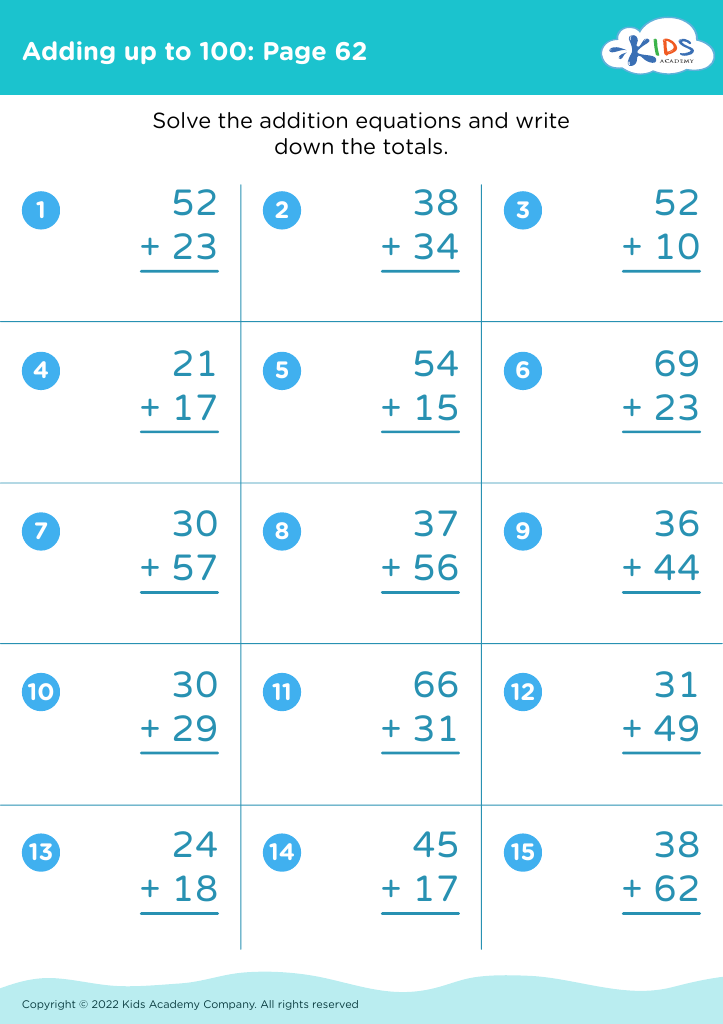
Adding up to 100: Page 62

Adding up to 100: Page 62

Adding up to 100: Page 62
Worksheet
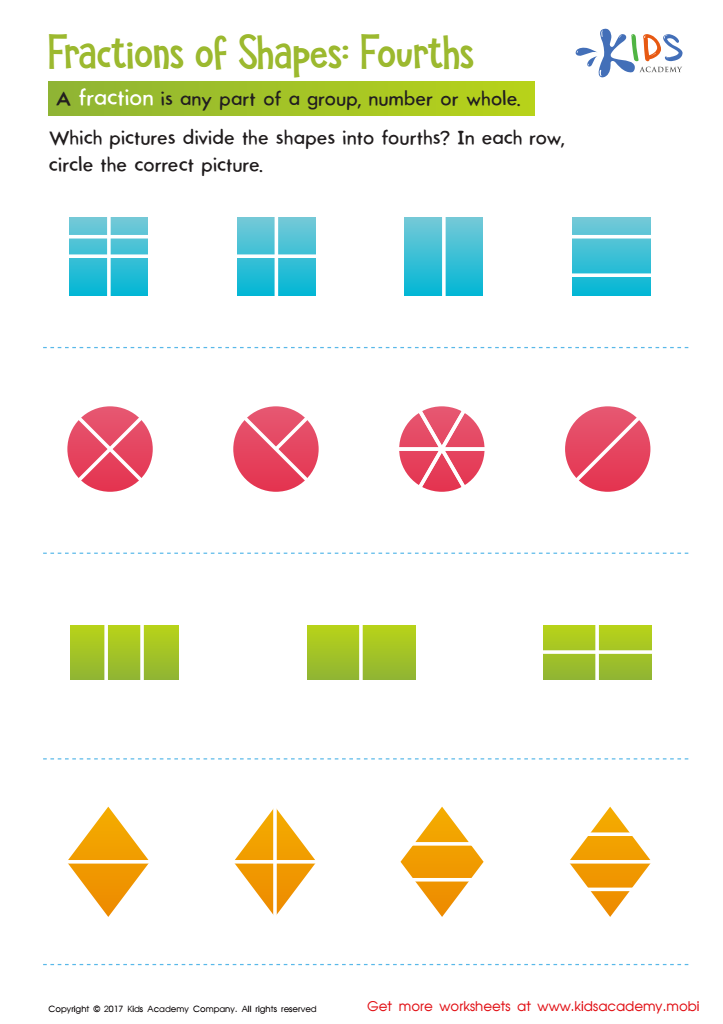
Fractions of Shapes Printable Worksheet

Fractions of Shapes Worksheet

It will also show them how fractions are represented in everyday shapes.
Fractions of Shapes Worksheet
Worksheet
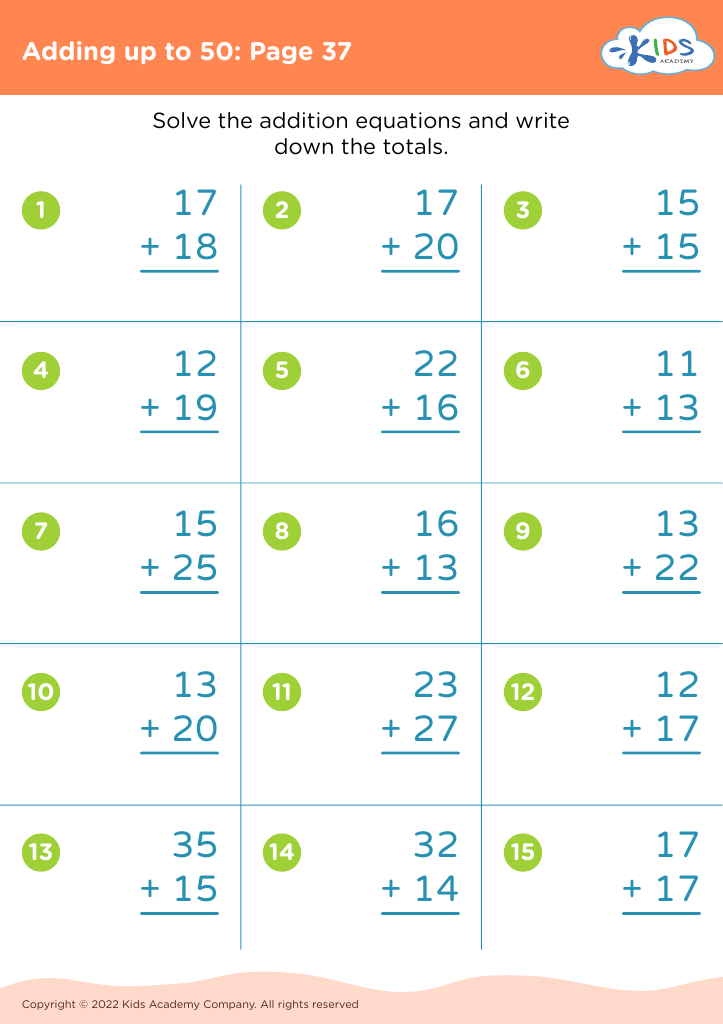
Adding up to 50: Page 37

Adding up to 50: Page 37

Adding up to 50: Page 37
Worksheet
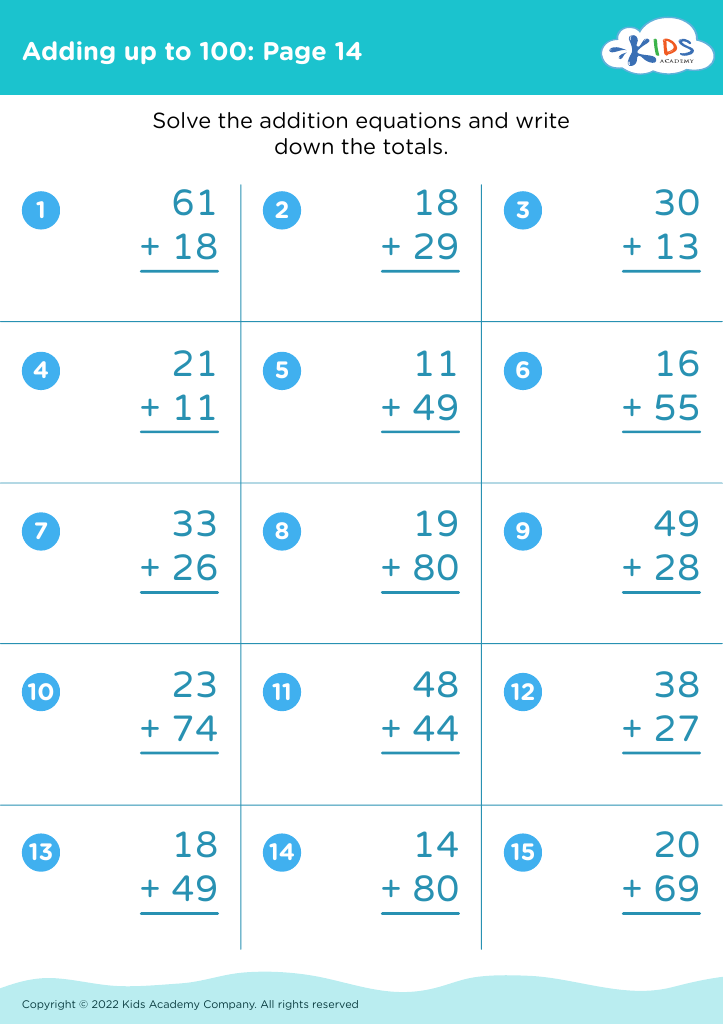
Adding up to 100: Page 14

Adding up to 100: Page 14

Adding up to 100: Page 14
Worksheet
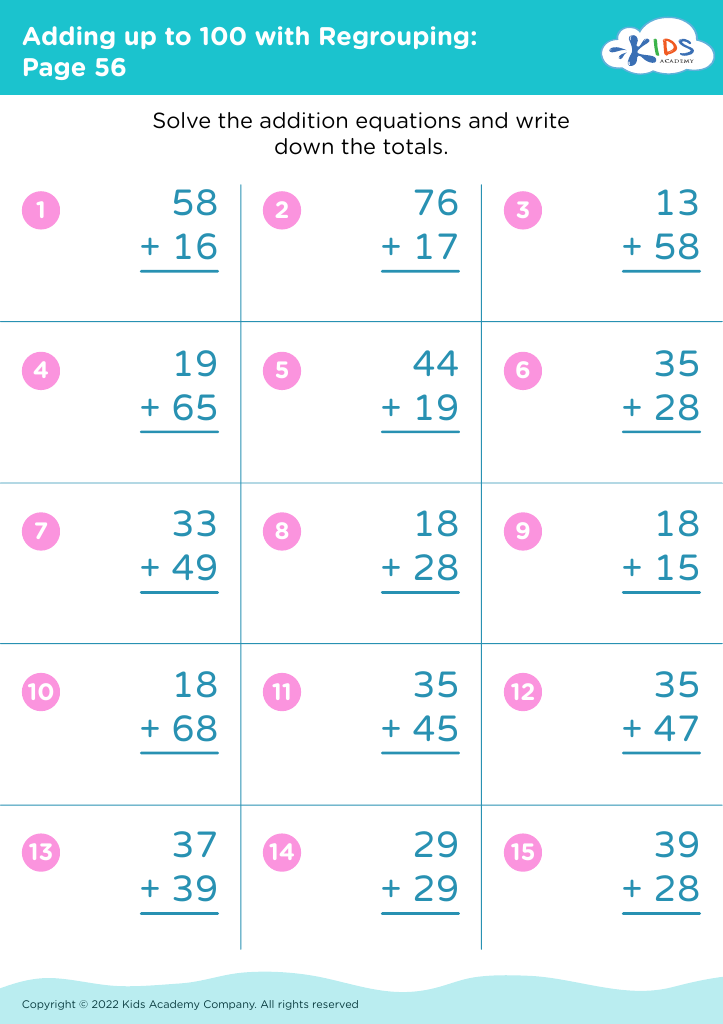
Adding up to 100 with Regrouping: Page 56
Worksheet
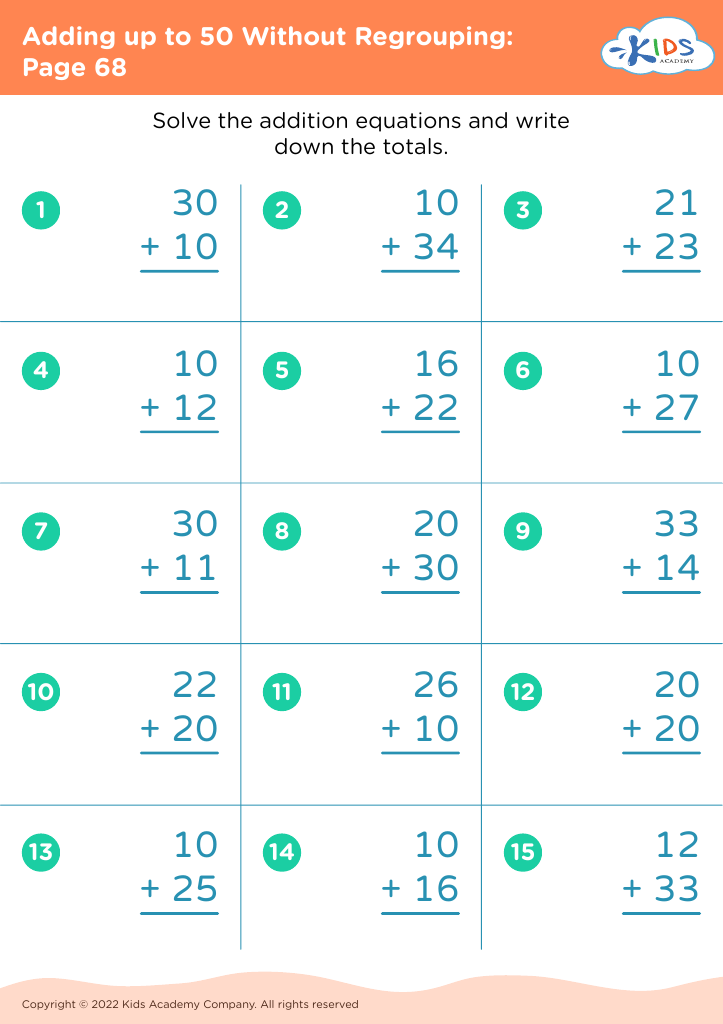
Adding up to 50 Without Regrouping: Page 68
Worksheet
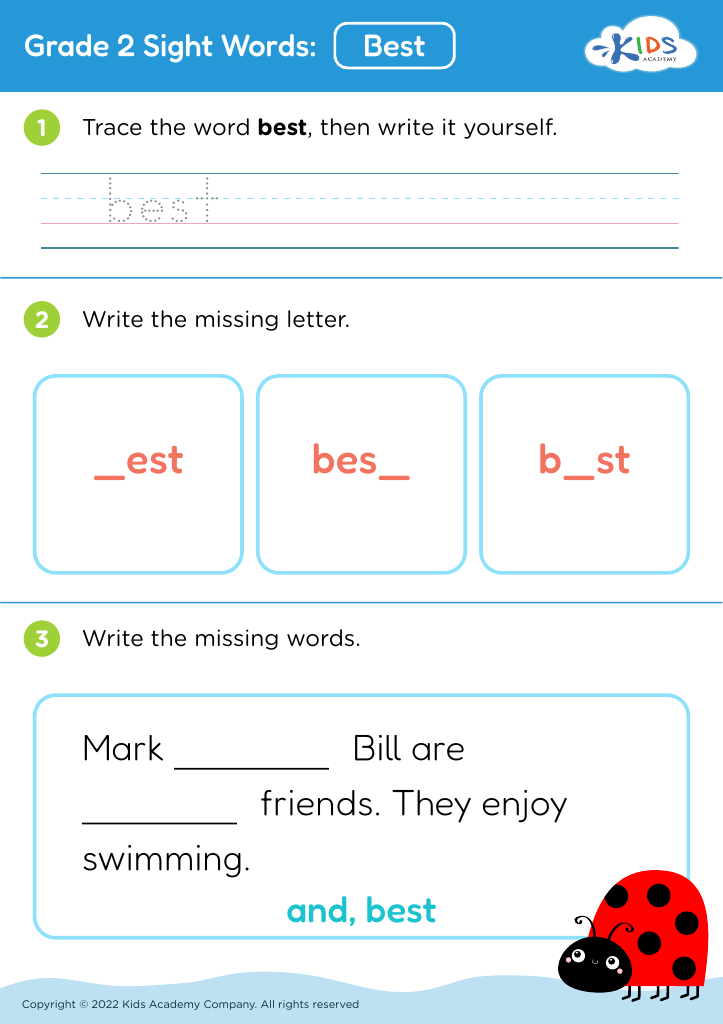
Grade 2 Sight Words: Best

Grade 2 Sight Words: Best

Grade 2 Sight Words: Best
Worksheet
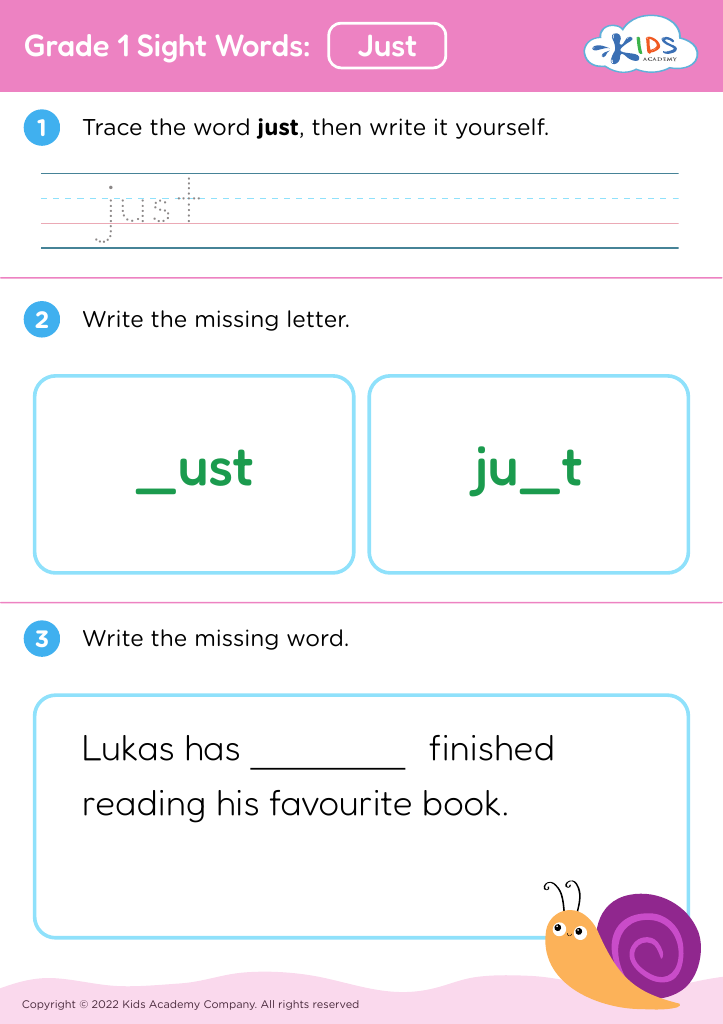
Grade 1 Sight Words: Just

Grade 1 Sight Words: Just

Grade 1 Sight Words: Just
Worksheet
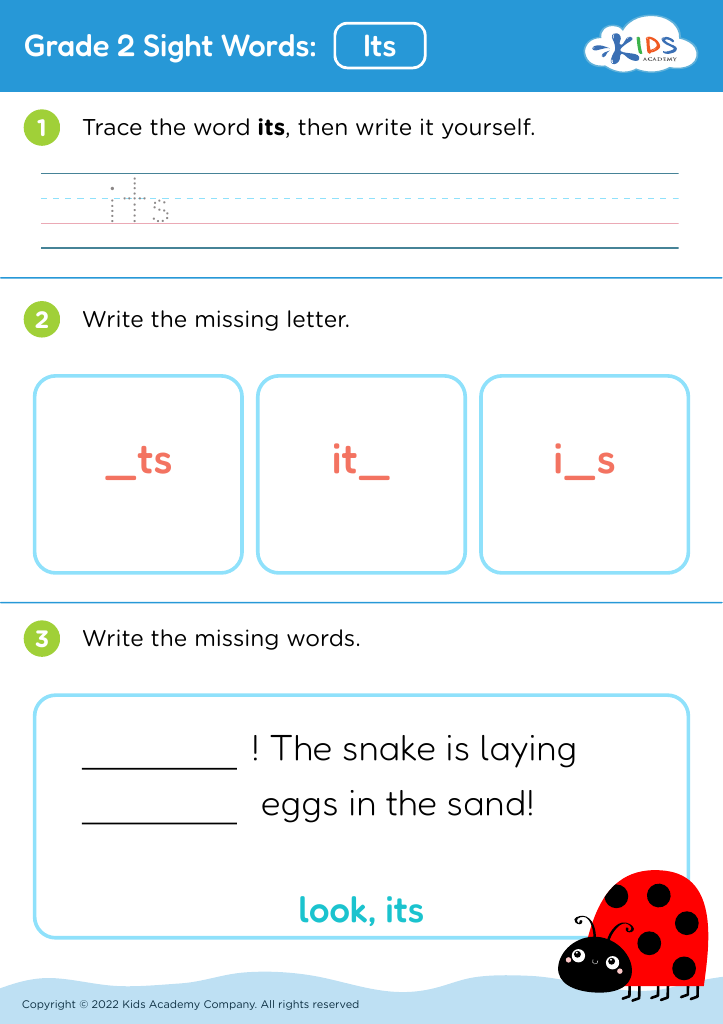
Grade 2 Sight Words: Its

Grade 2 Sight Words: Its

Grade 2 Sight Words: Its
Worksheet
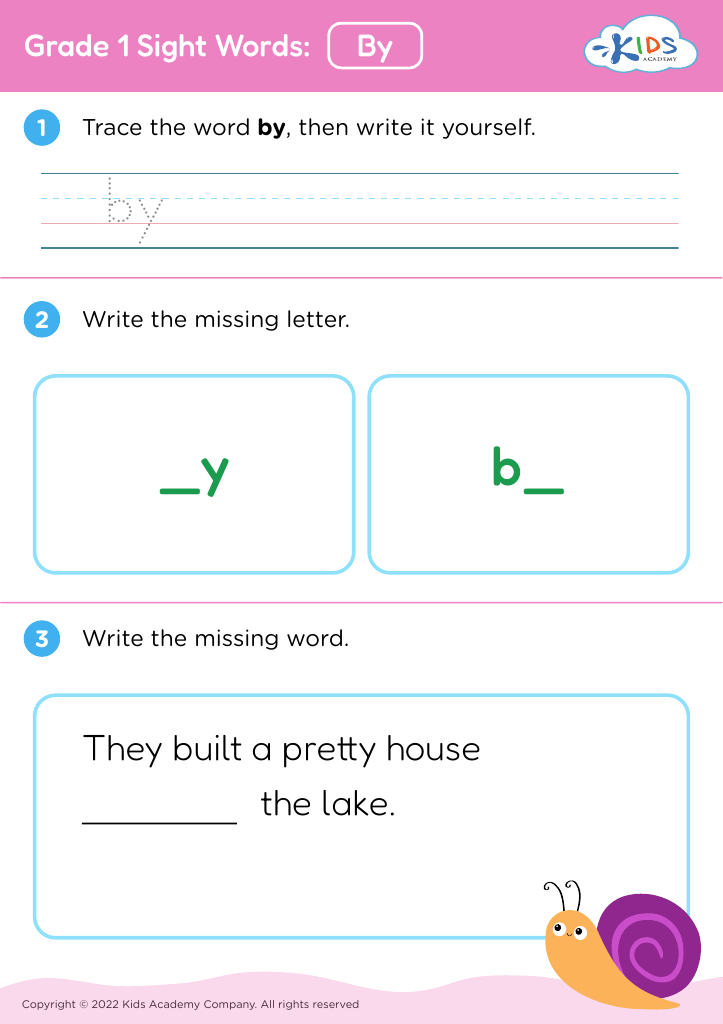
Grade 1 Sight Words: By

Grade 1 Sight Words: By

Grade 1 Sight Words: By
Worksheet


Recognizing shapes is a fundamental skill pivotal for a 7-year-old's cognitive development and everyday learning. At this age, children are transitioning from early childhood education, and mastering shapes lays a critical foundation for numerous essential abilities.

Firstly, understanding shapes enhances spatial awareness, which is vital for activities such as reading maps and engaging in various sports. This skill helps children construct a mental map of their environment, fostering critical thinking and problem-solving abilities.

Secondly, recognizing shapes plays a crucial role in early math skills. It introduces concepts like symmetry, proportion, and geometry, allowing children to comprehend more complex mathematical ideas later on. As they identify and categorize shapes, they develop classification skills, promoting logical reasoning.

Additionally, shape recognition fosters creativity. Through art projects or building activities, children learn to manipulate and combine shapes to create visual representations, nurturing their imagination.

Lastly, support from parents and teachers during this phase promotes a sense of achievement and boosts self-esteem. Encouraging engagement with shapes can be enjoyable— through games, puzzles, and hands-on activities— making learning both fun and effective. Therefore, it is crucial for parents and educators to prioritize shape recognition to enrich children's development holistically.