Rhythm understanding Worksheets for 7-Year-Olds
3 filtered results
-
From - To
Our Rhythm Understanding Worksheets for 7-Year-Olds are designed to make learning fun and engaging. These printable activities help children develop a strong sense of rhythm and timing, crucial for music and dance. Each worksheet combines creative exercises with playful visuals to captivate young minds and reinforce learning. By practicing clapping patterns, completing rhythmic sequences, and exploring beats, kids gain confidence and enhance cognitive skills. Our expertly crafted worksheets are perfect for both classroom and home learning environments, ensuring children build a solid foundation in rhythm while enjoying the process. Unlock the joys of music with our rhythm worksheets today!
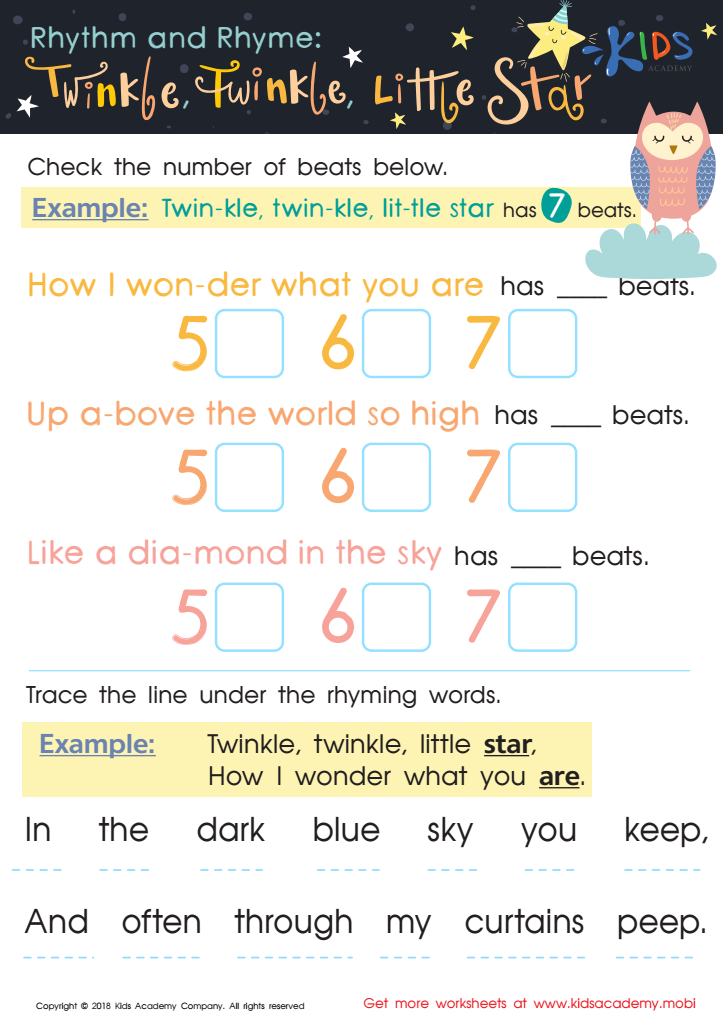
Rhythm and Rhyme: Twinkle, Twinkle, Little Star Worksheet
 Assign to My Students
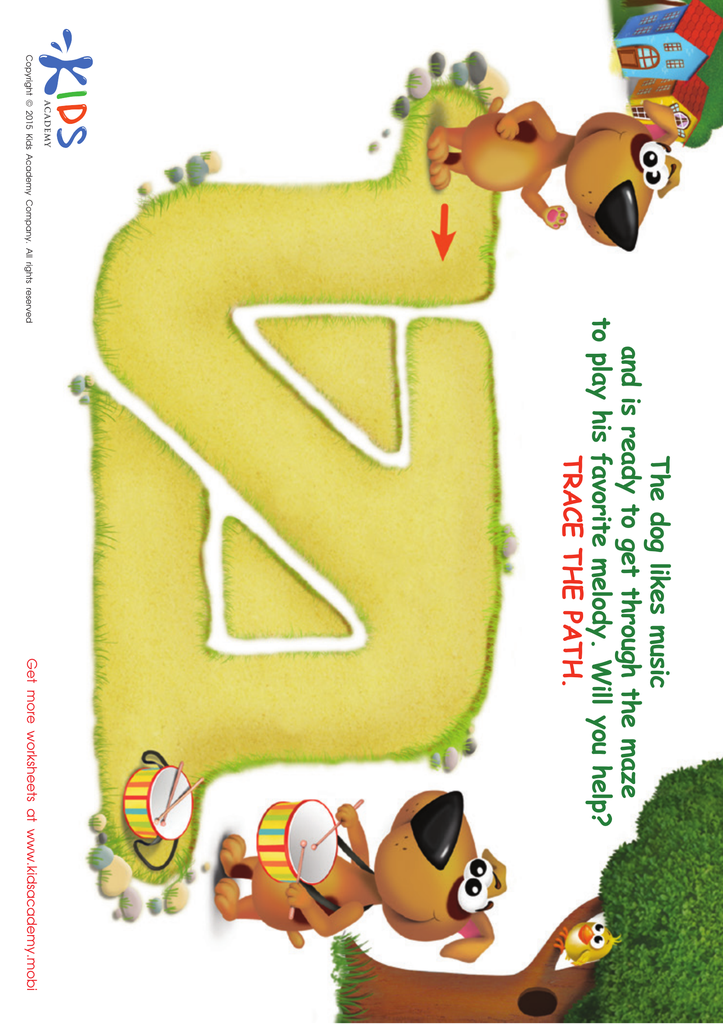
Drummer Maze Worksheet
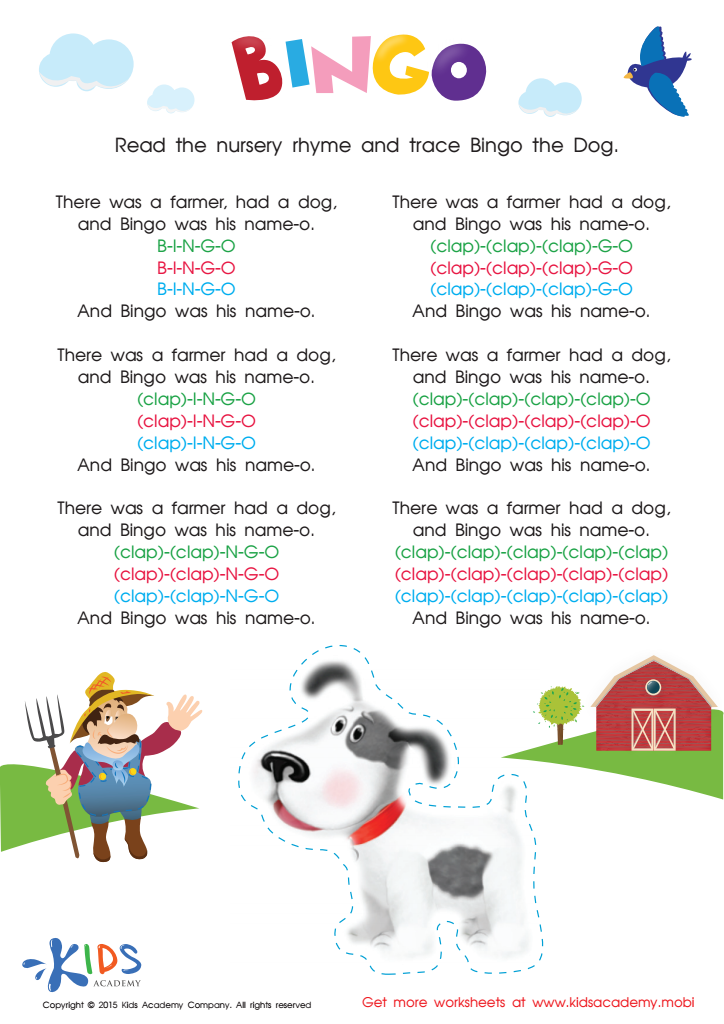
Nursery Rhymes: The Bingo Song Worksheet


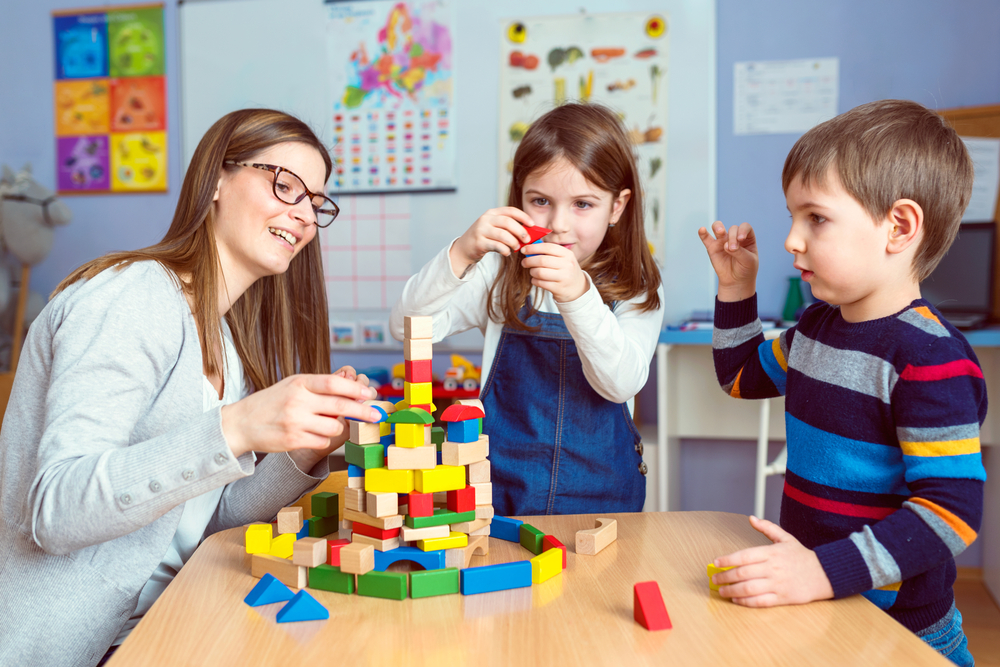





Understanding rhythm is a fundamental aspect of a child’s development, enriching both cognitive abilities and emotional well-being. For children around seven years old, rhythm isn’t just about music – it contributes to numerous critical skills. Firstly, rhythm provides an essential foundation for language development. Rhythmic patterns in speech help children understand sentence structure, accentuation, and the cadence of language. They learn to discern syllables, which aids in reading fluency and phonemic awareness.
Moreover, rhythm is closely linked to motor skills and coordination. Activities that involve clapping, tapping, or dancing boost fine and gross motor skills, leading to better handwriting and overall physical dexterity.
Another significant benefit is the enhancement of mathematical abilities. Recognizing patterns and keeping time are skills that intersect substantially with mathematical concepts such as sequencing, counting, and problem-solving.
Finally, engaging with rhythm activities like music and dance can profoundly benefit emotional and social skills. It encourages teamwork, listening abilities, and self-expression, fostering social bonds and a sense of accomplishment. All these competencies contribute to holistic development, making rhythm an invaluable part of early childhood education. Therefore, parents and teachers should prioritize cultivating rhythm to help children build a robust, multidimensional foundation for lifelong learning and development.








