Understand sequences Worksheets for 7-Year-Olds
5 filtered results
-
From - To
Nurture your child's cognitive growth with our “Understand Sequences Worksheets for 7-Year-Olds.” Tailored specifically for young learners, these expertly designed activities help kids master the concept of sequences and logical order through engaging and fun exercises. Each worksheet stimulates critical thinking and enhances problem-solving skills. From numerical patterns to picture arrangements, your child will discover various sequence types that build a strong foundation for future learning. Perfect for classroom or at-home practice, these printables ensure your child develops a deep understanding of sequences while enjoying every moment of their educational journey.
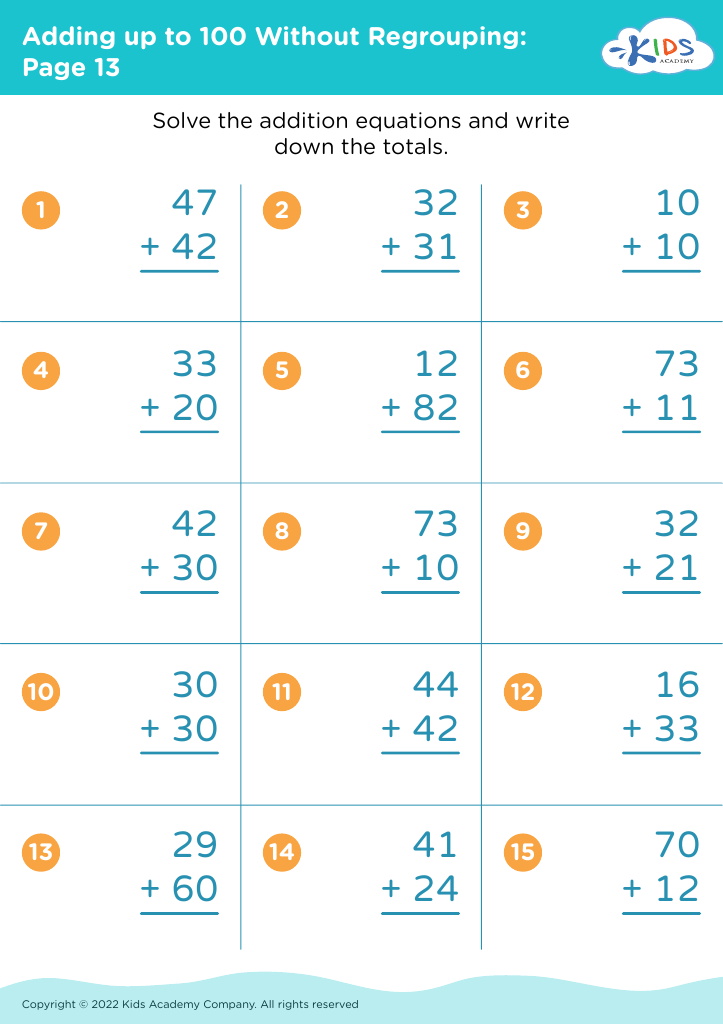
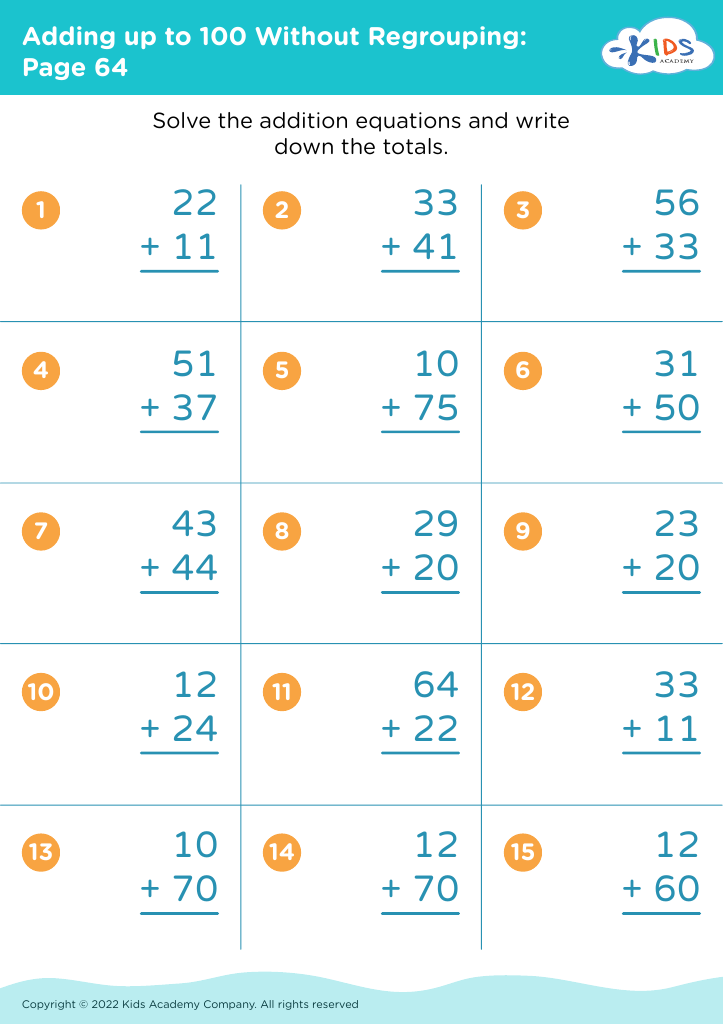
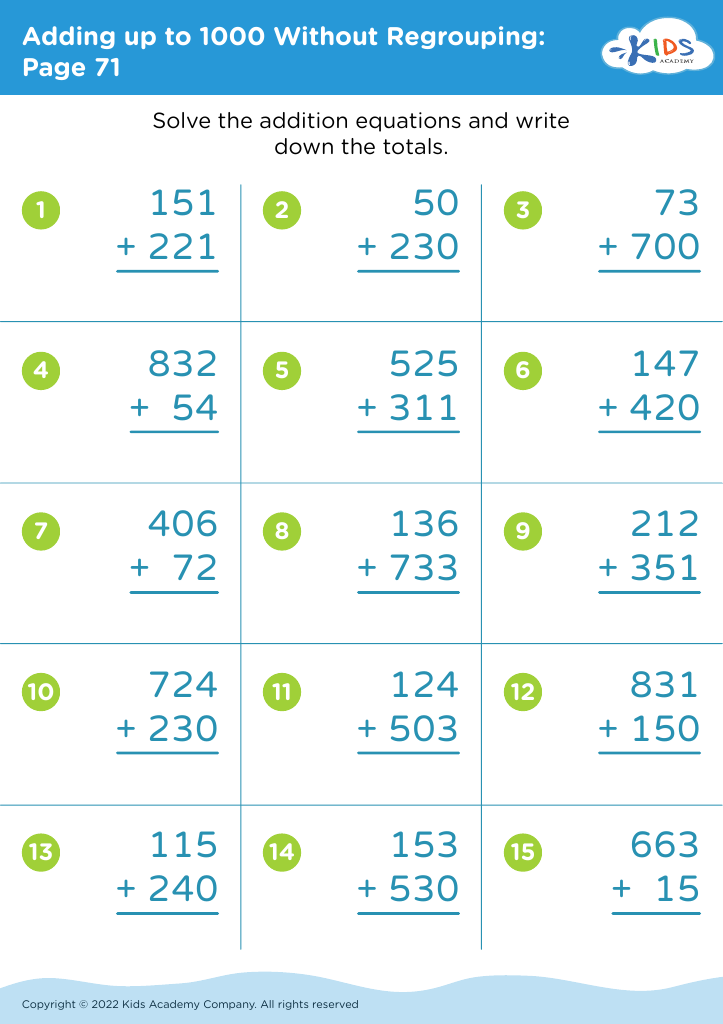
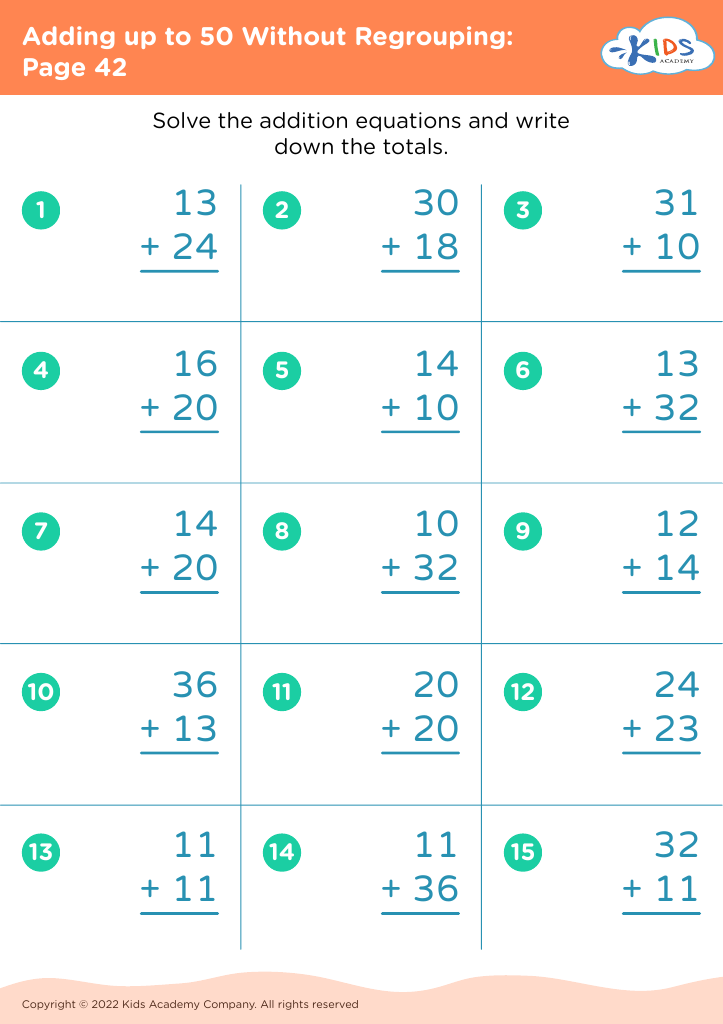
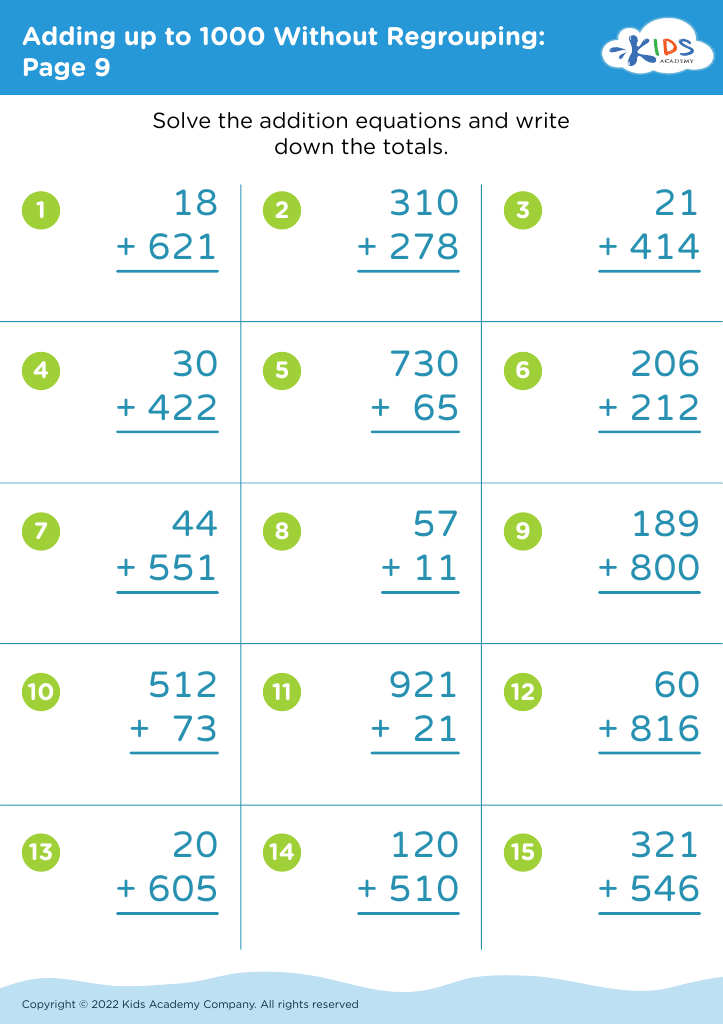




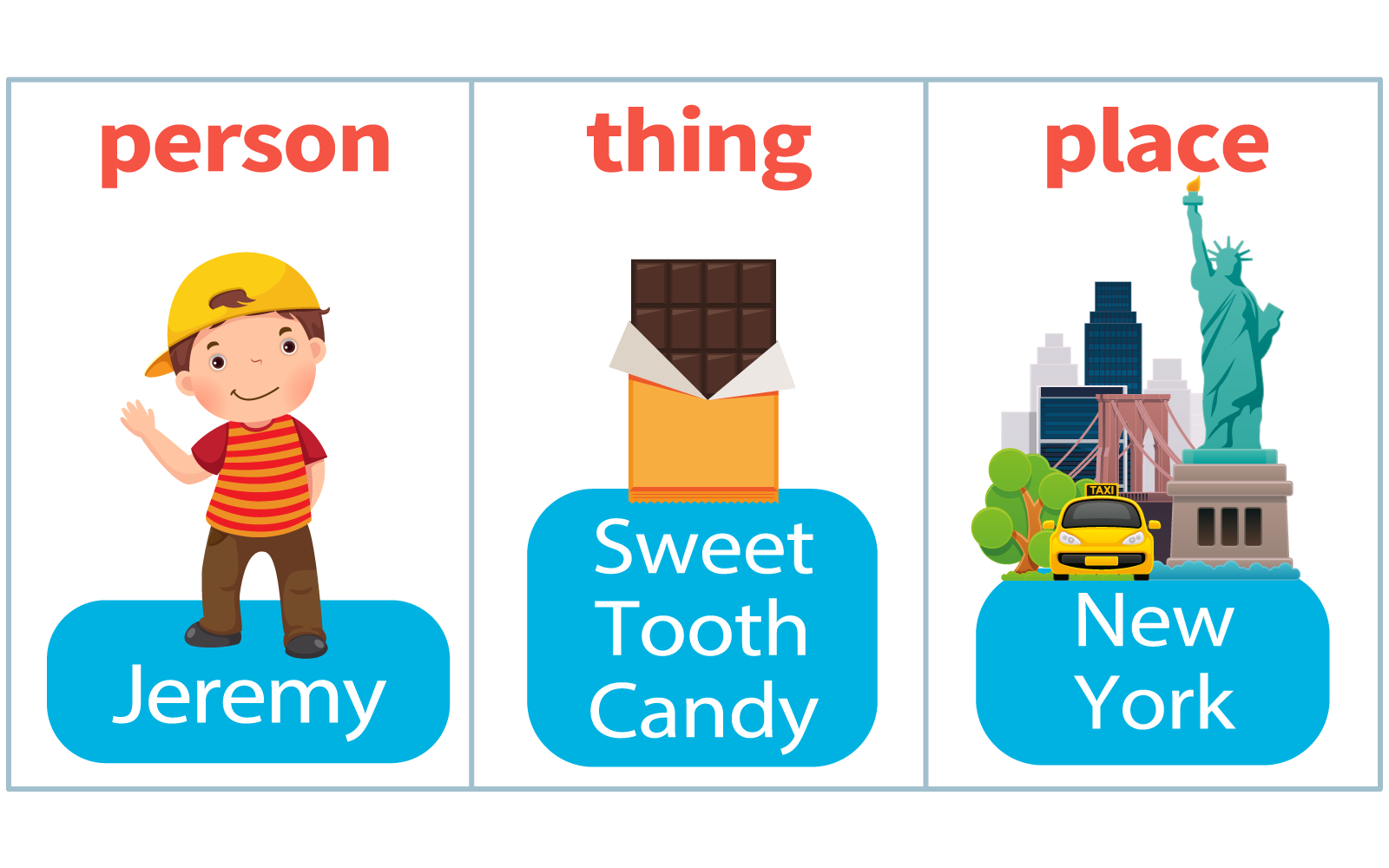



Understanding sequences is vital for 7-year-olds because it lays a crucial foundation for both cognitive and academic development. First, sequences are essential in mathematics. Recognizing patterns, ordering numbers, and following the steps in a math problem all require an understanding of sequences. Mastering this concept helps children better comprehend higher-level math skills later on.
Beyond academics, sequences are integral in daily life and routine. For example, getting dressed, brushing teeth, or following recipes all involve sequential steps. Ensuring that children can grasp sequences helps them develop practical life skills and fosters independence.
Understanding sequences also plays a significant role in language development. Narratives, whether in conversations or reading, follow a sequence. By comprehending this, children enhance their reading comprehension, storytelling abilities, and effective communication. It enriches their vocabulary and sentence structure, contributing significantly to literacy skills.
On a cognitive level, recognizing and creating sequences improve children’s memory, problem-solving, and critical thinking. It encourages logical reasoning and the ability to predict future events based on patterns. This development is critical for overall intellectual growth.
Therefore, parents and teachers should prioritize teaching sequences to 7-year-olds to support their holistic development and prepare them for more complex concepts in various aspects of life.








