Understanding patterns Worksheets for 7-Year-Olds - Page 2
39 filtered results
-
From - To
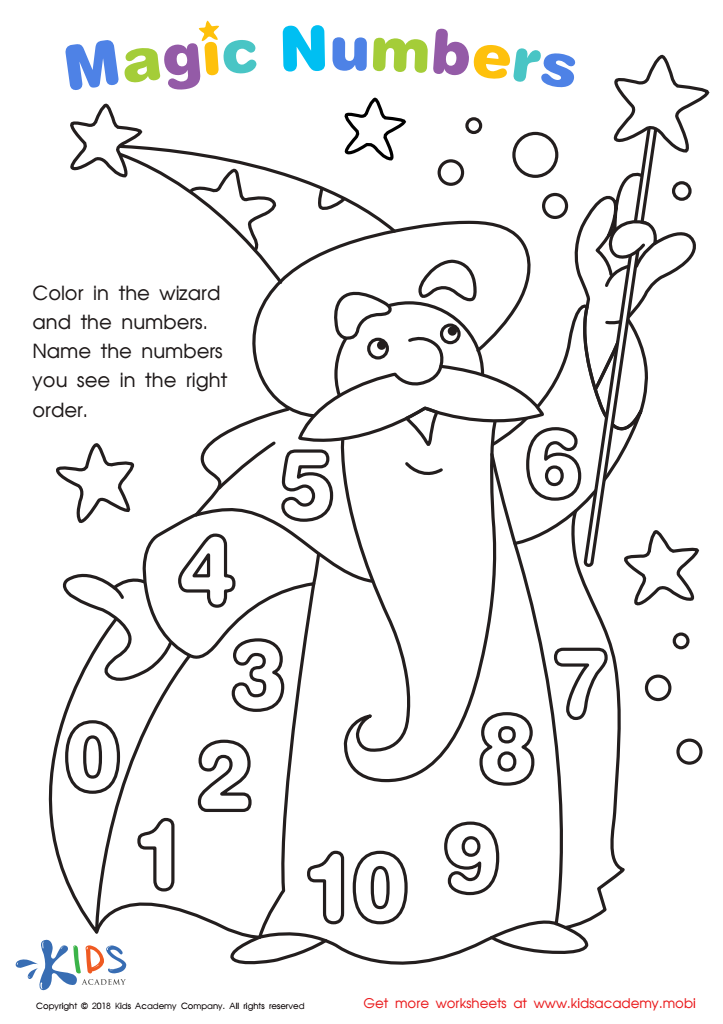
Magic Numbers Worksheet
 Assign to My Students
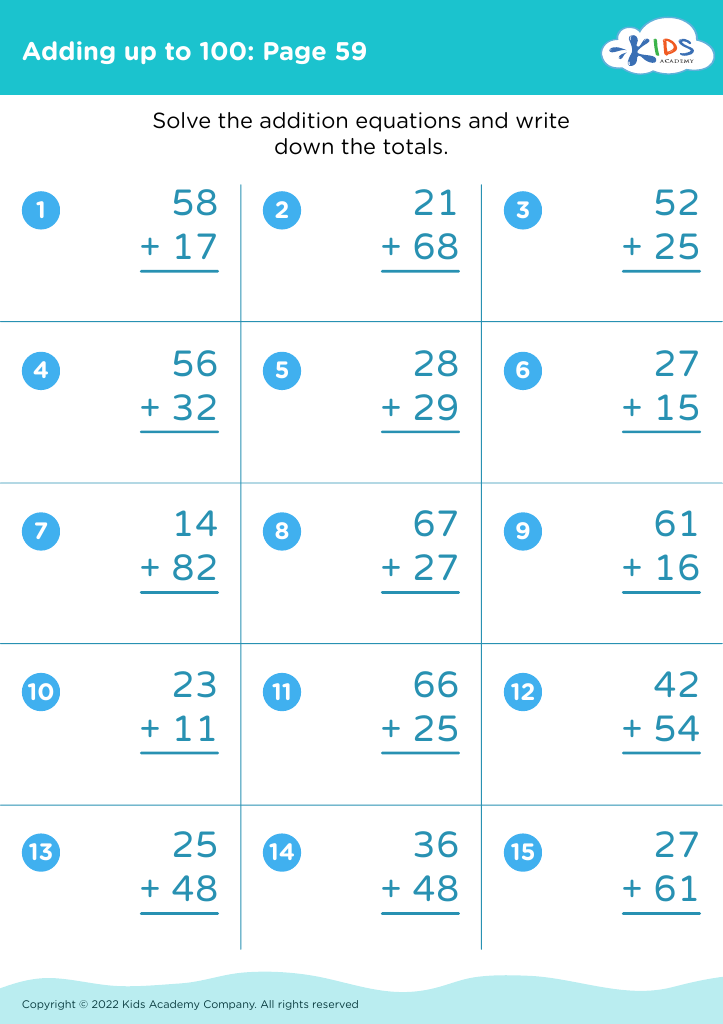
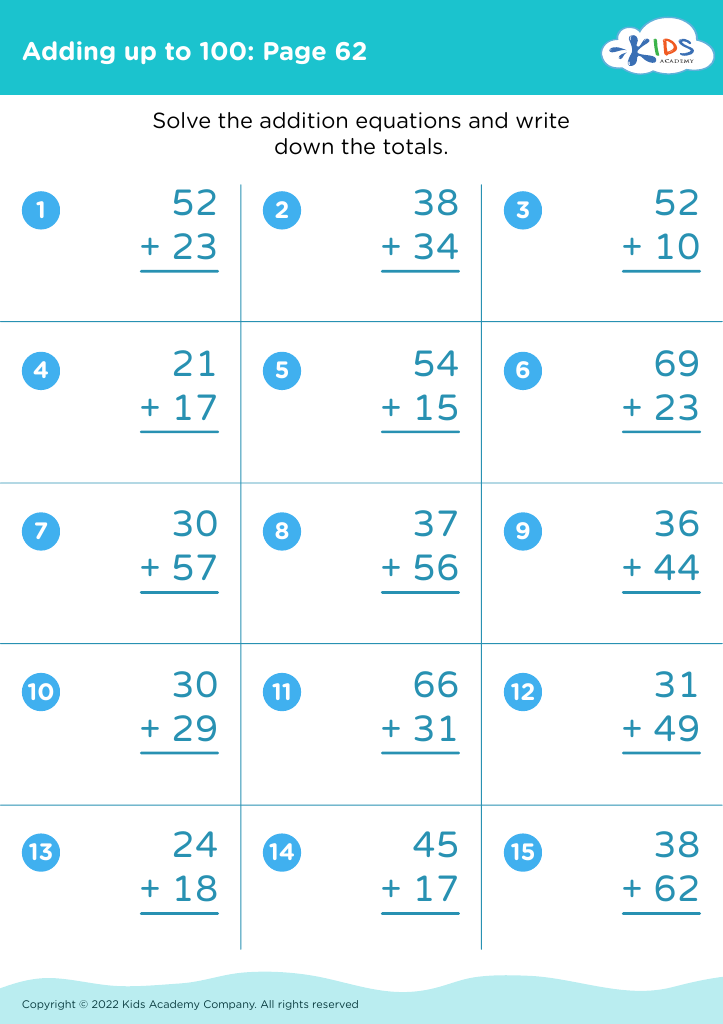
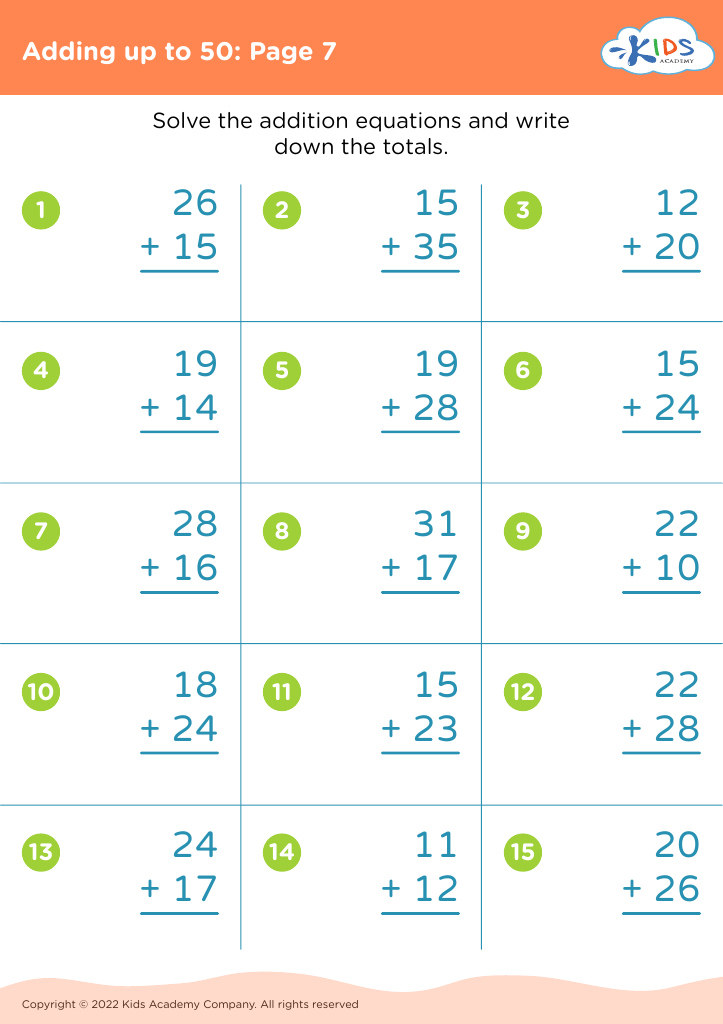
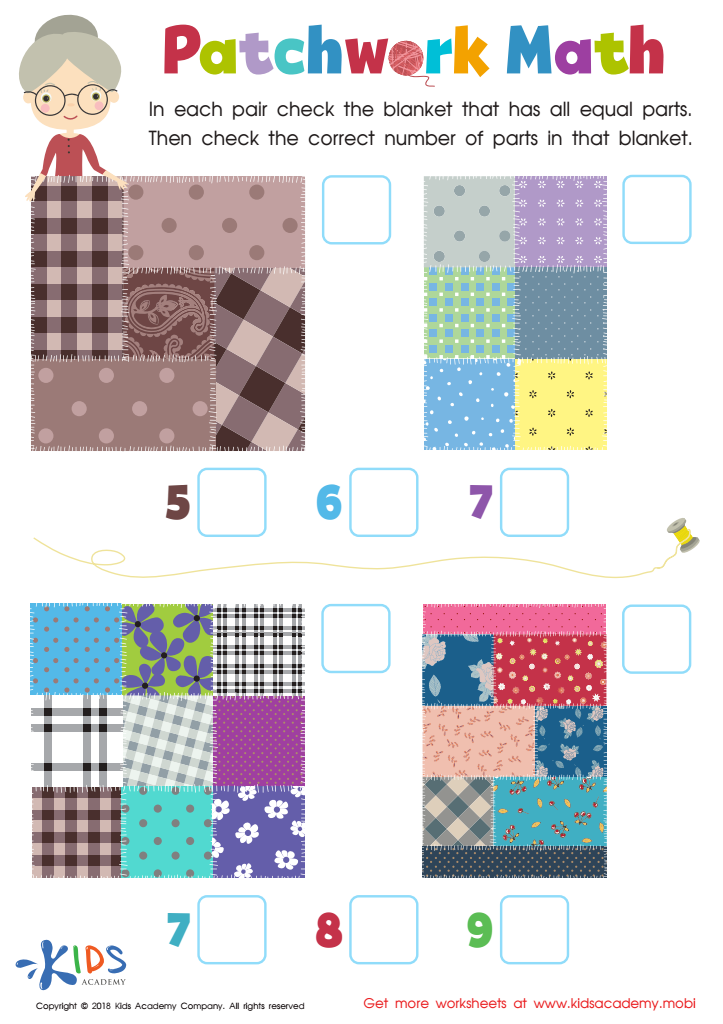
Patchwork Math Worksheet





Understanding patterns is crucial for 7-year-olds as it lays the foundation for their mathematical development and critical thinking skills. At this age, children are naturally curious and beginning to grasp the world around them through repetition and relationships. Recognizing patterns helps them make connections between concepts, improving their ability to solve problems.
For parents and teachers, fostering pattern recognition is essential because it not only enhances numeracy skills but also supports literacy by helping children identify sequences in language and story development. Patterning activities, such as music, art, and even daily routines, make learning engaging and relevant, stimulating cognitive development.
In addition, pattern recognition is linked to higher-level math functions. Early exposure aids in future topics like algebra, geometry, and data analysis. By understanding and manipulating patterns, children develop reasoning abilities and the confidence to tackle complex challenges.
Encouraging exploration of patterns aids in social-emotional skills as well, as children learn to work with peers, share ideas, and think critically. Therefore, parents and teachers should prioritize understanding patterns in their education approach, as building these skills can profoundly impact a child's overall learning trajectory.








